Grant S. McCall – författare
Visar alla böcker från författaren Grant S. McCall. Handla med fri frakt och snabb leverans.
14 produkter
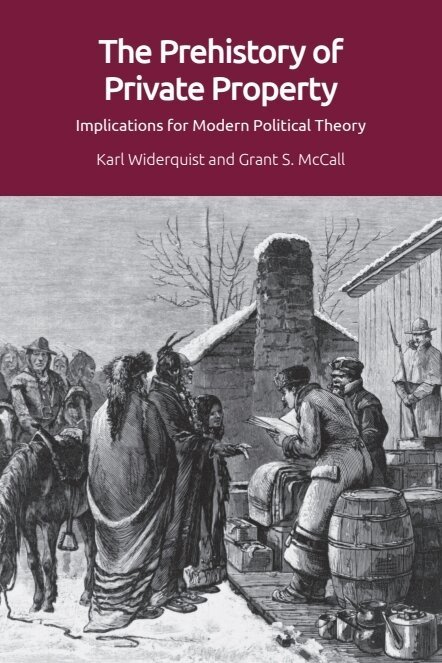
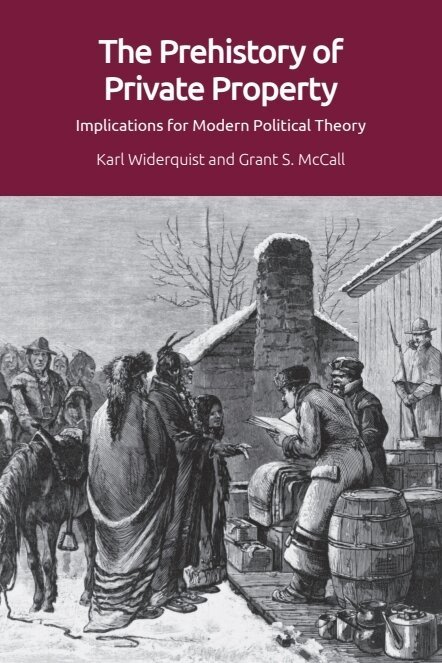
Prehistory of Private Property
Implications for Modern Political Theory
Av Karl Widerquist, Grant S. McCall
Häftad, 2022
349 kr
Lägg i varukorg
Examines the origin and development of the private property rights system from prehistory to the present dayTraces the origin and development of the private property rights system from prehistory to the present day showing that it was not the product of 'appropriation' and 'voluntary trade' but of …
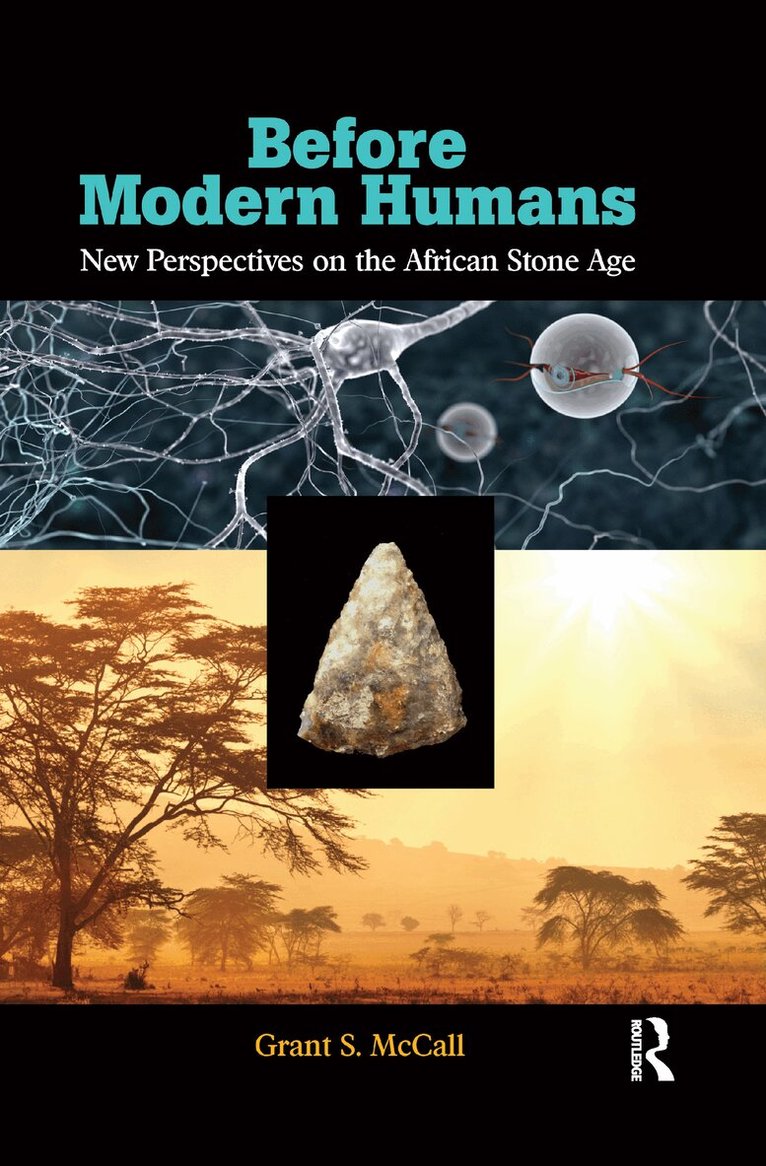
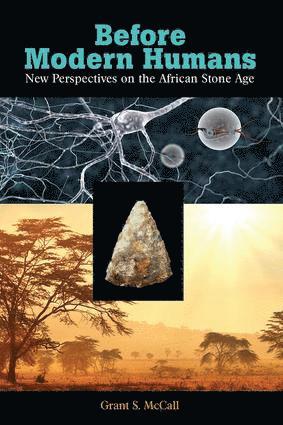
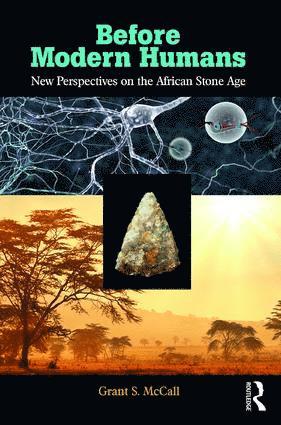
Before Modern Humans
New Perspectives on the African Stone Age
Häftad, 2020
652 kr
Lägg i varukorg
This fascinating volume, assessing Lower and Middle Pleistocene African prehistory, argues that the onset of the Middle Stone Age marks the origins of landscape use patterns resembling those of modern human foragers. Inaugurating a paradigm shift in our understanding of modern human behavior, Grant …
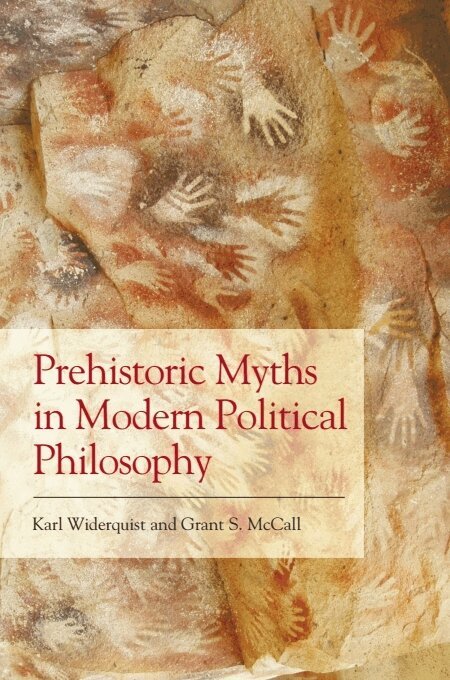
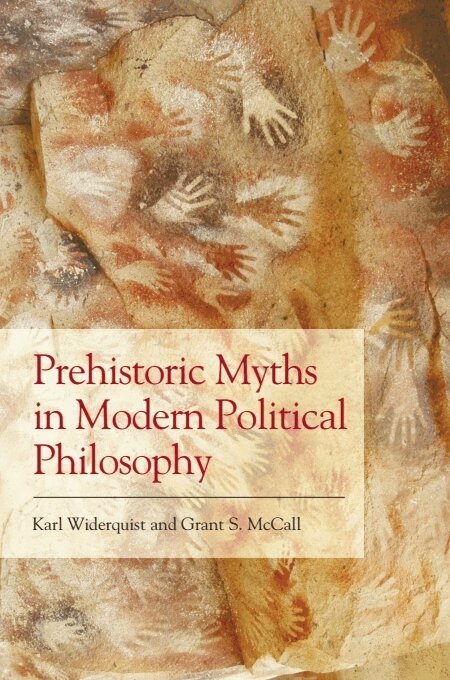
Prehistoric Myths in Modern Political Philosophy
Challenging Stone Age Stories
Av Karl Widerquist, Grant S. McCall
Inbunden, 2017
2119 kr
Lägg i varukorg
The state of nature, the origin of property, the origin of government, the primordial nature of inequality and war – why do political philosophers talk so much about the Stone Age? And are they talking about a Stone Age that really happened, or is it just a convenient thought experiment to …
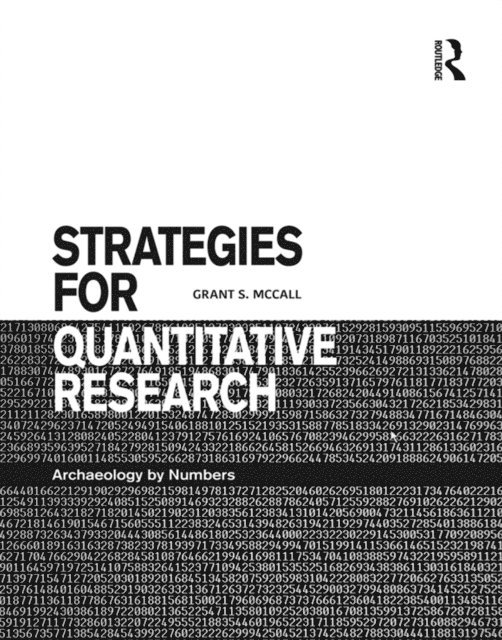
Strategies for Quantitative Research
Archaeology by Numbers
Häftad, 2018
652 kr
Lägg i varukorg
It is little secret that most archaeologists are uneasy with statistics. Thankfully, in the modern world, quantitative analysis has been made immensely easier by statistical software packages. Software now does virtually all our statistical calculations, removing a great burden for researchers. At …
Strategies for Quantitative Research
Archaeology by Numbers
Inbunden, 2018
2588 kr
Lägg i varukorg
It is little secret that most archaeologists are uneasy with statistics. Thankfully, in the modern world, quantitative analysis has been made immensely easier by statistical software packages. Software now does virtually all our statistical calculations, removing a great burden for researchers. At …
Before Modern Humans
New Perspectives on the African Stone Age
E-bok, 2016
767 kr
Lägg i varukorg
This fascinating volume, assessing Lower and Middle Pleistocene African prehistory, argues that the onset of the Middle Stone Age marks the origins of landscape use patterns resembling those of modern human foragers. Inaugurating a paradigm shift in our understanding of modern human behavior, Grant …
Before Modern Humans
New Perspectives on the African Stone Age
E-bok, 2016
767 kr
Lägg i varukorg
This fascinating volume, assessing Lower and Middle Pleistocene African prehistory, argues that the onset of the Middle Stone Age marks the origins of landscape use patterns resembling those of modern human foragers. Inaugurating a paradigm shift in our understanding of modern human behavior, Grant …
Strategies for Quantitative Research
Archaeology by Numbers
E-bok, 2018
767 kr
Lägg i varukorg
It is little secret that most archaeologists are uneasy with statistics. Thankfully, in the modern world, quantitative analysis has been made immensely easier by statistical software packages. Software now does virtually all our statistical calculations, removing a great burden for researchers. At …
Strategies for Quantitative Research
Archaeology by Numbers
E-bok, 2018
745 kr
Lägg i varukorg
It is little secret that most archaeologists are uneasy with statistics. Thankfully, in the modern world, quantitative analysis has been made immensely easier by statistical software packages. Software now does virtually all our statistical calculations, removing a great burden for researchers. At …
Prehistoric Myths in Modern Political Philosophy
Challenging Stone Age Stories
Av Karl Widerquist, Grant S. McCall
Häftad, 2018
406 kr
Lägg i varukorg
The state of nature, the origin of property, the origin of government, the primordial nature of inequality and war – why do political philosophers talk so much about the Stone Age? And are they talking about a Stone Age that really happened, or is it just a convenient thought experiment to …
Prehistory of Private Property
Implications for Modern Political Theory
Av Karl Widerquist, Grant S. McCall
Inbunden, 2021
1530 kr
Lägg i varukorg
This book debunks three false claims commonly accepted by contemporary political philosophers regarding property systems: that inequality is natural, inevitable, or incompatible with freedom; that capitalism is more consistent with negative freedom than any other conceivable economic system; and …
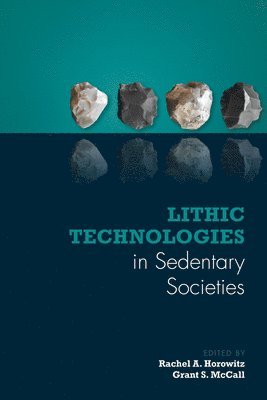
Lithic Technologies in Sedentary Societies
Av Rachel A. Horowitz, Grant S. McCall
Inbunden, 2019
884 kr
Lägg i varukorg
Lithic Technologies in SedentarySocieties examines lithic technology from ancient societies in Mesoamerica, the Near East, South Asia, and North America, showcasing the important contributions in-depth lithic analysis can make to the study of sedentary societies around the world. Using cutting-edge …
Before Modern Humans
New Perspectives on the African Stone Age
Inbunden, 2014
2834 kr
Lägg i varukorg
This fascinating volume, assessing Lower and Middle Pleistocene African prehistory, argues that the onset of the Middle Stone Age marks the origins of landscape use patterns resembling those of modern human foragers. Inaugurating a paradigm shift in our understanding of modern human behavior, Grant …
Before Modern Humans
New Perspectives on the African Stone Age
Häftad, 2016
482 kr
Tillfälligt slut
This fascinating volume, assessing Lower and Middle Pleistocene African prehistory, argues that the onset of the Middle Stone Age marks the origins of landscape use patterns resembling those of modern human foragers. Inaugurating a paradigm shift in our understanding of modern human behavior, Grant …