Greg Morse - Böcker
Visar alla böcker från författaren Greg Morse. Handla med fri frakt och snabb leverans.
14 produkter
14 produkter
100 kr
Skickas inom 10-15 vardagar
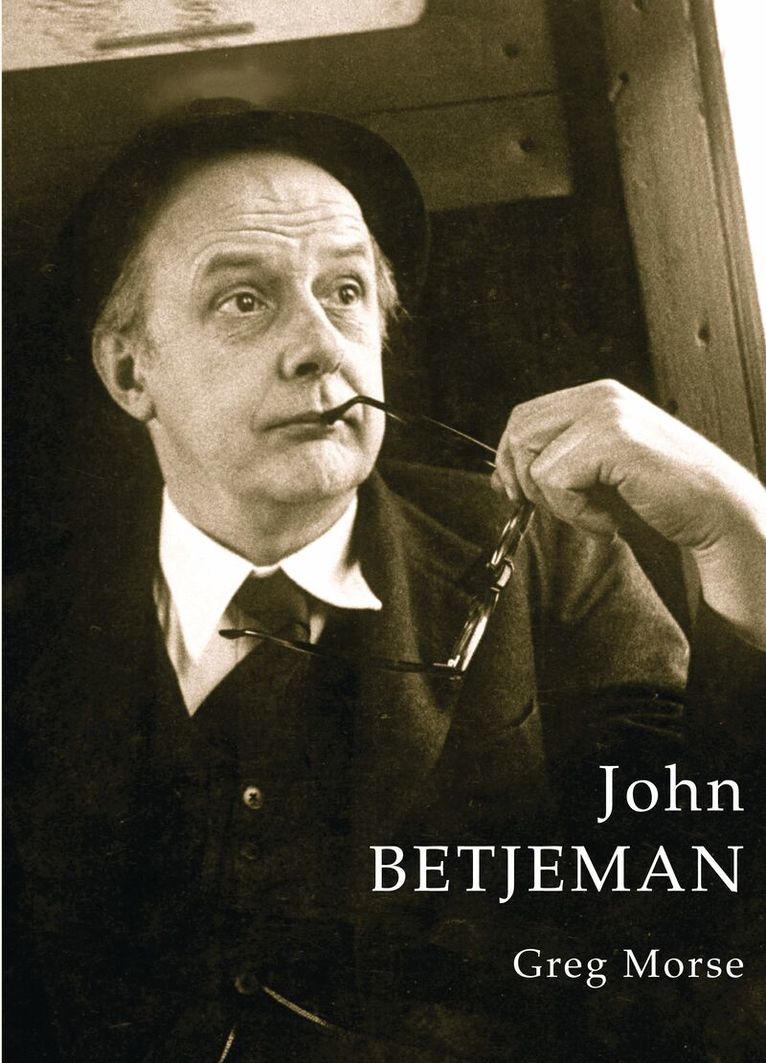
Born at the start of the twentieth century, John Betjeman later wrote that he always knew he would be a poet. In time, he would indeed become the most popular Poet Laureate since Tennyson, but he was more than that: as a noted broadcaster and journalist, he also did much to help us appreciate the beauty all around us – in the landscape, in architecture, in churches, on the coast and on the railway. At once lyrical and humorous, nostalgic and unsentimental, and above all distinctively English, Betjeman is in the first rank of poets to have emerged from these isles in the last century.
101 kr
Skickas inom 10-15 vardagar
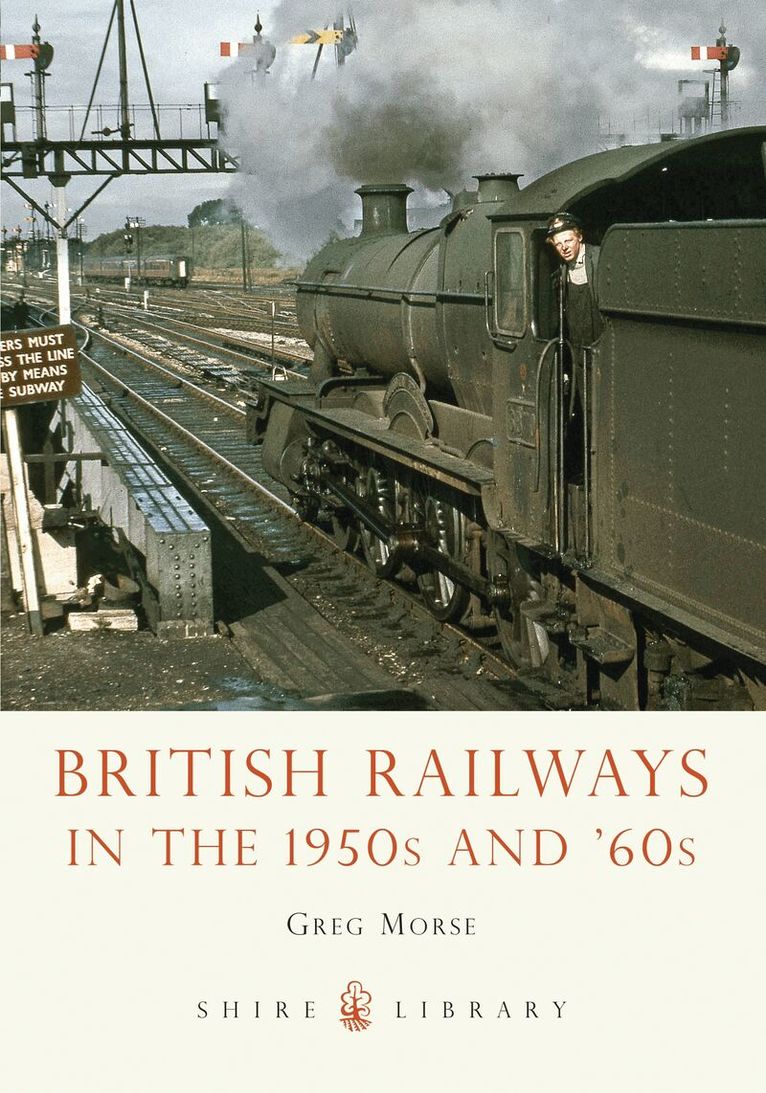
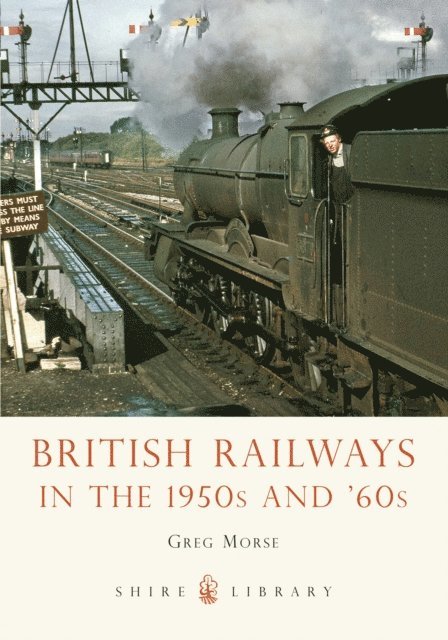
As Britain moved from austerity to prosperity in the 1950s and 1960s, it became clear that British Railways needed to modernise its equipment and rationalise its network if it was to hold its own in the face of growing competition from road and air transport.After attempting to maintain pre-war networks and technology in the 1950s, a reversal of policy in the 1960s brought line closures, new liveries and the last breath of steam, as Dr Beeching and his successors strove to break even and build a new business from the old.From Britannia to the 'Blue Pullman', Evening Star to Inter-City, Greg Morse takes us through this turbulent twenty-year period, which started with drab prospects and ended with BR poised to launch the fastest diesel-powered train in the world.
110 kr
Skickas inom 7-10 vardagar
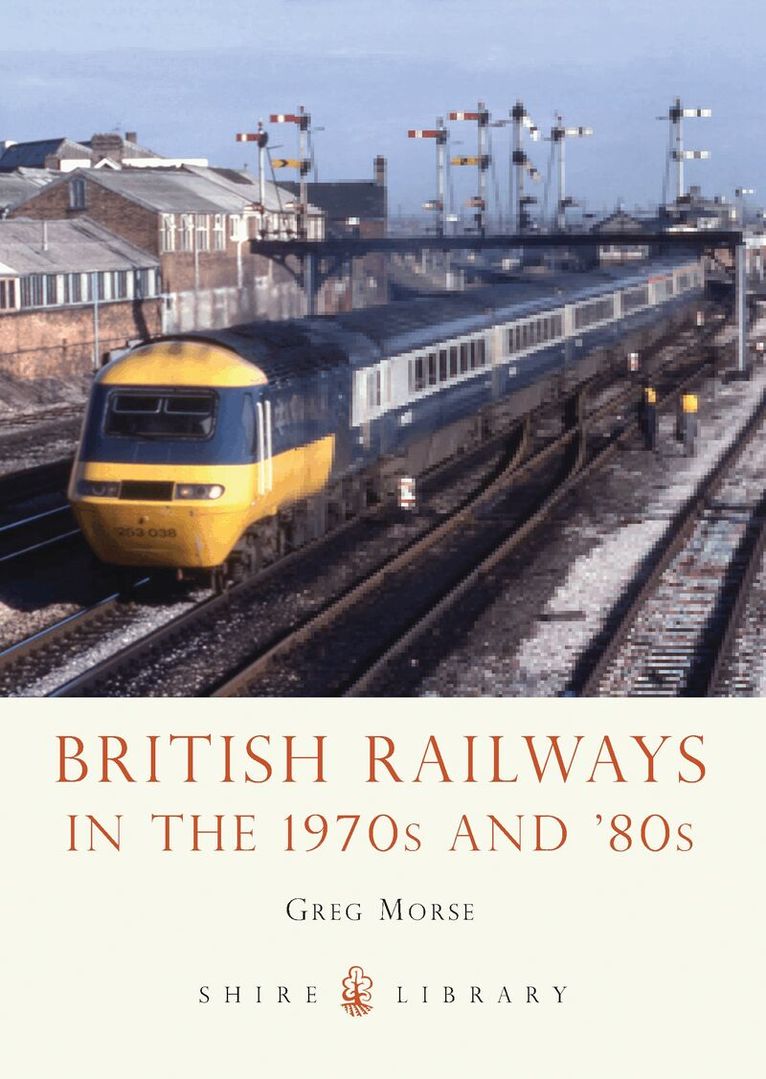
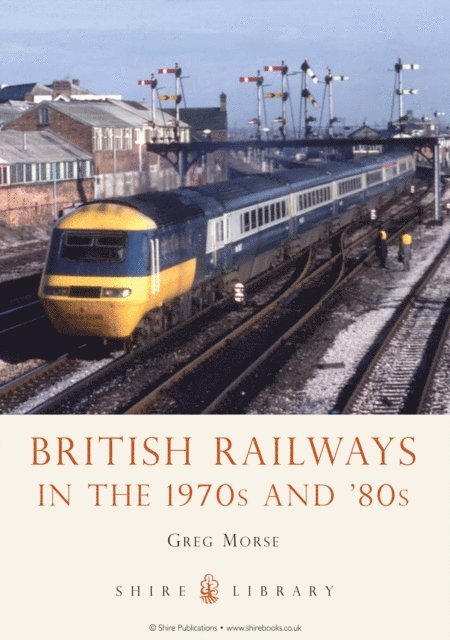
For British Rail, the 1970s was a time of contrasts, when bad jokes about sandwiches and pork pies often belied real achievements, like increasing computerisation and the arrival of the high-speed Inter-City 125s.But while television advertisements told of an ‘Age of the Train’, Monday morning misery continued for many, the commuter experience steadily worsening as rolling stock aged and grew ever more uncomfortable. Even when BR launched new electrification schemes and new suburban trains in the 1980s, focus still fell on the problems that beset the Advanced Passenger Train, whose ignominious end came under full media glare.Here, Greg Morse guides us through a world of Traveller’s Fare, concrete concourses and peak-capped porters, a difficult period that began with the aftershock of Beeching but ended with BR becoming the first nationalised passenger network in the world to make a profit.
111 kr
Skickas inom 10-15 vardagar
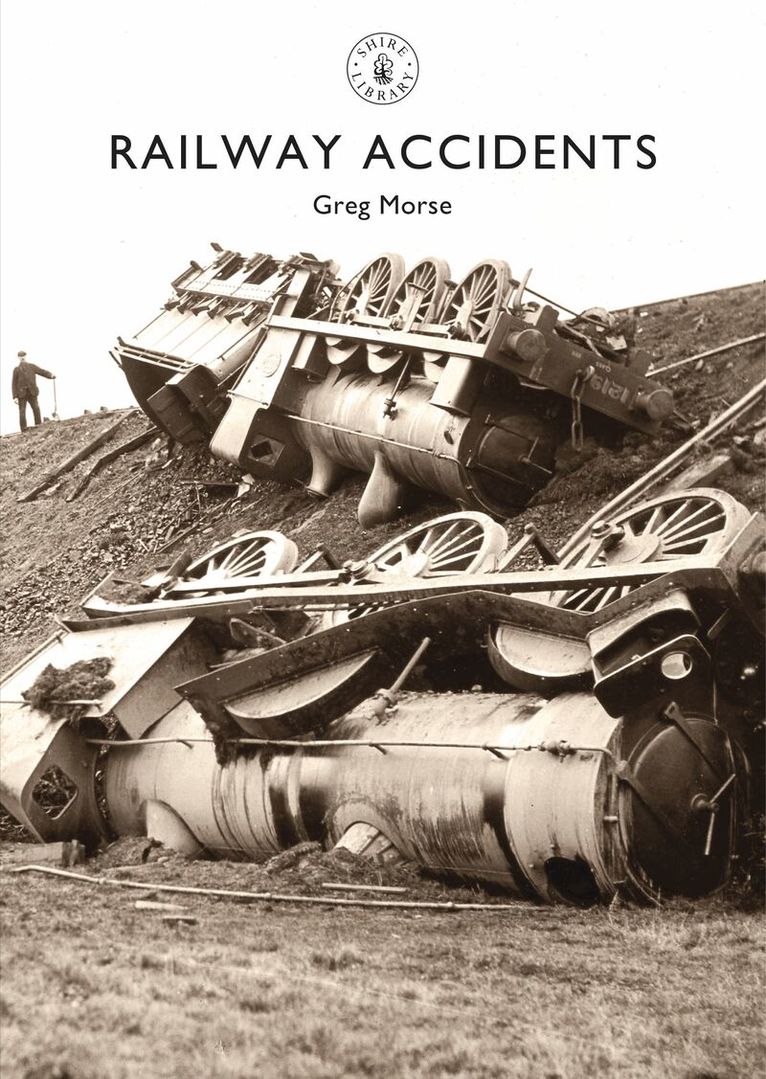
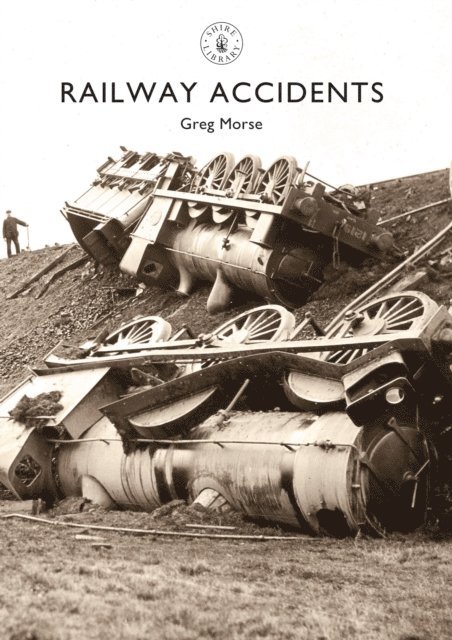
Britain’s rail network is now among the safest in the world, but the journey that brought it to that point has been long and eventful. Early incidents like the felling of William Huskisson MP by Stephenson’s Rocket (1830) showed how new ideas could bring new dangers; yet from disaster came new safety measures, and within fifty years better signalling and braking methods had been made mandatory. The twentieth century saw accident repeatedly lead to action and further advances in rolling stock, track design and train protection systems. Greg Morse charts these changes through the events that helped to prompt them, including the Armagh collision (1889) and the Harrow & Wealdstone disaster (1952). He ends with a railway approaching a new ‘golden age’ in the 1980s – yet with the tragedy at Clapham Junction (1988) offering a solemn reminder against complacency.
274 kr
Skickas
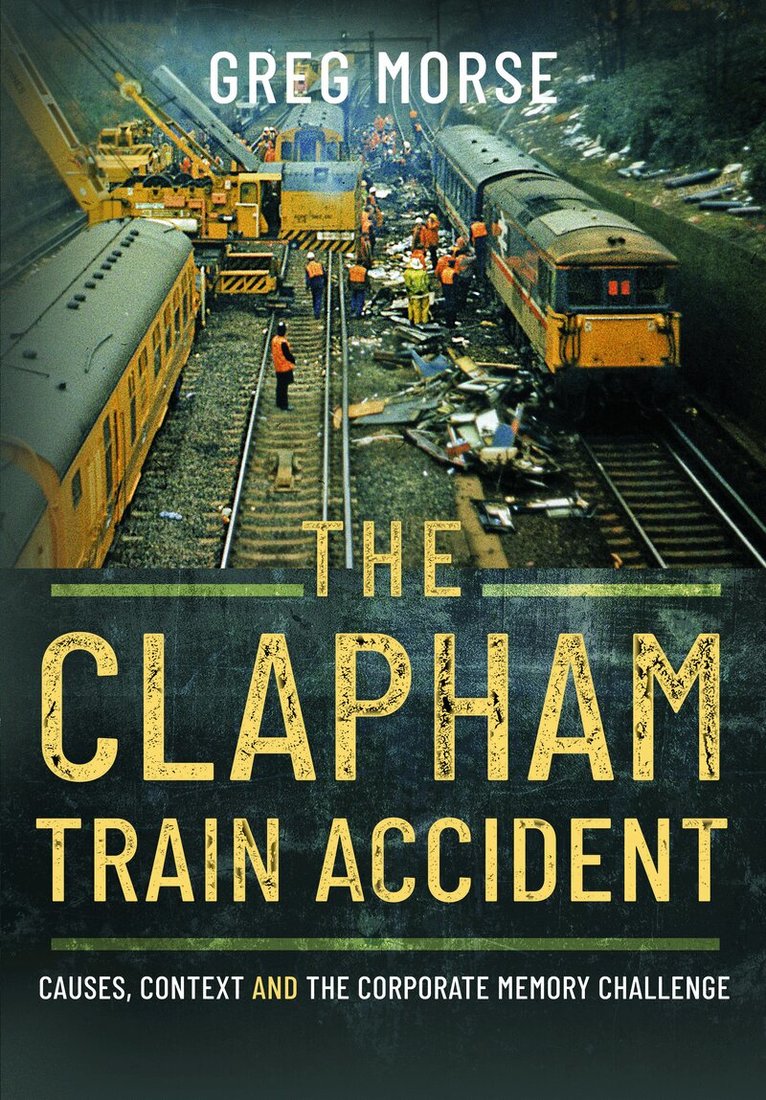
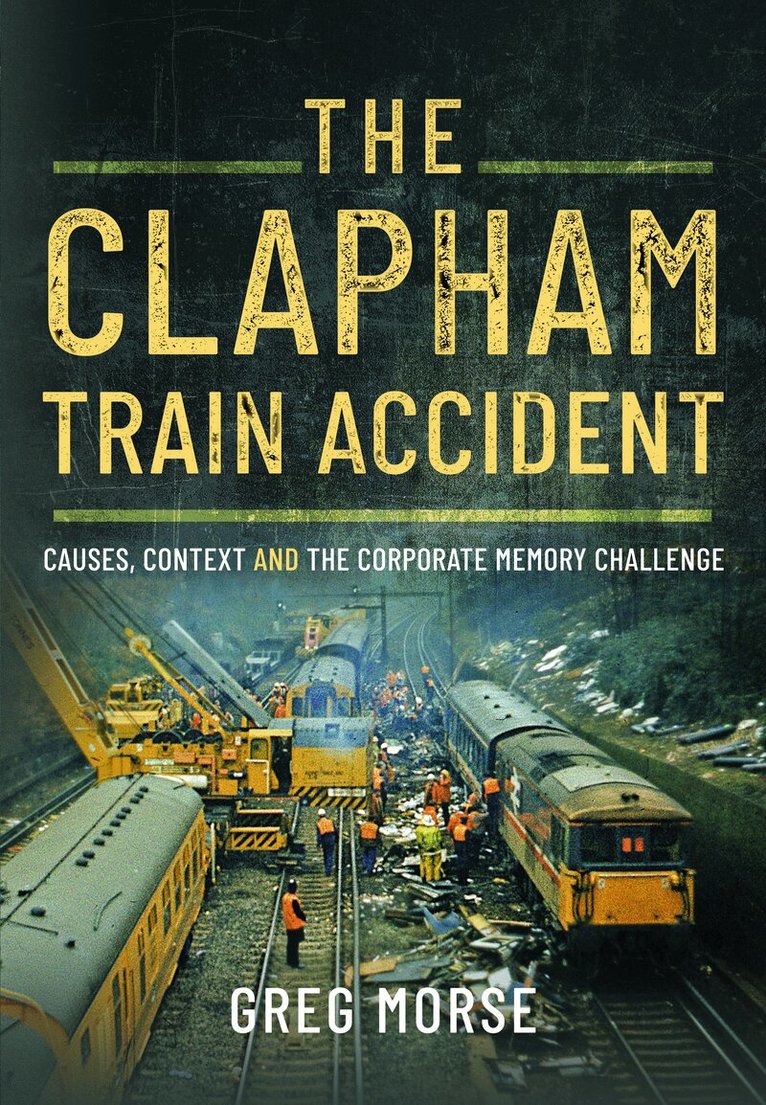
Clapham was a pivotal point in British railway history. Much technology had been invented and applied to accident prevention by 1988; much more was to come. The Clapham Train Accident considers Clapham in its wider context, using official reports and expert interviews to describe both the causes and the terrible effects. It looks beyond the railway to the external factors acting not only on British Rail, but also the government of the time, and considers the safety improvements that came about as a result.Finally, the book brings the story up to date and looks at why the lessons learned over thirty years ago still need to be retained in an industry where the baton of safety is all-too-easily dropped during re-organisation, re-branding and after the departure of those who lived through darker days to make ours shine more brightly.The concatenation of events, the errors, the reorganisations, the financial constraints, that led to Clapham could happen to any business in any industry. On the morning of 12 December 1988, they happened to the railway.The Clapham Train Accident will act as a cautionary tale for safety practitioners old and new, not just in rail, but also other safety critical industries. It will help readers think actions through to all consequences, helping them too to make safer decisions, particularly when changing a system, technology or method of working
111 kr
Skickas inom 11-20 vardagar
This is a portrait of a railway network that became beloved of the last generations lucky enough to experience mainline steam. The 1960s saw great change in British society, which was moving ever further from the deference that had been ebbing since the Great War and ever faster towards the ‘white heat’ of new technology. For British Railways, the move to modernise had begun the previous decade, though it soon became clear that it would have to rationalise its network if it was to hold its own in the face of growing competition from road and air transport. With the line closures came new uniforms, new liveries and a last breath of steam, as Doctor Beeching and his successors strove to break even and build a new business from the old. Greg Morse takes us through this turbulent ten-year period, which started with financial uncertainty and ended with BR poised to launch the fastest dieselpowered train in the world.This book is part of the Britain’s Heritage series, which provides definitive introductions to the riches of Britain’s past, and is the perfect way to get acquainted with the Sixties Railway in all its variety.
108 kr
Skickas inom 11-20 vardagar
For Britain’s railways, the 1970s was a time of contrasts, when gallows humour about British Rail sandwiches and delayed trains often overshadowed real achievement, like ‘parkway’ stations and high-speed travel.The Seventies Railway begins with the optimism of the new decade. It describes the electrification of the West Coast Main Line, the introduction of new computer systems, and the giving of grants for socially vital services. But while speeds were climbing, and finances appeared to be improving, Monday morning misery remained for many, as rolling stock aged and grew ever more uncomfortable. This was the BR of Travellers-Fare, Freightliners and peak-capped porters. It was beset with strikes and began with the aftershock of Beeching, but ended with the introduction of 125-mph services and the promise of even faster trains to come.This book is part of the Britain’s Heritage series, which provides definitive introductions to the riches of Britain’s past, and is the perfect way to get acquainted with the seventies railway in all its variety.
108 kr
Skickas inom 11-20 vardagar
Under-maintained and over-worked during the Second World War, Britain’s railways emerged from the conflict carrying a ‘poor bag of physical assets’. Yet the new government of 1945 saw a need to bring the nation’s great industries into public ownership – a move that saw the creation of a single railway network three years later. At first, it seemed like ‘business as usual’, but as the 1950s dawned and BR’s deficit grew deeper, it was clear that costs needed to be cut wherever possible. And that meant modernisation.Published at the very end of 1954, the so-called Modernisation Plan would see the ordering of over 170 diesel locomotives and the launch of a bold plan to electrify much of the West Coast Main Line. The downside for enthusiasts and traditionalists was the beginning of the end for steam, though the path to modernisation would not run smooth; neither would it come cheap. The decade would end much as it had begun – with a new government seeking ways to save money. Doctor Beeching was on his way.This book is part of the Britain’s Heritage series, which provides definitive introductions to the riches of Britain’s past, and is the perfect way to get acquainted with the Fifties Railway in all its variety.
108 kr
Skickas inom 11-20 vardagar
Although the railways weren’t the first type of mass holiday transport – that prize goes to the steamships that preceded them – they helped develop many of Britain’s favourite seaside resorts. Holiday Trains follows this development, paying visits to Blackpool, Margate, Southport and Weston-super-Mare, and also looking at the other sorts of holiday that the railways made possible.Railways didn’t just take holidaymakers to the coast. Rambling and cycling grew in popularity between 1870 and 1914, with many companies providing services and facilities for both. They also contributed to the camping craze by providing special ‘camping coaches’ on sidings or in rural station yards.After the First World War the cost of motoring came down and the use of motor coaches grew, so railways’ share of the market fell, but it was really the rise of cheaper air fares in the 1960s that started the steady decline in holiday rail travel. However, some holiday trains can still be caught today.This book is part of the Britain’s Heritage series, which provides definitive introductions to the riches of Britain’s past, and is the perfect way to get acquainted with holiday trains in all their variety.
115 kr
Skickas
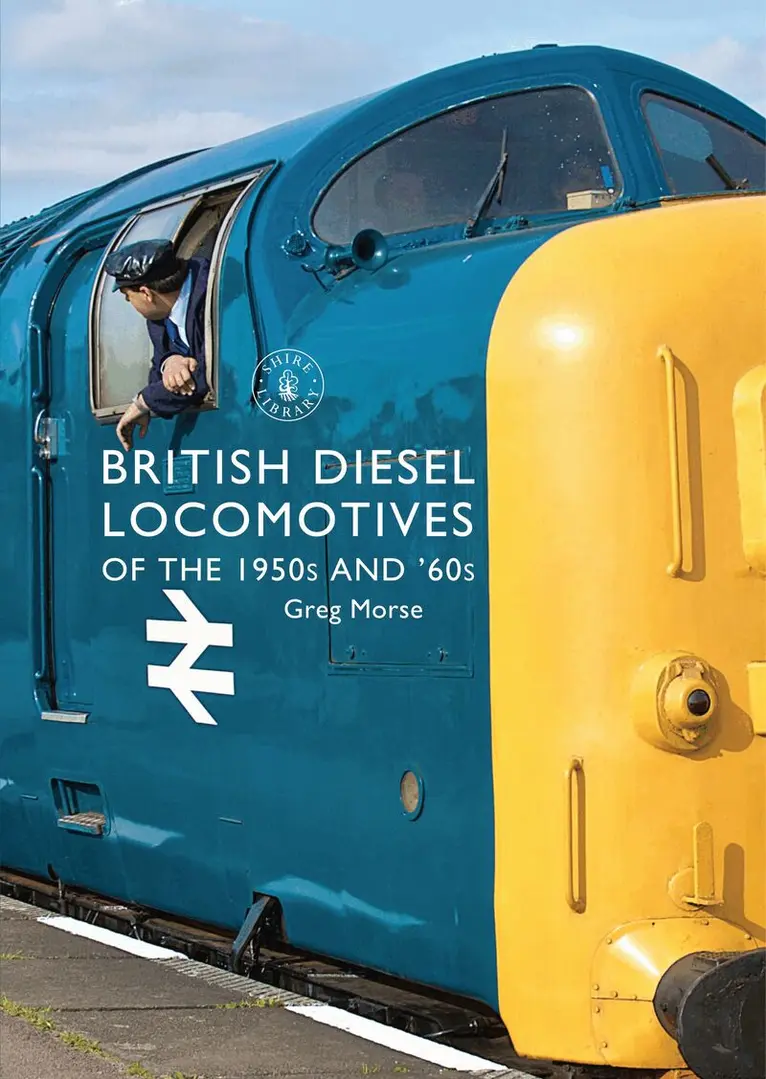
A beautifully illustrated guide to the trains that took over as the Age of Steam was drawing to a close in the 1950s. Ideal for anyone interested in Britain’s railways and the evolution of rail transport.After the Second World War, the drive for the modernisation of Britain’s railways ushered in a new breed of locomotive: the Diesel. Diesel-powered trains had been around for some time, but faced with a coal crisis and the Clean Air Act in the 1950s, it was seen as a part of the solution for British Rail.This beautifully illustrated book, written by an expert on rail history, charts the rise and decline of Britain’s diesel-powered locomotives. It covers a period of great change and experimentation, where the iconic steam engines that had dominated for a century were replaced by a series of modern diesels including the ill-fated ‘Westerns’ and the more successful ‘Deltics’.
1 953 kr
Skickas inom 7-10 vardagar
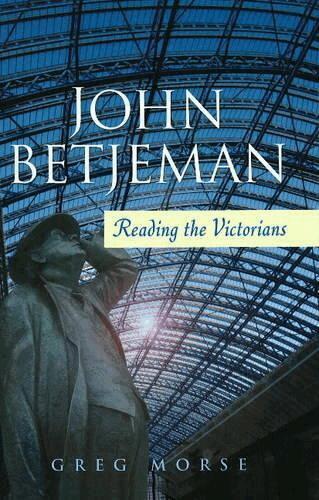
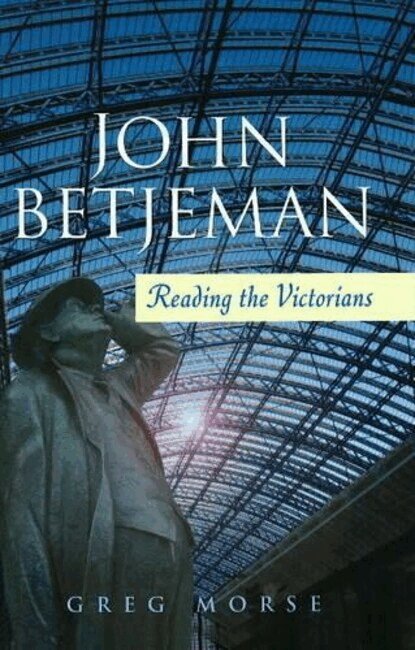
John Betjeman was undoubtedly the most popular Poet Laureate since Tennyson. But beneath the thoroughly modern window on Britain that he opened during his lifetime lay the influence of his nineteenth-century forbears. This book explores his identity through such Victorianism via the verse of that period, but also its architecture, religious faith and -- more importantly -- religious doubt. It was, nevertheless, a process which took time. In the 1930s Betjeman's work was tinted with modernism and traditionalism. He found Victorian buildings 'funny' and wrote much in praise of the Bauhaus style, even though his early poetry was peppered with Victorian references. This leaning was incorporated into a greater sense of purpose during World War 2, when he transformed himself from precious humorist into propagandist. The resulting sense of cohesion grew when the dangers of post-war urban redevelopment heightened the need to critique the present via the poetics of the past, a mood which continued up to and beyond his gaining the Laureateship in 1972. This duty proved to be a millstone, so the 'official' poems are thus explored by the author more fully than hitherto. The conclusion of looks back to Betjeman's 1960 verse-autobiography, 'Summoned by Bells', which is seen as the apogee of his achievement and a snapshot of his identity. Included here is the first critical appreciation of the lyrics embodied within the text, which are taken as a map of the young poet's literary growth. Larkin's 1959 question 'What exactly is Betjeman?' then leads to a final appraisal of his originality, as evidenced by his glances towards postmodernism, feminism, and post-colonialism. The fact is that Betjeman never quite fits in anywhere. He is always a square peg in a round hole or a round peg in a square hole -- often for the sheer enjoyment of so being. In a sense, his desire to be as non-conformist as a Quaker meeting house makes him a radical, rather than the reactionary that his interests imply. He was a champion of beauty and the British Isles, and clearly did much to make us see the worth of our Victorian forebears. Greg Morse's book highlights this important facet of his work.
540 kr
Skickas inom 7-10 vardagar
John Betjeman was undoubtedly the most popular Poet Laureate since Tennyson. But beneath the thoroughly modern window on Britain that he opened during his lifetime lay the influence of his nineteenth-century forbears. This book explores his identity through such Victorianism via the verse of that period, but also its architecture, religious faith and -- more importantly -- religious doubt. It was, nevertheless, a process which took time. In the 1930s Betjeman's work was tinted with modernism and traditionalism. He found Victorian buildings 'funny' and wrote much in praise of the Bauhaus style, even though his early poetry was peppered with Victorian references. This leaning was incorporated into a greater sense of purpose during World War 2, when he transformed himself from precious humorist into propagandist. The resulting sense of cohesion grew when the dangers of post-war urban redevelopment heightened the need to critique the present via the poetics of the past, a mood which continued up to and beyond his gaining the Laureateship in 1972. This duty proved to be a millstone, so the 'official' poems are thus explored by the author more fully than hitherto. The conclusion of looks back to Betjeman's 1960 verse-autobiography, 'Summoned by Bells', which is seen as the apogee of his achievement and a snapshot of his identity. Included here is the first critical appreciation of the lyrics embodied within the text, which are taken as a map of the young poet's literary growth. Larkin's 1959 question 'What exactly is Betjeman?' then leads to a final appraisal of his originality, as evidenced by his glances towards postmodernism, feminism, and post-colonialism. The fact is that Betjeman never quite fits in anywhere. He is always a square peg in a round hole or a round peg in a square hole -- often for the sheer enjoyment of so being. In a sense, his desire to be as non-conformist as a Quaker meeting house makes him a radical, rather than the reactionary that his interests imply. He was a champion of beauty and the British Isles, and clearly did much to make us see the worth of our Victorian forebears. Greg Morse's book highlights this important facet of his work.
Del 1 - Leading Learning
Leading Learning
An anthology of thought provoking essays to guide you beyond the future of learning - Volume 1
Häftad, Engelska, 2026
129 kr
Skickas inom 5-8 vardagar
246 kr
Skickas inom 5-8 vardagar