Greg VanWyngarden – författare
Visar alla böcker från författaren Greg VanWyngarden. Handla med fri frakt och snabb leverans.
15 produkter
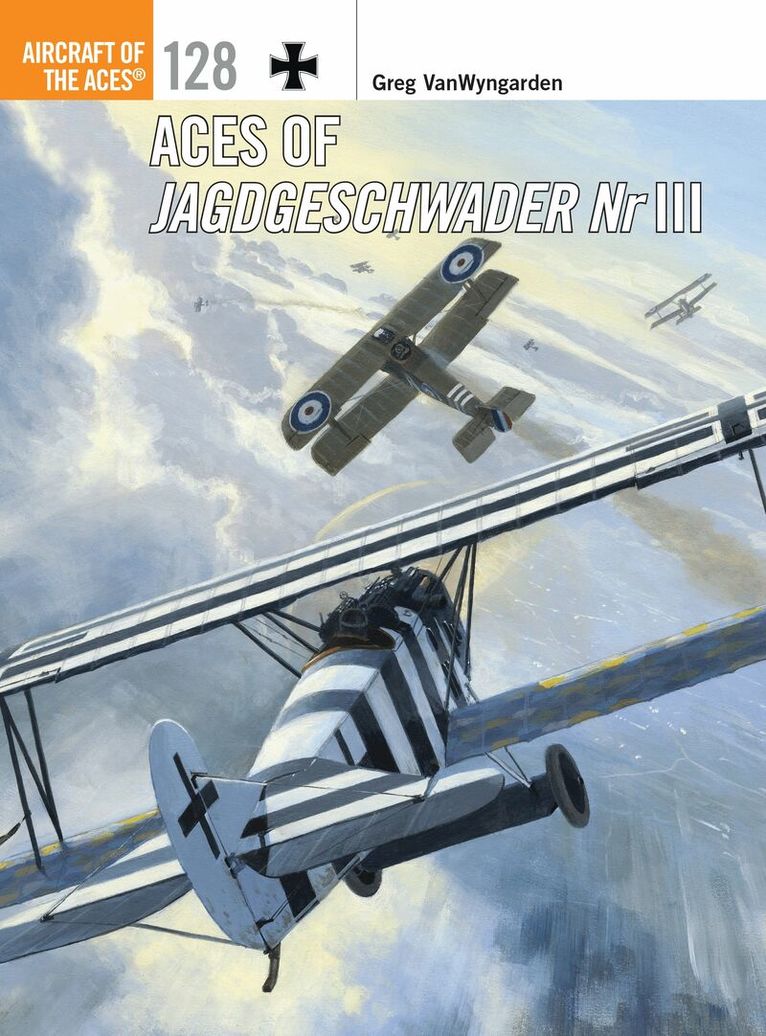
Aces of Jagdgeschwader Nr III
Häftad, 2016
3,0 utav 5 stjärnor. Totalt antal röster: (1)
209 kr
Lägg i varukorg
A history of Royal Prussian Jagdgeschwader Nr III, the third of Germany's vaunted fighter wings to be formed during World War 1.Commanded by the Pour le Mérite winner and well-respected ace Hauptmann Bruno Loerzer for its entire existence, it was composed of the celebrated Jasta 'Boelcke', along …
Aces of Jagdgeschwader Nr III
E-bok, 2016
235 kr
Lägg i varukorg
A history of Royal Prussian Jagdgeschwader Nr III, the third of Germany''s vaunted fighter wings to be formed during World War 1. Commanded by the Pour le Mérite winner and well-respected ace Hauptmann Bruno Loerzer for its entire existence, it was composed of the celebrated Jasta ''Boelcke'', …
Aces of Jagdgeschwader Nr III
E-bok, 2016
238 kr
Lägg i varukorg
A history of Royal Prussian Jagdgeschwader Nr III, the third of Germany''s vaunted fighter wings to be formed during World War 1. Commanded by the Pour le Mérite winner and well-respected ace Hauptmann Bruno Loerzer for its entire existence, it was composed of the celebrated Jasta ''Boelcke'', …
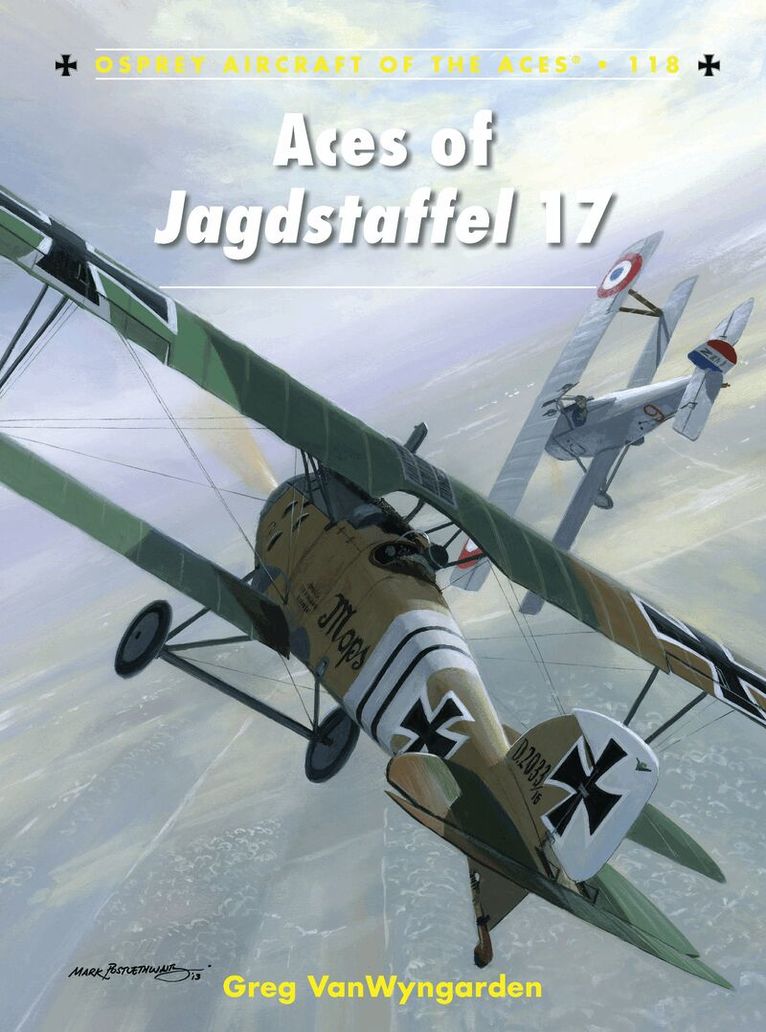
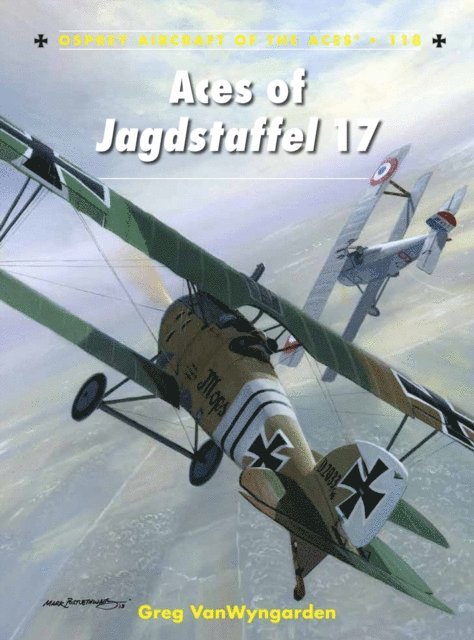
Aces of Jagdstaffel 17
Häftad, 2013
4,0 utav 5 stjärnor. Totalt antal röster: (1)
209 kr
Lägg i varukorg
Initially formed to assist in the defence of the city of Metz against French bombing raids, Royal Prussian Jagdstaffel 17 would go on to become one of the most distinguish German fighter units of World War 1. Its first victory was scored by the pilot whose story is inextricably interwoven with that …
Aces of Jagdstaffel 17
E-bok, 2013
238 kr
Lägg i varukorg
Initially formed to assist in the defence of the city of Metz against French bombing raids, Royal Prussian Jagdstaffel 17 would go on to become one of the most distinguish German fighter units of World War 1. Its first victory was scored by the pilot whose story is inextricably interwoven with that …
Aces of Jagdstaffel 17
E-bok, 2013
238 kr
Lägg i varukorg
Initially formed to assist in the defence of the city of Metz against French bombing raids, Royal Prussian Jagdstaffel 17 would go on to become one of the most distinguish German fighter units of World War 1. Its first victory was scored by the pilot whose story is inextricably interwoven with that …
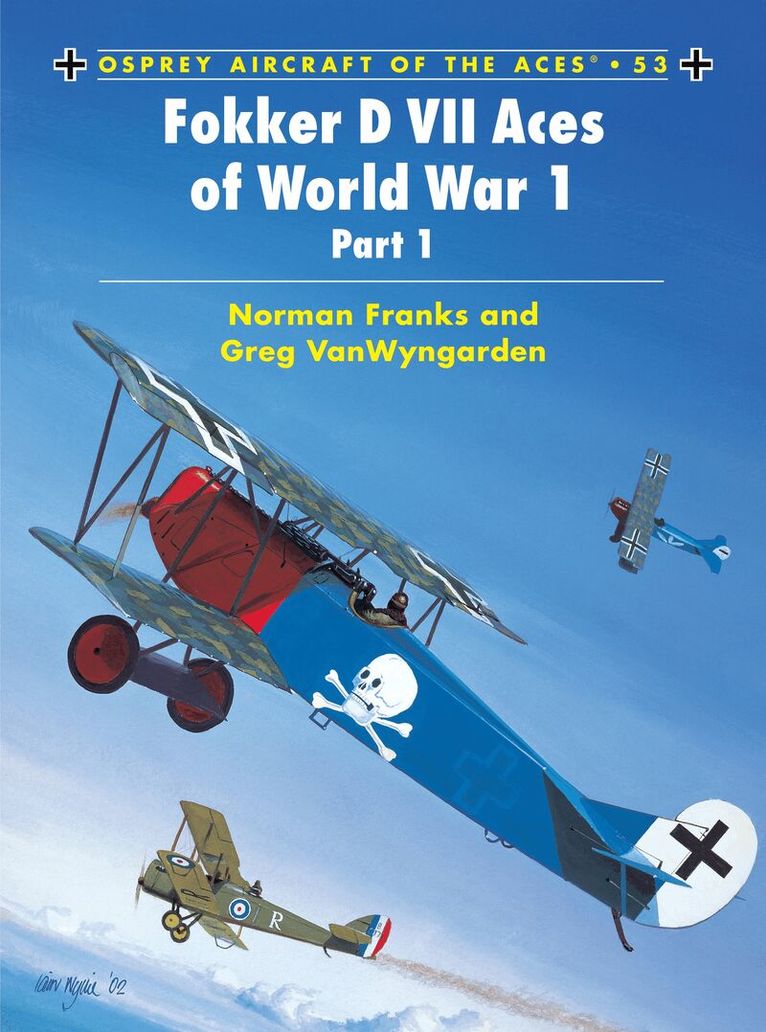
Fokker D VII Aces of World War 1
(part 1)
Av Greg VanWyngarden, Norman Franks
Häftad, 2003
209 kr
Lägg i varukorg
Designed in a great rush to take part in the German standard fighter competition held in January/February 1918, the D VII easily walked away with first prize.As Germany's premier fighter unit, von Richthofens JG I (led by Hermann Göring in the wake of the 'Red Baron's' recent death) received the …
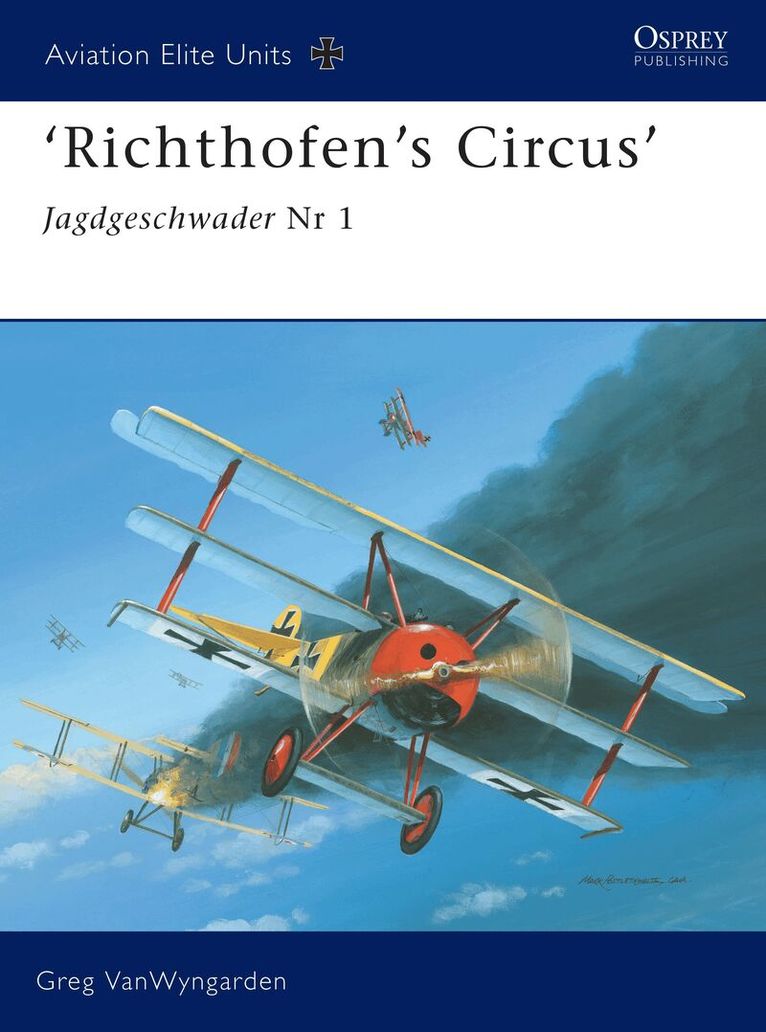
‘Richthofen’s Circus’
Jagdgeschwader Nr 1
Häftad, 2004
4,0 utav 5 stjärnor. Totalt antal röster: (1)
209 kr
Lägg i varukorg
Undoubtedly the most famous of any nation’s aviation units in World War 1 was the legendary Jagdgeschwader Nr 1, or ‘The Flying Circus’ as its respectful foes labelled it.Germany’s first true fighter wing, it would always be associated with its first commander, the charismatic and revered Manfred …
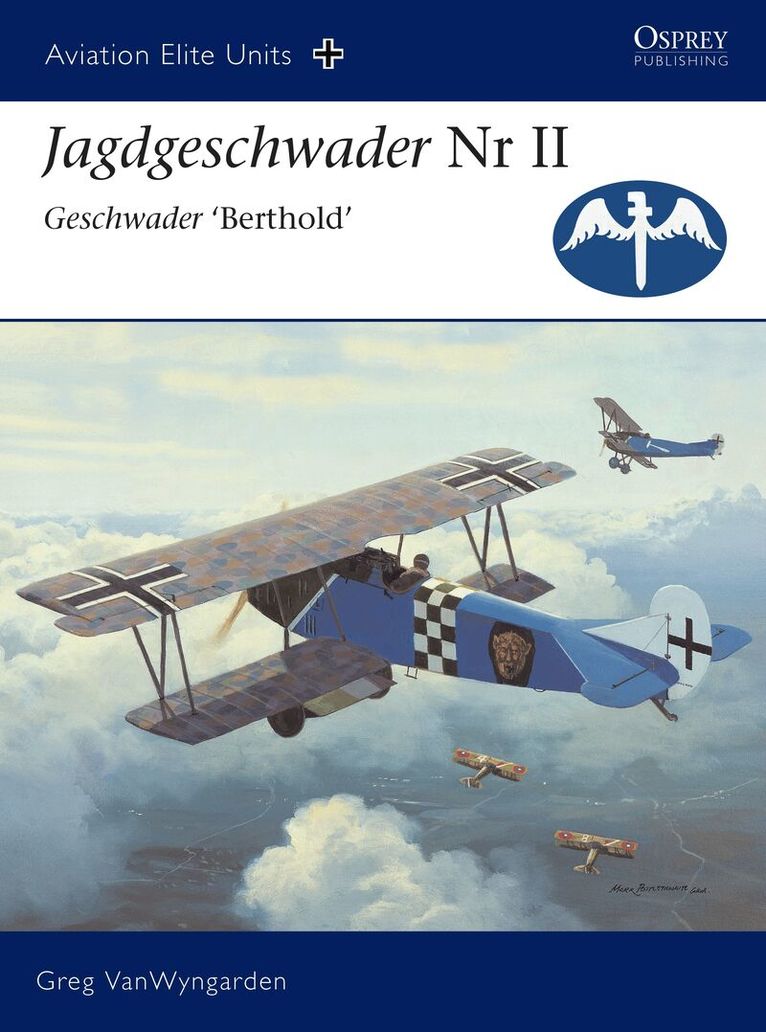
Jagdgeschwader Nr II Geschwader ‘Berthold’
Häftad, 2005
203 kr
Lägg i varukorg
After struggling with inadequate supplies of aircraft and matériel, the veteran pilots of the Geschwader would go on to enjoy incredible successes against French and American opponents in September 1918.Aces who flew the famous blue-fuselaged Fokkers of JG II included such stalwarts as Josef …
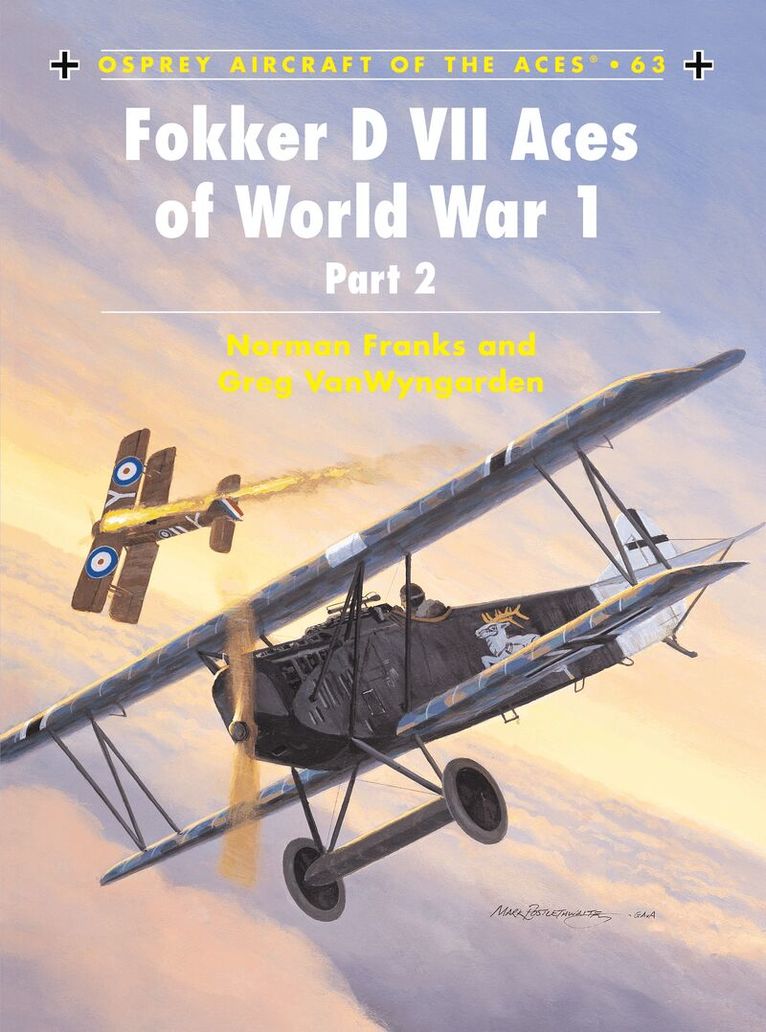
Fokker D VII Aces of World War 1
(part 2)
Av Greg VanWyngarden, Norman Franks
Häftad, 2004
209 kr
Lägg i varukorg
Volume 53 in this series covered Fokker D VII aces from the four elite Jagdgeschwadern of the German army. This follow-on volume charts the story of the many aces who flew the famed fighter in other units committed to combat in the final months of World War 1.D VII operations covered the entire …
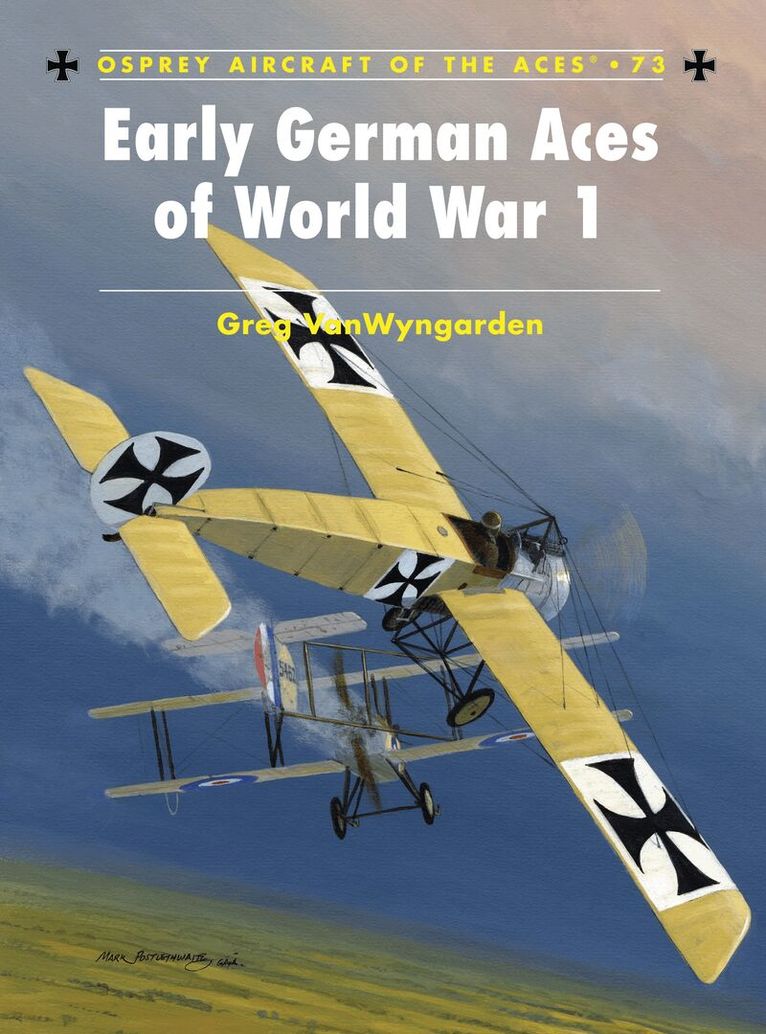
Early German Aces of World War I
Häftad, 2006
209 kr
Lägg i varukorg
The Fokker Eindecker (monoplane) started the true age of fighter aviation.With the development of its revolutionary synchronised machine gun system, the Eindecker caused consternation in the ranks of Allied airmen as its pilots began to reap a grim harvest of victims in 1915. The exploits of aces …
Pfalz Scout Aces of World War 1
Häftad, 2006
209 kr
Lägg i varukorg
The Pfalz Flugzeug Werke, located at Speyer am Rhein in Bavaria, was the third in the great triumvirate (along with Fokker and Albatros) of German fighter manufacturers in the Great War.When World War I broke out in 1914, Pfalz initially produced copies of the Morane-Saulnier parasol monoplanes for …
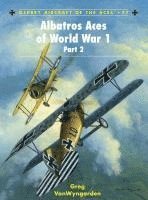
Albatros Aces of World War 1 Part 2
Häftad, 2007
209 kr
Lägg i varukorg
From September 1916 until late 1918, biplanes from the Albatros firm formed the primary equipment of Germany's fighter forces.Starting with the D I of 1916, these aircraft underwent a continuous programme of development and production to the D Va of late 1917. Albatros fighters reached their zenith …
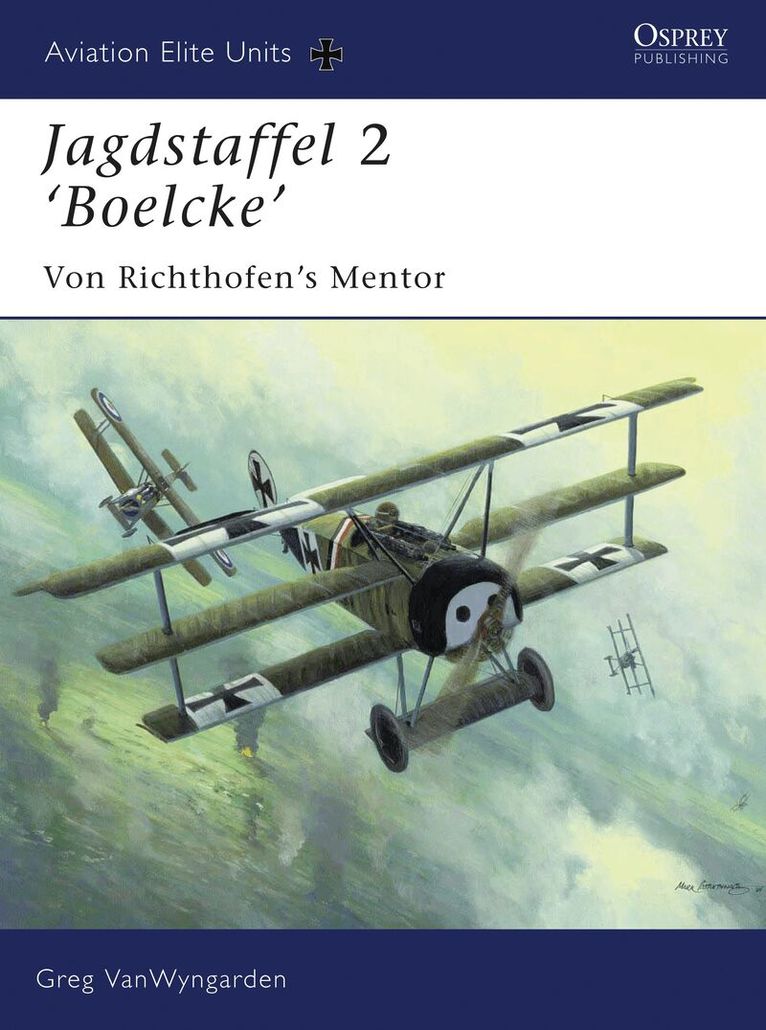
Jagdstaffel 2 ‘Boelcke’
Von Richthofen’s Mentor
Häftad, 2007
209 kr
Lägg i varukorg
By August 1916, the German Air Service was fighting a losing struggle in the skies over the Battle of the Somme. In response, an entirely new type of fighting formation came into being -the Jagdstaffel, a unit designed solely as a fighting squadron.One of the most famous was Jasta 2, formed and led …
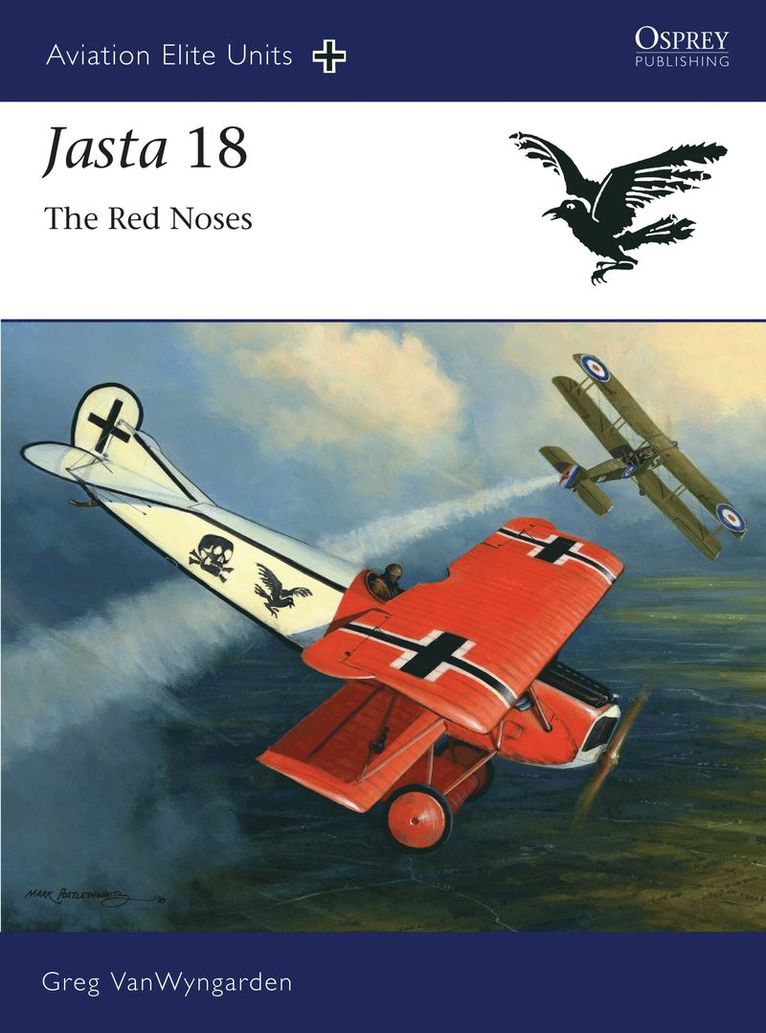
Jasta 18
The Red Noses
Häftad, 2011
209 kr
Lägg i varukorg
The history of Royal Prussian Jagdstaffel (or Jasta) 18 is one of the more unique and complex of German fighter squadrons of World War I.In fact, the unit could be said to have had something of a 'split personality'. Formed in Flanders at the end of October 1916, the Jasta was first commanded by …