Norman Franks – författare
Visar alla böcker från författaren Norman Franks. Handla med fri frakt och snabb leverans.
52 produkter
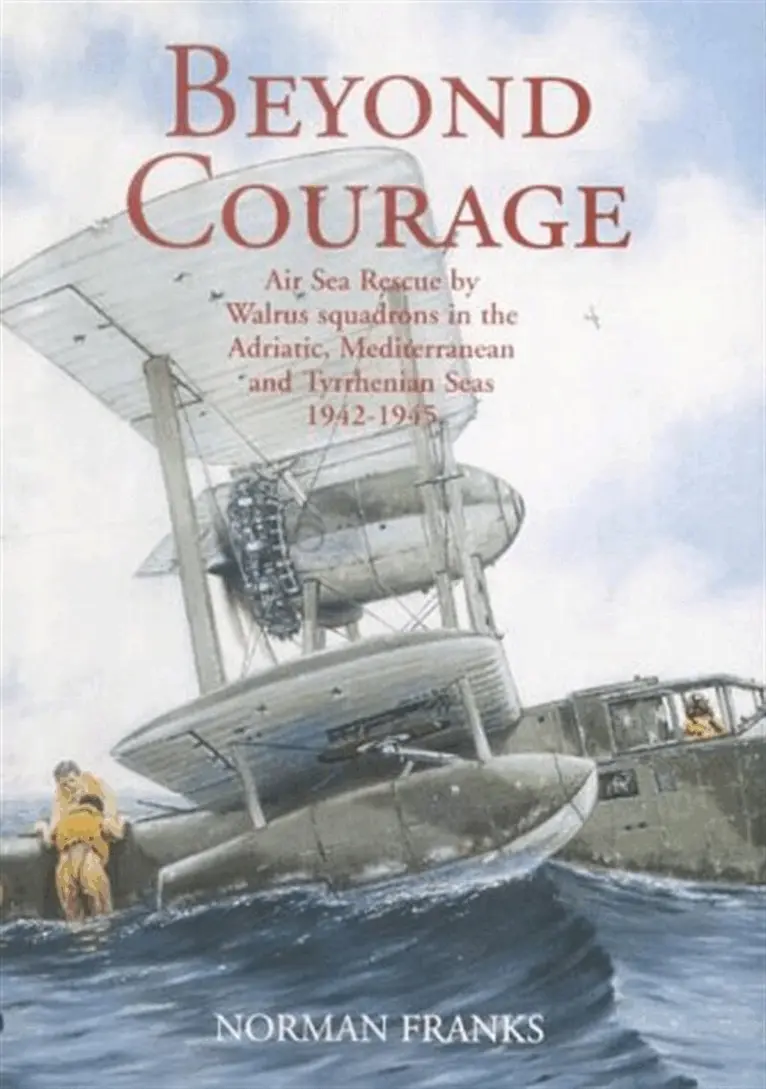
BEYOND COURAGE
Air Sea Rescue by Walrus Squadrons in the Adriatic, Mediterranean and Tyrrhenian Seas 1942–1945
E-bok, 2021
127 kr
Lägg i varukorg
This new book covers the adventures of 283, 284, 293 and 294 Walrus Squadrons, operating from North Africa, Sicily, Italy and Sardinia. The pilots, like their counterparts in England, knew of the dangers of landing on the sea. It was a daunting task attempting to rescue downed airmen as they had …
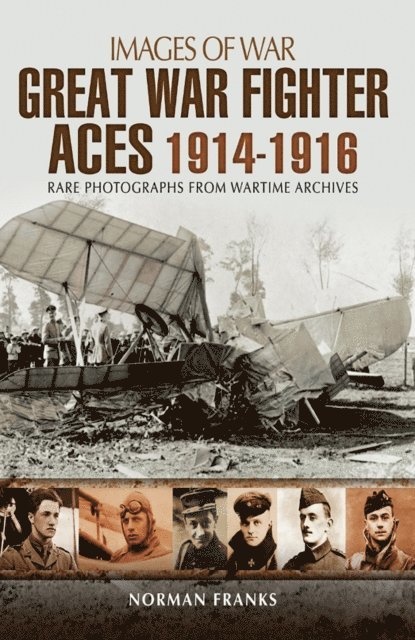
Great War Fighter Aces, 1914-1916
E-bok, 2014
132 kr
Lägg i varukorg
Here, Norman Franks tells the story, in words and images, of the emergence of some of the greatest fighter aces to see action during the first half of the First World War. He explores the manner in which the situation developed from late 1914 to the late summer of 1916, the point at which Oswald …
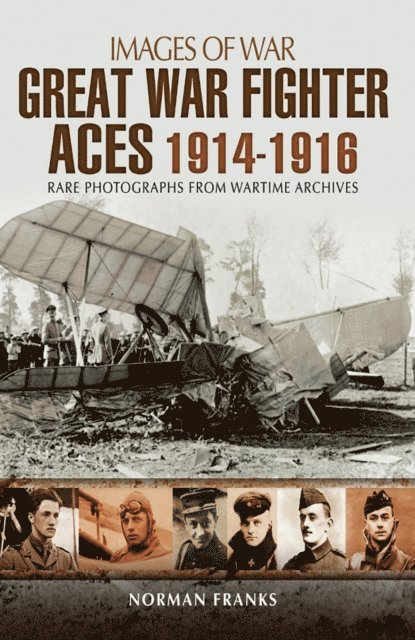
Great War Fighter Aces, 1914-1916
E-bok, 2014
132 kr
Lägg i varukorg
Here, Norman Franks tells the story, in words and images, of the emergence of some of the greatest fighter aces to see action during the first half of the First World War. He explores the manner in which the situation developed from late 1914 to the late summer of 1916, the point at which Oswald …
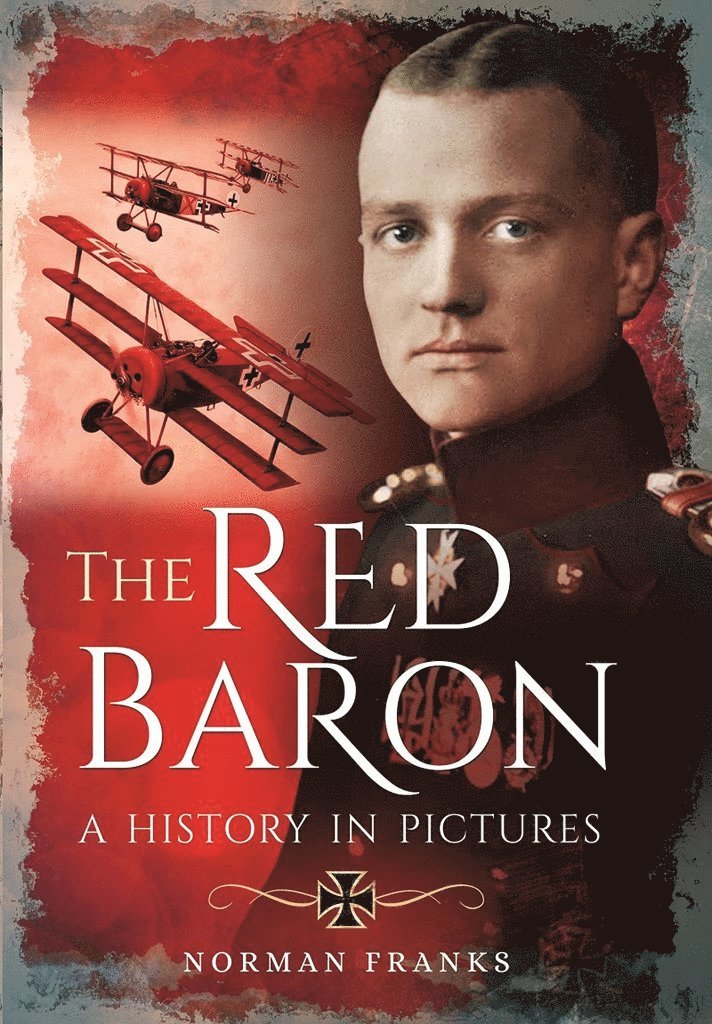
Red Baron
A History in Pictures
Häftad, 2022
172 kr
Lägg i varukorg
Manfred von Richthofen, the iconic Red Baron, has remained at the forefront of First World War studies ever since he became recognised as one of the most illustrious fighter pilot aces of the conflict. As we approach the centenary anniversary of his death and the ending of the Great War, it seems …
SE 5/5a Aces of World War I
E-bok, 2013
235 kr
Lägg i varukorg
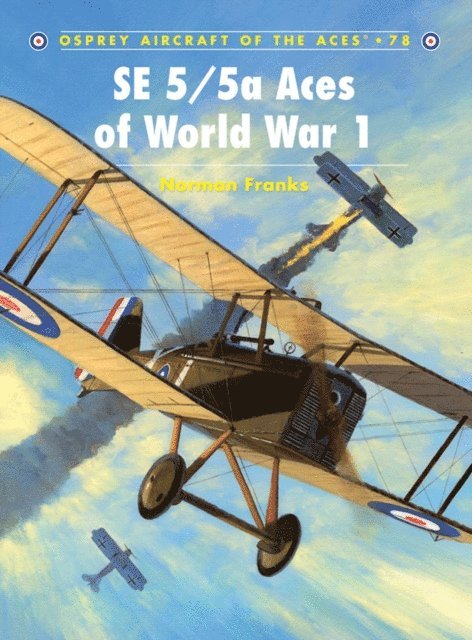
The Royal Aircraft Factory SE 5/5a was, along with the Sopwith Camel, the major British fighting scout of the last 18 months of the war in France. It equipped several major squadrons, the first being No 56 Sqn in April 1917. This unit became famous for the number of aces it had among its pilots, …
SE 5/5a Aces of World War I
E-bok, 2013
243 kr
Lägg i varukorg
The Royal Aircraft Factory SE 5/5a was, along with the Sopwith Camel, the major British fighting scout of the last 18 months of the war in France. It equipped several major squadrons, the first being No 56 Sqn in April 1917. This unit became famous for the number of aces it had among its pilots, …
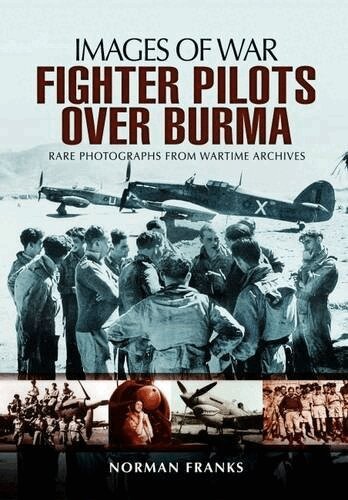
RAF Fighter Pilots Over Burma
E-bok, 2021
127 kr
Lägg i varukorg
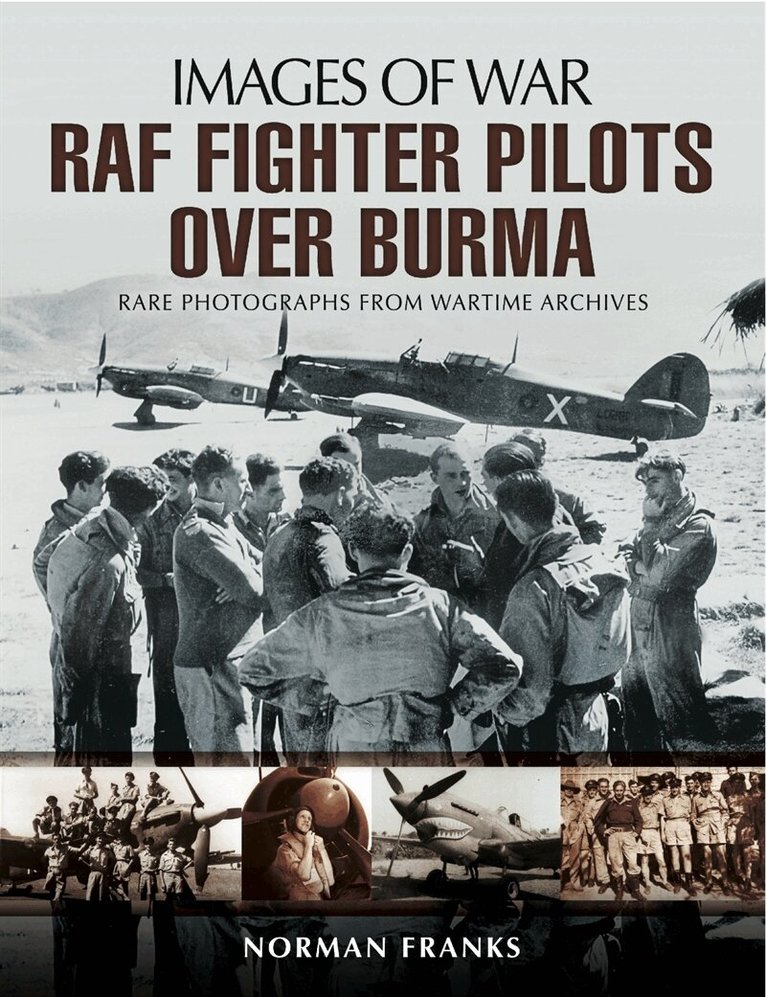
It is a recognized fact that, had the war gone badly for the Allies on the India/Burma front, and had the Japanese succeeded in invading the Indian Continent, the outcome of the war would have been entirely different. Yet despite this, the campaign on the Burma front is offered surprisingly scant …
Coastal Command's Air War Against the German U-Boats
E-bok, 2021
127 kr
Lägg i varukorg
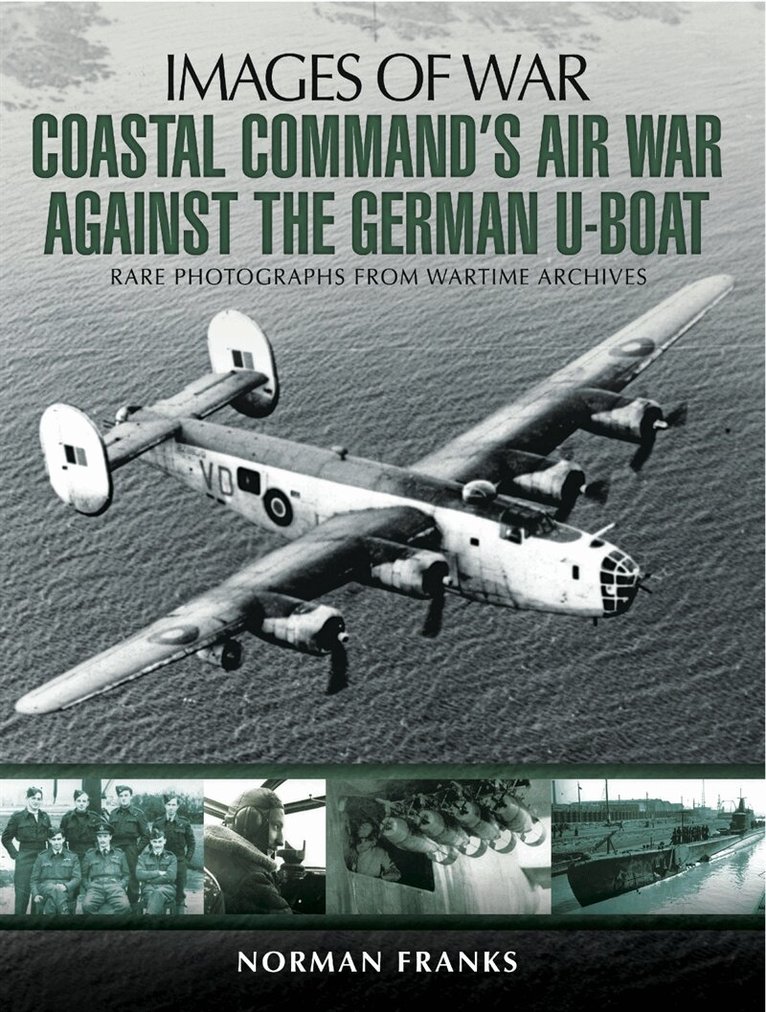
This book summarises the story of how RAF Coastal Command overcame the German U-boat danger during the Second World War and how the escalation of the U-boat war promoted the development of anti-submarine warfare, leading to victory over this menace in the Atlantic. At the start of the war, RAF …
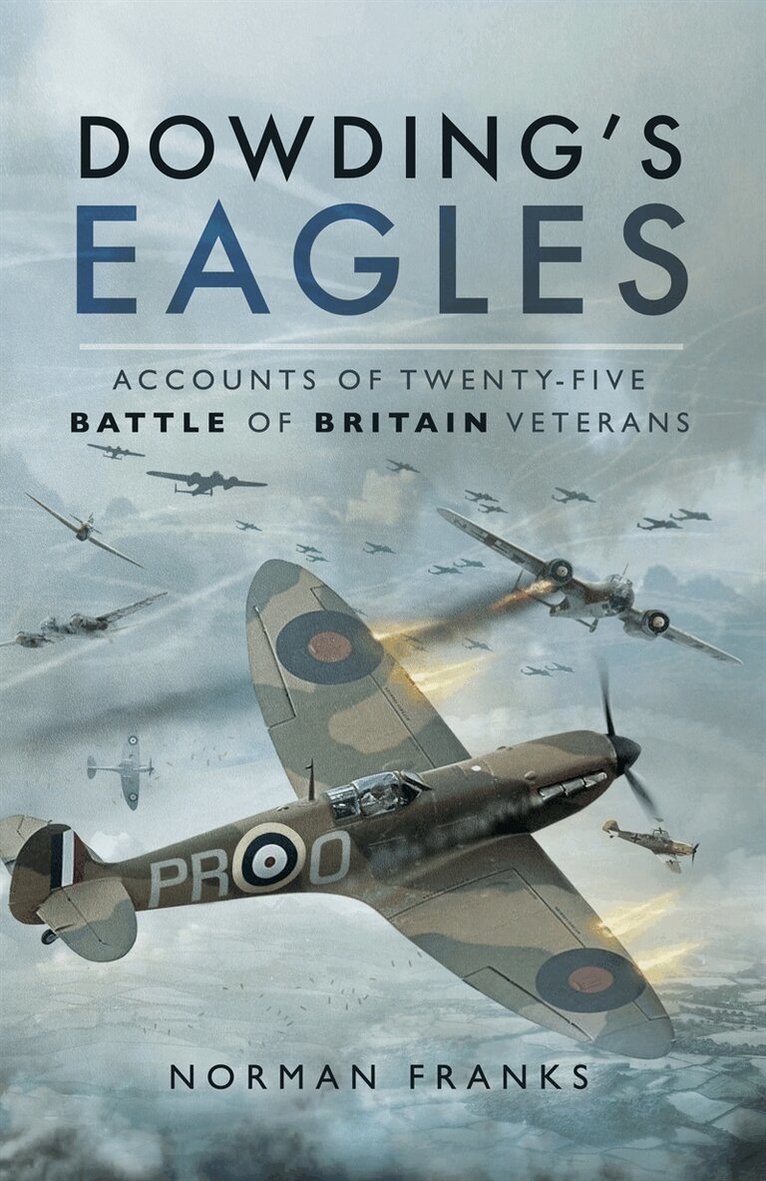
Dowding's Eagles
Accounts of Twenty-Five Battle of Britain Veterans
E-bok, 2021
127 kr
Lägg i varukorg
The Battle of Britain fought by The Few, as Churchill famously called them, will remain a legendary feat of arms for centuries to come. Sadly there remain only a handful today who can tell their stories so this collection of personal accounts is extremely timely. The Author has over the years …
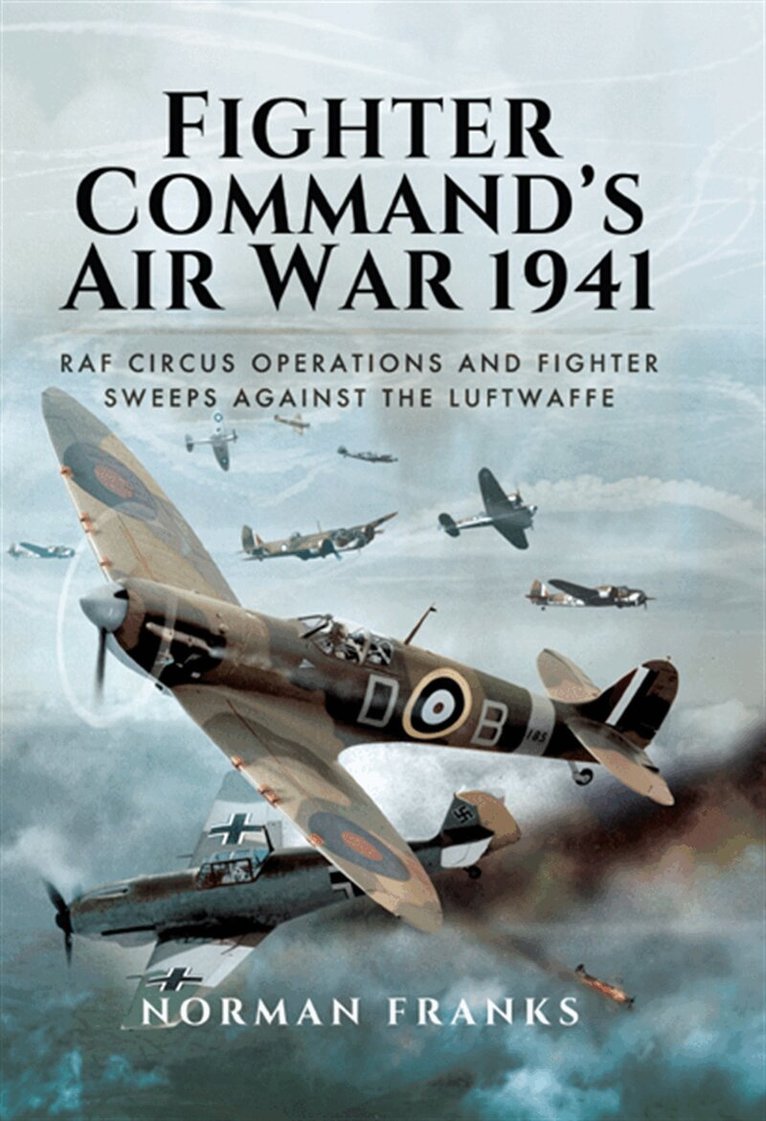
Fighter Command’s Air War 1941
RAF Circus Operations and Fighter Sweeps Against the Luftwaffe
E-bok, 2021
127 kr
Lägg i varukorg
Following the Battle of Britain, the RAF started taking the air war to the Germans. A small number of bombers, escorted by large numbers of fighters tried to force the Luftwaffe into battle. Much air combat ensued with RAF light bombers escorted by scores of fighters, but it was not until Germany …
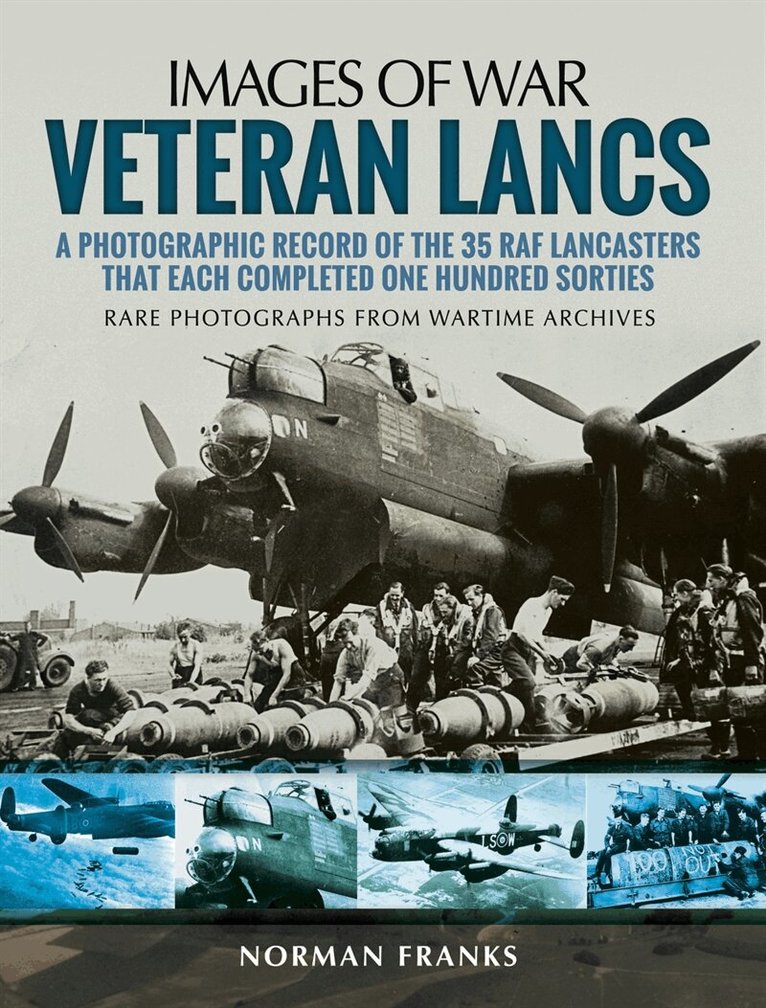
Veteran Lancs
A Photographic Record of the 35 RAF Lancasters that Each Completed One Hundred Sorties
E-bok, 2021
127 kr
Lägg i varukorg
Aviation historians will know that the Avro Lancaster bomber is the most famous aircraft to have fought with RAF Bomber Command during World War Two. They will know too that, of the 7,366 that were built, over 3,400 were lost on operations and a further 200 plus were destroyed and written-off in …
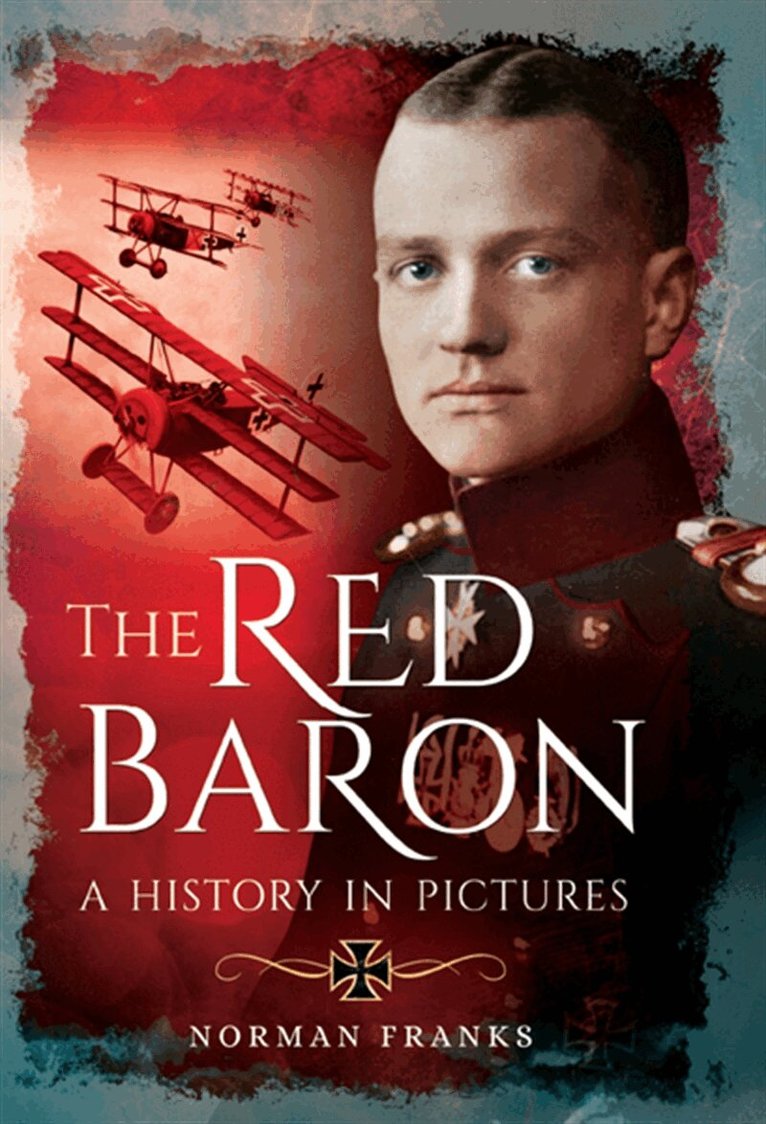
The Red Baron
A History in Pictures
E-bok, 2021
131 kr
Lägg i varukorg
Keen First World War aviation enthusiasts will be familiar with Norman Franks’ previous books covering the life of Rittmeister Manfred Freiherr von Richthofen, so why this new one? Well Manfred, the iconic Red Baron, has constantly remained at the forefront of First World War studies and, in …
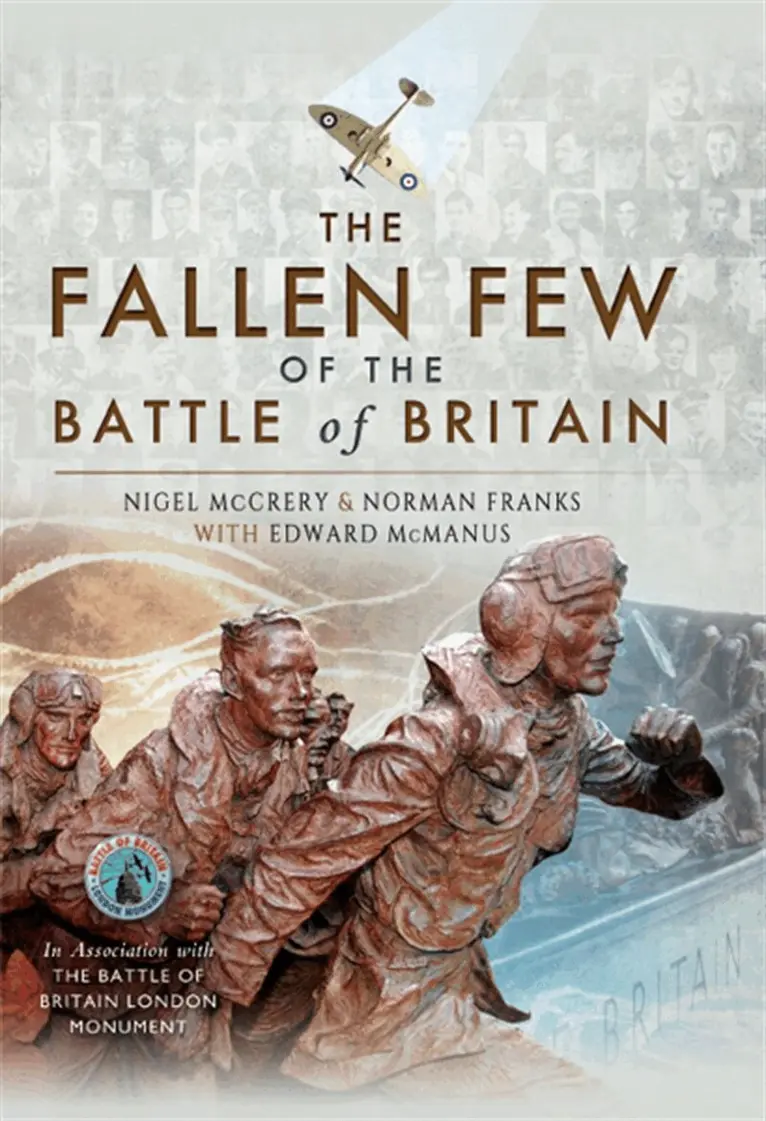
The Fallen Few of the Battle of Britain
Av Norman Franks, Nigel McCrery
E-bok, 2021
127 kr
Lägg i varukorg
'Never in the field of human conflict was so much owed by so many to so few' – Seventy-five years on the unforgettable words of Winston Churchill ring as powerfully as they did in August 1940 when the young men of the RAF stood as the last line of defence against Hitler's far more powerful …
Sopwith Camels Over Italy, 1917-1918
Häftad, 2018
167 kr
Lägg i varukorg
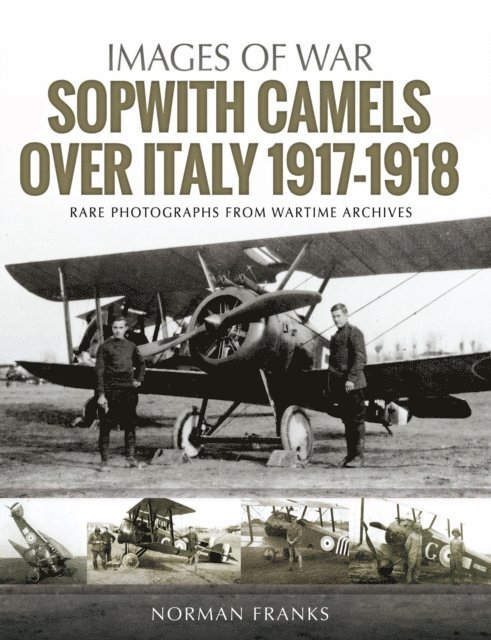
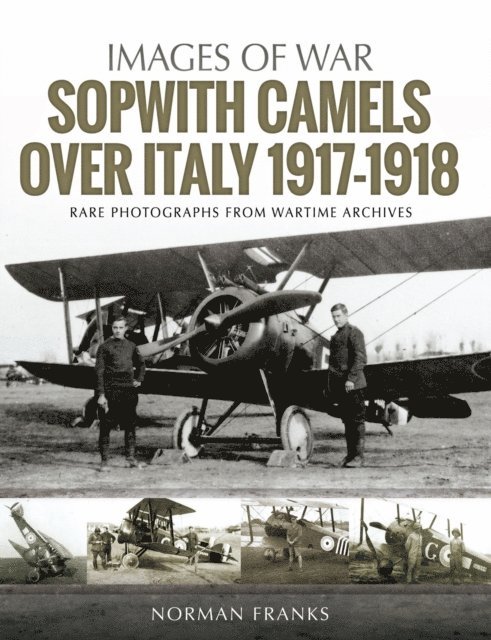
During the First World War, Italy was on the side of their British Allies and their fight was against the Austro-Hungarian Empire, bordering on Austria. In October 1917, the Austro-Hungarians managed to push the Italians back during the battle of Caporetto. With the danger signs obvious, both …
Sopwith Camels Over Italy, 1917-1918
E-bok, 2018
15 kr
Lägg i varukorg
During the First World War, Italy was on the side of their British Allies and their fight was against the Austro-Hungarian Empire, bordering on Austria. In October 1917, the Austro-Hungarians managed to push the Italians back during the battle of Caporetto. With the danger signs obvious, both …
Sopwith Camels Over Italy, 1917-1918
E-bok, 2018
15 kr
Lägg i varukorg
During the First World War, Italy was on the side of their British Allies and their fight was against the Austro-Hungarian Empire, bordering on Austria. In October 1917, the Austro-Hungarians managed to push the Italians back during the battle of Caporetto. With the danger signs obvious, both …
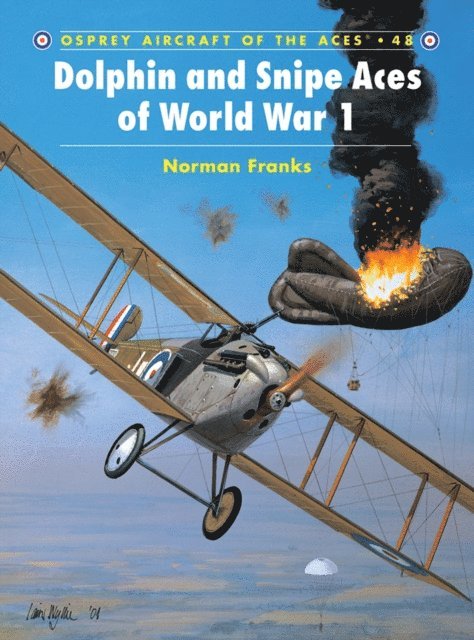
Dolphin and Snipe Aces of World War 1
E-bok, 2012
243 kr
Lägg i varukorg
This book focuses on the combat careers of the last of the famous Sopwith fighters to enter service during World War 1, the Dolphin and the Snipe, both of which were built on the strong scouting heritage of the Pup and Camel. The Dolphin featured the unique negative-staggered biplane wing …
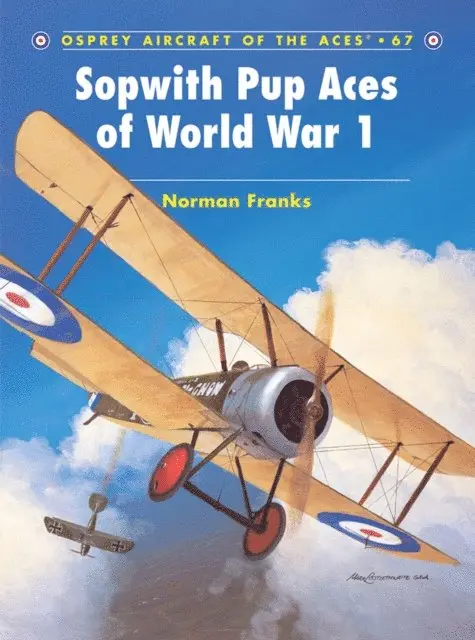
Sopwith Pup Aces of World War 1
E-bok, 2012
243 kr
Lägg i varukorg
An illustrated history of the Pup, the forerunner of the hugely successful Sopwith Camel, and the aces that flew it. The first proper British fighting scout, the first Pups – the Royal Naval Air Service – arrived on the Western Front in 1916. Although regarded as a ''nice'' aeroplane to fly, pilots …
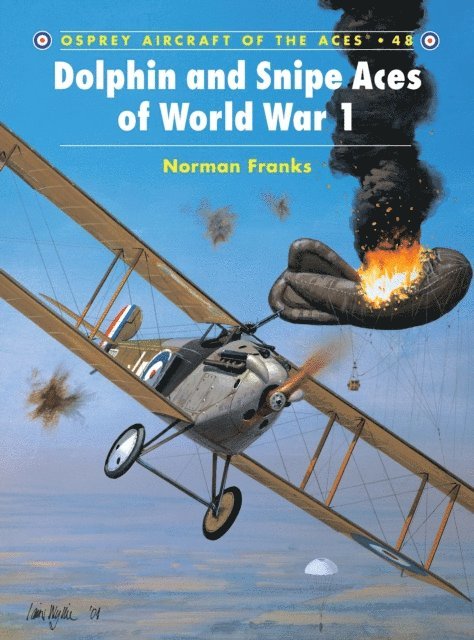
Dolphin and Snipe Aces of World War 1
E-bok, 2012
243 kr
Lägg i varukorg
This book focuses on the combat careers of the last of the famous Sopwith fighters to enter service during World War 1, the Dolphin and the Snipe, both of which were built on the strong scouting heritage of the Pup and Camel. The Dolphin featured the unique negative-staggered biplane wing …
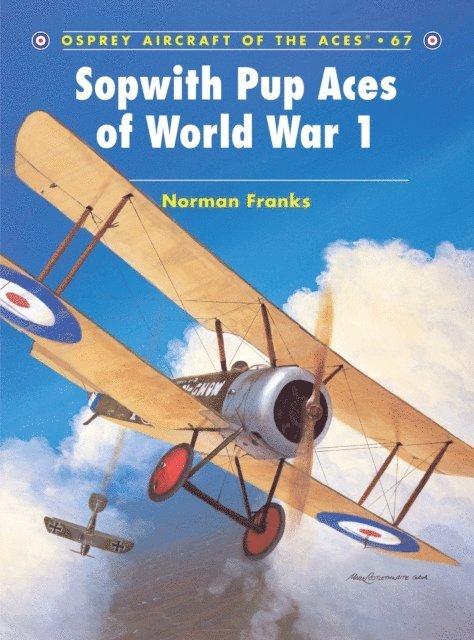
Sopwith Pup Aces of World War 1
E-bok, 2012
238 kr
Lägg i varukorg
An illustrated history of the Pup, the forerunner of the hugely successful Sopwith Camel, and the aces that flew it. The first proper British fighting scout, the first Pups – the Royal Naval Air Service – arrived on the Western Front in 1916. Although regarded as a ''nice'' aeroplane to fly, pilots …
RAF Fighter Pilots Over Burma: Images of War
Häftad, 2013
171 kr
Lägg i varukorg
It is a recognized fact that, had the war gone badly for the Allies on the India/Burma front, and had the Japanese succeeded in invading the Indian Continent, the outcome of the war would have been entirely different. Yet despite this, the campaign on the Burma front is offered surprisingly scant …
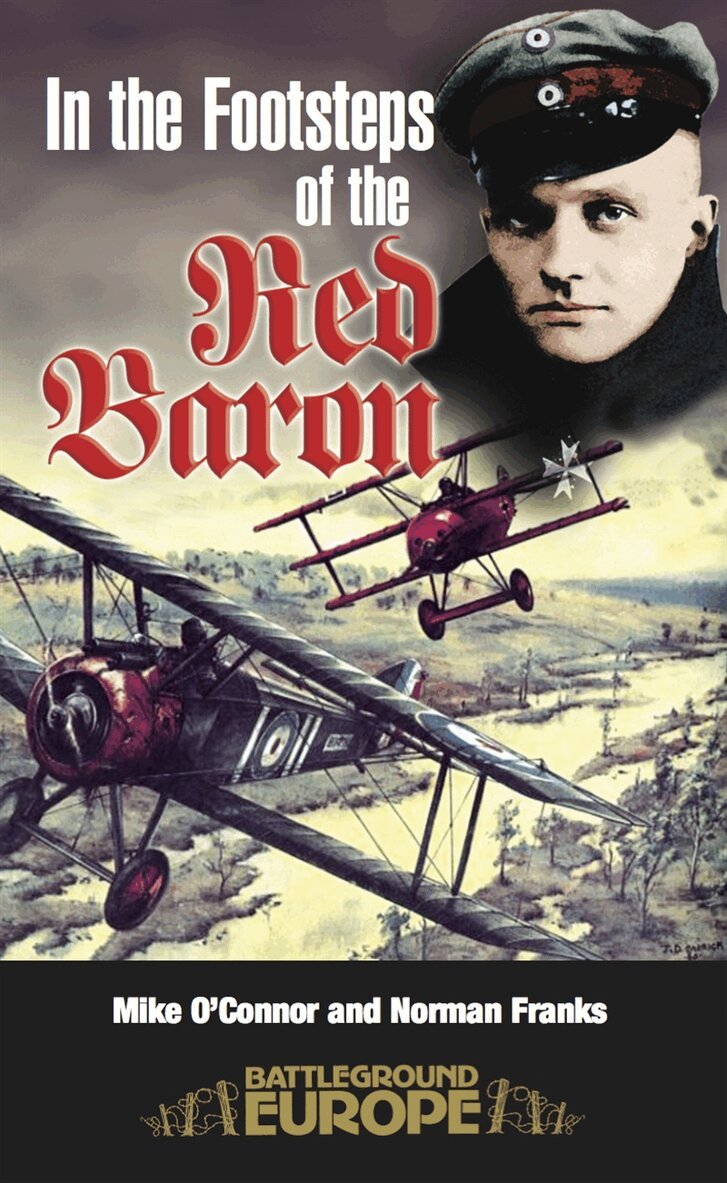
In the Footsteps of the Red Baron
Av Norman Franks, Mike O'Connor
E-bok, 2021
127 kr
Lägg i varukorg
Manfred von Richthofen became a fighter pilot on the Western Front in August 1916. By January 1917, Richthofen had shot down fifteen aircraft had been appointed commander of his own unit. He painted the fuselage of his Albatros D-III a bright red and was nicknamed the Red Baron. In June 1917, …
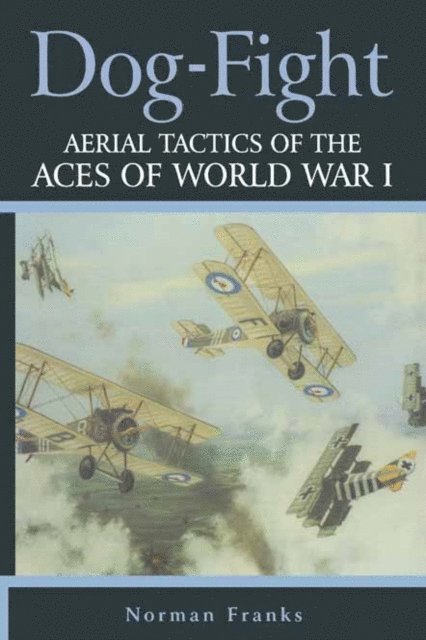
Dog Fight
Aerial Tactics of the Aces of World War I
E-bok, 2003
158 kr
Lägg i varukorg
The history of WWI aviation is a rich and varied story marked by the evolution of aircraft from slow moving, fragile, and unreliable powered kites, into quick, agile, sturdy fighter craft. At the same time there emerged a new kind of ''soldier'', the fighter pilots whose individual cunning and …
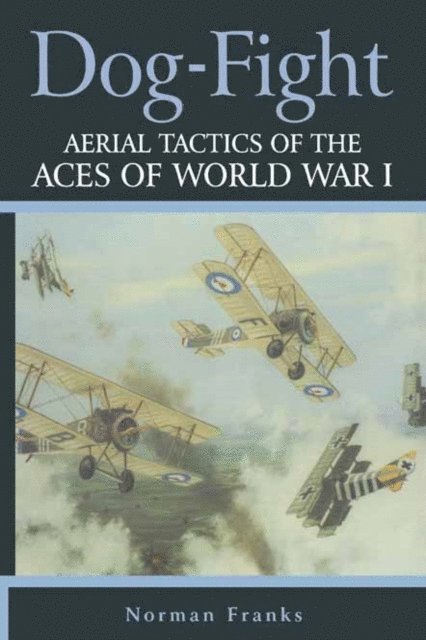
Dog Fight
Aerial Tactics of the Aces of World War I
E-bok, 2003
162 kr
Lägg i varukorg
The history of WWI aviation is a rich and varied story marked by the evolution of aircraft from slow moving, fragile, and unreliable powered kites, into quick, agile, sturdy fighter craft. At the same time there emerged a new kind of 'soldier', the fighter pilots whose individual cunning and …
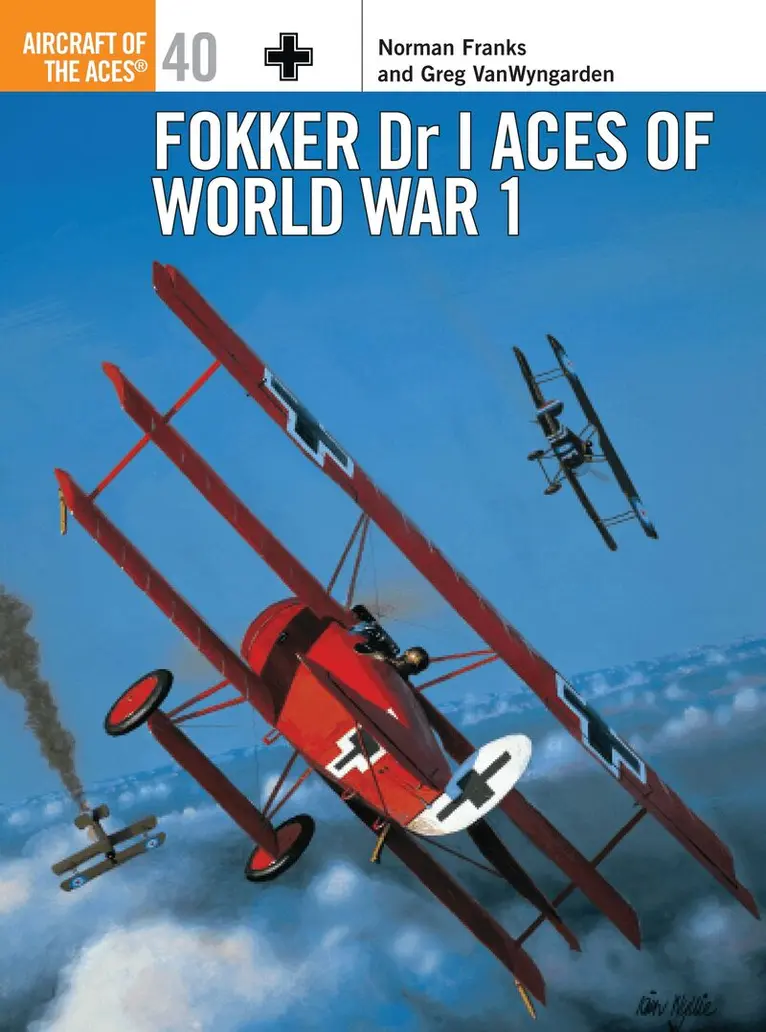
Fokker Dr I Aces of World War 1
Häftad, 2001
209 kr
Lägg i varukorg
Undoubtedly the most famous fighter type to see service on either side during World War 1, the Fokker Dr I was a revelation when it entered service on the western front in 1917.Manfred von Richthofen’s JG 1 ‘circus’ was the first Jasta to completely re-equip with the new fighter, and in the skilled …
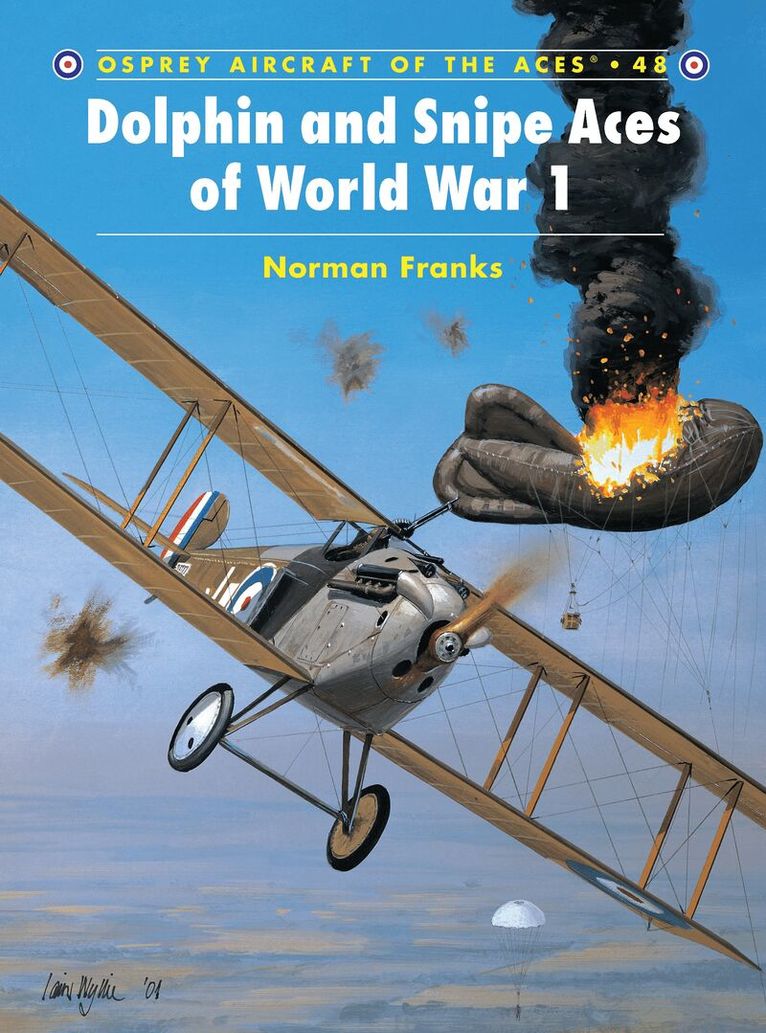
Dolphin and Snipe Aces of World War 1
Häftad, 2002
209 kr
Lägg i varukorg
This book focuses on the combat careers of the last of the famous Sopwith fighters to enter service during World War 1, the Dolphin and the Snipe, both of which were built on the strong scouting heritage of the Pup and Camel.The Dolphin featured the unique negative-staggered biplane wing …
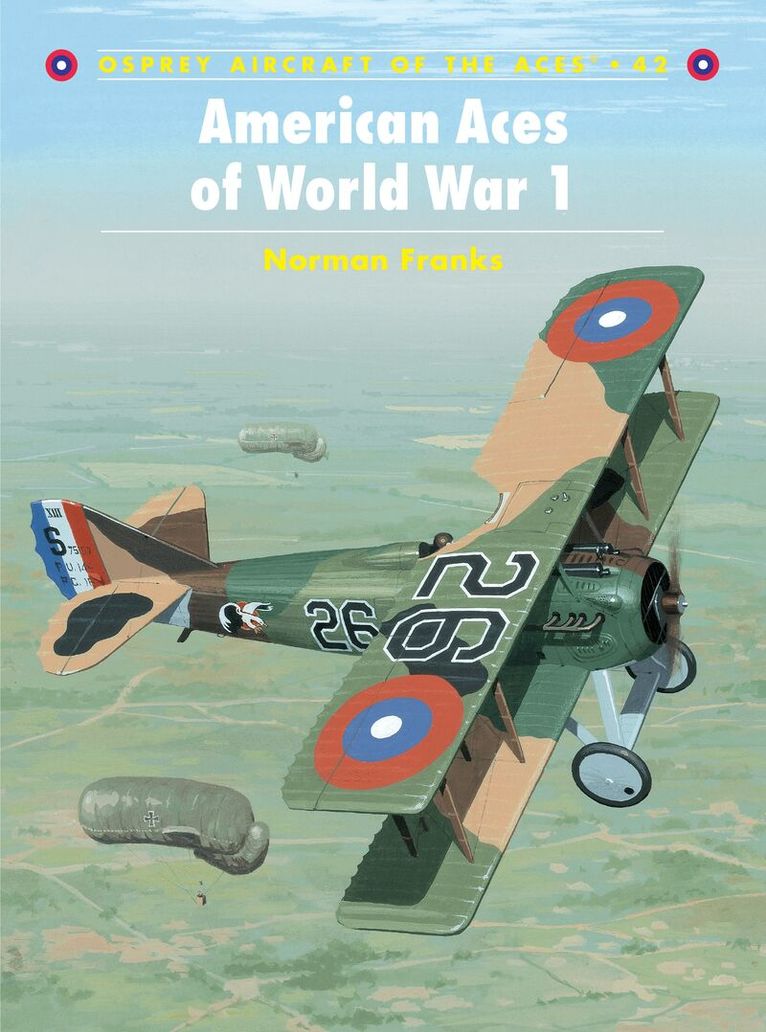
American Aces of World War 1
Häftad, 2001
209 kr
Lägg i varukorg
American fliers arriving in Europe from September 1917 brought with them no aircraft.Instead, US units had to obtain machines mainly from the British and French. From early 1918 American pilots were issued with SPAD fighters and they never looked back.This compact book examines the American aces, …
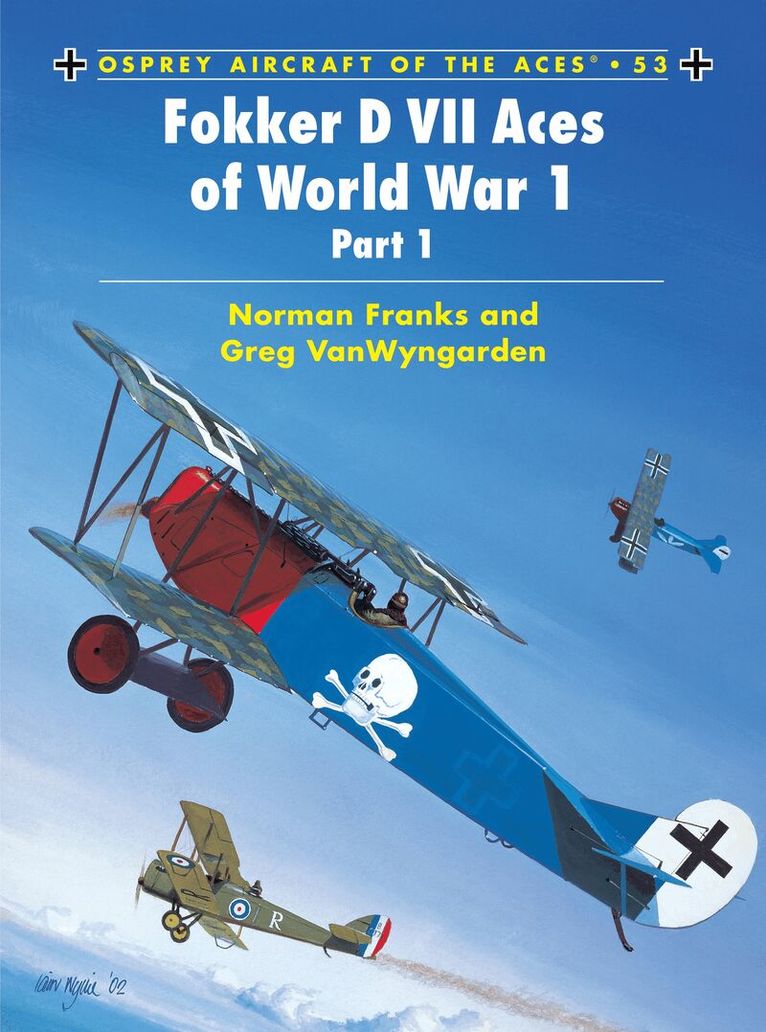
Fokker D VII Aces of World War 1
(part 1)
Av Greg VanWyngarden, Norman Franks
Häftad, 2003
209 kr
Lägg i varukorg
Designed in a great rush to take part in the German standard fighter competition held in January/February 1918, the D VII easily walked away with first prize.As Germany's premier fighter unit, von Richthofens JG I (led by Hermann Göring in the wake of the 'Red Baron's' recent death) received the …
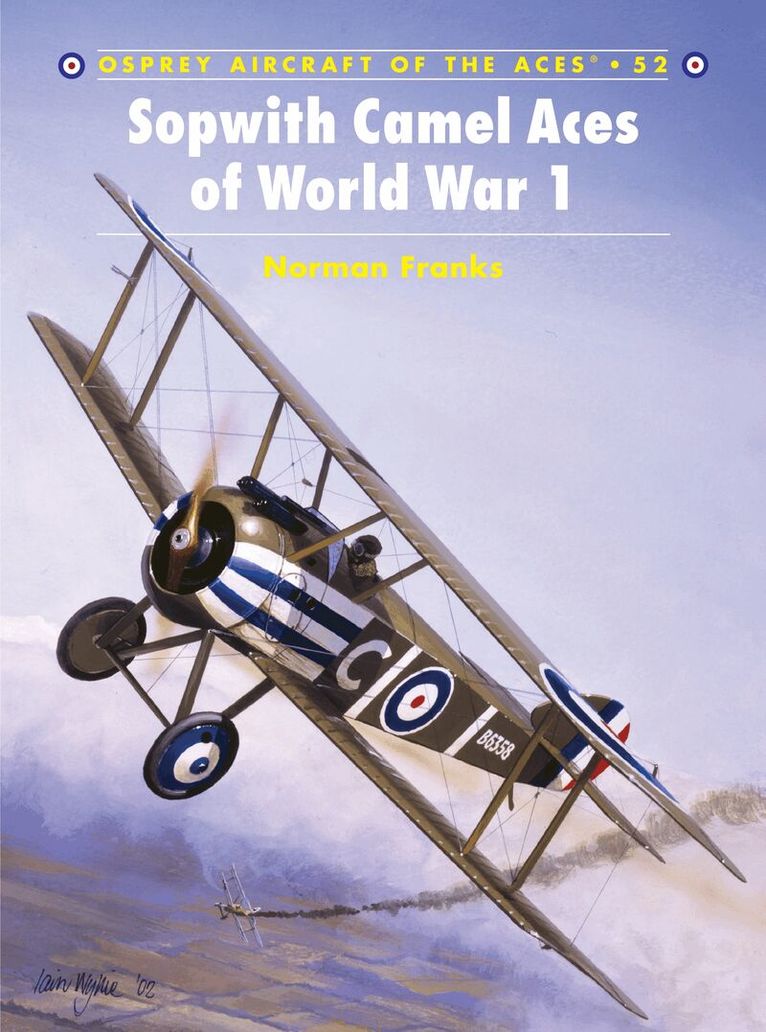
Sopwith Camel Aces of World War 1
Häftad, 2003
209 kr
Lägg i varukorg
Featuring photographs throughout, this book tells the story of the aces that flew this well-known type around the world.Responsible for destroying 1294 enemy aircraft between June 1917 and November 1918, the Camel was the most successful fighting scout employed by either side in terms of the sheer …
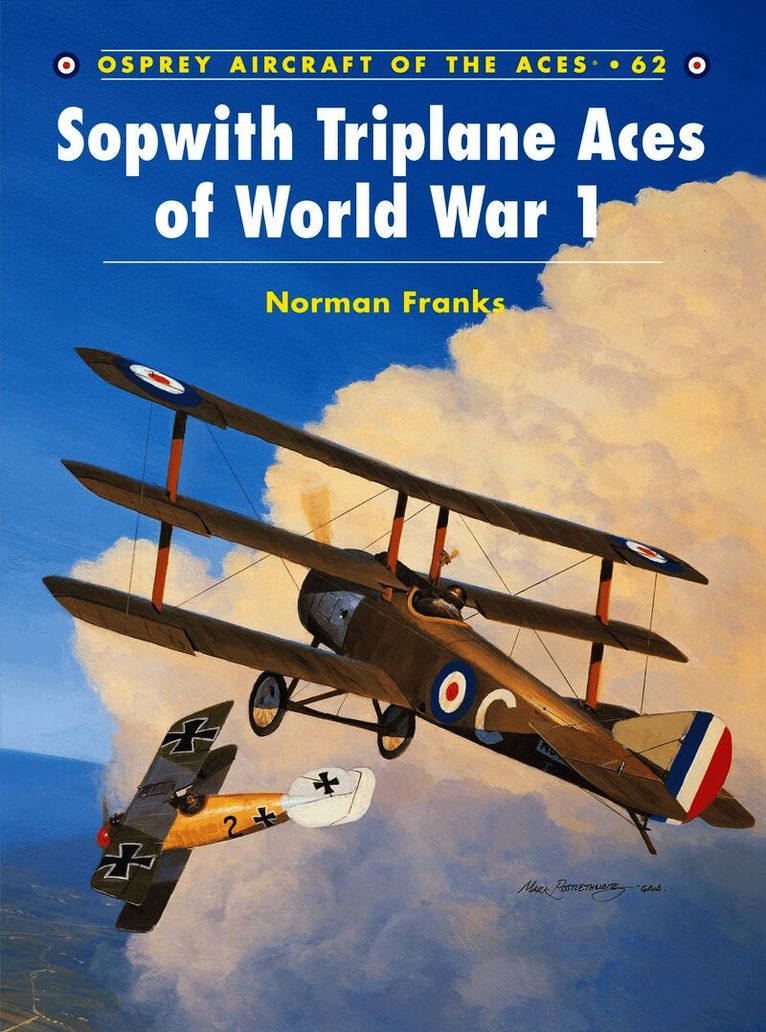
Sopwith Triplane Aces of World War 1
Häftad, 2004
209 kr
Lägg i varukorg
The inspiration behind the iconic Fokker Dr I, Sopwith's Triplane was built as a replacement for the company's hugely successful, and much loved, Pup.Thanks to its massive wing area, the revolutionary Triplane boasted an unmatched rate of climb and greatly improved manoeuvrability. Indeed, when the …