Gregg Hecimovich – författare
Visar alla böcker från författaren Gregg Hecimovich. Handla med fri frakt och snabb leverans.
5 produkter
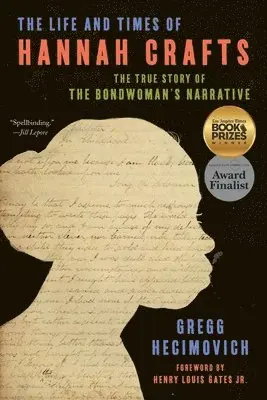
The Life and Times of Hannah Crafts: The True Story of the Bondwoman's Narrative
Häftad, 2024
274 kr
Lägg i varukorg
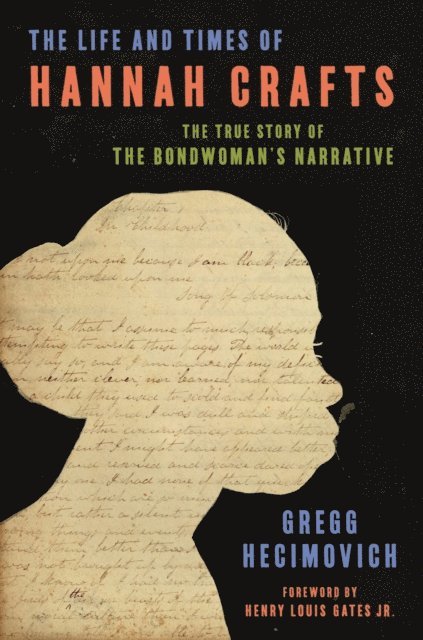
Life and Times of Hannah Crafts
The True Story of The Bondwoman's Narrative
E-bok, 2023
338 kr
Lägg i varukorg
A groundbreaking study of the first Black female novelist and her life as an enslaved woman, from the biographer who solved the mystery of her identity, with a preface by Henry Louis Gates Jr.In 1857, a woman escaped enslavement on a North Carolina plantation and fled to a farm in New York. In …
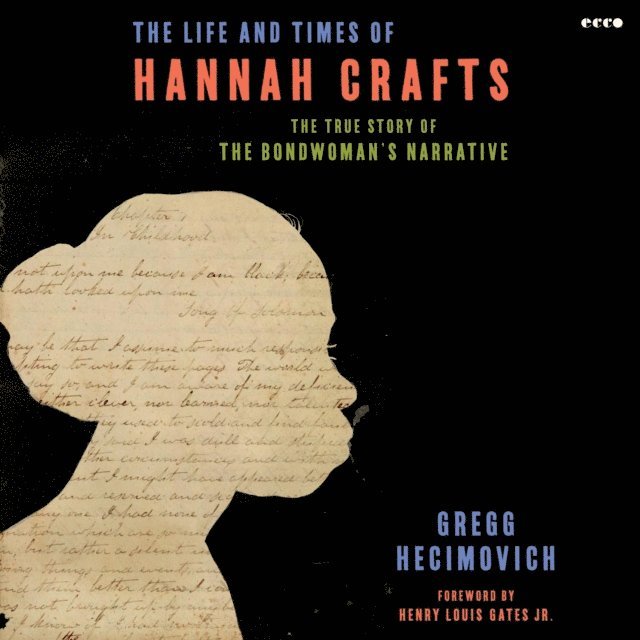
Life and Times of Hannah Crafts
The True Story of The Bondwoman''s Narrative
Ljudbok, 2023
411 kr
Lägg i varukorg
Winner of the Los Angeles Times Book Prize for Biography Finalist for the National Book Critics Circle Award for Biography A groundbreaking study of the first Black female novelist and her life as an enslaved woman, from the biographer who solved the mystery of her identity, with a foreword by …
Phineas Redux
Av Anthony Trollope, Gregg Hecimovich
Häftad, 2003
179 kr
Lägg i varukorg
In the fourth of the 'Palliser' stories, Trollope follows Phineas Finn's return to the dangerous world of Westminster politics. When his political rival is murdered, Phineas is thrown under suspicion and eventually finds himself standing trial at the Old Bailey. The situation is complicated by the …
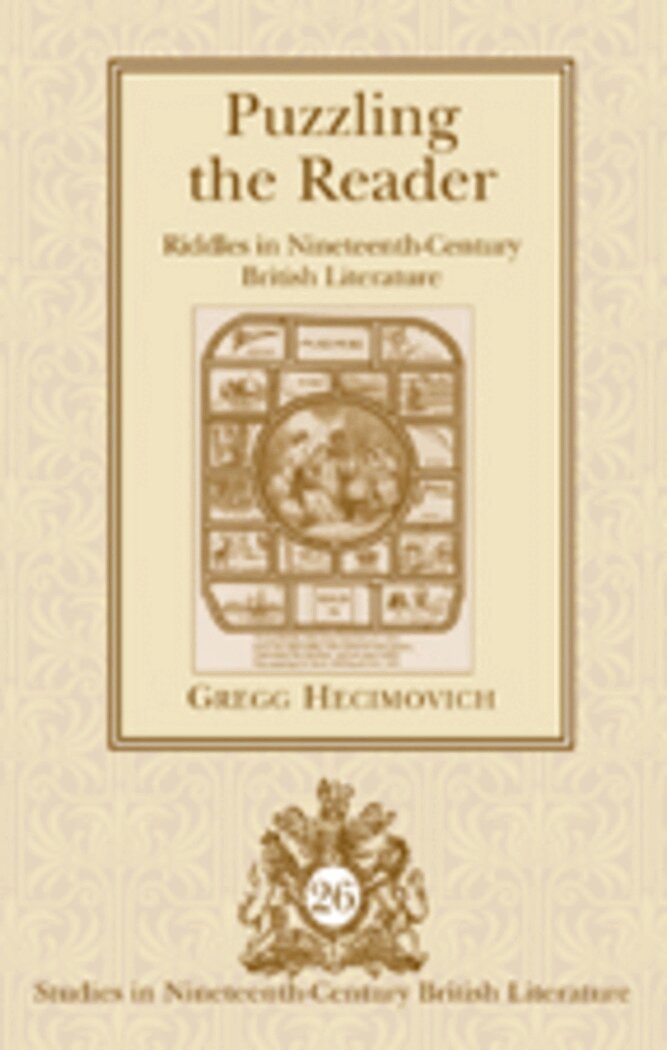
Puzzling the Reader
Riddles in Nineteenth-Century British Literature
Inbunden, 2008
1376 kr
Lägg i varukorg
Puzzling the Reader establishes the place of charms and riddles in nineteenth-century British literature by exploring the literary and political work riddles performed at cultural thresholds: courtship, initiation, death rituals, moments of greeting, and intercultural relations. Furthermore, …