Gregory A. Ryan – författare
Visar alla böcker från författaren Gregory A. Ryan. Handla med fri frakt och snabb leverans.
9 produkter
9 produkter
E-bok
PDF, Engelska, 20221 889 kr
Läs direkt efter köp
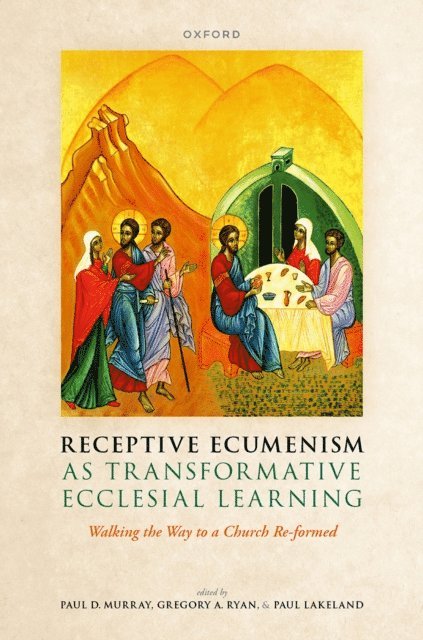
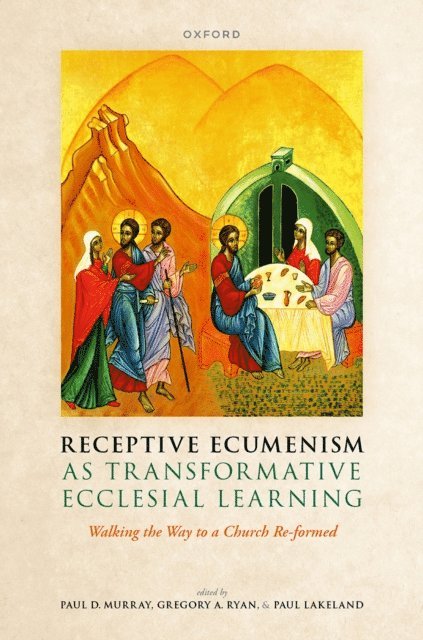
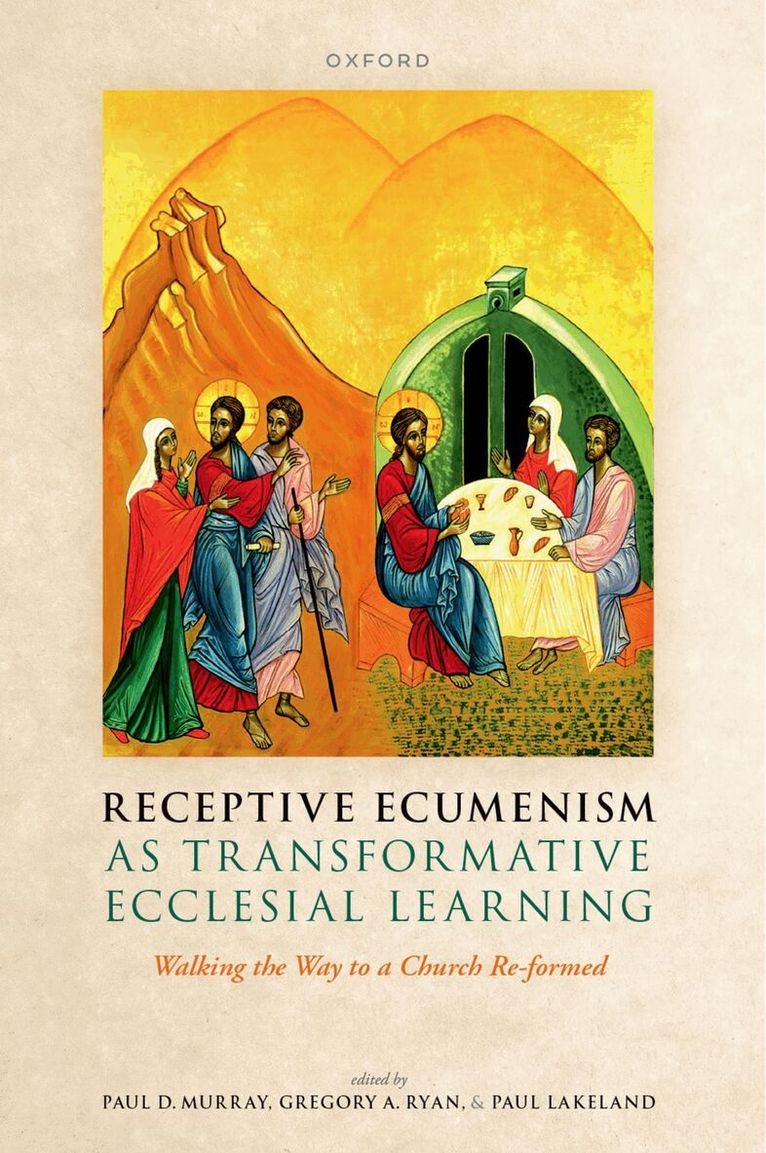
Receptive Ecumenism asks not what other churches can learn from us, but ''what can we learn and receive with integrity from our ecclesial others?'' Since the publication of Receptive Ecumenism and the Call to Catholic Learning: Exploring a Way for Contemporary Ecumenism (OUP, 2008), this fresh ecumenical strategy has been adopted, critiqued, and developed in different Christian traditions, and in local, national, and international settings, including the most recent bilateral dialogue of the Anglican-Roman Catholic International Commission (ARCIC III). The thirty-eight chapters in this new volume, by academics, church leaders, and ecumenical practitioners who have adopted and adapted Receptive Ecumenism in various ecclesial and cultural contexts, show how Receptive Ecumenism has grown and matured.Part One demonstrates how Receptive Ecumenism itself is capable of being received with integrity into very different ecclesiologies and ecclesial traditions. In Part Two, this approach to transformative ecumenical learning is applied to some recurrent ecclesial problems, such as the understanding and practice of ministry, revealing new insights and practical opportunities. Part Three examines the potential and challenges for Receptive Ecumenism in different international settings. Part Four draws on scripture, hermeneutics, and pneumatology to offer critical reflection on how Receptive Ecumenism itself implements transformative ecclesial learning.Addressing the 70th Anniversary of the World Council of Churches, Archbishop Justin Welby, said that ''One of the most important of recent ecumenical developments has been the concept of "Receptive Ecumenism"''. This volume provides an indispensable point of reference for understanding and applying that concept in the life of the Christian churches today.
E-bok
Engelska, 20221 889 kr
Läs direkt efter köp
Receptive Ecumenism asks not what other churches can learn from us, but ''what can we learn and receive with integrity from our ecclesial others?'' Since the publication of Receptive Ecumenism and the Call to Catholic Learning: Exploring a Way for Contemporary Ecumenism (OUP, 2008), this fresh ecumenical strategy has been adopted, critiqued, and developed in different Christian traditions, and in local, national, and international settings, including the most recent bilateral dialogue of the Anglican-Roman Catholic International Commission (ARCIC III). The thirty-eight chapters in this new volume, by academics, church leaders, and ecumenical practitioners who have adopted and adapted Receptive Ecumenism in various ecclesial and cultural contexts, show how Receptive Ecumenism has grown and matured.Part One demonstrates how Receptive Ecumenism itself is capable of being received with integrity into very different ecclesiologies and ecclesial traditions. In Part Two, this approach to transformative ecumenical learning is applied to some recurrent ecclesial problems, such as the understanding and practice of ministry, revealing new insights and practical opportunities. Part Three examines the potential and challenges for Receptive Ecumenism in different international settings. Part Four draws on scripture, hermeneutics, and pneumatology to offer critical reflection on how Receptive Ecumenism itself implements transformative ecclesial learning.Addressing the 70th Anniversary of the World Council of Churches, Archbishop Justin Welby, said that ''One of the most important of recent ecumenical developments has been the concept of "Receptive Ecumenism"''. This volume provides an indispensable point of reference for understanding and applying that concept in the life of the Christian churches today.
Inbunden, Engelska, 2022
2 187 kr
Skickas inom 5-8 vardagar
Receptive Ecumenism asks not what other churches can learn from us, but 'what can we learn and receive with integrity from our ecclesial others?' Since the publication of Receptive Ecumenism and the Call to Catholic Learning: Exploring a Way for Contemporary Ecumenism (OUP, 2008), this fresh ecumenical strategy has been adopted, critiqued, and developed in different Christian traditions, and in local, national, and international settings, including the most recent bilateral dialogue of the Anglican-Roman Catholic International Commission (ARCIC III). The thirty-eight chapters in this new volume, by academics, church leaders, and ecumenical practitioners who have adopted and adapted Receptive Ecumenism in various ecclesial and cultural contexts, show how Receptive Ecumenism has grown and matured.Part One demonstrates how Receptive Ecumenism itself is capable of being received with integrity into very different ecclesiologies and ecclesial traditions. In Part Two, this approach to transformative ecumenical learning is applied to some recurrent ecclesial problems, such as the understanding and practice of ministry, revealing new insights and practical opportunities. Part Three examines the potential and challenges for Receptive Ecumenism in different international settings. Part Four draws on scripture, hermeneutics, and pneumatology to offer critical reflection on how Receptive Ecumenism itself implements transformative ecclesial learning.Addressing the 70th Anniversary of the World Council of Churches, Archbishop Justin Welby, said that 'One of the most important of recent ecumenical developments has been the concept of "Receptive Ecumenism"'. This volume provides an indispensable point of reference for understanding and applying that concept in the life of the Christian churches today.
Häftad, Engelska, 2025
408 kr
Skickas inom 7-10 vardagar
Receptive Ecumenism asks not what other churches can learn from us, but 'what can we learn and receive with integrity from our ecclesial others?' Since the publication of Receptive Ecumenism and the Call to Catholic Learning: Exploring a Way for Contemporary Ecumenism (OUP, 2008), this fresh ecumenical strategy has been adopted, critiqued, and developed in different Christian traditions, and in local, national, and international settings, including the most recent bilateral dialogue of the Anglican-Roman Catholic International Commission (ARCIC III). The thirty-eight chapters in this new volume, by academics, church leaders, and ecumenical practitioners who have adopted and adapted Receptive Ecumenism in various ecclesial and cultural contexts, show how Receptive Ecumenism has grown and matured. Part I demonstrates how Receptive Ecumenism itself is capable of being received with integrity into very different ecclesiologies and ecclesial traditions. In Part II, this approach to transformative ecumenical learning is applied to some recurrent ecclesial problems, such as the understanding and practice of ministry, revealing new insights and practical opportunities. Part III examines the potential and challenges for Receptive Ecumenism in different international settings. Part IV draws on Scripture, hermeneutics, and pneumatology to offer critical reflection on how Receptive Ecumenism itself implements transformative ecclesial learning.Addressing the seventieth anniversary of the World Council of Churches, Archbishop Justin Welby said that 'One of the most important of recent ecumenical developments has been the concept of “Receptive Ecumenism”.' This volume provides an indispensable point of reference for understanding and applying that concept in the life of the Christian churches today.
Häftad, Engelska, 2026
308 kr
Kommande
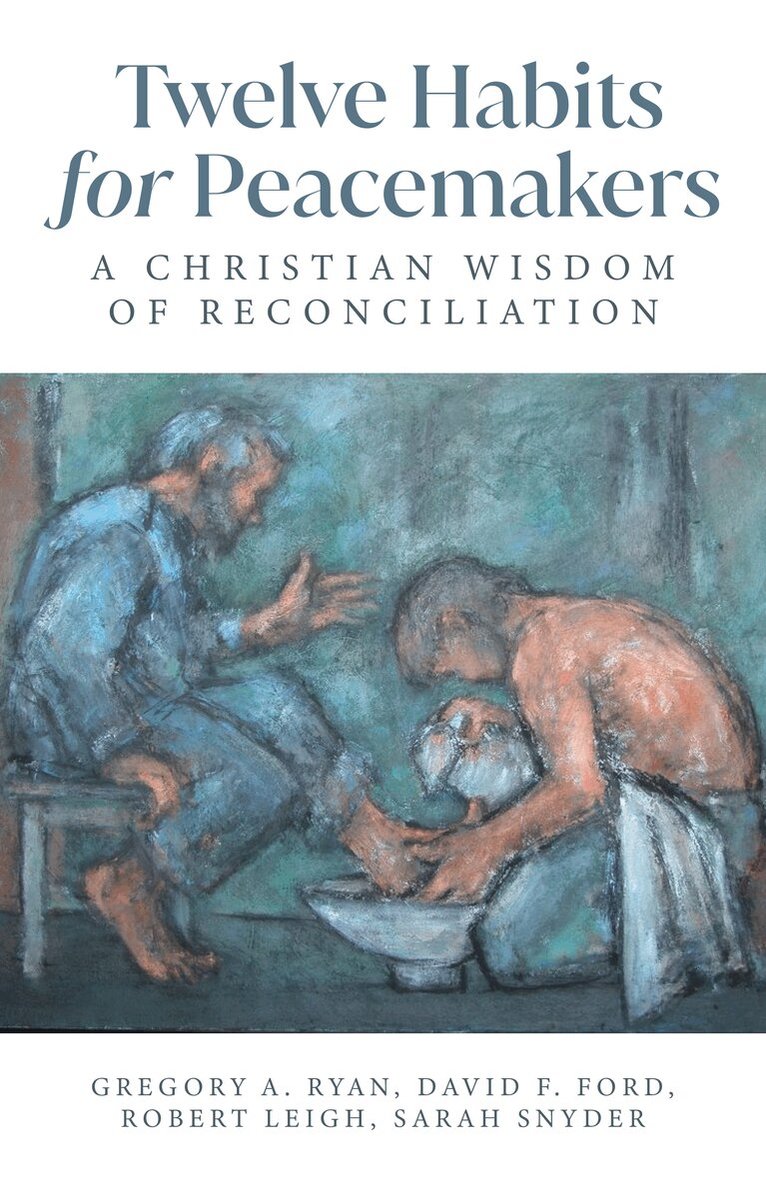
How can Christians become agents of reconciliation in a divided world and Church? Twelve Habits for Peacemakers brings together leading theologians and experienced peacebuilders to explore Christian Biblical Reasoning – a fresh way of reading Scripture that nurtures the habits essential for peace making.Miroslav Volf, David F. Ford, John Swinton, Tom Greggs, Maggi Dawn and practitioners from the Rose Castle Foundation explore twelve transformative habits – including Lament, Forgiveness, Hospitality, and Empathy – drawn from real-world reconciliation work. Designed for ministers, church leaders, and peacemakers at every level, they offer clear, real-life applications alongside theological depth.Blending academic insight with hands-on wisdom, Twelve Habits for Peacemakers is a vital resource for anyone seeking to bridge divides and live out the gospel of peace.
E-bok
PDF, Engelska, 20201 800 kr
Läs direkt efter köp
In Hermeneutics of Doctrine in a Learning Church, Gregory A. Ryan offers an account of the dynamic, multi-dimensional task of interpreting Christian tradition. He integrates doctrinal hermeneutics, the 'pastorality of doctrine' exemplified by Pope Francis, and a systematic appraisal of Receptive Ecumenism to provide an original perspective on this task. The book focuses on three contemporary Catholic theologians (Francis Schussler Fiorenza, Ormond Rush, and Paul D. Murray), highlighting how each recognises the dynamic interaction of multiple perspectives involved in authentic ecclesial interpretation. Christian tradition, whether passed on in teaching, scripture, practices, or structures, needs to be continually received and interpreted. This book offers theologians, ecumenists, and church workers a fresh model for receptive ecclesial learning in which doctrinal hermeneutics and pastoral realities are dynamically integrated.
Del 24 - Church of Sweden Research
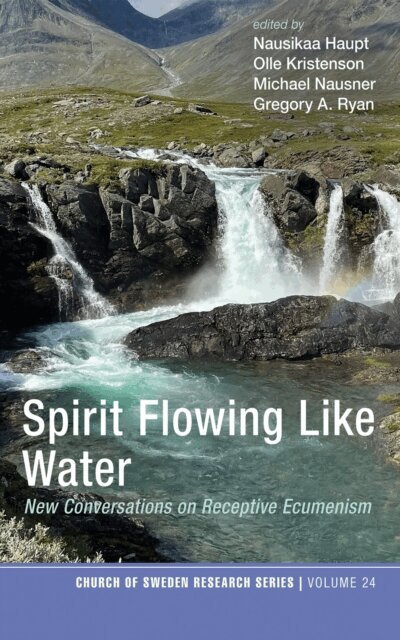
Spirit Flowing Like Water
New Conversations on Receptive Ecumenism
Häftad, Engelska, 2025
409 kr
Skickas inom 5-8 vardagar
Del 24 - Church of Sweden Research
Spirit Flowing Like Water
New Conversations on Receptive Ecumenism
Inbunden, Engelska, 2025
559 kr
Skickas inom 5-8 vardagar
E-bok
Engelska, 2025747 kr
Läs direkt efter köp
What if churches focused less on wanting other Christian traditions to become more like theirs, and more on exploring what they might learn from them? Might this not only help churches to deepen faith, mission, and service, but also revitalize the ecumenical landscape with new possibilities? This is the provocative and inspiring vision presented by Receptive Ecumenism, a movement which has crossed denominations and continents, engaging church leaders, ecumenists, scholars, and Christians in their everyday lives. Spirit Flowing Like Water presents the latest conversations in this field. It not only engages leading scholars and practitioners of Receptive Ecumenism between churches but also explores the possibility of learning from difference within a church community--"Internal Receptive Ecumenism"--and adapting the approach to a wider ecumenism beyond the visible church.Church leaders, ecumenists, and theologians from five continents have contributed chapters on transforming ecumenism, practicing mission in context, and broadening the horizon. They write not only for those already engaged in ecumenical work but with an invitation to all communities, leaders, and individuals to take a fresh look at what walking together in Christ means in our polarized world.