Gregory D. Booth - Böcker
Visar alla böcker från författaren Gregory D. Booth. Handla med fri frakt och snabb leverans.
4 produkter
4 produkter
1 810 kr
Skickas inom 5-8 vardagar
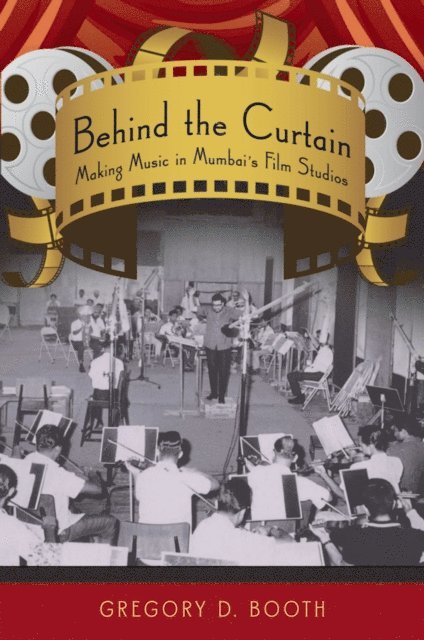
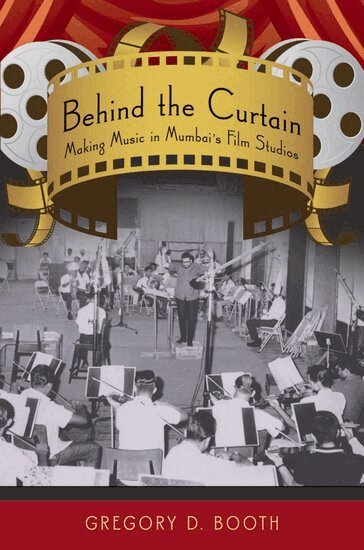
Beginning in the 1930s, men and a handful of women came from India's many communities-Marathi, Parsi, Goan, North Indian, and many others--to Mumbai to work in an industry that constituted in the words of some, "the original fusion music." They worked as composers, arrangers, assistants, and studio performers in one of the most distinctive popular music and popular film cultures on the planet. Today, the songs played by Mumbai's studio musicians are known throughout India and the Indian diaspora under the popular name "Bollywood," but the musicians themselves remain, in their own words, "behind the curtain"--the anonymous and unseen performers of one of the world's most celebrated popular music genres. Now, Gregory D. Booth offers a compelling account of the Bollywood film music industry from the perspective of the musicians who both experienced and shaped its history. In a rare insider's look at the process of musical production from the late 1940s to the mid 1990s, before the advent of digital recording technologies, Booth explains who these unknown musicians were and how they came to join the film music industry. On the basis of a fascinating set of first-hand accounts from the musicians themselves, he reveals how the day-to-day circumstances of technology and finance shaped both the songs and the careers of their creator and performers. Booth also unfolds the technological, cultural, and industrial developments that led to the enormous studio orchestras of the 1960s-90s as well as the factors which ultimately led to their demise in contemporary India. Featuring an extensive companion website with video interviews with the musicians themselves, Behind the Curtain is a powerful, ground-level view of this globally important music industry.
390 kr
Skickas inom 5-8 vardagar
Beginning in the 1930s, men and a handful of women came from India's many communities-Marathi, Parsi, Goan, North Indian, and many others--to Mumbai to work in an industry that constituted in the words of some, "the original fusion music." They worked as composers, arrangers, assistants, and studio performers in one of the most distinctive popular music and popular film cultures on the planet. Today, the songs played by Mumbai's studio musicians are known throughout India and the Indian diaspora under the popular name "Bollywood," but the musicians themselves remain, in their own words, "behind the curtain"--the anonymous and unseen performers of one of the world's most celebrated popular music genres. Now, Gregory D. Booth offers a compelling account of the Bollywood film music industry from the perspective of the musicians who both experienced and shaped its history. In a rare insider's look at the process of musical production from the late 1940s to the mid 1990s, before the advent of digital recording technologies, Booth explains who these unknown musicians were and how they came to join the film music industry. On the basis of a fascinating set of first-hand accounts from the musicians themselves, he reveals how the day-to-day circumstances of technology and finance shaped both the songs and the careers of their creator and performers. Booth also unfolds the technological, cultural, and industrial developments that led to the enormous studio orchestras of the 1960s-90s as well as the factors which ultimately led to their demise in contemporary India. Featuring an extensive companion website with video interviews with the musicians themselves, Behind the Curtain is a powerful, ground-level view of this globally important music industry.
1 855 kr
Skickas inom 5-8 vardagar
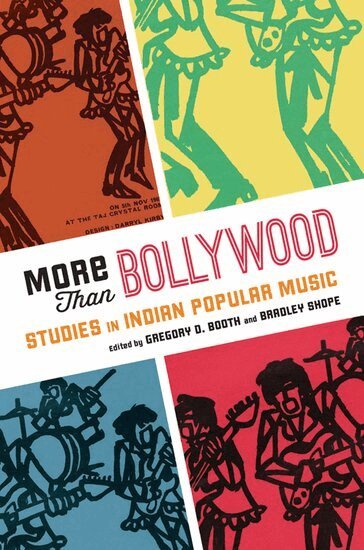
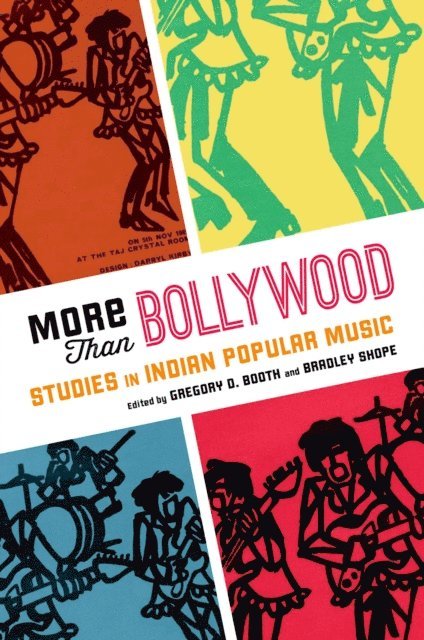
This is the first book to tackle the diverse styles and multiple histories of popular musics in India. It brings together fourteen of the world's leading scholars on Indian popular music to contribute chapters on a range of topics from the classic songs of Bollywood to contemporary remixes, summarized by a reflective afterword by popular music scholar Timothy Taylor. The chapters in this volume address the impact of media and technology on contemporary music, the variety of industrial developments and contexts for Indian popular music, and historical trends in popular music development both before and after the Indian Independence in 1947. The book identifies new ways of engaging popular music in India beyond the Bollywood musical canon, and offers several case studies of local and regional styles of music. The contributors address the subcontinent's historical relationships with colonialism, the transnational market economies, local governmental factors, international conventions, and a host of other circumstances to shed light on the development of popular music throughout India. To illustrate each chapter author's points, and to make available music not easily accessible in North America, the book features an Oxford web music companion website of audio and video tracks.
589 kr
Skickas inom 5-8 vardagar
This is the first book to tackle the diverse styles and multiple histories of popular musics in India. It brings together fourteen of the world's leading scholars on Indian popular music to contribute chapters on a range of topics from the classic songs of Bollywood to contemporary remixes, summarized by a reflective afterword by popular music scholar Timothy Taylor. The chapters in this volume address the impact of media and technology on contemporary music, the variety of industrial developments and contexts for Indian popular music, and historical trends in popular music development both before and after the Indian Independence in 1947. The book identifies new ways of engaging popular music in India beyond the Bollywood musical canon, and offers several case studies of local and regional styles of music. The contributors address the subcontinent's historical relationships with colonialism, the transnational market economies, local governmental factors, international conventions, and a host of other circumstances to shed light on the development of popular music throughout India. To illustrate each chapter author's points, and to make available music not easily accessible in North America, the book features an Oxford web music companion website of audio and video tracks.