
Gregory Desilet – författare
Visar alla böcker från författaren Gregory Desilet. Handla med fri frakt och snabb leverans.
7 produkter
7 produkter
Häftad, Engelska, 2005
486 kr
Skickas inom 5-8 vardagar
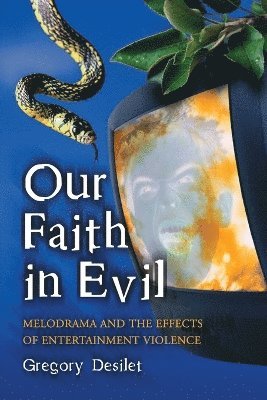
Is violence in American cinema a reflection of life? Or does life imitate the violence people see in cinema? One of the pressing questions in today's society is whether fictional portrayals of violence have social or psychological consequences. Studies have concluded with both "yes" and "no" verdicts. Is America a culture of violence? Why does violence, horror and melodrama appeal to people? This book explores these issues with primary focus on entertainment, especially film, through lenses of the media, the consumer, and the cultural backdrop.The film A Clockwork Orange allegedly spawned so much violence in the United Kingdom that director Stanley Kubrick was rumored to have fled with his family to avoid a death threat. From that classic case, the author takes readers through a study of media and violence that examines the structure of horror, the origin and nature of evil, the Greek mythic tradition, melodrama and catharsis, fairy tales, comic books, video games and real horror. In part two the author offers case studies in several genres: westerns, multi-melodrama (The Silence of the Lambs), slasher films, psycho drama, serials such as Star Wars and Harry Potter, apocalyptic melodrama, modern and postmodern noir, creature features and religious melodrama. In-text citations are included, and two notes expand on a couple of issues in the text--the perspectives of Plato and Aristotle on the effects of tragic drama, and discussion of differences of opinion relating to methodological approach.
Häftad, Engelska, 2014
486 kr
Skickas inom 5-8 vardagar
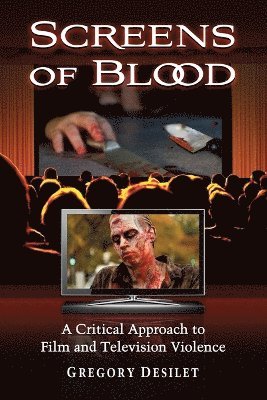
Civilization seems to move ever more toward the power of words over weapons. But many people, especially Americans, still believe wrongs in life can be righted with a fist or a gun or a bomb. Cultural mythology lags reality and continues to send the message of regeneration through violence. But the transition to a healthier mythology is already underway and can be seen in the strength of an alternative trend in depictions of violence in storytelling.This book examines this trend by comparing examples drawn from film and television with the traditional popular dramatic approach--reflecting and promoting a culture of violence. This comparison shows that attitudes toward conflict in drama are a key indicator of a shift in awareness of violence in society. The book concludes with an account of increasing challenges confronting the individual in today's world and the necessity for individual producers and consumers to take greater responsibility for their choices--which shape culture through omnipresent and profoundly influential screen technology.

Häftad, Engelska, 2006
231 kr
Skickas inom 5-8 vardagar

Inbunden, Engelska, 2006
366 kr
Skickas inom 5-8 vardagar
Häftad, Engelska, 2009
243 kr
Skickas inom 5-8 vardagar
Inbunden, Engelska, 2009
388 kr
Skickas inom 5-8 vardagar

Häftad, Engelska, 2023
732 kr
Skickas inom 5-8 vardagar
This work focuses on humanity's first technology--language--by placing the views of two of the greatest philosophers of the 20th century in direct confrontation on the topic of language/sign communication. It addresses the dominant role of language by the unexpected means of exposing the limits of words and signs for conveying meaning. Identifying these limits leads to the surprising realization that such limits are also precisely what make communication possible.Wittgenstein strives to shore up the foundation of meaning through a deeper understanding of the tension between rules and practice in the use of signs--while Derrida strives to expose the tension in the nature of the sign itself. This tension underscores the presence of the sign as intimately bound up with its absence. As a result, these two approaches feature contrasting roles for interpretation between a sign and its meaning. Highlighting the differences between these approaches reveals the play of hazards and benefits for language users when faced with alternative ways of understanding and accessing the power and potential of language.