Gregory Jusdanis – författare
Visar alla böcker från författaren Gregory Jusdanis. Handla med fri frakt och snabb leverans.
15 produkter
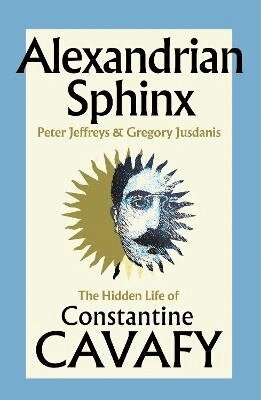
Alexandrian Sphinx
The Hidden Life of Constantine Cavafy
Av Peter Jeffreys, Gregory Jusdanis
Inbunden, 2025
372 kr
Lägg i varukorg
A gripping and revealing new biography of one of the greatest of modern poets, the queer, Greek-Egyptian Constantine Cavafy, whose admirers have ranged from E.M. Forster, T.S. Eliot and Virginia Woolf to Jackie Onassis, Leonard Cohen and Stephen Fry.Winner of the International Hellenic …
Alexandrian Sphinx
The Hidden Life of Constantine Cavafy
Av Peter Jeffreys, Gregory Jusdanis
Häftad, 2026
176 kr
Lägg i varukorg
A gripping and revealing new biography of one of the greatest of modern poets, the queer, Greek-Egyptian Constantine Cavafy, whose admirers have ranged from E.M. Forster, T.S. Eliot and Virginia Woolf to Jackie Onassis, Leonard Cohen and Stephen Fry.Winner of the International Hellenic …
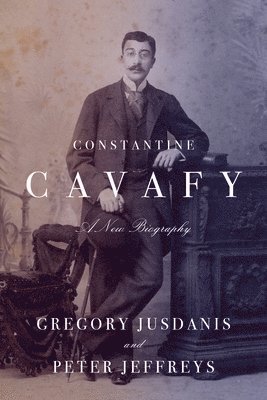
Constantine Cavafy
A New Biography
Av Gregory Jusdanis, Peter Jeffreys
Inbunden, 2025
463 kr
Lägg i varukorg
A long-awaited and much-anticipated biography of one of the great modern poets. This life study shows Constantine Cavafy as a flawed genius who sacrificed love to change the course of world poetry. Seeking to capture the complexities of Cavafy’s life and art, Gregory Jusdanis and Peter Jeffreys …
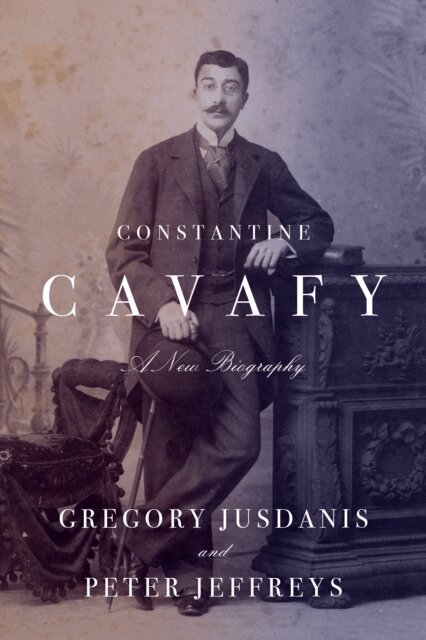
Constantine Cavafy
A New Biography
Av Peter Jeffreys, Gregory Jusdanis
E-bok, 2025
385 kr
Lägg i varukorg
A long-awaited and much-anticipated biography of one of the great modern poets. In 1933, on his seventieth birthday, the poet Constantine Cavafy died in an Alexandrian hospital, surrounded by friends. He left behind a small, curated oeuvre of 154 poems, along with fragments and drafts of incomplete …
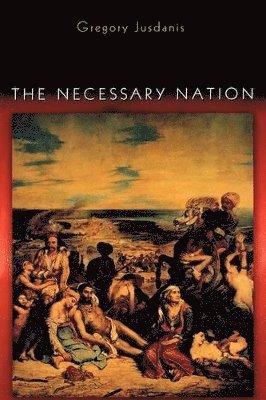
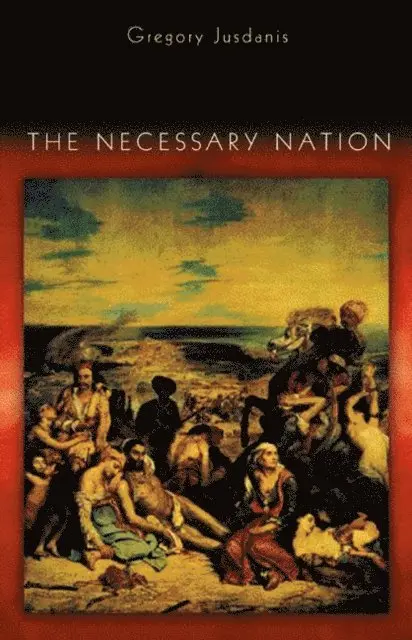
Necessary Nation
Häftad, 2001
501 kr
Lägg i varukorg
In this controversial look at nationalism, Gregory Jusdanis offers a sweeping defense of the nation as a protector of cultural difference and a catalyst for modernization. Since the end of the Cold War, the nation-state has undergone intense scrutiny among critics in the media and the academy. Many …
Poetics of Cavafy
Textuality, Eroticism, History
Häftad, 2014
525 kr
Lägg i varukorg
This full-length theoretical examination of Constantine Cavafy breaks the study of this great Greek poet free from the narrow context of traditional scholarship and introduces the latest critical developments into the study of Greek poetry. Originally published in 1987. The Princeton Legacy Library …
Poetics of Cavafy
Textuality, Eroticism, History
Inbunden, 2016
1751 kr
Lägg i varukorg
This full-length theoretical examination of Constantine Cavafy breaks the study of this great Greek poet free from the narrow context of traditional scholarship and introduces the latest critical developments into the study of Greek poetry. Originally published in 1987. The Princeton Legacy Library …
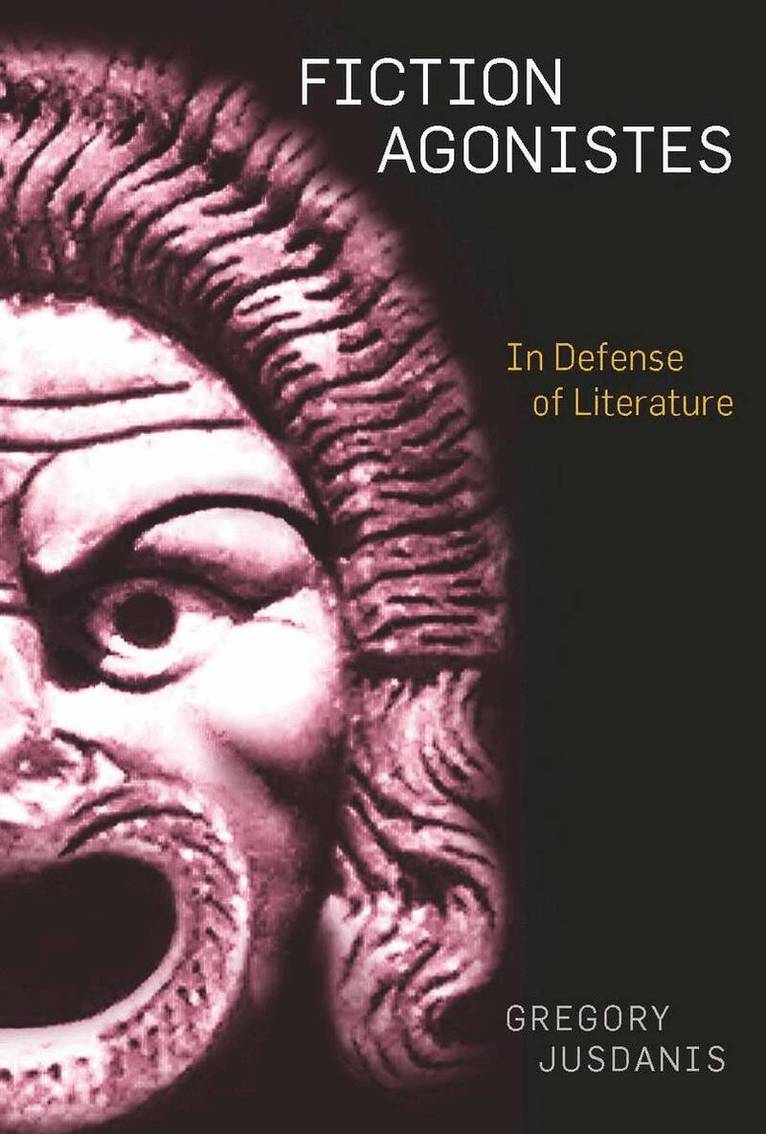
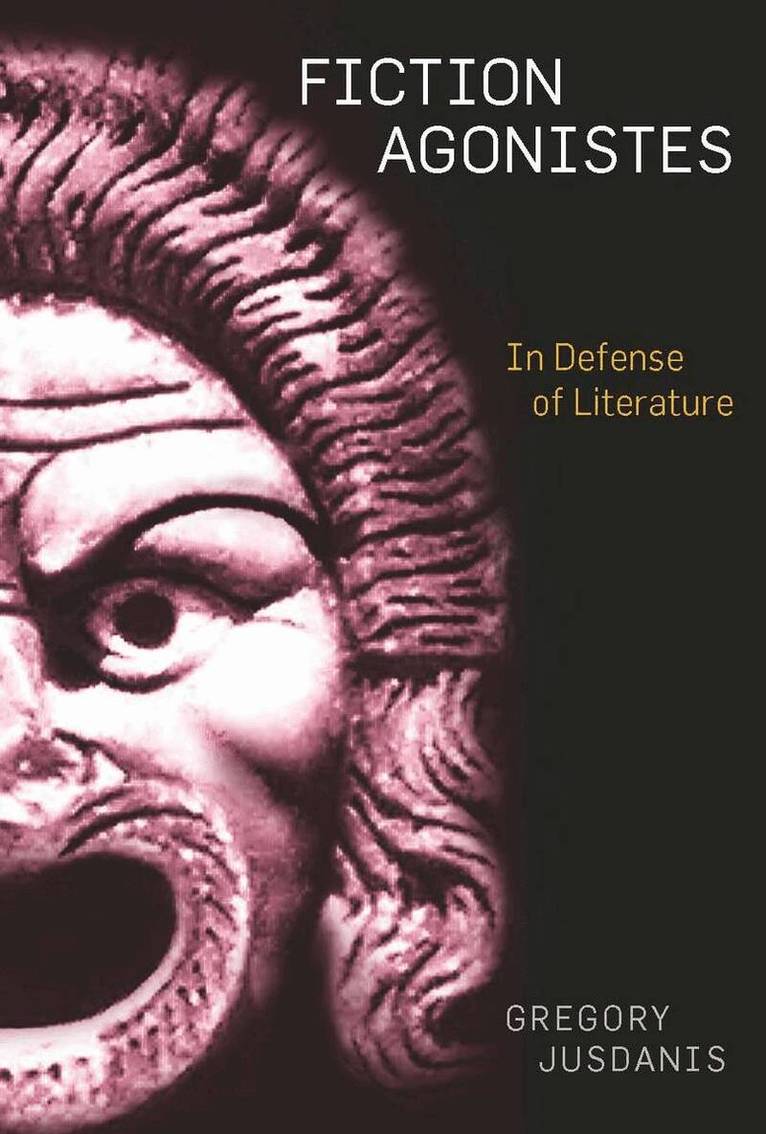
Fiction Agonistes
In Defense of Literature
Inbunden, 2010
1245 kr
Lägg i varukorg
In this path-breaking new work, Gregory Jusdanis asks why literature matters. Why are we afraid to admit our pleasures of reading, to defend the arts to the school board, to discuss the importance of literature in life? Drawing on a wealth of references from Aristophanes to Eudora Welty, from …
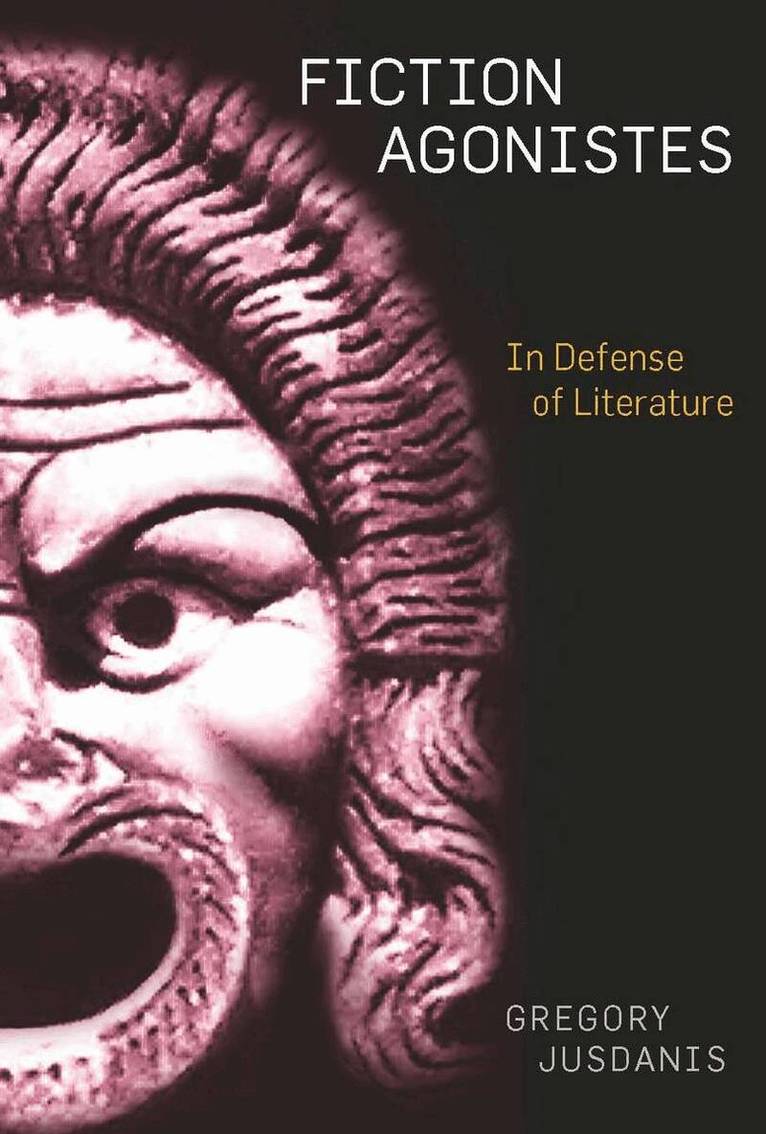
Fiction Agonistes
In Defense of Literature
Häftad, 2010
298 kr
Lägg i varukorg
In this path-breaking new work, Gregory Jusdanis asks why literature matters. Why are we afraid to admit our pleasures of reading, to defend the arts to the school board, to discuss the importance of literature in life? Drawing on a wealth of references from Aristophanes to Eudora Welty, from …
Fiction Agonistes
In Defense of Literature
E-bok, 2010
359 kr
Lägg i varukorg
In this path-breaking new work, Gregory Jusdanis asks why literature matters. Why are we afraid to admit our pleasures of reading, to defend the arts to the school board, to discuss the importance of literature in life? Drawing on a wealth of references from Aristophanes to Eudora Welty, from …
Belated Modernity and Aesthetic Culture
Inventing National Literature
Häftad, 1991
346 kr
Lägg i varukorg
How does literature function in the formation of a nation-state? What are its pivotal contributions to national discourse and the production of ideological collective will? And, ultimately, how is literature institutionalized and aestheticized?Belated Modernity and Aesthetic Culture: Inventing …
Necessary Nation
E-bok, 2011
685 kr
Lägg i varukorg
In this controversial look at nationalism, Gregory Jusdanis offers a sweeping defense of the nation as a protector of cultural difference and a catalyst for modernization. Since the end of the Cold War, the nation-state has undergone intense scrutiny among critics in the media and the academy. Many …
Poetics of Cavafy
Textuality, Eroticism, History
E-bok, 2014
574 kr
Lägg i varukorg
This full-length theoretical examination of Constantine Cavafy breaks the study of this great Greek poet free from the narrow context of traditional scholarship and introduces the latest critical developments into the study of Greek poetry.Originally published in 1987.The Princeton Legacy Library …
Tremendous Thing
Friendship from the "Iliad" to the Internet
Inbunden, 2014
411 kr
Tillfälligt slut
"Why did you do all this for me?" Wilbur asked. "I don't deserve it. I've never done anything for you.""You have been my friend," replied Charlotte. "That in itself is a tremendous thing."—from Charlotte's Web by E. B. White Friendship encompasses a wide range of social bonds, from playground …
Constantine Cavafy
A New Biography
Av Gregory Jusdanis, Peter Jeffreys
Häftad, 2027
311 kr
Tillfälligt slut
A long-awaited and much-anticipated biography of one of the great modern poets. In 1933, on his seventieth birthday, the poet Constantine Cavafy died in an Alexandrian hospital, surrounded by friends. He left behind a small, curated oeuvre of 154 poems, along with fragments and drafts of incomplete …