Gregory Marchildon – författare
543 kr
Skickas inom 5-8 vardagar
566 kr
Läs direkt efter köp
587 kr
Läs direkt efter köp
501 kr
Skickas inom 5-8 vardagar
349 kr
Skickas inom 5-8 vardagar
367 kr
Läs direkt efter köp
367 kr
Läs direkt efter köp
480 kr
Skickas inom 5-8 vardagar
812 kr
Skickas inom 5-8 vardagar
428 kr
Läs direkt efter köp
428 kr
Läs direkt efter köp
629 kr
Läs direkt efter köp
629 kr
Läs direkt efter köp
598 kr
Läs direkt efter köp
456 kr
Läs direkt efter köp
598 kr
Läs direkt efter köp
598 kr
Läs direkt efter köp
768 kr
Skickas inom 5-8 vardagar
427 kr
Läs direkt efter köp
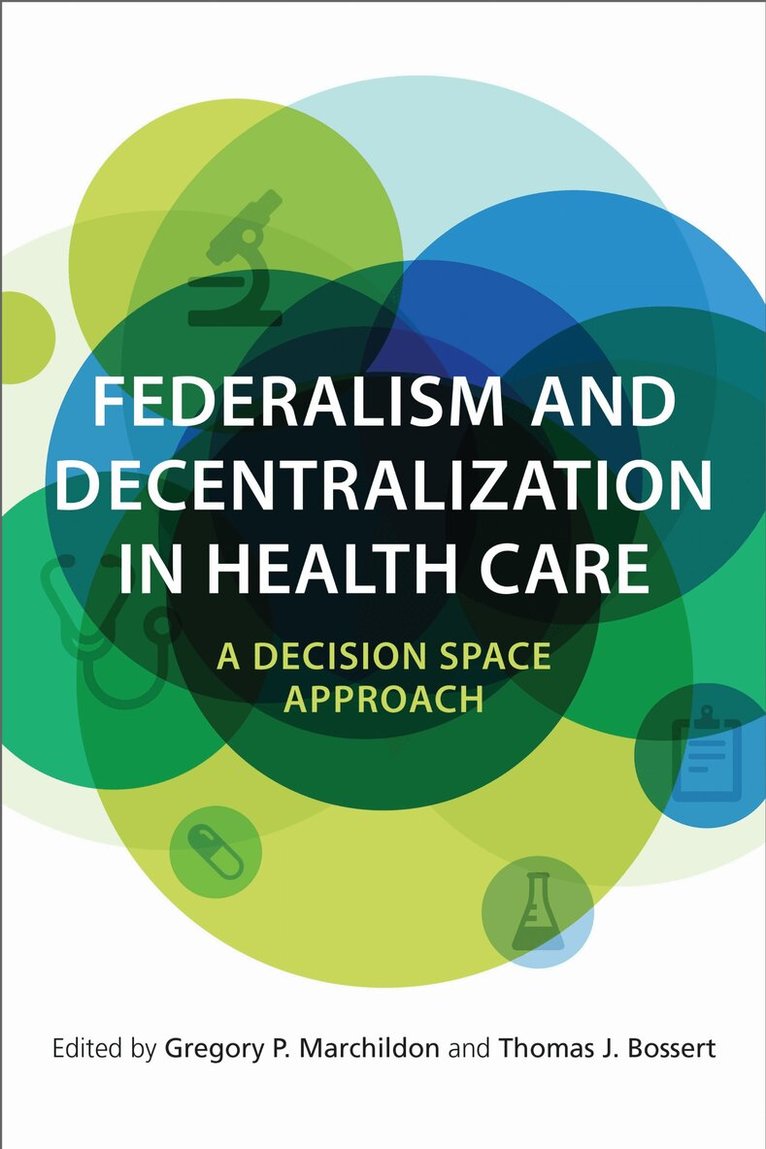
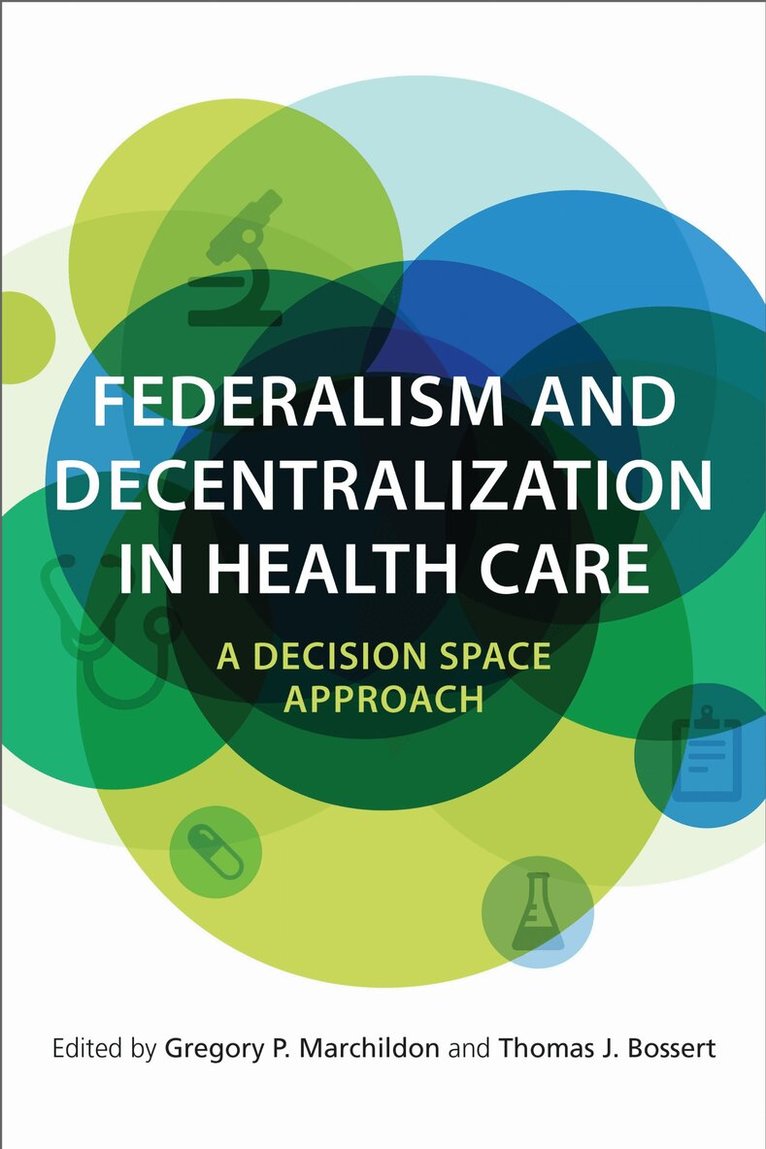
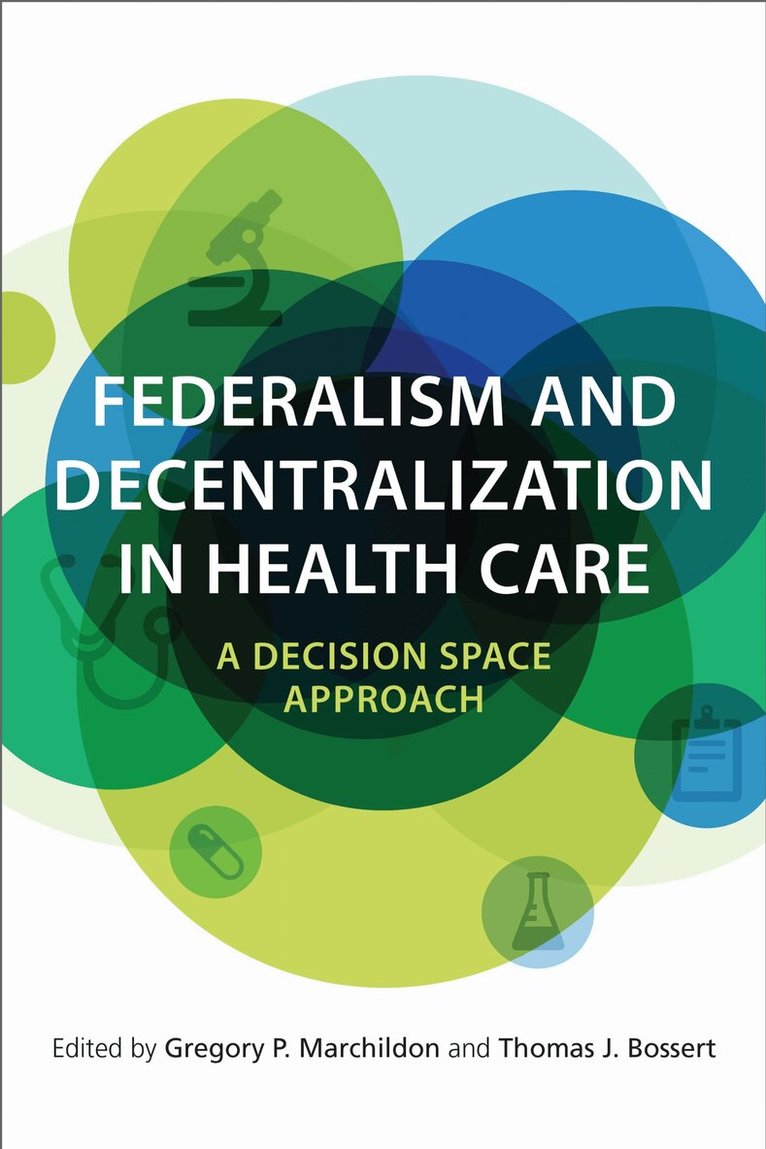
While health system decentralization is often associated with federations, there has been limited study on the connection between federalism and the organization of publicly financed or mandated health services. Federalism and Decentralization in Health Care examines eight federations that differ in terms of their geography, history and constitutional and political development. Looking at Canada, Brazil, Germany, Mexico, Nigeria, Pakistan, South Africa and Switzerland, Federalism and Decentralization in Health Care examines constitutional responsibility for health care, the national laws establishing a right to health care, the predominant sources and organization of public revenues directed to health care, and the overall organization of the health system.
In additional to these structural features, each country case study is subjected to a "decision space analysis" to determine the actual degree of health system decentralization. This involves determining whether national and subnational governments have narrow, moderate or broad discretion in their decisions on governance, access, human resources, health system organization and financing. This comparative approach highlights the similarities and differences among these federations. Offering reflections on recent trends in centralization or decentralizations for the health system as a whole, Federalism and Decentralization in Health Care, is a valuable resource for those studying health care policy in federal systems and especially those interested in comparative aspects of the topic.
413 kr
Läs direkt efter köp
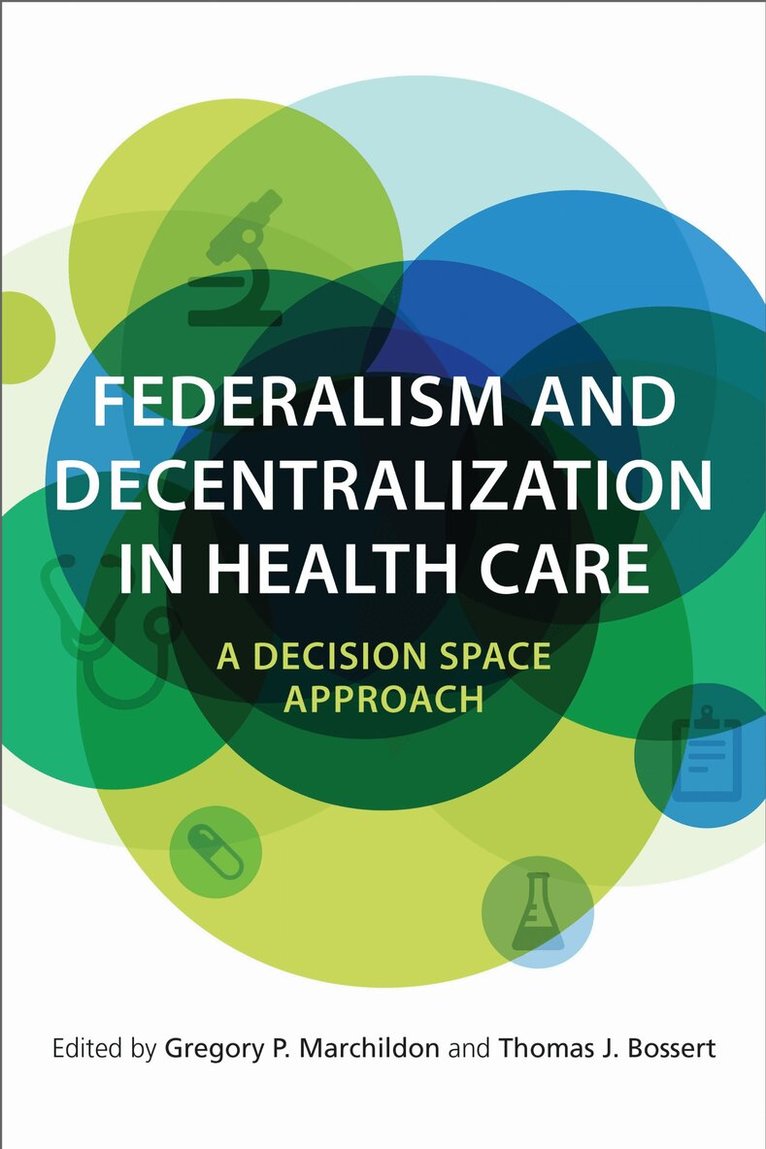
While health system decentralization is often associated with federations, there has been limited study on the connection between federalism and the organization of publicly financed or mandated health services. Federalism and Decentralization in Health Care examines eight federations that differ in terms of their geography, history and constitutional and political development. Looking at Canada, Brazil, Germany, Mexico, Nigeria, Pakistan, South Africa and Switzerland, Federalism and Decentralization in Health Care examines constitutional responsibility for health care, the national laws establishing a right to health care, the predominant sources and organization of public revenues directed to health care, and the overall organization of the health system.
In additional to these structural features, each country case study is subjected to a "decision space analysis" to determine the actual degree of health system decentralization. This involves determining whether national and subnational governments have narrow, moderate or broad discretion in their decisions on governance, access, human resources, health system organization and financing. This comparative approach highlights the similarities and differences among these federations. Offering reflections on recent trends in centralization or decentralizations for the health system as a whole, Federalism and Decentralization in Health Care, is a valuable resource for those studying health care policy in federal systems and especially those interested in comparative aspects of the topic.
371 kr
Skickas inom 5-8 vardagar
422 kr
Skickas inom 10-15 vardagar
444 kr
Skickas inom 5-8 vardagar
1 064 kr
Skickas inom 5-8 vardagar
519 kr
Läs direkt efter köp
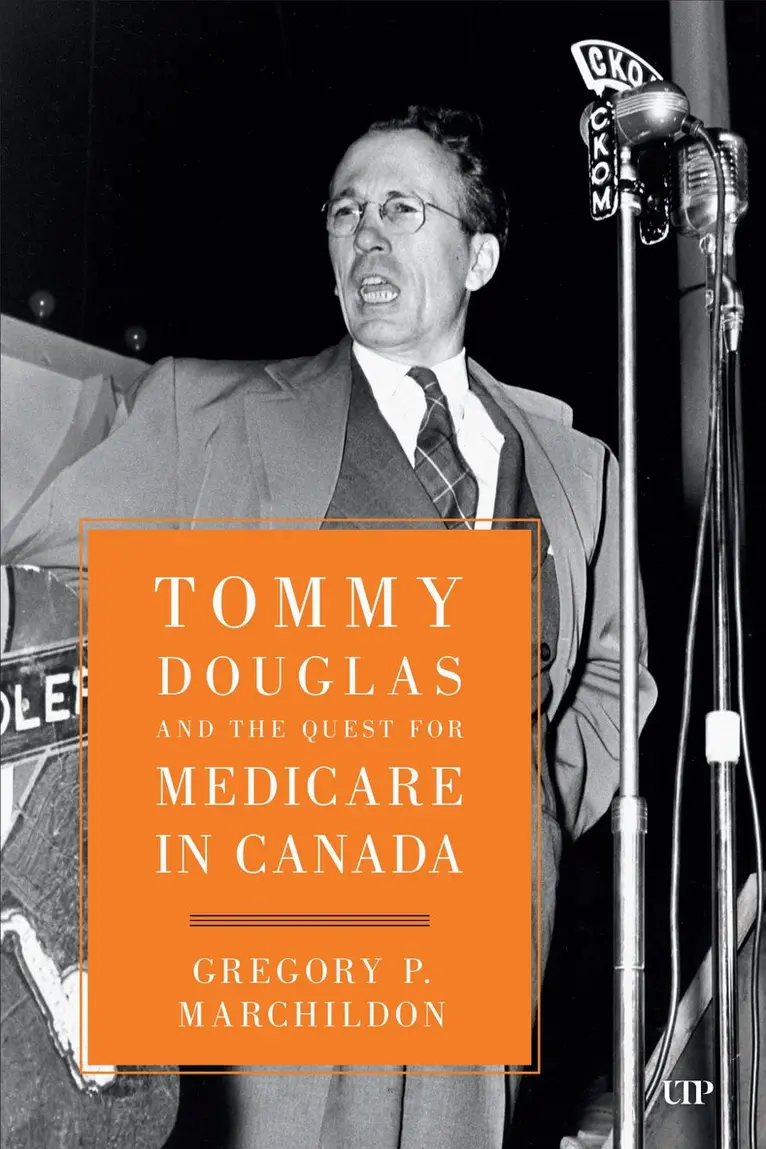
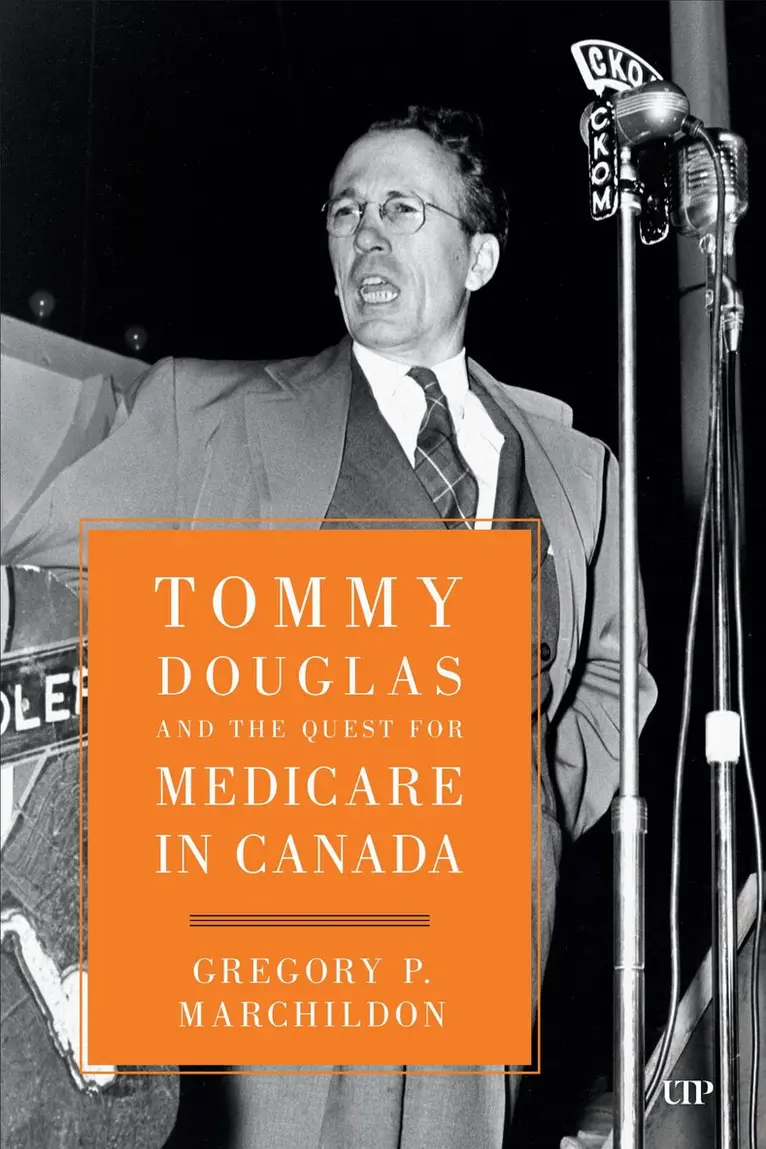
How and why was universal health coverage implemented so early in a poverty-stricken province in Canada? Why was its design so faithfully replicated in the national standards that ultimately shaped Medicare across the rest of Canada?
Seeking to answer these questions, Tommy Douglas and the Quest for Medicare in Canada explores the history of universal health care through the life of Canadian politician Tommy Douglas, identifying the pivotal moments and decisions that led to the establishment of Medicare in Canada.
The book traces the origins of Medicare back to the 1930s Depression and its devastating impact on the Prairie populations. Marchildon examines how Tommy Douglas and a new generation of reformers, radicalized by the Depression, prioritized socialized health care. The book reveals how, as the provincial party leader, Douglas leveraged support from both local and external allies to rapidly implement universal hospital insurance and lay the groundwork for a new health system.
Despite strong opposition from physician and business lobbies, Douglas continued to pressure the government for federal cost-sharing of universal health coverage. Drawing on archival sources including speeches, television broadcasts, and cabinet documents, Tommy Douglas and the Quest for Medicare in Canada illuminates how Douglas’s vision, leadership, and coalition-building among unions were crucial to the successful establishment of Medicare in Canada.
519 kr
Läs direkt efter köp
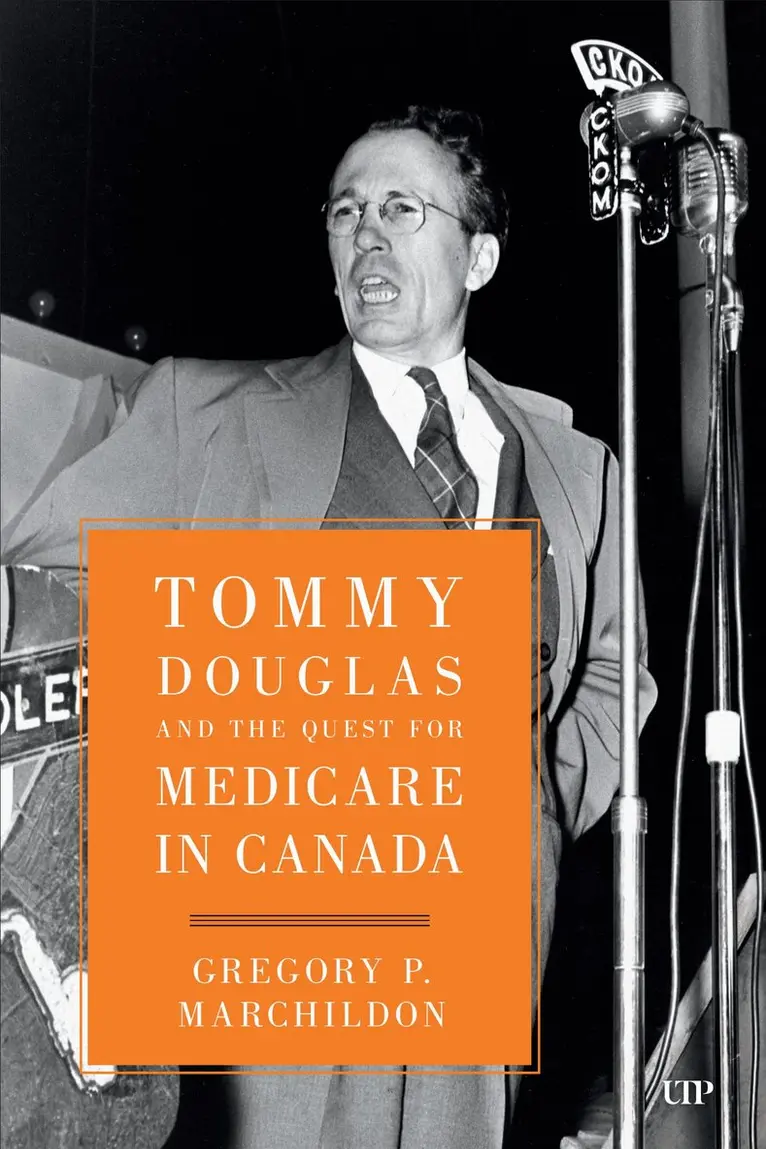
How and why was universal health coverage implemented so early in a poverty-stricken province in Canada? Why was its design so faithfully replicated in the national standards that ultimately shaped Medicare across the rest of Canada?
Seeking to answer these questions, Tommy Douglas and the Quest for Medicare in Canada explores the history of universal health care through the life of Canadian politician Tommy Douglas, identifying the pivotal moments and decisions that led to the establishment of Medicare in Canada.
The book traces the origins of Medicare back to the 1930s Depression and its devastating impact on the Prairie populations. Marchildon examines how Tommy Douglas and a new generation of reformers, radicalized by the Depression, prioritized socialized health care. The book reveals how, as the provincial party leader, Douglas leveraged support from both local and external allies to rapidly implement universal hospital insurance and lay the groundwork for a new health system.
Despite strong opposition from physician and business lobbies, Douglas continued to pressure the government for federal cost-sharing of universal health coverage. Drawing on archival sources including speeches, television broadcasts, and cabinet documents, Tommy Douglas and the Quest for Medicare in Canada illuminates how Douglas’s vision, leadership, and coalition-building among unions were crucial to the successful establishment of Medicare in Canada.