Gregory P. Bierals - Böcker
Visar alla böcker från författaren Gregory P. Bierals. Handla med fri frakt och snabb leverans.
10 produkter
10 produkter
1 532 kr
Kommande
This second edition has been expanded to include detailed examples of electrical calculations, explanations of Article 100 definitions, and a 300 question and answer evaluation of the entire subject matter.The most important aspect of this book is the use of the electrical terms in Article 100 and the means of connecting these terms to the appropriate NEC Sections from Chapters 2 through 8, with detailed explanations and examples that include many references to other electrical standards. The end result will be a comprehensive understanding of this most important publication.
890 kr
Skickas inom 10-15 vardagar
This book is designed for energy professionals to expand their understanding of proper grounding and bonding methods for photovoltaic (PV) and energy storage systems. While grounding and bonding are critical for any electrical distribution system, it is especially pertinent for PV systems due to the potential of high short circuit and ground-fault currents, as well as the possible and likely exposure to high magnitude and short duration lightning currents. This course will offer an in-depth exploration of these essential applications in the context of solar renewable and battery storage systems.This text includes an in-depth study of the terms and definitions applicable to grounding and bonding. In addition, there is a complete analysis of single-phase and three-phase distribution systems, beginning at the supply transformer and terminating at the utilization equipment supplied by a branch circuit. This summary includes the proper system and equipment grounding and bonding methods. In addition, the lightning protection system is explained in detail (NFPA 780).In the final chapter there is a 50 question quiz and an answer key to further enhance the reader’s understanding of this subject.
NEC and You Perfect Together
A Comprehensive Study of the National Electrical Code
Häftad, Engelska, 2024
591 kr
Skickas inom 10-15 vardagar
This book uses a unique approach of identifying the terms defined in NEC Article 100 and connecting these definitions to the appropriate sections in Chapters 1 through 9, with detailed explanations that will serve to enhance the reader’s understanding of this complex subject.This volume contains extensive information on the following:Branch CircuitsFeedersServicesOvercurrent ProtectionGrounding Systems and EquipmentBondingImpedance Grounded SystemsSeparately Derived SystemsFunctional GroundingCalculating Ground-Fault CurrentsMotors, Motor Circuits, and ControllersTransformersHealth Care FacilitiesHazardous (Classified) LocationsInformation Technology EquipmentEmergency SystemsTables and ExamplesReadership: Anyone involved in the design and installation of the electrical systems in residential, commercial, institutional, and industrial facilities.
591 kr
Skickas inom 10-15 vardagar
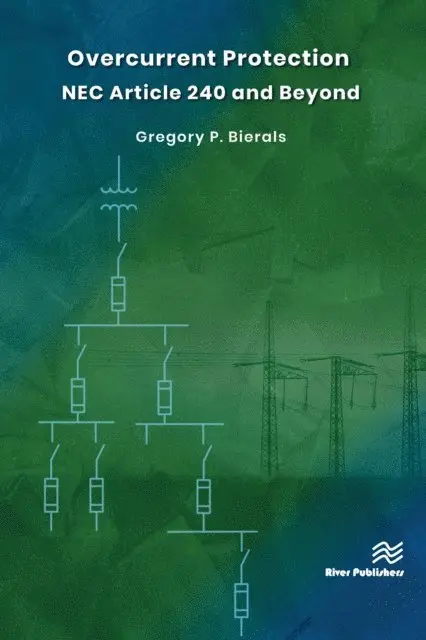
An overcurrent is caused by a short-circuit, ground-fault, or an overload.A short-circuit may be hundreds or even thousands of times above the normal operating current. This type of fault may be an arcing fault between ungrounded conductors or between an ungrounded conductor and a grounded (usually, a neutral) conductor, a line-to-line arcing fault may produce a current of 74% of a 3-phase bolted fault. A line-to-neutral arcing fault will be somewhat less.A line-to-line bolted fault, the equivalent, of the conductors bolted together, may be up to 100% of the available short-circuit current.A line-to-neutral bolted fault may be in excess of 100% of the 3-phase bolted fault at the source, but considerably less downstream.A ground-fault, that is, the equivalent of a connection between an ungrounded conductor and the equipment grounding system, will produce a current that may be 38% or higher of the 3-phase bolted fault current. These types of faults are typically arcing faults which normally are intermittent in nature. That is, they strike and restrike over time and may produce a short-circuit fault due to insulation damage.Once again, a line-to-equipment ground fault near the source may produce a fault current of over 100% of the 3-phase bolted fault, but considerably less downstream.An overload typically ranges from one to six times the normal current, and are normally caused by motor starting currents or transformer magnetizing currents. These conditions are of such short duration that the circuit components are not damaged.This book has a detailed analysis of these types of faults, along with explanations and examples of the various types of overcurrent protective devices to assure proper protection.This volume has extensive information on the application of overcurrent protection for conductors and equipment. The reader will be able to calculate fault currents as well as establishing the short-circuit withstand rating of conductor insulation and to determine the appropriate type of overcurrent devices based on circuit conditions.In addition, determining ground-fault currents for the purpose of selecting the proper size of equipment grounding conductors to establish an effective ground-fault current path is discussed in detail.Readership - Anyone involved with the design of overcurrent protection for electrical distribution systems from the system source to the electrical utilization equipment. The emphasis is placed on the design of the overcurrent protection for specific installations to assure proper protection for the circuit components regardless of the type of fault encountered.
591 kr
Skickas inom 10-15 vardagar
The first concern and the most important reason for proper grounding techniques are to protect people from the effects of ground-faults and lightning. Creating an effective ground-fault current path to assure the operation of overcurrent protective devices on solidly grounded systems and to limit the voltage-rise on equipment frames during fault condition is of paramount importance.The next concern is building and equipment protection. In this case, providing low impedance bonding and grounding paths between the system source, the electrical service and downstream equipment will serve to limit hazardous voltages due to faults and especially, lightning, A low resistance-to-ground system will serve to limit the voltage rise on systems and equipment.But of equal importance is the length of the grounding electrode conductor. It is critical to limit the length of this conductor due to the increased impedance of lightning currents.And finally, a properly installed grounding system will minimize the effects of electrical noise on sensitive circuits and stabilize the voltage-to-ground during normal operation.This volume has extensive information on grounding electrical systems and equipment.This information includes the following topics:System GroundingEquipment GroundingBondingThe Grounding Electrode SystemSolidly Grounded SystemsImpedance Grounded SystemsGrounding Separately-Derived SystemsCalculating Ground-Fault CurrentsConductor Insulation Withstand RatingsConductor Fusing or Melting CurrentsFunctional GroundingLightning ProtectionReadership: Anyone involved with designing a proper grounding system that will serve to protect people and equipment from the effects of ground faults and lightning. And to design a proper grounding system for special applications, including Solar and Wind Powered Systems.
673 kr
Skickas inom 10-15 vardagar
This book identifies and analyzes the important terms that apply to grounding and bonding electrical systems and equipment. These terms have many real-world applications in the design and installation of electrical systems, and the grounding and bonding of these systems are the heart of every electrical installation. In our analysis, we use real world applications with practical examples to further enhance the reader’s understanding of this complex subject. This includes detailed examples of fault-current calculations.At the end, there is a 30-question examination, complete with an answer key, to solidify understanding of NEC requirements for safe, compliant installations.
781 kr
Skickas inom 10-15 vardagar
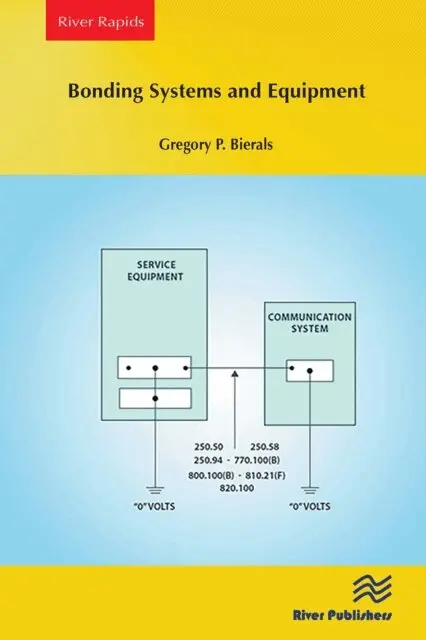
The proper bonding of systems and equipment is critical for the protection of people and equipment. This is especially important in patient-care areas of health care facilities, installations serving information technology equipment, installation of wiring associated with swimming pools, installations of wiring and special equipment in hazardous (classified) locations, installations of medium and high voltage systems where step, touch, and transferred potential differences are a constant threat, and agricultural buildings.A complete analysis of the appropriate terms associated with proper bonding and grounding methods, as well as two examples of fault current calculations will further enhance the understanding of these important topics.The second chapter includes a 30 question quiz and an answer key.
1 325 kr
Skickas inom 10-15 vardagar
The first concern and the most important reason for proper grounding techniques are to protect people from the effects of ground-faults and lightning. Creating an effective ground-fault current path to assure the operation of overcurrent protective devices on solidly grounded systems and to limit the voltage-rise on equipment frames during fault condition is of paramount importance.The next concern is building and equipment protection. In this case, providing low impedance bonding and grounding paths between the system source, the electrical service and downstream equipment will serve to limit hazardous voltages due to faults and especially, lightning, A low resistance-to-ground system will serve to limit the voltage rise on systems and equipment.But of equal importance is the length of the grounding electrode conductor. It is critical to limit the length of this conductor due to the increased impedance of lightning currents.And finally, a properly installed grounding system will minimize the effects of electrical noise on sensitive circuits and stabilize the voltage-to-ground during normal operation.This volume has extensive information on grounding electrical systems and equipment.This information includes the following topics:System GroundingEquipment GroundingBondingThe Grounding Electrode SystemSolidly Grounded SystemsImpedance Grounded SystemsGrounding Separately-Derived SystemsCalculating Ground-Fault CurrentsConductor Insulation Withstand RatingsConductor Fusing or Melting CurrentsFunctional GroundingLightning ProtectionReadership: Anyone involved with designing a proper grounding system that will serve to protect people and equipment from the effects of ground faults and lightning. And to design a proper grounding system for special applications, including Solar and Wind Powered Systems.
NEC and You Perfect Together
A Comprehensive Study of the National Electrical Code
Inbunden, Engelska, 2021
1 325 kr
Skickas inom 10-15 vardagar
This book uses a unique approach of identifying the terms defined in NEC Article 100 and connecting these definitions to the appropriate sections in Chapters 1 through 9, with detailed explanations that will serve to enhance the reader’s understanding of this complex subject.This volume contains extensive information on the following:Branch CircuitsFeedersServicesOvercurrent ProtectionGrounding Systems and EquipmentBondingImpedance Grounded SystemsSeparately Derived SystemsFunctional GroundingCalculating Ground-Fault CurrentsMotors, Motor Circuits, and ControllersTransformersHealth Care FacilitiesHazardous (Classified) LocationsInformation Technology EquipmentEmergency SystemsTables and ExamplesReadership: Anyone involved in the design and installation of the electrical systems in residential, commercial, institutional, and industrial facilities.
1 325 kr
Skickas inom 10-15 vardagar
An overcurrent is caused by a short-circuit, ground-fault, or an overload.A short-circuit may be hundreds or even thousands of times above the normal operating current. This type of fault may be an arcing fault between ungrounded conductors or between an ungrounded conductor and a grounded (usually, a neutral) conductor, a line-to-line arcing fault may produce a current of 74% of a 3-phase bolted fault. A line-to-neutral arcing fault will be somewhat less.A line-to-line bolted fault, the equivalent, of the conductors bolted together, may be up to 100% of the available short-circuit current.A line-to-neutral bolted fault may be in excess of 100% of the 3-phase bolted fault at the source, but considerably less downstream.A ground-fault, that is, the equivalent of a connection between an ungrounded conductor and the equipment grounding system, will produce a current that may be 38% or higher of the 3-phase bolted fault current. These types of faults are typically arcing faults which normally are intermittent in nature. That is, they strike and restrike over time and may produce a short-circuit fault due to insulation damage.Once again, a line-to-equipment ground fault near the source may produce a fault current of over 100% of the 3-phase bolted fault, but considerably less downstream.An overload typically ranges from one to six times the normal current, and are normally caused by motor starting currents or transformer magnetizing currents. These conditions are of such short duration that the circuit components are not damaged.This book has a detailed analysis of these types of faults, along with explanations and examples of the various types of overcurrent protective devices to assure proper protection.This volume has extensive information on the application of overcurrent protection for conductors and equipment. The reader will be able to calculate fault currents as well as establishing the short-circuit withstand rating of conductor insulation and to determine the appropriate type of overcurrent devices based on circuit conditions.In addition, determining ground-fault currents for the purpose of selecting the proper size of equipment grounding conductors to establish an effective ground-fault current path is discussed in detail.Readership - Anyone involved with the design of overcurrent protection for electrical distribution systems from the system source to the electrical utilization equipment. The emphasis is placed on the design of the overcurrent protection for specific installations to assure proper protection for the circuit components regardless of the type of fault encountered.