Gretchen Dykstra - Böcker
Visar alla böcker från författaren Gretchen Dykstra. Handla med fri frakt och snabb leverans.
5 produkter
5 produkter
237 kr
Skickas inom 10-15 vardagar
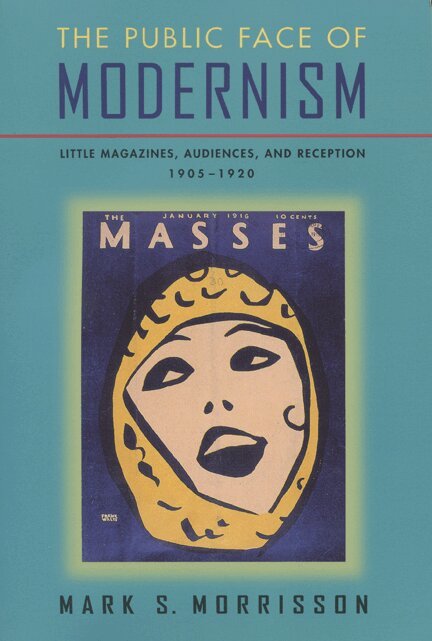
Between the 1890s and the 1920s, mass consumer culture and modernism grew up together, by most accounts as mutual antagonists. This provocative work of cultural history tells a different story. By delving deeply into the publishing and promotional practices of the modernists in Britain and America, however, Mark Morrisson reveals that their engagements with the commercial mass market were in fact extensive and diverse.The phenomenal successes of new advertising agencies and mass market publishers did elicit what Morrisson calls a "crisis of publicity" for some modernists and for many concerned citizens in both countries. But, as Morrisson demonstrates, the vast influence of these industries on consumers also had a profound and largely overlooked effect upon many modernist authors, artists, and others. By exploring the publicity and audience reception of several of the most important modernist magazines of the period, The Public Face of Modernism shows how modernists, far from lamenting the destruction of meaningful art and public culture by the new mass market, actually displayed optimism about the power of mass-market technologies and strategies to transform and rejuvenate contemporary culture—and, above all, to restore a public function to art.This reconstruction of the "public face of modernism" offers surprising new perceptions about the class, gender, racial, and even generational tensions within the public culture of the early part of the century, and provides a rare insight into the actual audiences for modernist magazines of the period. Moreover, in new readings of works by James Joyce, George Bernard Shaw, Wyndham Lewis, Ford Madox Ford, T. S. Eliot, William Carlos Williams, and many others, Morrisson shows that these contexts also had an impact on the techniques and concerns of the literature itself.
281 kr
Skickas inom 10-15 vardagar
As the heyday of the lumber camps faded, a young scholar named Franz Rickaby set out to find songs from shanty boys, river drivers, and sawmill hands in the Upper Midwest. Traveling mostly on foot with a fiddle slung over his shoulder, Rickaby fell into easy conversation with the men, collecting not just the words of songs, but the tunes, making careful notes about his informants and their performances. Shortly before his groundbreaking and much-praised Ballads and Songs of the Shanty Boy was published in 1926, Rickaby died, leaving later folklorists, cultural historians, and folksong enthusiasts with little knowledge of his life and other unpublished research.Pinery Boys now incorporates, commemorates, contextualizes, and complements Rickaby's early work. It includes an introduction and annotations throughout by eminent folklore scholar James P. Leary and an engaging, impressively researched biography by Rickaby's granddaughter Gretchen Dykstra. Central to this edition are Rickaby's own introduction and the original fifty-one songs that he published—including ""Jack Haggerty's Flat River Girl,"" ""The Little Brown Bulls,"" ""Ole from Norway,"" ""The Red Iron Ore,"" and ""Morrissey and the Russian Sailor""—plus fourteen additional songs selected to represent the varied collecting Rickaby did beyond the lumber camps.Supplemented by historical photographs, Pinery Boys fully reveals Franz Rickaby as a visionary artist and scholar and provides glimpses into the past lives of woods poets and singers.
168 kr
Skickas inom 5-8 vardagar
203 kr
Skickas inom 5-8 vardagar
352 kr
Skickas
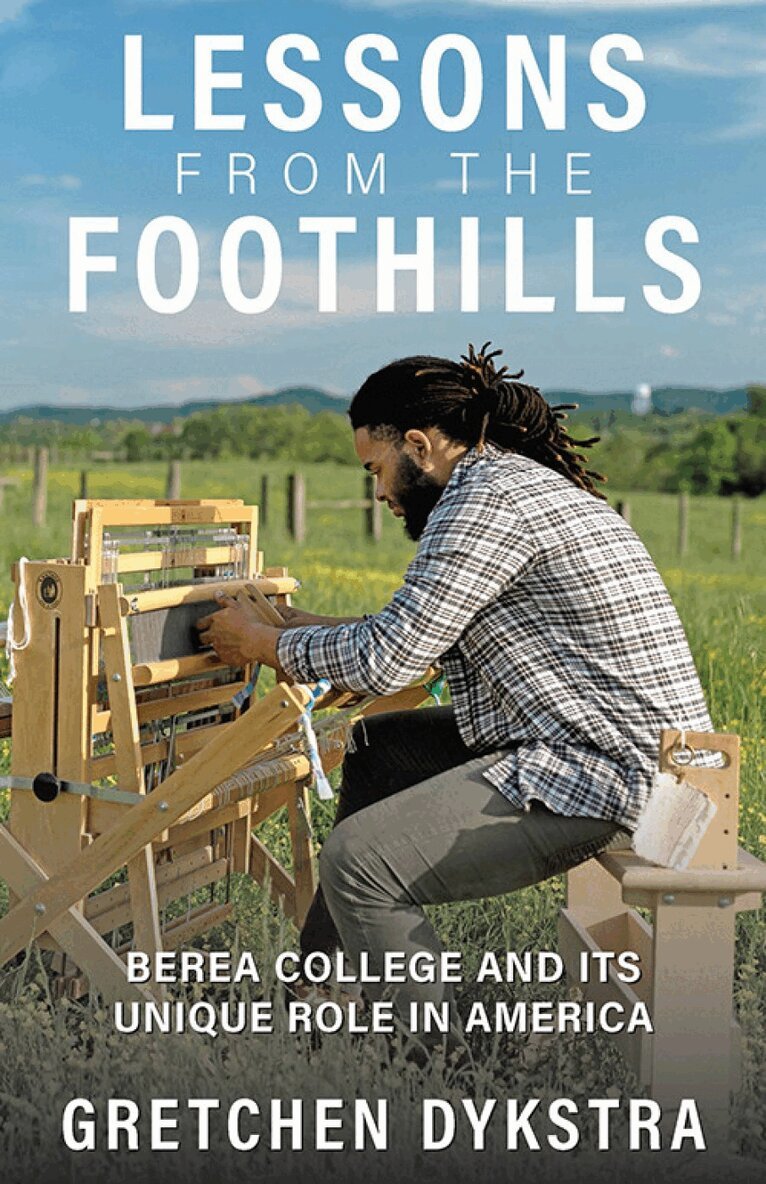
On Christmas Eve in 1859, sixty-five prominent armed white men rode into the small Kentucky town of Berea and forced the townspeople to close its integrated one-room schoolhouse. The mob perceived the school as a threat to white supremacy and the racial order. Abolitionist John Gregg Fee established the school for the expressed purpose of providing education to anyone eager to learn, regardless of their race—a notion that horrified those convinced of the sanctity of white supremacy. The mob succeeded in evicting thirty-six community members, including Fee's family, but Fee and the others returned to Berea in 1864 and reestablished the school as Berea College—an institution committed to providing education to Appalachia's most vulnerable populations.In Lessons from the Foothills, Gretchen Dykstra profiles modern Berea College, considered the moral compass of the commonwealth, and its rich and beloved history. This book is the first to focus solely on the principles and practices that guide the college: the eight Great Commitments, which individually and holistically provide clear aspirations for the college and its community. Like the institution itself, Dykstra's portrait is structured around these principles; each chapter functions as a deep dive into the history, practice, and significance of each Great Commitment, from providing opportunity for the most marginalized, to its high academic standards, to its commitment to the entire region. One of the Great Commitments states that the college will "provide an educational opportunity for students of all races, primarily from Appalachia, who have great promise and limited economic resources." The college has fulfilled this commitment by eliminating tuition—one of the primary barriers between people living below the poverty line and a college education—and providing jobs for students to assist with living expenses. Including interviews with a range of members from the Berea community, alumni, students, faculty, and staff, Lessons from the Foothills is an engaging and illuminating profile of a unique and historic institution and its enduring commitment to nurture and support academic excellence and service among its students.