Guillermina De Ferrari – författare
Visar alla böcker från författaren Guillermina De Ferrari. Handla med fri frakt och snabb leverans.
12 produkter
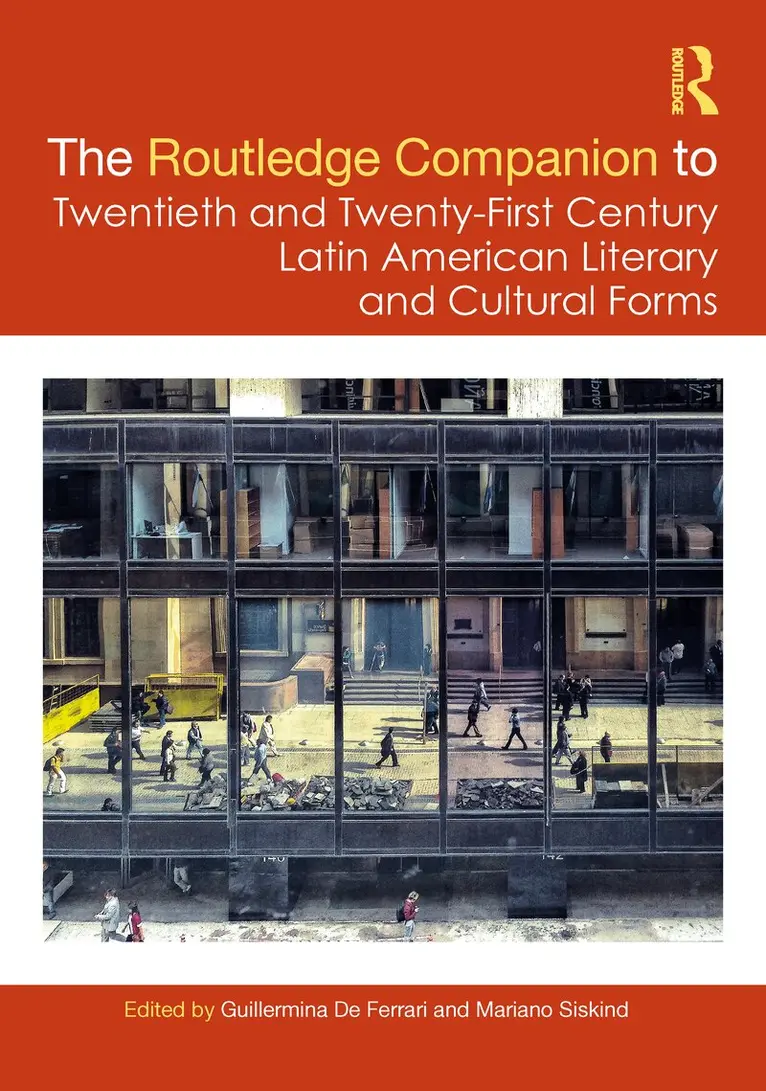
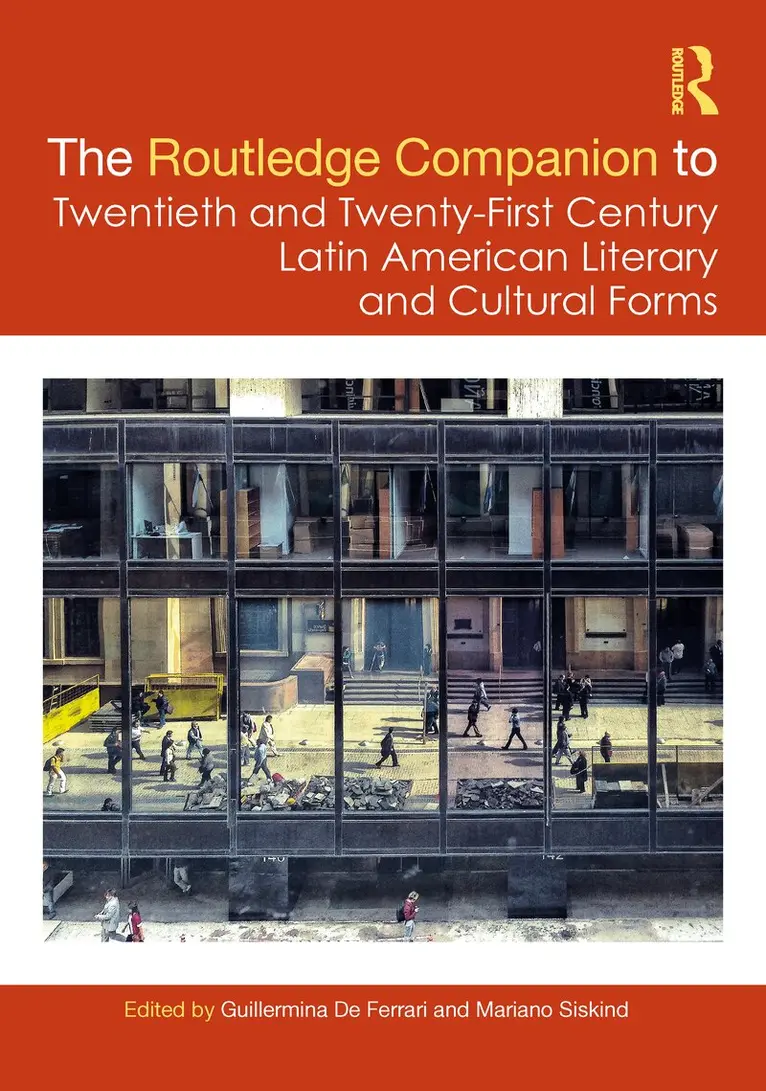
Routledge Companion to Twentieth and Twenty-First Century Latin American Literary and Cultural Forms
Av Guillermina De Ferrari, Mariano Siskind
Inbunden, 2022
4348 kr
Lägg i varukorg
The Routledge Companion to Twentieth and Twenty-First Century Latin American Literary and Cultural Forms brings together a team of expert contributors in this critical and innovative volume. Highlighting key trends within the discipline, as well as cutting-edge viewpoints that revise and redefine …
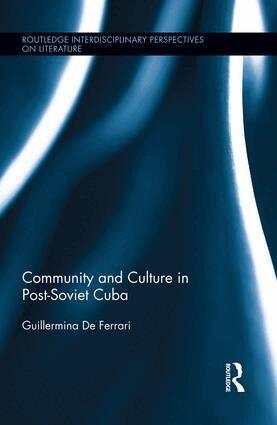
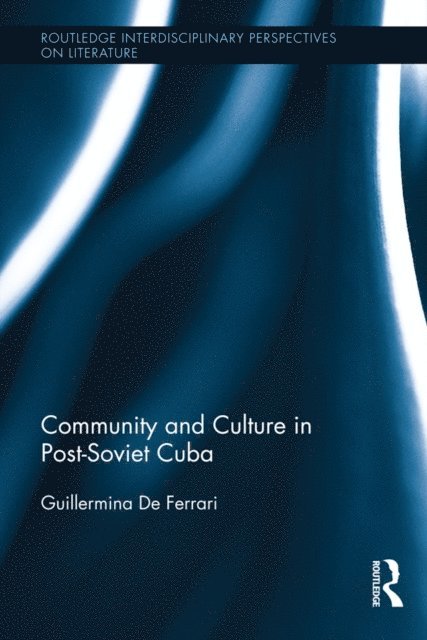
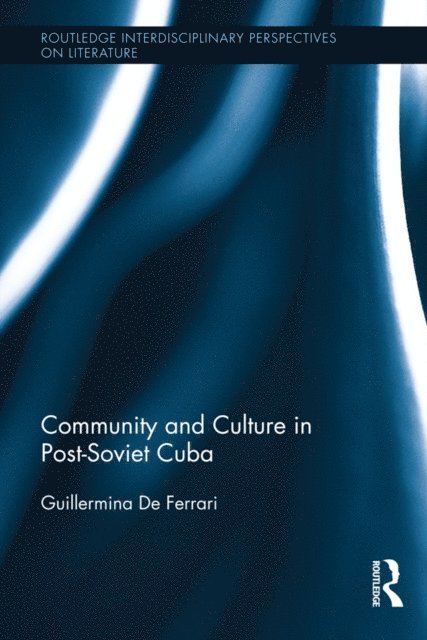
Community and Culture in Post-Soviet Cuba
Inbunden, 2014
2578 kr
Lägg i varukorg
Following the disintegration of the Soviet Union, the globalization of Cuban culture, along with the bankruptcy of the state, partly modified the terms of intellectual engagement. However, no significant change took place at the political level. In Community and Culture in Post-Soviet Cuba, De …
Routledge Companion to Twentieth and Twenty-First Century Latin American Literary and Cultural Forms
Av Mariano Siskind, Guillermina De Ferrari
E-bok, 2022
896 kr
Lägg i varukorg
The Routledge Companion to Twentieth and Twenty-First Century Latin American Literary and Cultural Forms brings together a team of expert contributors in this critical and innovative volume. Highlighting key trends within the discipline, as well as cutting-edge viewpoints that revise and redefine …
Routledge Companion to Twentieth and Twenty-First Century Latin American Literary and Cultural Forms
Av Mariano Siskind, Guillermina De Ferrari
E-bok, 2022
896 kr
Lägg i varukorg
The Routledge Companion to Twentieth and Twenty-First Century Latin American Literary and Cultural Forms brings together a team of expert contributors in this critical and innovative volume. Highlighting key trends within the discipline, as well as cutting-edge viewpoints that revise and redefine …
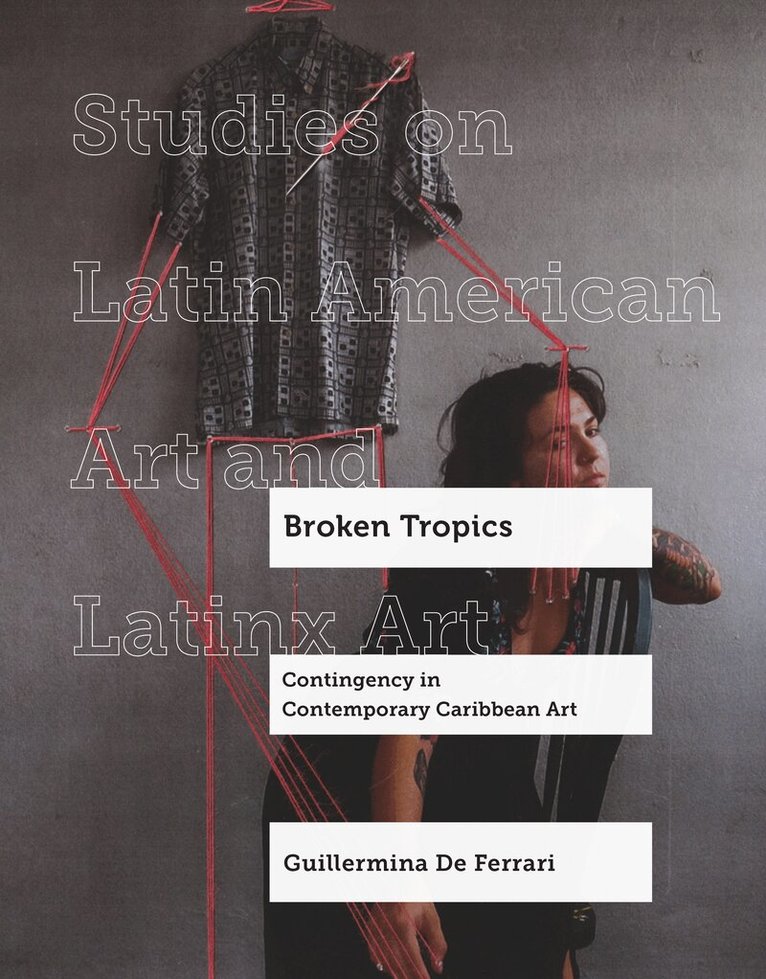
Broken Tropics
Contingency in Contemporary Caribbean Art
Inbunden, 2026
448 kr
Kommande
Broken Tropics examines contemporary art installations, performances, photography, and street art from three primary sites of compounding vulnerability: Cuba, Haiti, and Puerto Rico. Guillermina De Ferrari poses two central questions: How does contingency affect our humanness, and what does art …
Vulnerable States
Bodies of Memory in Contemporary Caribbean Fiction
Inbunden, 2007
1126 kr
Lägg i varukorg
According to Martinican theorist Edouard Glissant, the twentieth century has been dominated in the Caribbean by a passion for the remembrance of colonial history. But while Glissant identifies this passion for memory in the thematizing of nature in Caribbean modernist life, scholar Guillermina De …
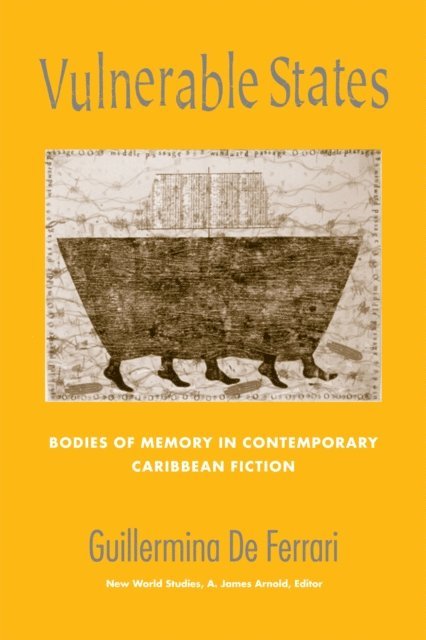
Vulnerable States
Bodies of Memory in Contemporary Caribbean Fiction
Häftad, 2007
397 kr
Lägg i varukorg
According to Martinican theorist Edouard Glissant, the twentieth century has been dominated in the Caribbean by a passion for the remembrance of colonial history. But while Glissant identifies this passion for memory in the thematizing of nature in Caribbean modernist life, scholar Guillermina De …
Vulnerable States
Bodies of Memory in Contemporary Caribbean Fiction
E-bok, 2012
525 kr
Lägg i varukorg
According to Martinican theorist Édouard Glissant, the twentieth century has been dominated in the Caribbean by a passion for the remembrance of colonial history. But while Glissant identifies this passion for memory in the thematizing of nature in Caribbean modernist life, scholar Guillermina De …
Routledge Companion to Twentieth and Twenty-First Century Latin American Literary and Cultural Forms
Av Guillermina De Ferrari, Mariano Siskind
Häftad, 2024
755 kr
Lägg i varukorg
The Routledge Companion to Twentieth and Twenty-First Century Latin American Literary and Cultural Forms brings together a team of expert contributors in this critical and innovative volume. Highlighting key trends within the discipline, as well as cutting-edge viewpoints that revise and redefine …
Community and Culture in Post-Soviet Cuba
Häftad, 2015
844 kr
Lägg i varukorg
Following the disintegration of the Soviet Union, the globalization of Cuban culture, along with the bankruptcy of the state, partly modified the terms of intellectual engagement. However, no significant change took place at the political level. In Community and Culture in Post-Soviet Cuba, De …
Community and Culture in Post-Soviet Cuba
E-bok, 2014
1115 kr
Lägg i varukorg
Following the disintegration of the Soviet Union, the globalization of Cuban culture, along with the bankruptcy of the state, partly modified the terms of intellectual engagement. However, no significant change took place at the political level. In Community and Culture in Post-Soviet Cuba , De …
Community and Culture in Post-Soviet Cuba
E-bok, 2014
1083 kr
Lägg i varukorg
Following the disintegration of the Soviet Union, the globalization of Cuban culture, along with the bankruptcy of the state, partly modified the terms of intellectual engagement. However, no significant change took place at the political level. In Community and Culture in Post-Soviet Cuba , De …