Gustavo Gomes da Costa – författare
Visar alla böcker från författaren Gustavo Gomes da Costa. Handla med fri frakt och snabb leverans.
8 produkter
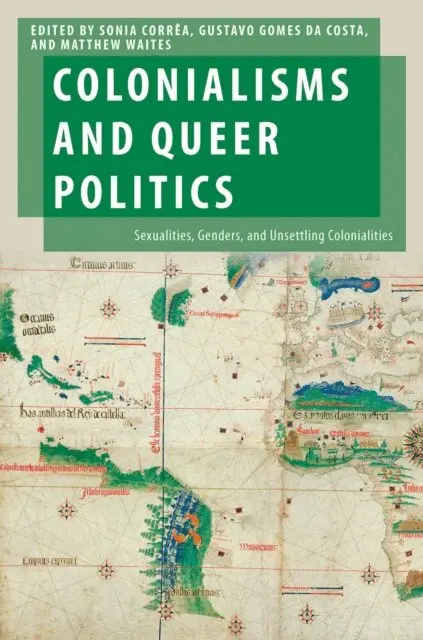
Colonialisms and Queer Politics
Sexualities, Genders, and Unsettling Colonialities
Av Matthew Waites, Gustavo Gomes da Costa m. fl.
E-bok, 2026
326 kr
Lägg i varukorg
Across global queer activism and literature from the social sciences and humanities, the impact of empires on the regulation of sexuality and gender is an emergent theme. While there has been a considerable focus on British colonial criminal law, there is a need to investigate and compare the …
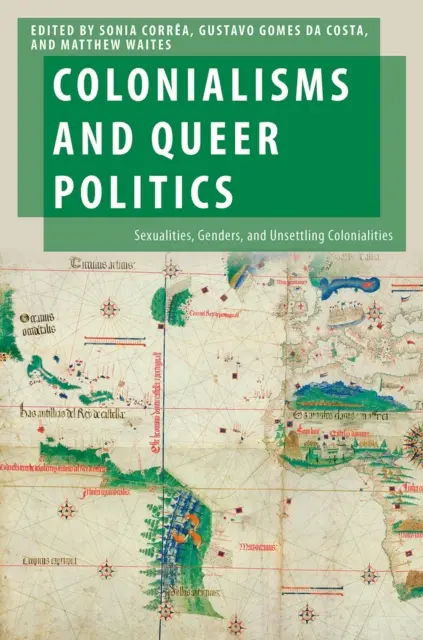
Colonialisms and Queer Politics
Sexualities, Genders, and Unsettling Colonialities
Av Matthew Waites, Gustavo Gomes da Costa m. fl.
E-bok, 2026
326 kr
Lägg i varukorg
Across global queer activism and literature from the social sciences and humanities, the impact of empires on the regulation of sexuality and gender is an emergent theme. While there has been a considerable focus on British colonial criminal law, there is a need to investigate and compare the …
Colonialisms and Queer Politics
Sexualities, Genders, and Unsettling Colonialities
Av Sonia Corrêa, Gustavo Gomes da Costa m. fl.
Inbunden, 2026
2615 kr
Lägg i varukorg
Across global queer activism and literature from the social sciences and humanities, the impact of empires on the regulation of sexuality and gender is an emergent theme. While there has been a considerable focus on British colonial criminal law, there is a need to investigate and compare the …
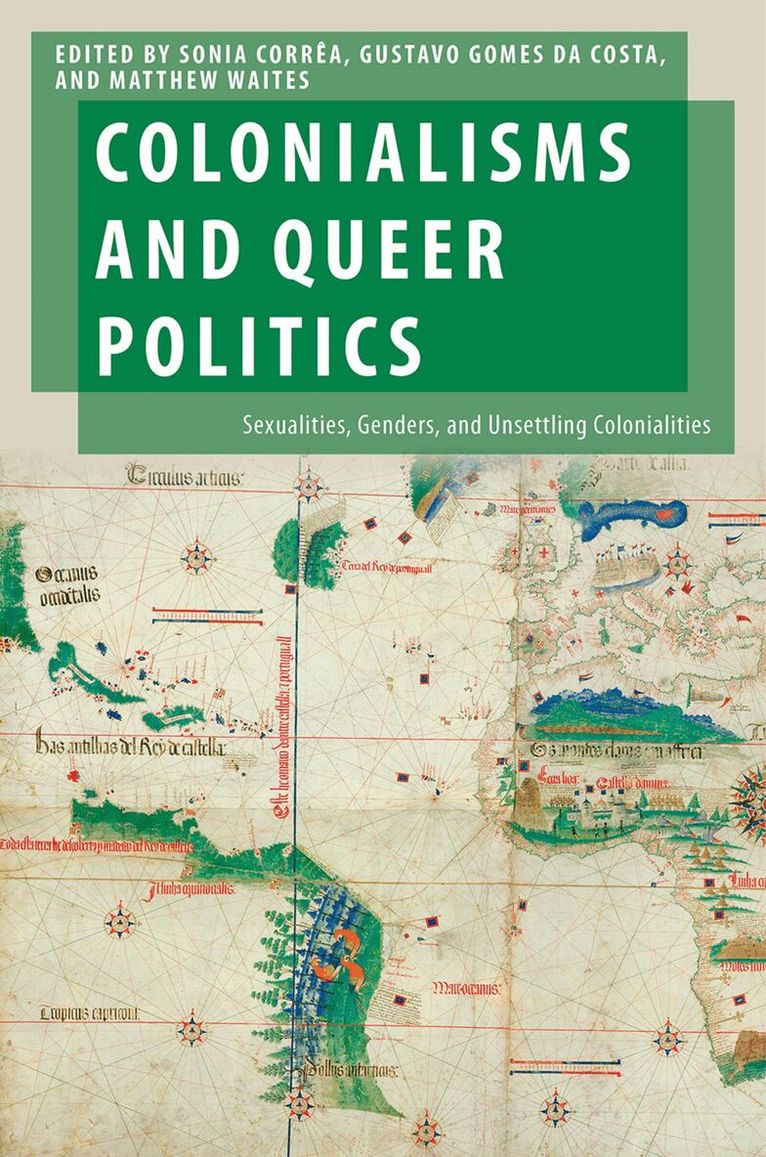
Colonialisms and Queer Politics
Sexualities, Genders, and Unsettling Colonialities
Av Sonia Corrêa, Gustavo Gomes da Costa m. fl.
Häftad, 2026
349 kr
Lägg i varukorg
Across global queer activism and literature from the social sciences and humanities, the impact of empires on the regulation of sexuality and gender is an emergent theme. While there has been a considerable focus on British colonial criminal law, there is a need to investigate and compare the …
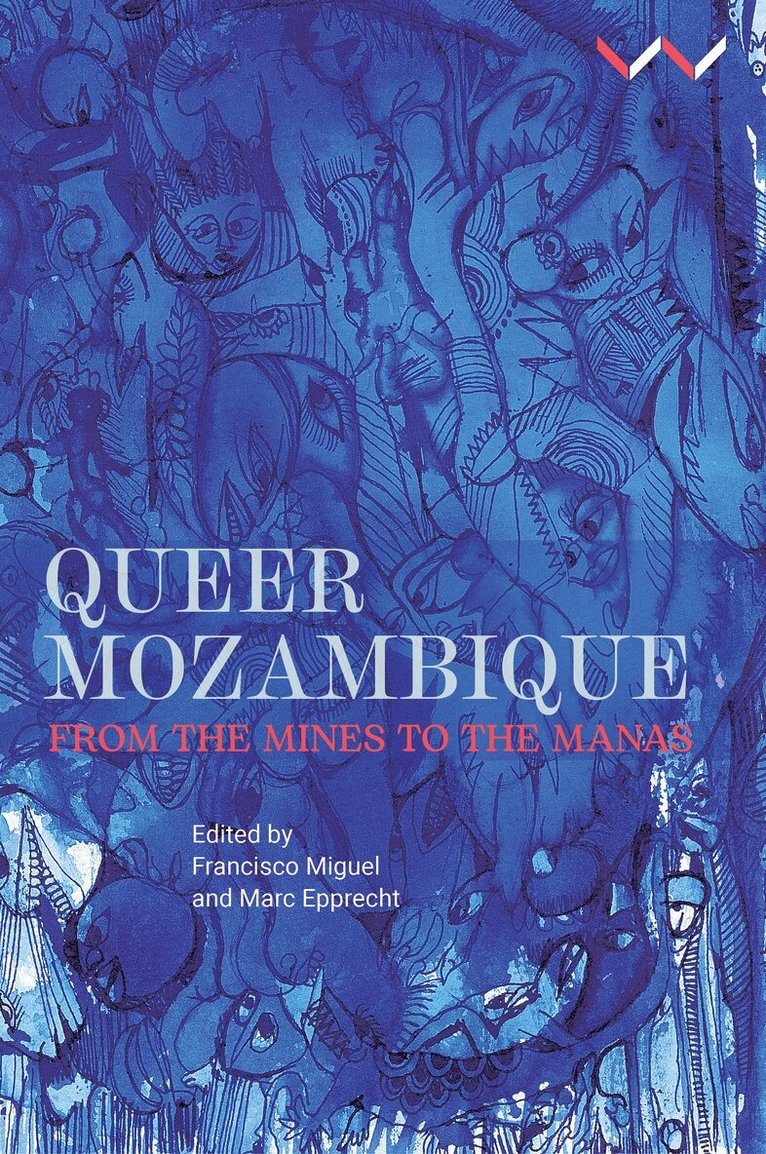
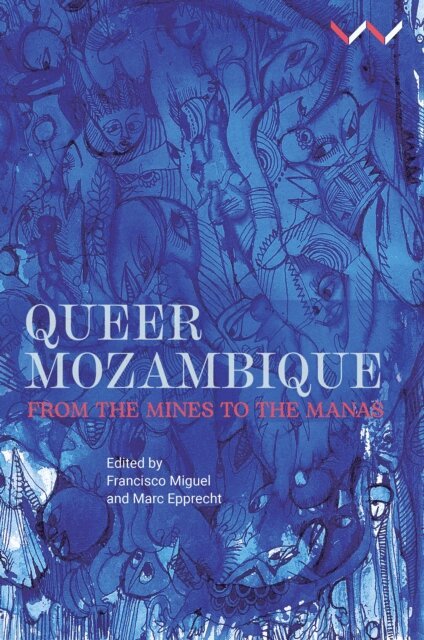
Queer Mozambique
From the Mines to the Manas
Av Francisco P V Miguel, Marc Epprecht m. fl.
Häftad, 2026
442 kr
Lägg i varukorg
Postcolonial Mozambique decriminalized homosexual acts in 2015. This legal reform was not a response to litigation or public pressure, but came from a parliamentary initiative and lobbying by a few organizations. Subsequent public opinion polls show that Mozambique is an outlier in Africa in its …
Queer Mozambique
From the Mines to the Manas
Av Francisco P V Miguel, Marc Epprecht m. fl.
Inbunden, 2026
1507 kr
Lägg i varukorg
Postcolonial Mozambique decriminalized homosexual acts in 2015. This legal reform was not a response to litigation or public pressure, but came from a parliamentary initiative and lobbying by a few organizations. Subsequent public opinion polls show that Mozambique is an outlier in Africa in its …
Queer Mozambique
From the mines to the manas
Av Agostao Jose Zitha, Matthew Waites m. fl.
E-bok, 2026
449 kr
Lägg i varukorg
Postcolonial Mozambique decriminalised homosexual acts in 2015. This legal reform was not a response to litigation or public pressure, but came from a parliamentary initiative and lobbying by a few organisations. Subsequent public opinion polls show that Mozambique is an outlier in Africa in its …
Queer Mozambique
From the mines to the manas
Av Agostao Jose Zitha, Matthew Waites m. fl.
E-bok, 2026
459 kr
Lägg i varukorg
Postcolonial Mozambique decriminalised homosexual acts in 2015. This legal reform was not a response to litigation or public pressure, but came from a parliamentary initiative and lobbying by a few organisations. Subsequent public opinion polls show that Mozambique is an outlier in Africa in its …