Guy Widdershoven - Böcker
Visar alla böcker från författaren Guy Widdershoven. Handla med fri frakt och snabb leverans.
2 produkter
2 produkter
1 025 kr
Skickas inom 5-8 vardagar
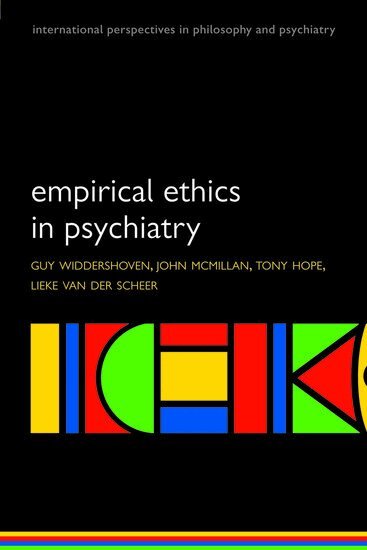
Psychiatry presents a unique array of difficult ethical questions. However, a major challenge is to approach psychiatry in a way that does justice to the real ethical issues. Recently there has been a growing body of research in empirical psychiatric ethics, and an increased interest in how empirical and philosophical methods can be combined. Empirical Ethics in Psychiatry demonstrates how ethics can engage more closely with the reality of psychiatric practice and shows how empirical methodologies from the social sciences can help foster this link.The book is divided into two sections. In the first section there are discussions of the possibility of empirical ethics from a theoretical standpoint and an overview of the history of empirical medical ethics in general. The second, larger section is made up of chapters, discussing specific research projects in empirical psychiatric ethics. The contributors reflect on their choice of method: how and why they combine empirical and philosophical work, and how the two approaches relate to each other. The chapters in the second part thus have two purposes. The first is to present examples of empirical ethics in psychiatry; the second is to reflect on the way in which empirical research can support ethical analysis.Empirical Ethics in Psychiatry is a unique contribution to bioethics and will be fascinating reading for all those working within the field, as well as mental health care professionals.
837 kr
Skickas inom 7-10 vardagar
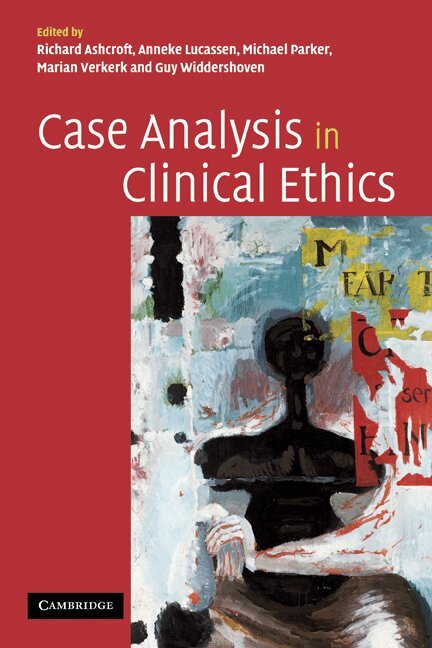
Case Analysis in Clinical Ethics is an eclectic review from a team of leading ethicists covering the main methods for analysing ethical problems in modern medicine. Anneke Lucassen, a clinician, begins by presenting an ethically challenging genetics case drawn from her clinical experience. It is then analysed from different theoretical points of view. Each ethicist takes a particular approach, illustrating it in action and giving the reader a basic grounding in its central elements. Each chapter can be read on its own, but comparison between them gives the reader a sense of how far methodology in medical ethics matters, and how different theoretical starting points can lead to different practical conclusions. At the end, Anneke Lucassen gives a clinician's response to the various ethical methods described. Practising clinical ethicists and students on upper level undergraduate and Master's degree courses in medical ethics and applied philosophy will find this invaluable.