G.W. Bowersock – författare
Visar alla böcker från författaren G.W. Bowersock. Handla med fri frakt och snabb leverans.
4 produkter
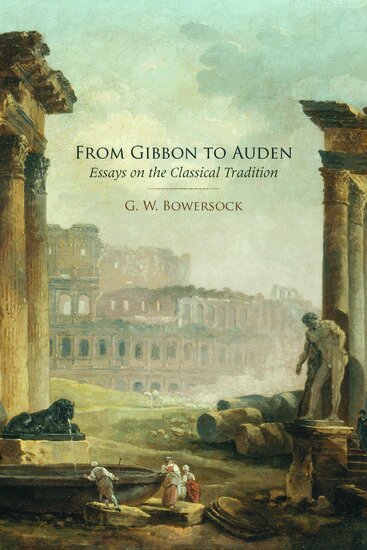
From Gibbon to Auden
Essays on the Classical Tradition
Inbunden, 2009
1619 kr
Lägg i varukorg
For several decades G. W. Bowersock has been one of our leading historians of the classical world. This volume collects seventeen of his essays, each illustrating how the classical past has captured the imagination of some of the greatest figures in modern historiography and literature. The essays …
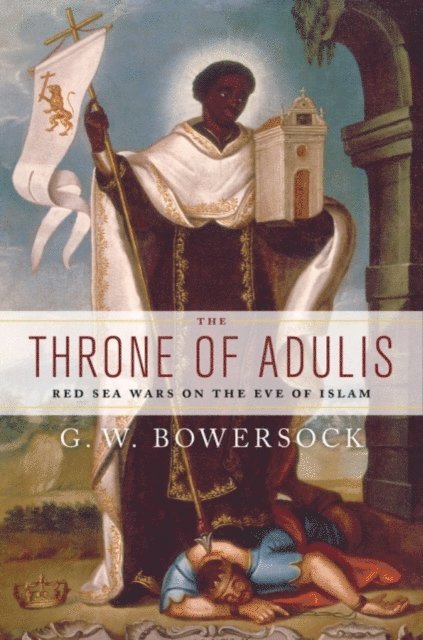
Throne of Adulis
Red Sea Wars on the Eve of Islam
E-bok, 2013
457 kr
Lägg i varukorg
Just prior to the rise of Islam in the sixth century AD, southern Arabia was embroiled in a violent conflict between Christian Ethiopians and Jewish Arabs. Though little known today, this was an international war that involved both the Byzantine Empire, which had established Christian churches in …
Throne of Adulis
Red Sea Wars on the Eve of Islam
E-bok, 2013
457 kr
Lägg i varukorg
Just prior to the rise of Islam in the sixth century AD, southern Arabia was embroiled in a violent conflict between Christian Ethiopians and Jewish Arabs. Though little known today, this was an international war that involved both the Byzantine Empire, which had established Christian churches in …
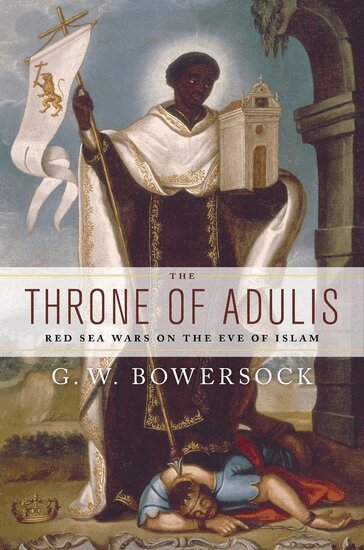
The Throne of Adulis
Red Sea Wars on the Eve of Islam
Inbunden, 2013
652 kr
Lägg i varukorg
Just prior to the rise of Islam, in the sixth century AD, southern Arabia was embroiled in a holy war between Christian Ethiopians and Jewish Arabs. The Jewish kingdom, composed of ethnic Arabs who had converted to Judaism more than a century before, had launched a bloody pogrom against Christians …