Gwen Kirkpatrick – författare
Visar alla böcker från författaren Gwen Kirkpatrick. Handla med fri frakt och snabb leverans.
9 produkter
9 produkter
Häftad, Engelska, 2008
217 kr
Skickas inom 5-8 vardagar
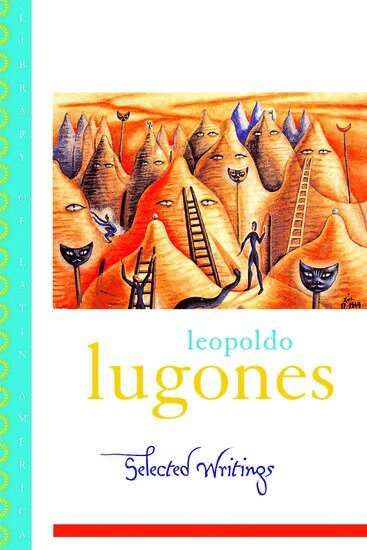
Argentina's best-known writer during his lifetime, Leopoldo Lugones's work spans many literary styles and ideological positions. He was influential as a modernist poet, as a precursor of the avant-garde, and also as the poet of Argentine nature. His short stories (Las Fuerzas Extranas: 1906) were early examples of the fantastic in Latin American fiction and influenced Borges, Quiroga, and others They reflect an interest in the uncanny and inspired contemporary interest in animism and occultism because the protagonists of many the stories were scientists and doctors experimenting in the transmutation of thought. His prose works include La Guerra Gaucha (1905) and the essay El Payador (1916) in which he idealized the gaucho as a heroic figure, popular poet, and a symbol of Argentine identity. Lugones altered his political views many times, adopting radical anarchism, and later in life, fascism. He was therefore a controversial figure, both accalimed and scorned by his contemporaries. His adherence to the importance of literary form drew criticism from the new generation of writers, such as Borges, but Borges later stated in 1955 that "Lugones was and continues to be the greatest Argentine writer."
E-bok
PDF, Engelska, 2008182 kr
Läs direkt efter köp
Argentina''s best-known writer during his lifetime, Leopoldo Lugones''s work spans many literary styles and ideological positions. He was influential as a modernist poet, as a precursor of the avant-garde, and also as the poet of Argentine nature. His short stories (Las Fuerzas Extranas: 1906) were early examples of the fantastic in Latin American fiction and influenced Borges, Quiroga, and others They reflect an interest in the uncanny and inspired contemporary interest in animism and occultism because the protagonists of many the stories were scientists and doctors experimenting in the transmutation of thought. His prose works include La Guerra Gaucha (1905) and the essay El Payador (1916) in which he idealized the gaucho as a heroic figure, popular poet, and a symbol of Argentine identity. Lugones altered his political views many times, adopting radical anarchism, and later in life, fascism. He was therefore a controversial figure, both accalimed and scorned by his contemporaries. His adherence to the importance of literary form drew criticism from the new generation of writers, such as Borges, but Borges later stated in 1955 that "Lugones was and continues to be the greatest Argentine writer."
E-bok
Engelska, 2008182 kr
Läs direkt efter köp
Argentina''s best-known writer during his lifetime, Leopoldo Lugones''s work spans many literary styles and ideological positions. He was influential as a modernist poet, as a precursor of the avant-garde, and also as the poet of Argentine nature. His short stories (Las Fuerzas Extranas: 1906) were early examples of the fantastic in Latin American fiction and influenced Borges, Quiroga, and others They reflect an interest in the uncanny and inspired contemporary interest in animism and occultism because the protagonists of many the stories were scientists and doctors experimenting in the transmutation of thought. His prose works include La Guerra Gaucha (1905) and the essay El Payador (1916) in which he idealized the gaucho as a heroic figure, popular poet, and a symbol of Argentine identity. Lugones altered his political views many times, adopting radical anarchism, and later in life, fascism. He was therefore a controversial figure, both accalimed and scorned by his contemporaries. His adherence to the importance of literary form drew criticism from the new generation of writers, such as Borges, but Borges later stated in 1955 that "Lugones was and continues to be the greatest Argentine writer."
E-bok
Engelska, 2023433 kr
Läs direkt efter köp
Domingo Faustino Sarmiento (1811-1888) was--and continues to be--one of the most important and controversial figures in Latin American history. Diplomat, statesman, educator, visionary, and president of Argentina from 1868 to 1874, he also produced two avowed masterpieces of Spanish prose--Facundo and Recuerdos de Provincia. He saw himself as the standard-bearer of European liberalism in Spanish America and the architect of a nation built on its ideals. Almost all of the great shapers of intellectual life in Latin America have had to reckon with his visions of culture and progress. First of its kind in English, this collection of 22 essays by preeminent interpreters of Latin American culture tackles the paradox of the Sarmiento legacy--his ambitious attempt to reshape Argentina into a modern, export economy society set against his unrivaled position at the center of Spanish American letters--and shows the ways in which the political and literary projects are inextricably linked. Since Sarmiento''s legacy continues to define contemporary ideologies, this book is certain to provoke debates among students of Latin American history, politics, and culture.Domingo Faustino Sarmiento (1811-1888) was--and continues to be--one of the most important and controversial figures in Latin American history. Diplomat, statesman, educator, visionary, and president of Argentina from 1868 to 1874, he also produced two av
Del 3 - Latin American Literature and Culture
Dissonant Legacy of Modernismo
Lugones, Herrera y Reissig, and the Voices of Modern Spanish American Poetry
Häftad, Engelska, 2021
686 kr
Skickas inom 5-8 vardagar
The Dissonant Legacy of Modernismo: Lugones, Herrera y Reissig, and the Voices of Modern Spanish American Poetry examines the intricate evolution of modernista poetry in Spanish America, focusing on the works of key figures such as Leopoldo Lugones, Julio Herrera y Reissig, and their successors. The book explores the contradictions and shifts within modernismo, a literary movement defined by its ornamental style and the tension between tradition and innovation. Lugones, known for his diverse body of work, epitomizes the fragmented nature of the movement, offering a precursor to the dissonant trend that would influence later poets. His early works, starting from 1893, signal a break from inherited poetic traditions and social structures, employing innovative thematic elements and technical procedures that defy conventional poetic forms. This drive for reform, despite Lugones' later authoritarian leanings, positions him as a central figure in understanding the dissonant legacy of modernismo.The study then shifts to other poets like Herrera y Reissig, who, like Lugones, questioned and subverted modernismo's conventions. These poets expanded the movement's boundaries, challenging European models and incorporating elements of the colloquial, the ridiculous, and the avant-garde. By exaggerating and naturalizing European influences, they not only resisted but also transformed traditional poetic structures. Through metaphors like the map, the landscape, and the city, the book reveals how modernista poetry’s sensory overload created gaps that allowed for the emergence of new poetic possibilities. As social and economic changes reshaped Spanish American societies, poets began to fragment poetic structures, deconstructing rhyme, rhythm, and meter. This deconstruction laid the groundwork for the radical experiments of vanguardista poets and the broader transformation of Spanish American poetry in the twentieth century. Ultimately, the book demonstrates how the dislocations in modernismo, often seen as imperfect imitations, were in fact innovative subversions that dissolved traditional hierarchies, allowing for the development of a distinct Spanish American poetic voice.This title is part of UC Press's Voices Revived program, which commemorates University of California Press’s mission to seek out and cultivate the brightest minds and give them voice, reach, and impact. Drawing on a backlist dating to 1893, Voices Revived makes high-quality, peer-reviewed scholarship accessible once again using print-on-demand technology. This title was originally published in 1989.
E-bok
Engelska, 2023484 kr
Läs direkt efter köp
The Dissonant Legacy of Modernismo: Lugones, Herrera y Reissig, and the Voices of Modern Spanish American Poetry examines the intricate evolution of modernista poetry in Spanish America, focusing on the works of key figures such as Leopoldo Lugones, Julio Herrera y Reissig, and their successors. The book explores the contradictions and shifts within modernismo, a literary movement defined by its ornamental style and the tension between tradition and innovation. Lugones, known for his diverse body of work, epitomizes the fragmented nature of the movement, offering a precursor to the dissonant trend that would influence later poets. His early works, starting from 1893, signal a break from inherited poetic traditions and social structures, employing innovative thematic elements and technical procedures that defy conventional poetic forms. This drive for reform, despite Lugones' later authoritarian leanings, positions him as a central figure in understanding the dissonant legacy of modernismo. The study then shifts to other poets like Herrera y Reissig, who, like Lugones, questioned and subverted modernismo's conventions. These poets expanded the movement's boundaries, challenging European models and incorporating elements of the colloquial, the ridiculous, and the avant-garde. By exaggerating and naturalizing European influences, they not only resisted but also transformed traditional poetic structures. Through metaphors like the map, the landscape, and the city, the book reveals how modernista poetry’s sensory overload created gaps that allowed for the emergence of new poetic possibilities. As social and economic changes reshaped Spanish American societies, poets began to fragment poetic structures, deconstructing rhyme, rhythm, and meter. This deconstruction laid the groundwork for the radical experiments of vanguardista poets and the broader transformation of Spanish American poetry in the twentieth century. Ultimately, the book demonstrates how the dislocations in modernismo, often seen as imperfect imitations, were in fact innovative subversions that dissolved traditional hierarchies, allowing for the development of a distinct Spanish American poetic voice. This title is part of UC Press's Voices Revived program, which commemorates University of California Press’s mission to seek out and cultivate the brightest minds and give them voice, reach, and impact. Drawing on a backlist dating to 1893, Voices Revived makes high-quality, peer-reviewed scholarship accessible once again using print-on-demand technology. This title was originally published in 1989.
Del 3 - Latin American Literature and Culture
Dissonant Legacy of Modernismo
Lugones, Herrera y Reissig, and the Voices of Modern Spanish American Poetry
Inbunden, Engelska, 2021
1 291 kr
Skickas inom 5-8 vardagar
The Dissonant Legacy of Modernismo: Lugones, Herrera y Reissig, and the Voices of Modern Spanish American Poetry examines the intricate evolution of modernista poetry in Spanish America, focusing on the works of key figures such as Leopoldo Lugones, Julio Herrera y Reissig, and their successors. The book explores the contradictions and shifts within modernismo, a literary movement defined by its ornamental style and the tension between tradition and innovation. Lugones, known for his diverse body of work, epitomizes the fragmented nature of the movement, offering a precursor to the dissonant trend that would influence later poets. His early works, starting from 1893, signal a break from inherited poetic traditions and social structures, employing innovative thematic elements and technical procedures that defy conventional poetic forms. This drive for reform, despite Lugones' later authoritarian leanings, positions him as a central figure in understanding the dissonant legacy of modernismo.The study then shifts to other poets like Herrera y Reissig, who, like Lugones, questioned and subverted modernismo's conventions. These poets expanded the movement's boundaries, challenging European models and incorporating elements of the colloquial, the ridiculous, and the avant-garde. By exaggerating and naturalizing European influences, they not only resisted but also transformed traditional poetic structures. Through metaphors like the map, the landscape, and the city, the book reveals how modernista poetry’s sensory overload created gaps that allowed for the emergence of new poetic possibilities. As social and economic changes reshaped Spanish American societies, poets began to fragment poetic structures, deconstructing rhyme, rhythm, and meter. This deconstruction laid the groundwork for the radical experiments of vanguardista poets and the broader transformation of Spanish American poetry in the twentieth century. Ultimately, the book demonstrates how the dislocations in modernismo, often seen as imperfect imitations, were in fact innovative subversions that dissolved traditional hierarchies, allowing for the development of a distinct Spanish American poetic voice.This title is part of UC Press's Voices Revived program, which commemorates University of California Press’s mission to seek out and cultivate the brightest minds and give them voice, reach, and impact. Drawing on a backlist dating to 1893, Voices Revived makes high-quality, peer-reviewed scholarship accessible once again using print-on-demand technology. This title was originally published in 1989.
Häftad, Engelska, 2015
361 kr
Skickas inom 5-8 vardagar
Inbunden, Engelska, 2015
545 kr
Skickas inom 5-8 vardagar