H. Hicks – författare
Visar alla böcker från författaren H. Hicks. Handla med fri frakt och snabb leverans.
6 produkter
6 produkter
Inbunden, Engelska, 2009
629 kr
Skickas inom 10-15 vardagar
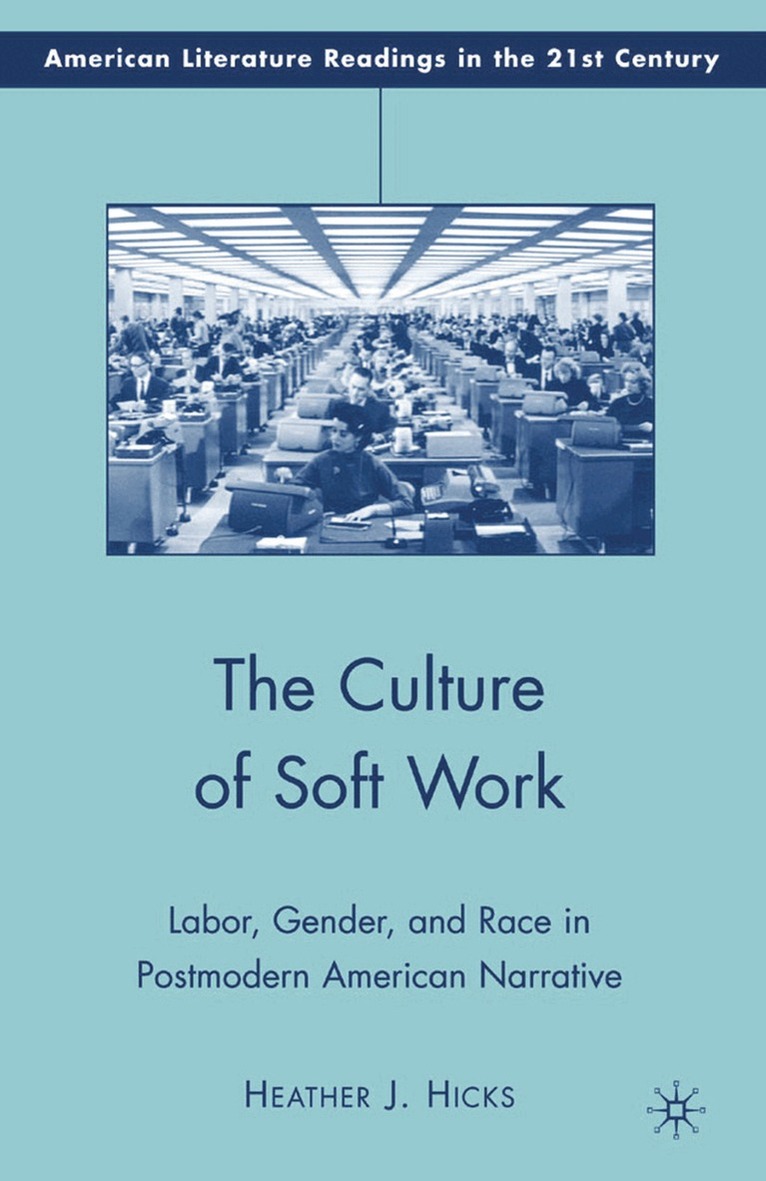
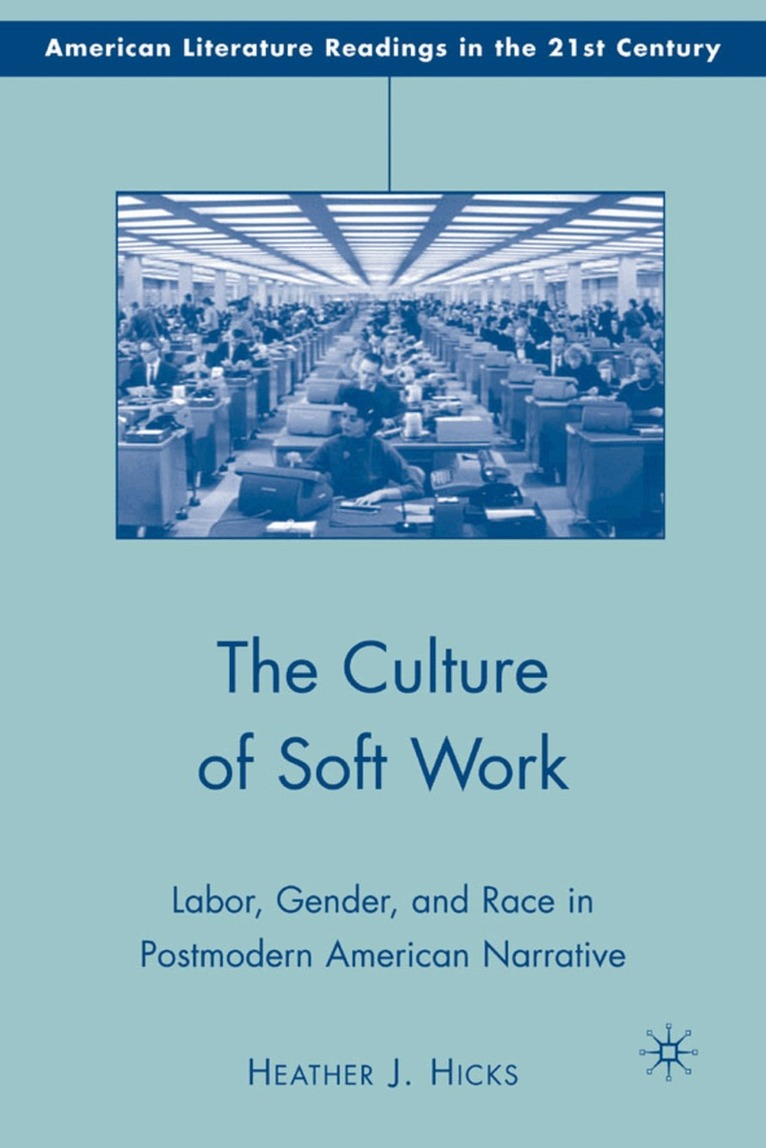
The Culture of Soft Work examines American writers' responses to human resource management and motivational techniques in the workplace through readings of postmodern novels and a diverse range of other canonical and popular texts.
E-bok
PDF, Engelska, 2008819 kr
Läs direkt efter köp
The Culture of Soft Work examines American writers'' responses to human resource management and motivational techniques in the workplace through readings of postmodern novels and a diverse range of other canonical and popular texts.
E-bok
PDF, Engelska, 2016819 kr
Läs direkt efter köp
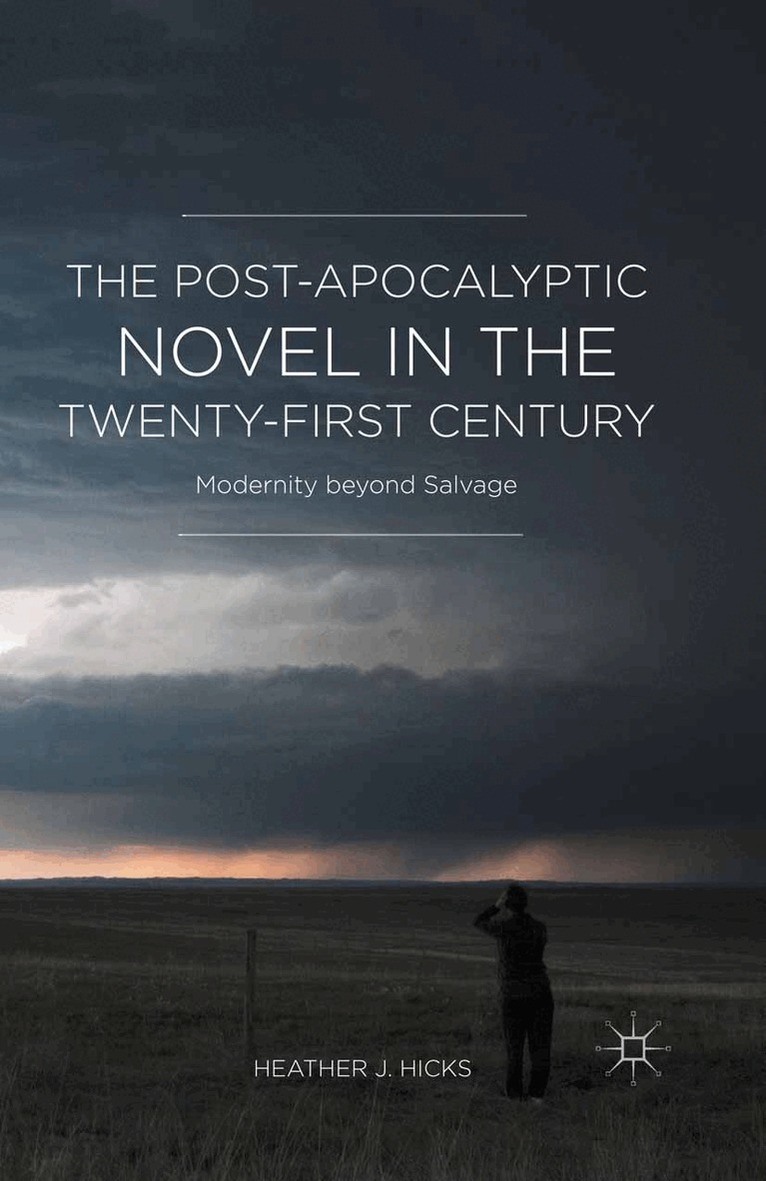
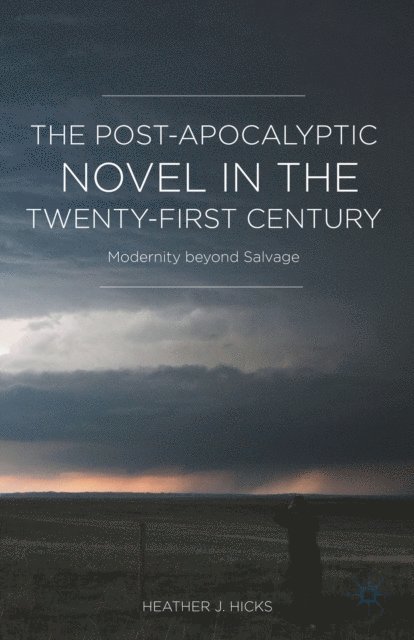
Since the beginning of the twenty-first century, major Anglophone authors have flocked to a literary form once considered lowbrow ''genre fiction'': the post-apocalyptic novel. Calling on her broad knowledge of the history of apocalyptic literature, Hicks examines the most influential post-apocalyptic novels written since the beginning of the new millennium, including works by Margaret Atwood, David Mitchell, Cormac McCarthy, Jeanette Winterson, Colson Whitehead, and Paolo Bacigalupi. Situating her careful readings in relationship to the scholarship of a wide range of historians, theorists, and literary critics, she argues that these texts use the post-apocalyptic form to reevaluate modernity in the context of the new century''s political, economic, and ecological challenges. In the immediate wake of disaster, the characters in these novels desperately scavenge the scraps of the modern world. But what happens to modernity beyond these first moments of salvage? In a period when postmodernism no longer defines cultural production, Hicks convincingly demonstrates that these writers employ conventions of post-apocalyptic genre fiction to reengage with key features of modernity, from historical thinking and the institution of nationhood to rationality and the practices of literacy itself.
Inbunden, Engelska, 2016
939 kr
Skickas inom 10-15 vardagar
Since the beginning of the twenty-first century, major Anglophone authors have flocked to a literary form once considered lowbrow 'genre fiction': the post-apocalyptic novel. Calling on her broad knowledge of the history of apocalyptic literature, Hicks examines the most influential post-apocalyptic novels written since the beginning of the new millennium, including works by Margaret Atwood, David Mitchell, Cormac McCarthy, Jeanette Winterson, Colson Whitehead, and Paolo Bacigalupi. Situating her careful readings in relationship to the scholarship of a wide range of historians, theorists, and literary critics, she argues that these texts use the post-apocalyptic form to reevaluate modernity in the context of the new century's political, economic, and ecological challenges. In the immediate wake of disaster, the characters in these novels desperately scavenge the scraps of the modern world. But what happens to modernity beyond these first moments of salvage? In a period when postmodernism no longer defines cultural production, Hicks convincingly demonstrates that these writers employ conventions of post-apocalyptic genre fiction to reengage with key features of modernity, from historical thinking and the institution of nationhood to rationality and the practices of literacy itself.
Häftad, Engelska, 2015
629 kr
Skickas inom 10-15 vardagar
The Culture of Soft Work examines American writers' responses to human resource management and motivational techniques in the workplace through readings of postmodern novels and a diverse range of other canonical and popular texts.
Häftad, Engelska, 2016
629 kr
Skickas inom 10-15 vardagar
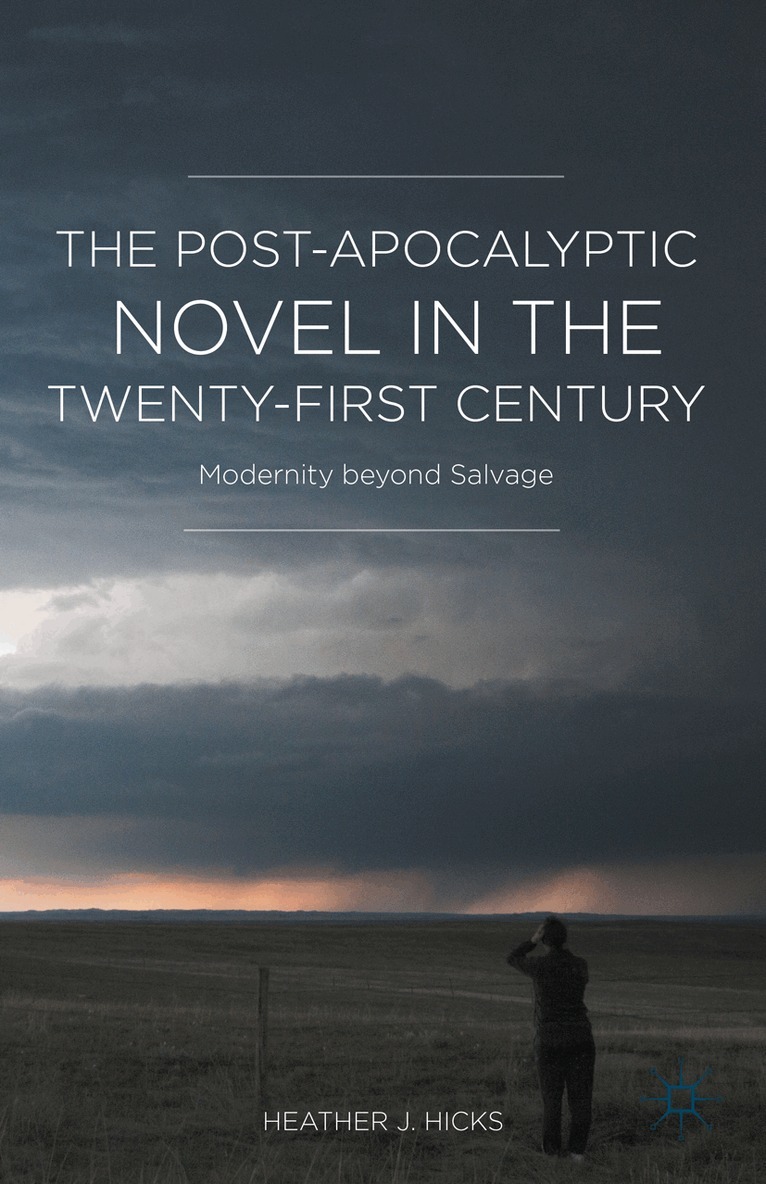
Since the beginning of the twenty-first century, major Anglophone authors have flocked to a literary form once considered lowbrow 'genre fiction': the post-apocalyptic novel. Calling on her broad knowledge of the history of apocalyptic literature, Hicks examines the most influential post-apocalyptic novels written since the beginning of the new millennium, including works by Margaret Atwood, David Mitchell, Cormac McCarthy, Jeanette Winterson, Colson Whitehead, and Paolo Bacigalupi. Situating her careful readings in relationship to the scholarship of a wide range of historians, theorists, and literary critics, she argues that these texts use the post-apocalyptic form to reevaluate modernity in the context of the new century's political, economic, and ecological challenges. In the immediate wake of disaster, the characters in these novels desperately scavenge the scraps of the modern world. But what happens to modernity beyond these first moments of salvage? In a period when postmodernism no longer defines cultural production, Hicks convincingly demonstrates that these writers employ conventions of post-apocalyptic genre fiction to reengage with key features of modernity, from historical thinking and the institution of nationhood to rationality and the practices of literacy itself.