Hana Navratilova – författare
Visar alla böcker från författaren Hana Navratilova. Handla med fri frakt och snabb leverans.
8 produkter
Life of a Pyramid
A Cultural Biography of Dahshur
Inbunden, 2026
1534 kr
Lägg i varukorg
This cultural biography of a major ancient Egyptian monument maps the inception, life, and afterlife of the pyramid complex of King Senwosret III at Dahshur in Egypt, spanning five millennia from the beginnings of the ancient Egyptian state to modern times. The study transcends traditional …
Life of a Pyramid
A Cultural Biography of Dahshur
E-bok, 2026
688 kr
Lägg i varukorg
This cultural biography of a major ancient Egyptian monument maps the inception, life, and afterlife of the pyramid complex of King Senwosret III at Dahshur in Egypt, spanning five millennia from the beginnings of the ancient Egyptian state to modern times. The study transcends traditional …
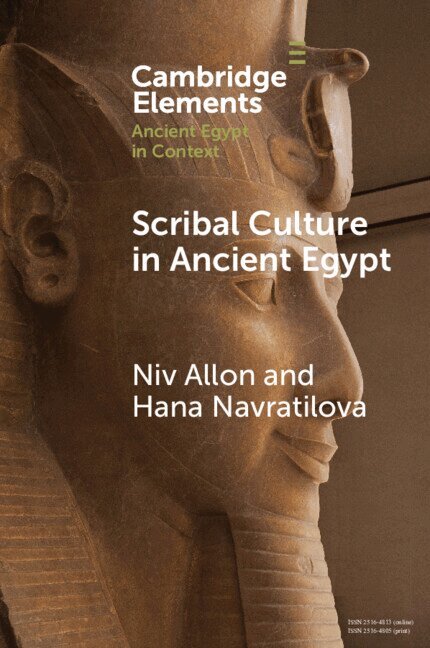
Scribal Culture in Ancient Egypt
Av Niv Allon, Hana Navratilova
Häftad, 2023
282 kr
Lägg i varukorg
This Element seeks to characterize the scribal culture in ancient Egypt through its textual acts, which were of prime importance in this culture: writing, list-making, drawing, and copying. Drawing upon texts, material objects, and archeological evidence, this Element will touch upon main themes at …
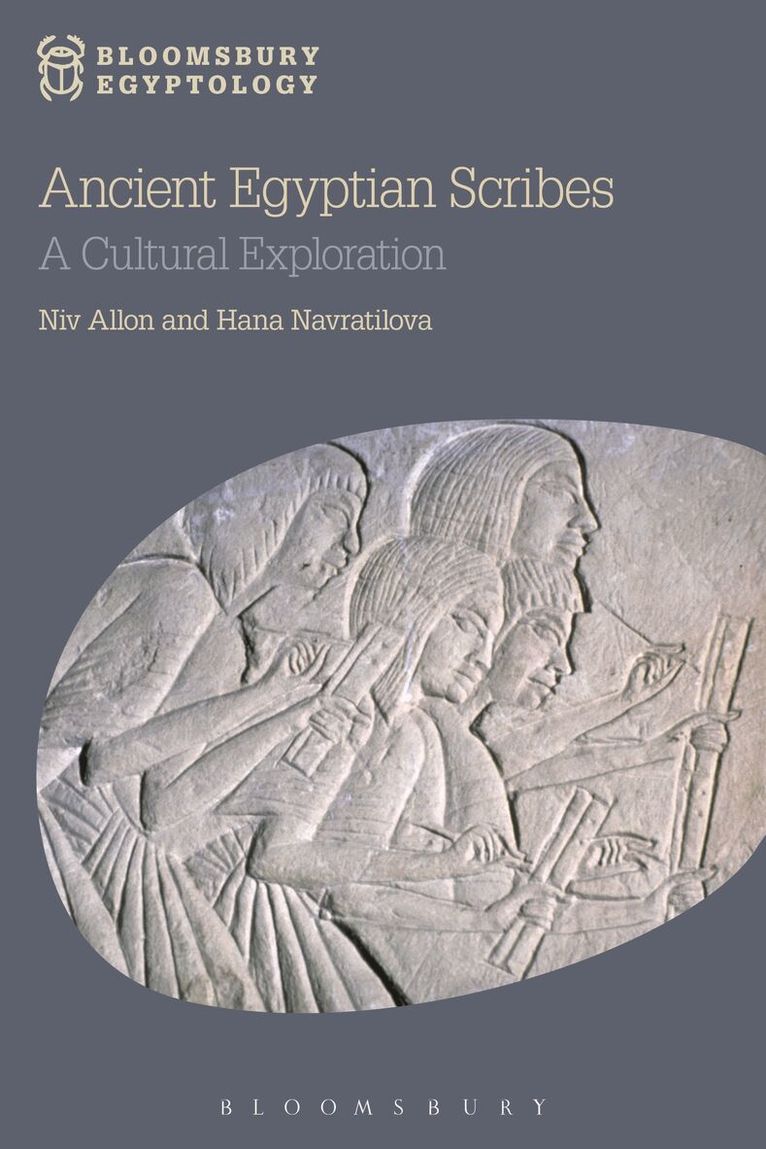
Ancient Egyptian Scribes
A Cultural Exploration
Av Hana Navratilova, Niv Allon
Inbunden, 2017
2043 kr
Lägg i varukorg
The modern view of the ancient Egyptian world is often through the lens of a scribe: the trained, schooled, literate individual who was present at many levels of Egyptian society, from a local accountant to the highest echelons of society. And yet, despite the wealth of information the scribes left …
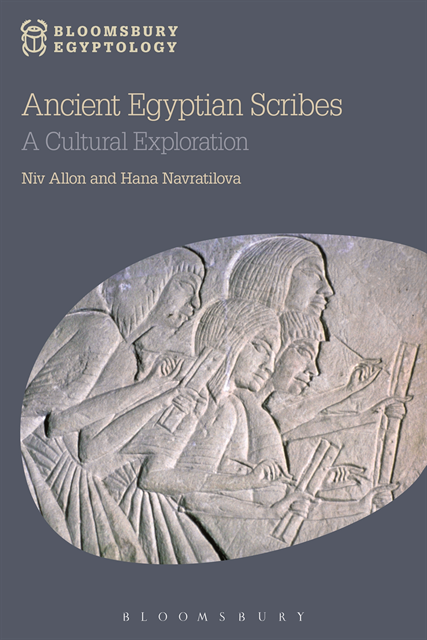
Ancient Egyptian Scribes
A Cultural Exploration
Av Hana Navratilova, Niv Allon
Häftad, 2018
531 kr
Lägg i varukorg
The modern view of the ancient Egyptian world is often through the lens of a scribe: the trained, schooled, literate individual who was present at many levels of Egyptian society, from a local accountant to the highest echelons of society. And yet, despite the wealth of information the scribes left …
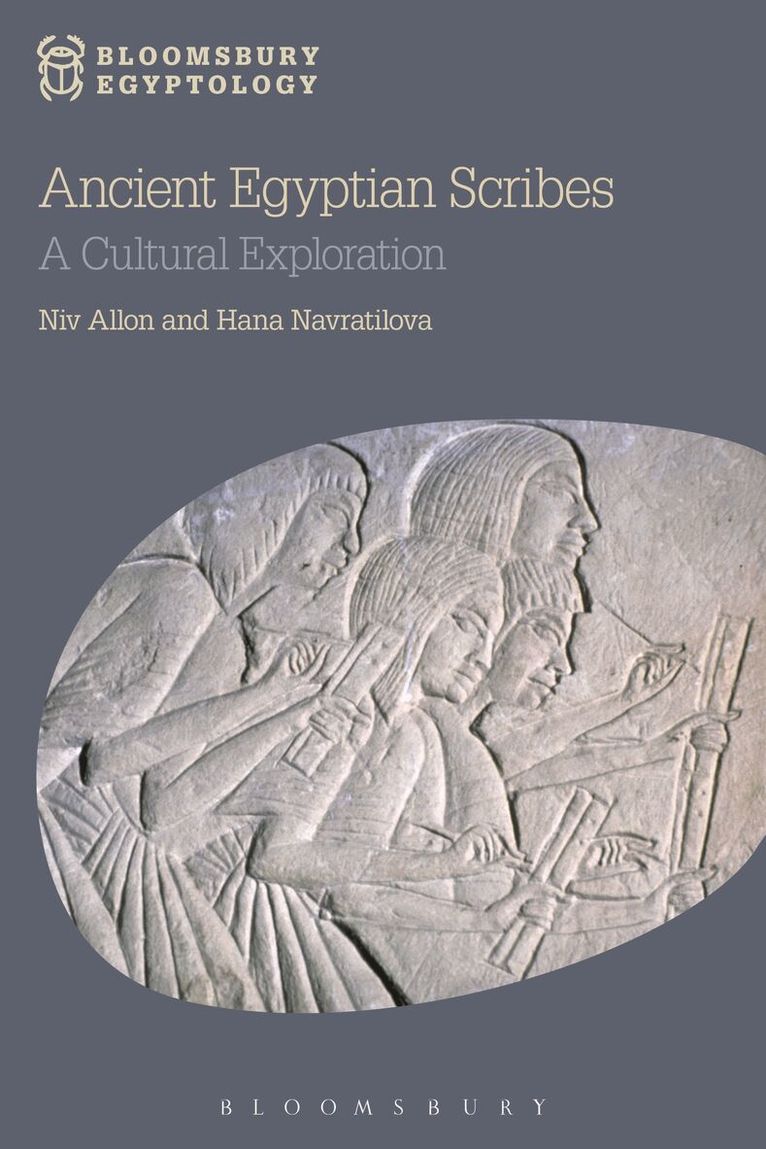
Ancient Egyptian Scribes
A Cultural Exploration
Av Niv Allon, Hana Navratilova
E-bok, 2017
578 kr
Lägg i varukorg
The modern view of the ancient Egyptian world is often through the lens of a scribe: the trained, schooled, literate individual who was present at many levels of Egyptian society, from a local accountant to the highest echelons of society. And yet, despite the wealth of information the scribes left …
Ancient Egyptian Scribes
A Cultural Exploration
Av Niv Allon, Hana Navratilova
E-bok, 2017
578 kr
Lägg i varukorg
The modern view of the ancient Egyptian world is often through the lens of a scribe: the trained, schooled, literate individual who was present at many levels of Egyptian society, from a local accountant to the highest echelons of society. And yet, despite the wealth of information the scribes left …