Hanna E. Morris – Författare
Visar alla böcker från författaren Hanna E. Morris. Handla med fri frakt och snabb leverans.
4 produkter
4 produkter
875 kr
Skickas inom 7-10 vardagar
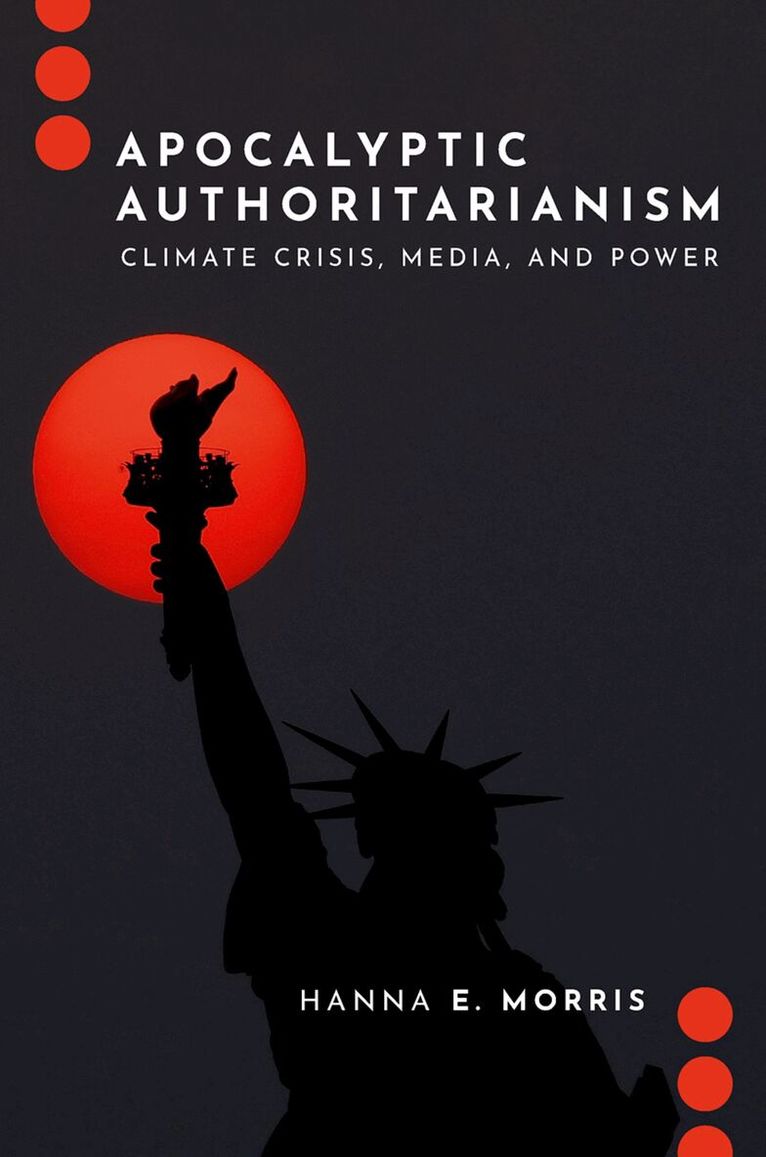
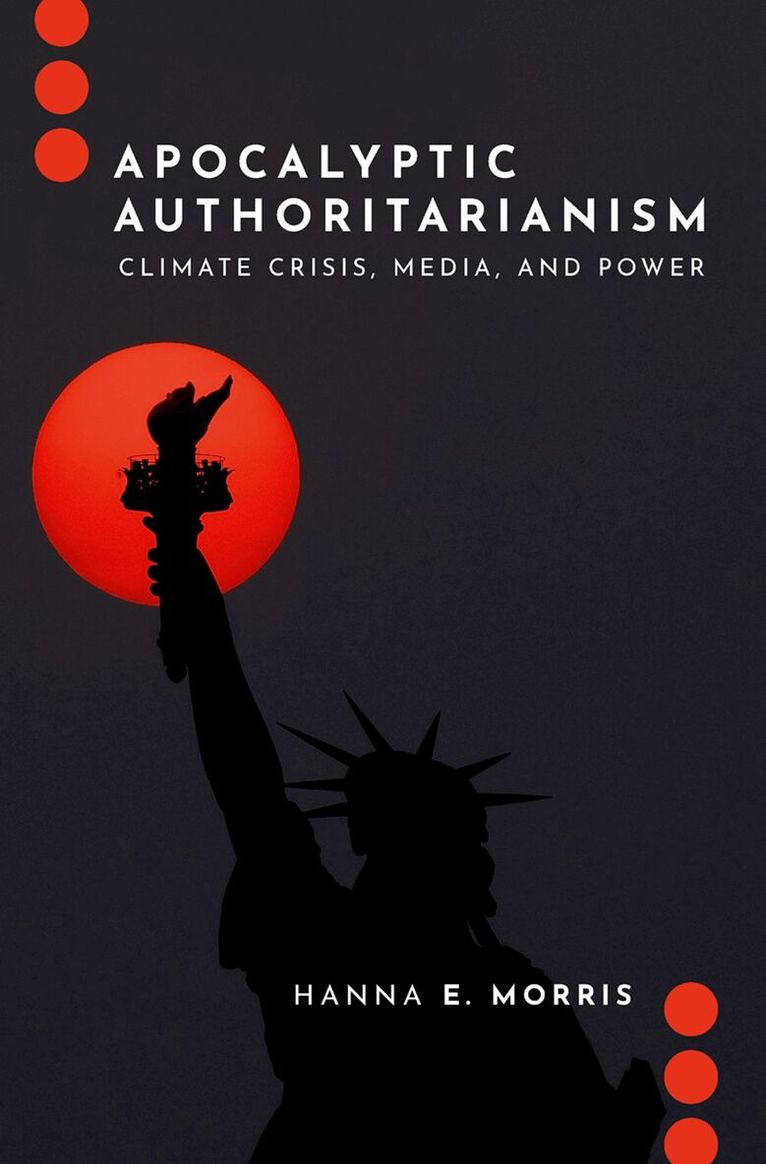
As climate change brings devastation to all areas of the world, and U.S. journalists cover these threats more extensively, climate reporting needs to be evaluated. Media representations of the climate crisis are critical because they influence what responses are taken and policies enacted.In Apocalyptic Authoritarianism, media scholar Hanna E. Morris reveals how national anxieties following the 2016 presidential election have shaped American news coverage of climate change in ways that severely limit how it has come to be known, imagined, and contended with. Looking at climate change reporting across prominent and ideologically diverse U.S. newspapers and magazines over the past decade, the book traces how news media create an illusion of control in the present through nostalgic and heroic stories of the past. Morris identifies a new mode of reactionary politics called "apocalyptic authoritarianism" to describe the post-2016 alignment of historically privileged figures united by a common enemy of the "new" New Left and a shared appeal to fears of "total crisis." Their antidemocratic paradigm portends national and planetary disarray if progressive social and climate justice "warriors" are not controlled at home and if "unruly masses" of climate migrants are not contained abroad. Ultimately, Morris calls for a robust and inclusive form of climate journalism and politics to facilitate--and not impede--democratic and equitable responses to climate change.
320 kr
Skickas
As climate change brings devastation to all areas of the world, and U.S. journalists cover these threats more extensively, climate reporting needs to be evaluated. Media representations of the climate crisis are critical because they influence what responses are taken and policies enacted.In Apocalyptic Authoritarianism, media scholar Hanna E. Morris reveals how national anxieties following the 2016 presidential election have shaped American news coverage of climate change in ways that severely limit how it has come to be known, imagined, and contended with. Looking at climate change reporting across prominent and ideologically diverse U.S. newspapers and magazines over the past decade, the book traces how news media create an illusion of control in the present through nostalgic and heroic stories of the past. Morris identifies a new mode of reactionary politics called "apocalyptic authoritarianism" to describe the post-2016 alignment of historically privileged figures united by a common enemy of the "new" New Left and a shared appeal to fears of "total crisis." Their antidemocratic paradigm portends national and planetary disarray if progressive social and climate justice "warriors" are not controlled at home and if "unruly masses" of climate migrants are not contained abroad. Ultimately, Morris calls for a robust and inclusive form of climate journalism and politics to facilitate--and not impede--democratic and equitable responses to climate change.
578 kr
Skickas inom 10-15 vardagar
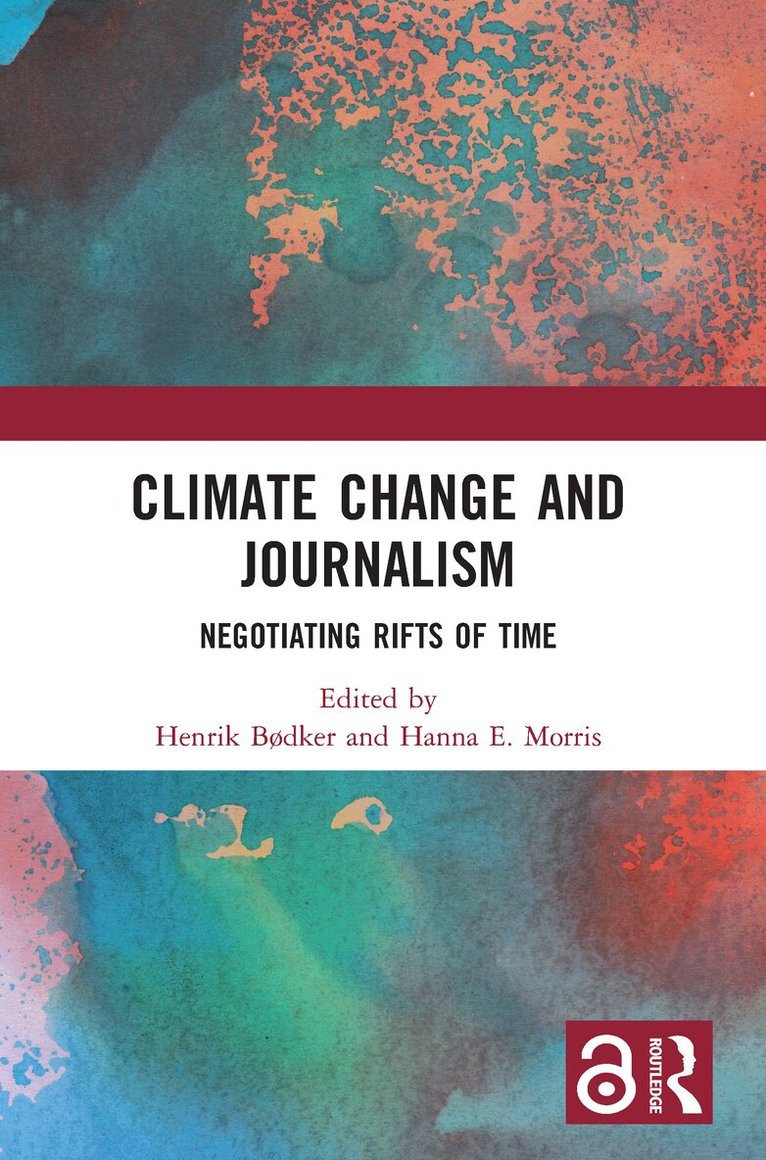
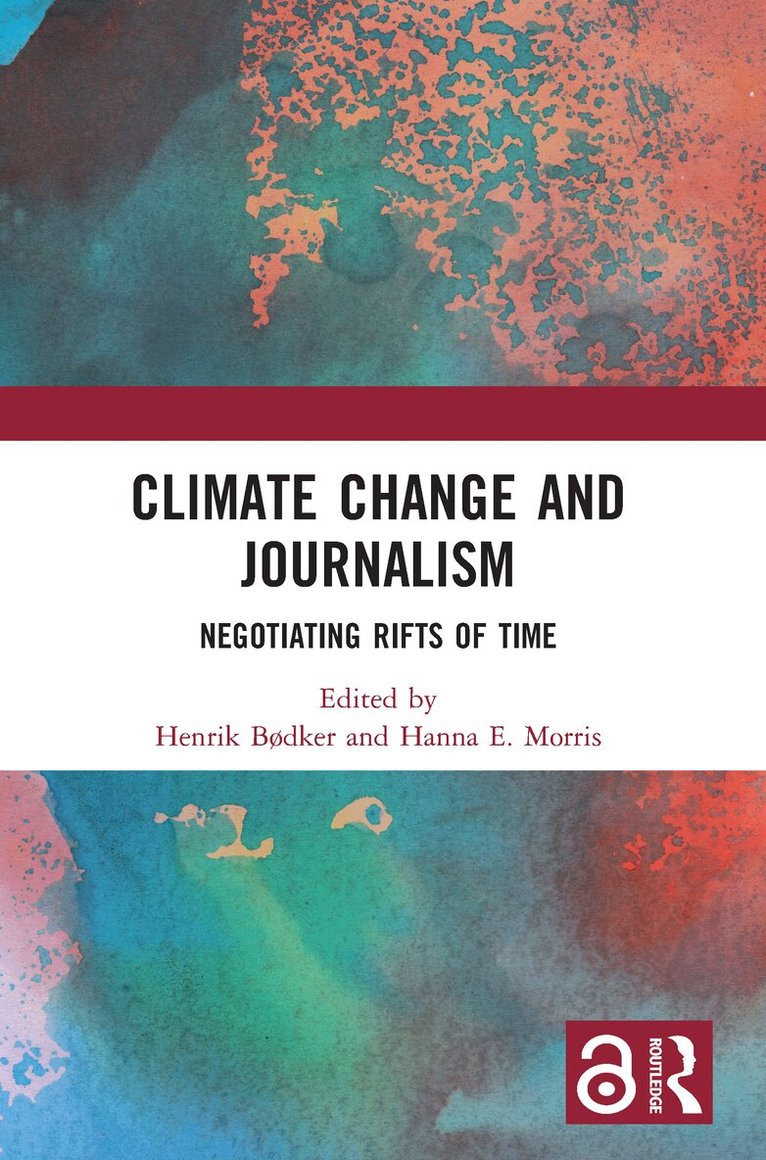
This edited collection addresses climate change journalism from the perspective of temporality, showcasing how various time scales—from geology, meteorology, politics, journalism, and lived cultures—interact with journalism around the world.Analyzing the meetings of and schisms between various temporalities as they emerge from reporting on climate change globally, Climate Change and Journalism: Negotiating Rifts of Time asks how climate change as a temporal process gets inscribed within the temporalities of journalism. The overarching question of climate change journalism and its relationship to temporality is considered through the themes of environmental justice and slow violence, editorial interventions, ecological loss, and political and religious contexts, which are in turn explored through a selection of case studies from the US, France, Thailand, Brazil, Australia, Spain, Mexico, Canada, and the UK.This is an insightful resource for students and scholars in the fields of journalism, media studies, environmental communication, and communications generally.
2 113 kr
Skickas inom 10-15 vardagar
This edited collection addresses climate change journalism from the perspective of temporality, showcasing how various time scales—from geology, meteorology, politics, journalism, and lived cultures—interact with journalism around the world.Analyzing the meetings of and schisms between various temporalities as they emerge from reporting on climate change globally, Climate Change and Journalism: Negotiating Rifts of Time asks how climate change as a temporal process gets inscribed within the temporalities of journalism. The overarching question of climate change journalism and its relationship to temporality is considered through the themes of environmental justice and slow violence, editorial interventions, ecological loss, and political and religious contexts, which are in turn explored through a selection of case studies from the US, France, Thailand, Brazil, Australia, Spain, Mexico, Canada, and the UK.This is an insightful resource for students and scholars in the fields of journalism, media studies, environmental communication, and communications generally.