Hanna Garth - Böcker
Visar alla böcker från författaren Hanna Garth. Handla med fri frakt och snabb leverans.
8 produkter
8 produkter
Del 88 - California Studies in Food and Culture
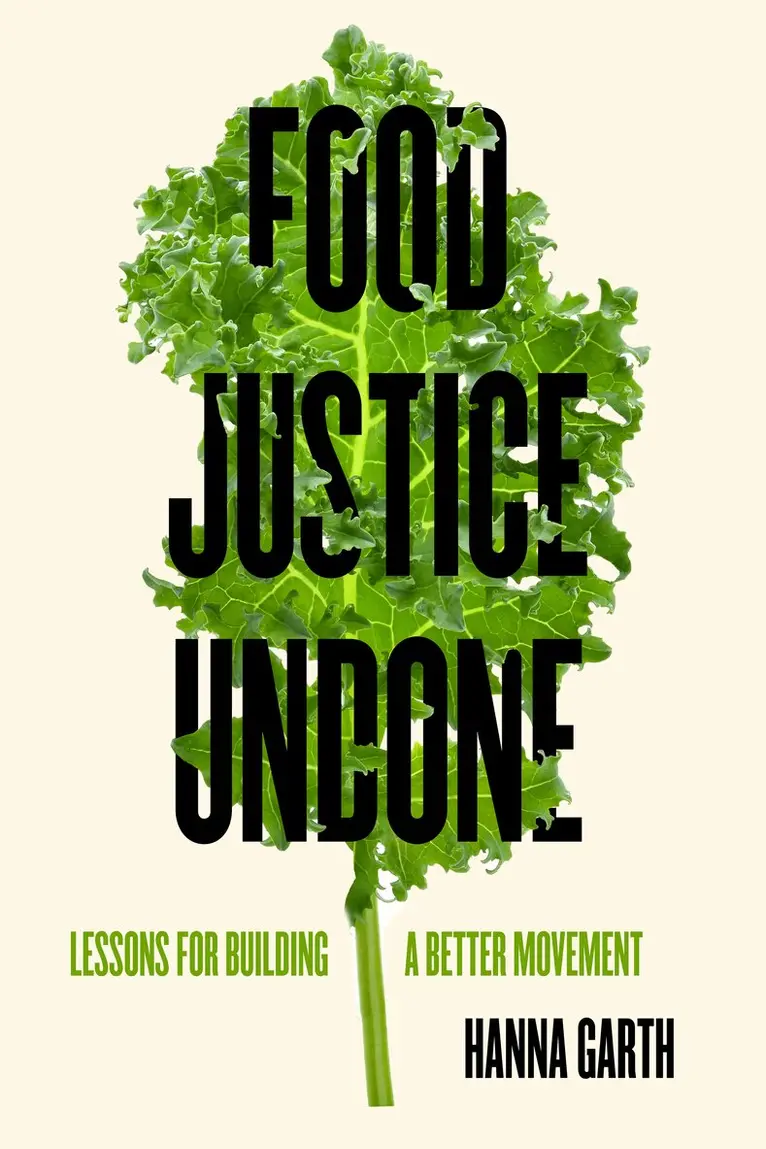
Food Justice Undone
Lessons for Building a Better Movement
Inbunden, Engelska, 2026
753 kr
Skickas inom 7-10 vardagar
“A piercing ethnographic study of the power dynamics and misunderstandings that plague 'food justice' nonprofits."—Publishers WeeklyBreaks open the privilege and promise of food justice to envision a radical liberatory future. Food justice activists have worked to increase access to healthy food in low-income communities of color across the United States. Yet despite their best intentions, they often perpetuate food access inequalities and racial stereotypes. Hanna Garth shows how the movement has been affected by misconceptions and assumptions about residents, as well as by unclear definitions of justice and what it means to be healthy. Focusing on broad structures and microlevel processes, Garth reveals how power dynamics shape social justice movements in particular ways. Drawing on twelve years of ethnographic research, Garth examines what motivates people from more affluent, majority-white areas of the city to intervene in South Central Los Angeles. She argues that the concepts of "food justice" and "healthy food" operate as racially coded language, reinforcing the idea that health problems in low-income Black and Brown communities can be solved through individual behavior rather than structural change. Food Justice Undone explores the stakes of social justice and the possibility of multiracial coalitions working toward a better future.
Del 88 - California Studies in Food and Culture
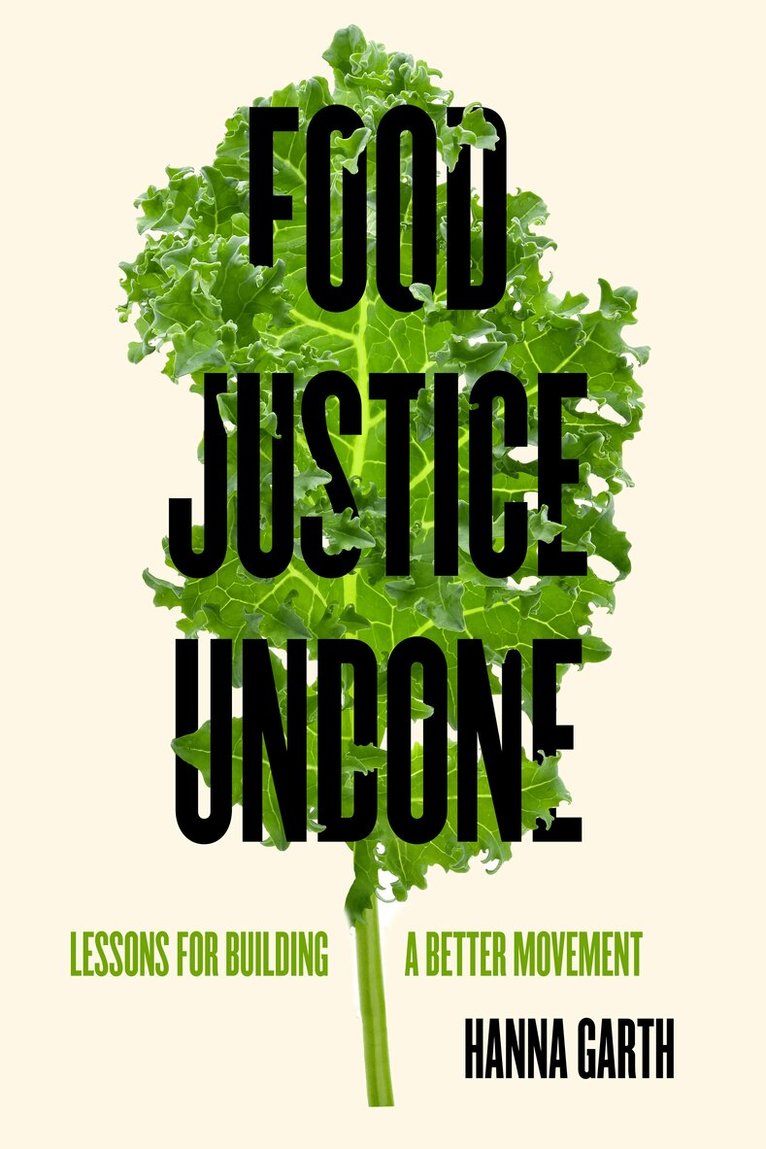
Food Justice Undone
Lessons for Building a Better Movement
Häftad, Engelska, 2026
219 kr
Skickas inom 7-10 vardagar
“A piercing ethnographic study of the power dynamics and misunderstandings that plague 'food justice' nonprofits."—Publishers WeeklyBreaks open the privilege and promise of food justice to envision a radical liberatory future. Food justice activists have worked to increase access to healthy food in low-income communities of color across the United States. Yet despite their best intentions, they often perpetuate food access inequalities and racial stereotypes. Hanna Garth shows how the movement has been affected by misconceptions and assumptions about residents, as well as by unclear definitions of justice and what it means to be healthy. Focusing on broad structures and microlevel processes, Garth reveals how power dynamics shape social justice movements in particular ways. Drawing on twelve years of ethnographic research, Garth examines what motivates people from more affluent, majority-white areas of the city to intervene in South Central Los Angeles. She argues that the concepts of "food justice" and "healthy food" operate as racially coded language, reinforcing the idea that health problems in low-income Black and Brown communities can be solved through individual behavior rather than structural change. Food Justice Undone explores the stakes of social justice and the possibility of multiracial coalitions working toward a better future.

1 343 kr
Skickas inom 10-15 vardagar
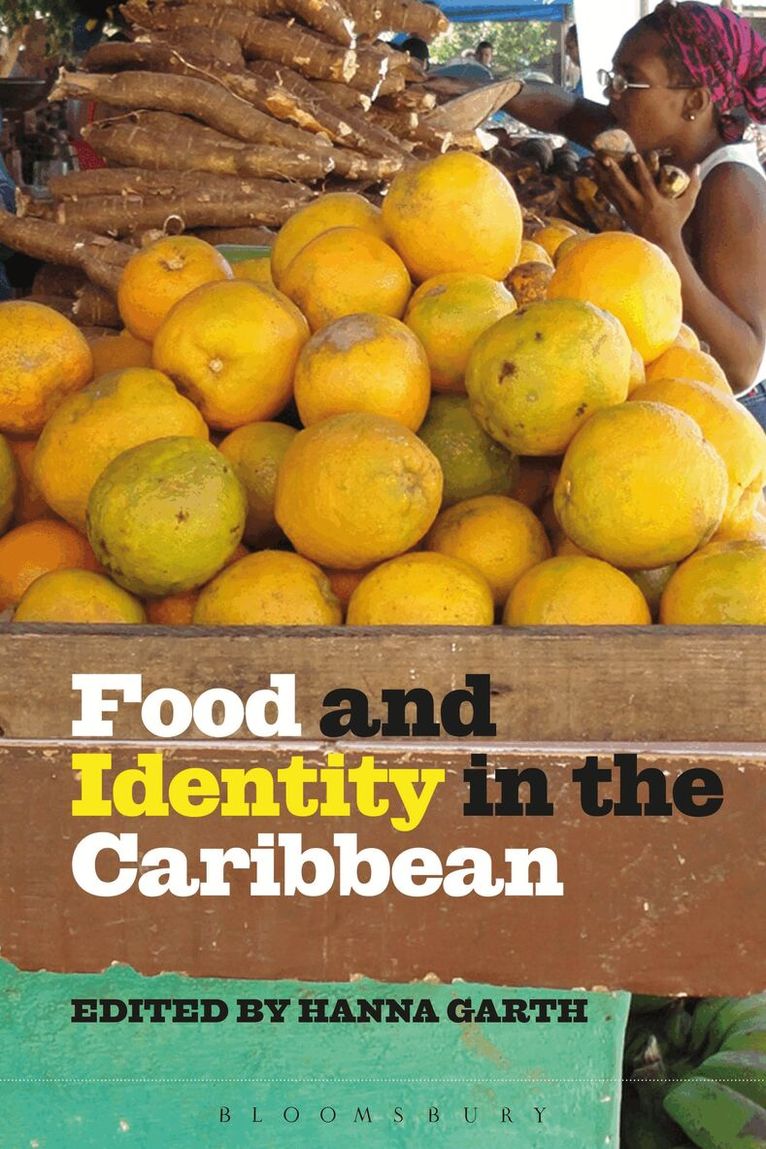
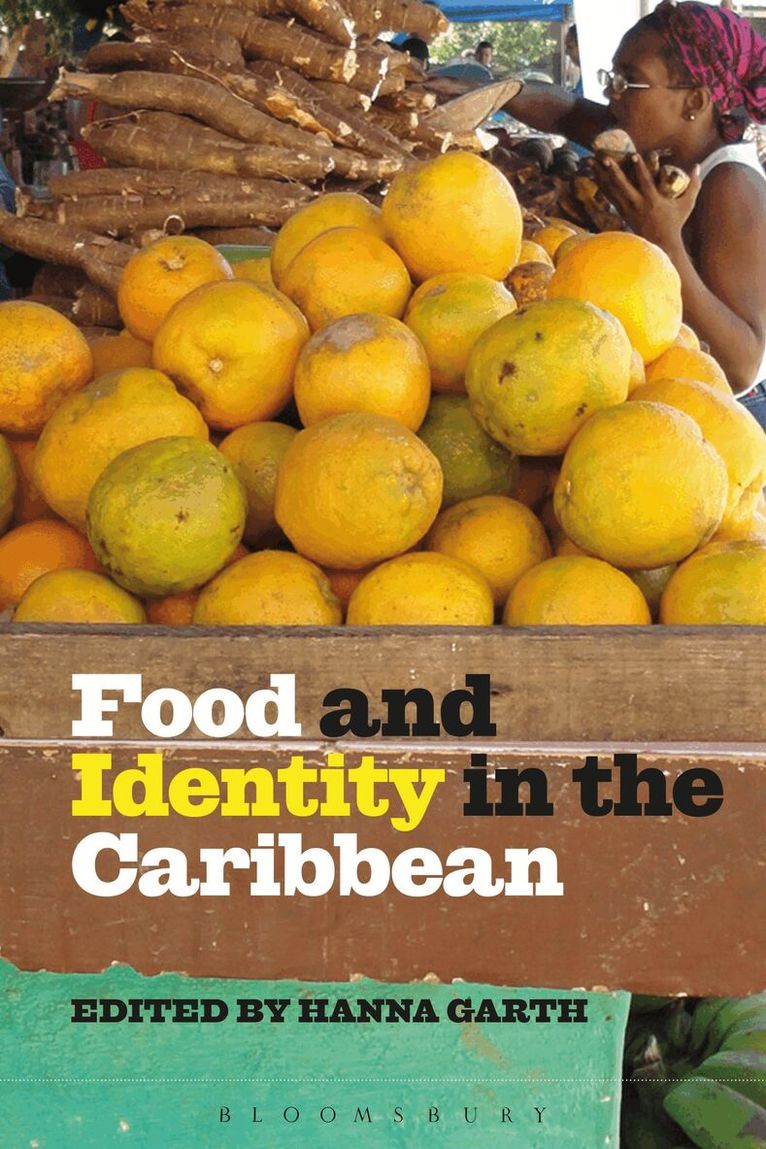
This compelling volume brings together original essays that explore the relationship between food and identity in everyday life in the Caribbean. The Caribbean history of colonialism and migration has fostered a dynamic and diverse form of modernity, which continues to transform with the impact of globalization and migration out of the Caribbean. One of the founders of the anthropology of food, Richard Wilk provides a preface to this exciting and interdisciplinary collection of essays offering insight into the real issues of food politics which contribute to the culinary cultures of the Caribbean.Based on rich contemporary ethnographies, the volume reveals the ways in which food carries symbolic meanings which are incorporated into the many different facets of identity experienced by people in the Caribbean. Many of the chapters focus on the ways in which consumers align themselves with particular foods as a way of making claims about their identities. Development and political and economic changes in the Caribbean bring new foods to the contemporary dinner table, a phenomenon that may subsequently destabilize the foundations of culinary identities. Food and Identity in the Caribbean reveals the ways in which some of the connections between food and identity persist against the odds whilst in other contexts new relationships between food and identity are forged.
461 kr
Skickas inom 10-15 vardagar
This compelling volume brings together original essays that explore the relationship between food and identity in everyday life in the Caribbean. The Caribbean history of colonialism and migration has fostered a dynamic and diverse form of modernity, which continues to transform with the impact of globalization and migration out of the Caribbean. One of the founders of the anthropology of food, Richard Wilk provides a preface to this exciting and interdisciplinary collection of essays offering insight into the real issues of food politics which contribute to the culinary cultures of the Caribbean.Based on rich contemporary ethnographies, the volume reveals the ways in which food carries symbolic meanings which are incorporated into the many different facets of identity experienced by people in the Caribbean. Many of the chapters focus on the ways in which consumers align themselves with particular foods as a way of making claims about their identities. Development and political and economic changes in the Caribbean bring new foods to the contemporary dinner table, a phenomenon that may subsequently destabilize the foundations of culinary identities. Food and Identity in the Caribbean reveals the ways in which some of the connections between food and identity persist against the odds whilst in other contexts new relationships between food and identity are forged.
1 109 kr
Skickas inom 7-10 vardagar
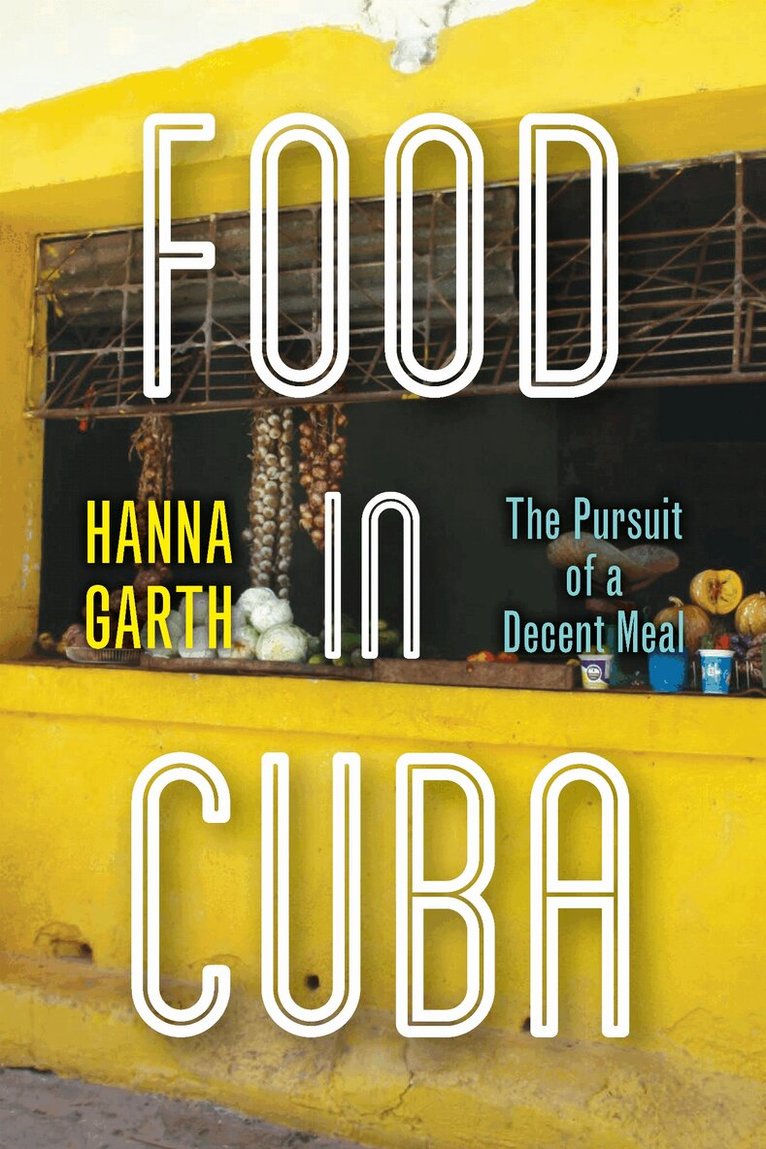
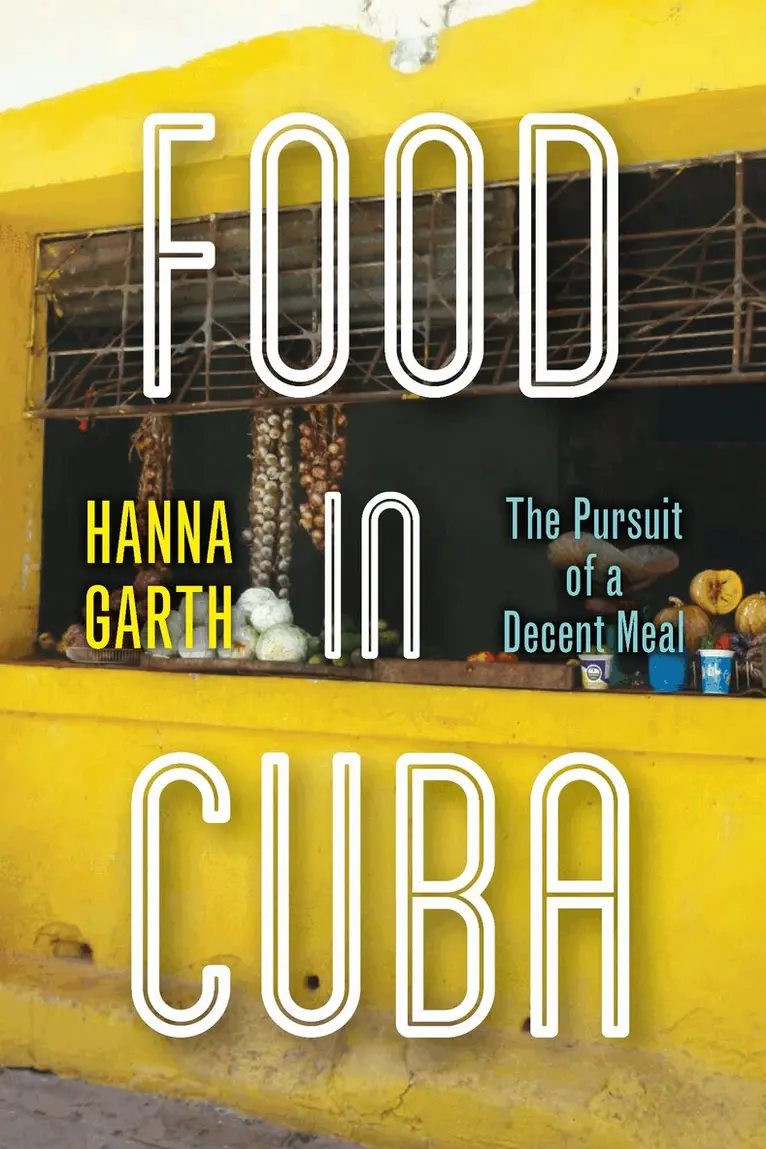
Food in Cuba follows Cuban families as they struggle to maintain a decent quality of life in Cuba's faltering, post-Soviet welfare state by specifically looking at the social and emotional dimensions of shifts in access to food. Based on extensive fieldwork with families in Santiago de Cuba, the island's second largest city, Hanna Garth examines Cuban families' attempts to acquire and assemble "a decent meal," unraveling the layers of household dynamics, community interactions, and individual reflections on everyday life in today's Cuba. With the collapse of the Soviet Union in the 1990s and the subsequent loss of its most significant trade partner, Cuba entered a period of economic hardship. Although trade agreements have significantly improved the quantity and quality of rationed food in Cuba, many Cubans report that they continue to live with food shortages and economic hardship. Garth tells the stories of families that face the daily challenge of acquiring not only enough food, but food that meets local and personal cultural standards. She ultimately argues that these ongoing struggles produce what the Cuban families describe as "a change in character," and that for some, this shifting concept of self and sense of social relation leads to a transformation in society. Food in Cuba shows how the practices of acquisition and the politics of adequacy are intricately linked to the local moral stances on what it means to be a good person, family member, community member, and ultimately, a good Cuban.
269 kr
Skickas inom 7-10 vardagar
Food in Cuba follows Cuban families as they struggle to maintain a decent quality of life in Cuba's faltering, post-Soviet welfare state by specifically looking at the social and emotional dimensions of shifts in access to food. Based on extensive fieldwork with families in Santiago de Cuba, the island's second largest city, Hanna Garth examines Cuban families' attempts to acquire and assemble "a decent meal," unraveling the layers of household dynamics, community interactions, and individual reflections on everyday life in today's Cuba. With the collapse of the Soviet Union in the 1990s and the subsequent loss of its most significant trade partner, Cuba entered a period of economic hardship. Although trade agreements have significantly improved the quantity and quality of rationed food in Cuba, many Cubans report that they continue to live with food shortages and economic hardship. Garth tells the stories of families that face the daily challenge of acquiring not only enough food, but food that meets local and personal cultural standards. She ultimately argues that these ongoing struggles produce what the Cuban families describe as "a change in character," and that for some, this shifting concept of self and sense of social relation leads to a transformation in society. Food in Cuba shows how the practices of acquisition and the politics of adequacy are intricately linked to the local moral stances on what it means to be a good person, family member, community member, and ultimately, a good Cuban.
1 241 kr
Skickas inom 10-15 vardagar
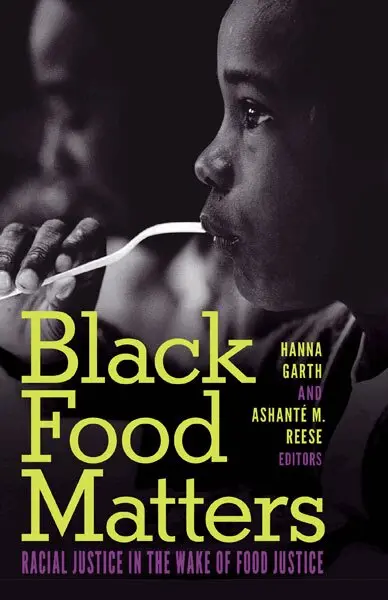
An in-depth look at Black food and the challenges it faces todayFor Black Americans, the food system is broken. When it comes to nutrition, Black consumers experience an unjust and inequitable distribution of resources. Black Food Matters examines these issues through in-depth essays that analyze how Blackness is contested through food, differing ideas of what makes our sustenance “healthy,” and Black individuals’ own beliefs about what their cuisine should be.Primarily written by nonwhite scholars, and framed through a focus on Black agency instead of deprivation, the essays here showcase Black communities fighting for the survival of their food culture. The book takes readers into the real world of Black sustenance, examining animal husbandry practices in South Carolina, the work done by the Black Panthers to ensure food equality, and Black women who are pioneering urban agriculture. These essays also explore individual and community values, the influence of history, and the ongoing struggle to meet needs and affirm Black life.A comprehensive look at Black food culture and the various forms of violence that threaten the future of this cuisine, Black Food Matters centers Blackness in a field that has too often framed Black issues through a white-centric lens, offering new ways to think about access, privilege, equity, and justice.Contributors: Adam Bledsoe, U of Minnesota; Billy Hall; Analena Hope Hassberg, California State Polytechnic U, Pomona; Yuson Jung, Wayne State U; Kimberly Kasper, Rhodes College; Tyler McCreary, Florida State U; Andrew Newman, Wayne State U; Gillian Richards-Greaves, Coastal Carolina U; Monica M. White, U of Wisconsin–Madison; Brian Williams, Mississippi State U; Judith Williams, Florida International U; Psyche Williams-Forson, U of Maryland, College Park; Willie J. Wright, Rutgers U.
282 kr
Skickas inom 7-10 vardagar
An in-depth look at Black food and the challenges it faces todayFor Black Americans, the food system is broken. When it comes to nutrition, Black consumers experience an unjust and inequitable distribution of resources. Black Food Matters examines these issues through in-depth essays that analyze how Blackness is contested through food, differing ideas of what makes our sustenance “healthy,” and Black individuals’ own beliefs about what their cuisine should be.Primarily written by nonwhite scholars, and framed through a focus on Black agency instead of deprivation, the essays here showcase Black communities fighting for the survival of their food culture. The book takes readers into the real world of Black sustenance, examining animal husbandry practices in South Carolina, the work done by the Black Panthers to ensure food equality, and Black women who are pioneering urban agriculture. These essays also explore individual and community values, the influence of history, and the ongoing struggle to meet needs and affirm Black life.A comprehensive look at Black food culture and the various forms of violence that threaten the future of this cuisine, Black Food Matters centers Blackness in a field that has too often framed Black issues through a white-centric lens, offering new ways to think about access, privilege, equity, and justice.Contributors: Adam Bledsoe, U of Minnesota; Billy Hall; Analena Hope Hassberg, California State Polytechnic U, Pomona; Yuson Jung, Wayne State U; Kimberly Kasper, Rhodes College; Tyler McCreary, Florida State U; Andrew Newman, Wayne State U; Gillian Richards-Greaves, Coastal Carolina U; Monica M. White, U of Wisconsin–Madison; Brian Williams, Mississippi State U; Judith Williams, Florida International U; Psyche Williams-Forson, U of Maryland, College Park; Willie J. Wright, Rutgers U.