Hannah Dawson – författare
Visar alla böcker från författaren Hannah Dawson. Handla med fri frakt och snabb leverans.
10 produkter
Penguin Book of Feminist Writing
E-bok, 2021
136 kr
Lägg i varukorg
'A joyous multiplicity of writings incorporating collective manifestos, poetry, fiction, and autobiography... endlessly fascinating' Catherine Taylor, Financial Times'A tour de force of feminist thinking, spanning seven centuries and multiple continents' Jennifer Thomson, Review 31'The Penguin Book …
Penguin Book of Feminist Writing
Av Hannah Dawson, Hannah Dawson
Häftad, 2023
190 kr
Lägg i varukorg
'A joyous multiplicity of writings incorporating collective manifestos, poetry, fiction, and autobiography... endlessly fascinating' Catherine Taylor, Financial Times'A tour de force of feminist thinking, spanning seven centuries and multiple continents' Jennifer Thomson, Review 31'The Penguin Book …
Locke, Language and Early-Modern Philosophy
Inbunden, 2007
1872 kr
Lägg i varukorg
In a powerful and original contribution to the history of ideas, Hannah Dawson explores the intense preoccupation with language in early-modern philosophy, and presents an analysis of John Locke's critique of words. By examining a broad sweep of pedagogical and philosophical material from antiquity …
Locke, Language and Early-Modern Philosophy
Häftad, 2011
796 kr
Lägg i varukorg
In a powerful and original contribution to the history of ideas, Hannah Dawson explores the intense preoccupation with language in early-modern philosophy, and presents an analysis of John Locke's critique of words. By examining a broad sweep of pedagogical and philosophical material from antiquity …
Rethinking Liberty before Liberalism
Av Hannah Dawson, Annelien de Dijn
Inbunden, 2022
1351 kr
Lägg i varukorg
Opens up new histories of freedom and republicanism by building on Quentin Skinner's ground-breaking Liberty before Liberalism nearly twenty five years after its initial publication. Leading historians and philosophers reveal the neo-Roman conception of liberty that Skinner unearthed as a normative …
Rethinking Liberty before Liberalism
Av Hannah Dawson, Annelien de Dijn
Häftad, 2022
404 kr
Lägg i varukorg
Opens up new histories of freedom and republicanism by building on Quentin Skinner's ground-breaking Liberty before Liberalism nearly twenty five years after its initial publication. Leading historians and philosophers reveal the neo-Roman conception of liberty that Skinner unearthed as a normative …
Rethinking Liberty before Liberalism
Av Annelien de Dijn, Hannah Dawson
E-bok, 2022
415 kr
Lägg i varukorg
Opens up new histories of freedom and republicanism by building on Quentin Skinner''s ground-breaking Liberty before Liberalism nearly twenty five years after its initial publication. Leading historians and philosophers reveal the neo-Roman conception of liberty that Skinner unearthed as a …
Rethinking Liberty before Liberalism
Av Annelien de Dijn, Hannah Dawson
E-bok, 2022
415 kr
Lägg i varukorg
Opens up new histories of freedom and republicanism by building on Quentin Skinner''s ground-breaking Liberty before Liberalism nearly twenty five years after its initial publication. Leading historians and philosophers reveal the neo-Roman conception of liberty that Skinner unearthed as a …
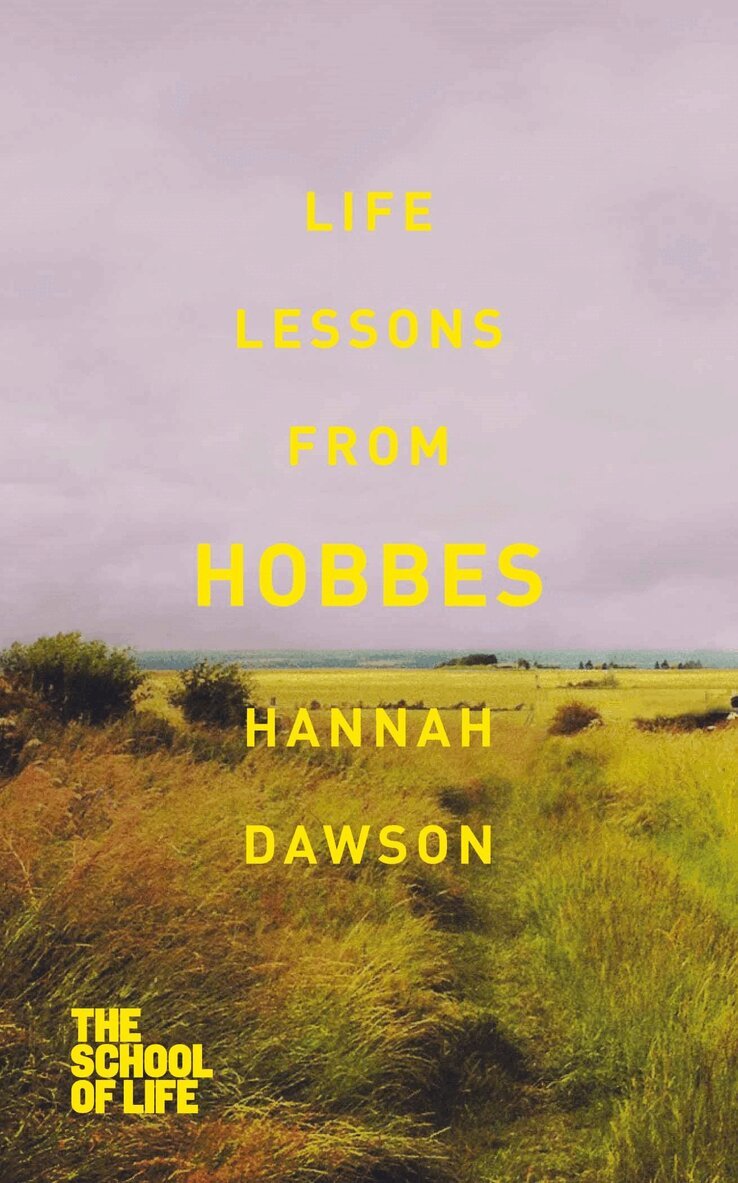
Life Lessons from Hobbes
Häftad, 2013
96 kr
Lägg i varukorg
The School of Life offers radical ways to help us raid the treasure trove of human knowledge' Independent on SundayThomas Hobbes was an English philosopher. Born in Wiltshire in 1588, his masterpiece, Leviathan, established the foundation for Western political thought and inspired both hate and …
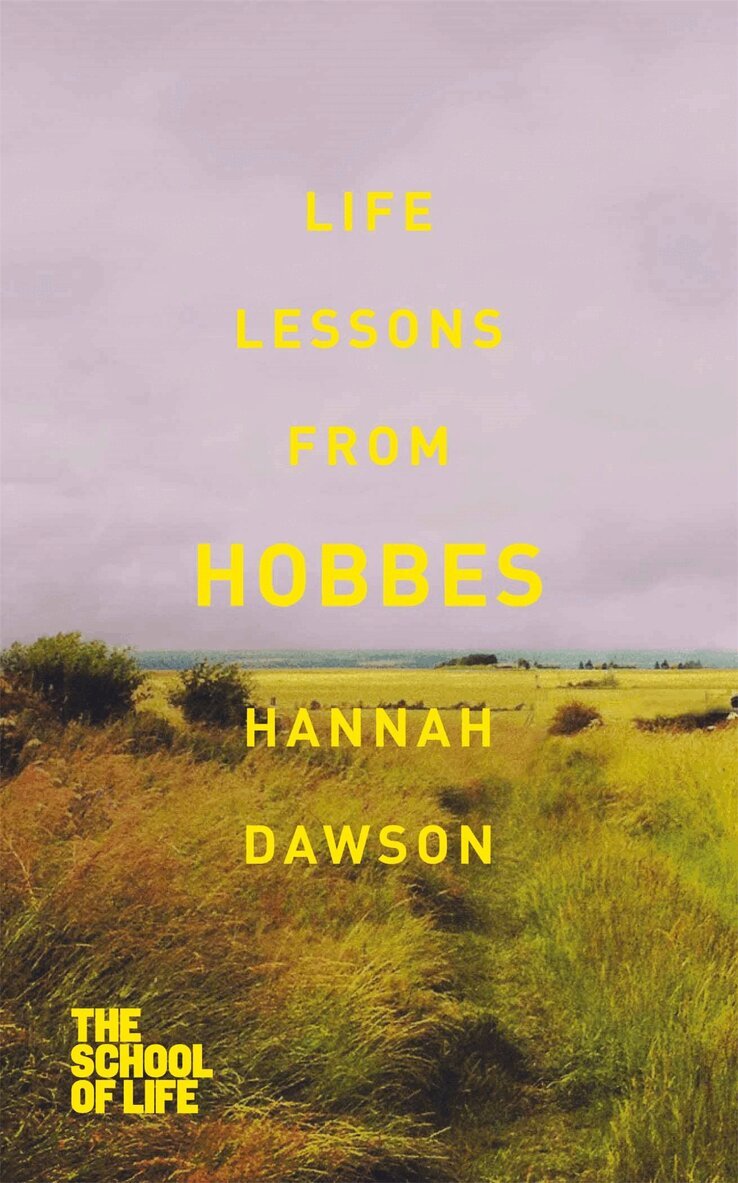
Life Lessons from Hobbes
E-bok, 2013
123 kr
Lägg i varukorg
The School of Life offers radical ways to help us raid the treasure trove of human knowledge' Independent on SundayThomas Hobbes was an English philosopher. Born in Wiltshire in 1588, his masterpiece, Leviathan, established the foundation for Western political thought and inspired both hate and …