Hannah Gascho Rempel - Böcker
Visar alla böcker från författaren Hannah Gascho Rempel. Handla med fri frakt och snabb leverans.
4 produkter
4 produkter
750 kr
Skickas inom 7-10 vardagar
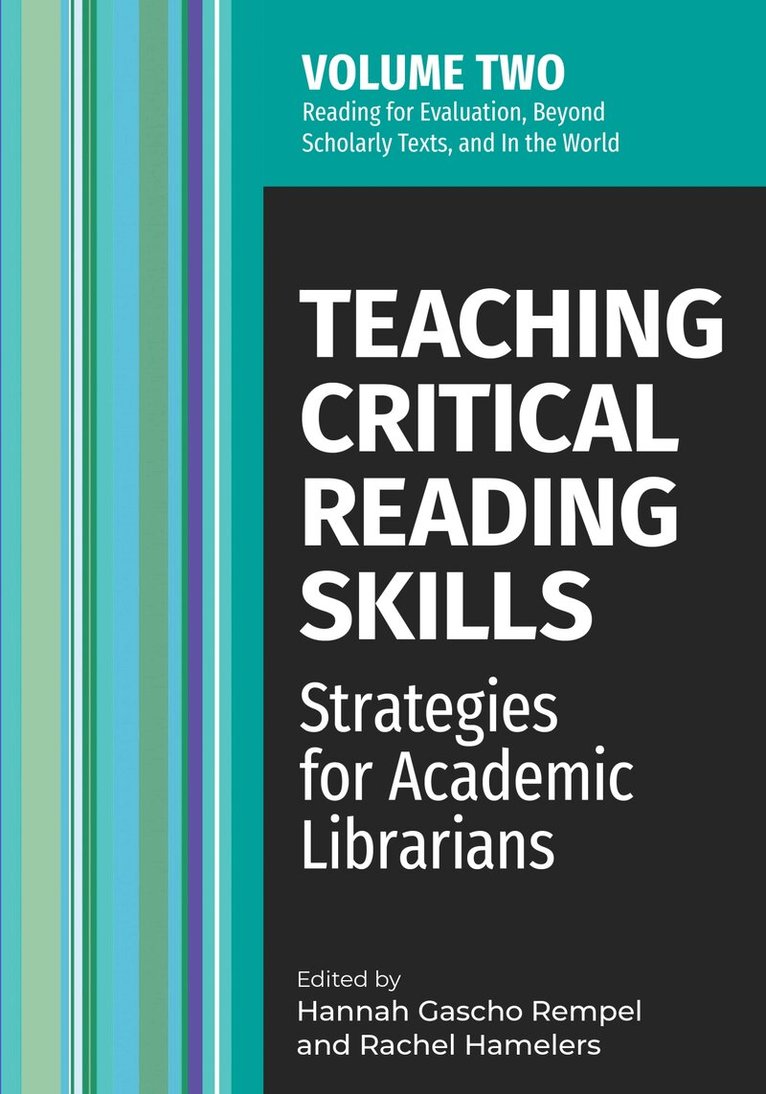
Teaching Critical Reading Skills: Strategies for Academic Librarians collects the experiences and approaches of librarians who teach reading. In two volumes, librarians share their role in teaching reading—using pedagogical theories and techniques in new and interesting ways, making implicit reading knowledge, skills, and techniques explicit to students, presenting reading as a communal activity, partnering with other campus stakeholders, and leading campus conversations about critical reading. These volumes provide ready-made activities you can add or adapt to your teaching practice. The five sections are arranged by theme: Volume 1Part I: Reading in the Disciplines Part II: Reading for Specific Populations Volume 2Part III: Reading Beyond Scholarly Texts Part IV: Reading to Evaluate Part V: Reading in the World Each of the 45 chapters contains teaching and programmatic strategies, resources, and lesson plans, as well as a section titled “Critical Reading Connection” that highlights each author’s approach for engaging with the purpose of reading critically and advancing the conversation about how librarians can foster this skill. Academic librarians and archivists have a long history of engaging with different types of literacy and acting as a bridge between faculty and students. We understand the different reading needs of specific student populations and the affective challenges with reading that are often shared across learner audiences. We know what types of sources are read, the histories—and needed changes—of how authority has been granted in various fields, how students may be expected to apply what they read in future professional or civic settings, and frequently look beyond our local institutions to think about the larger structural and social justice implications of what is read, how we read, and who does the reading. These volumes can help you make the implicit explicit for learners and teach that reading is both a skill that must be practiced and nurtured and a communal act. Teaching Critical Reading Skills demonstrates librarians’ and archivists’ deep connections to our campus communities and how critical reading instruction can be integrated in a variety of contexts within those communities.
825 kr
Skickas inom 11-20 vardagar
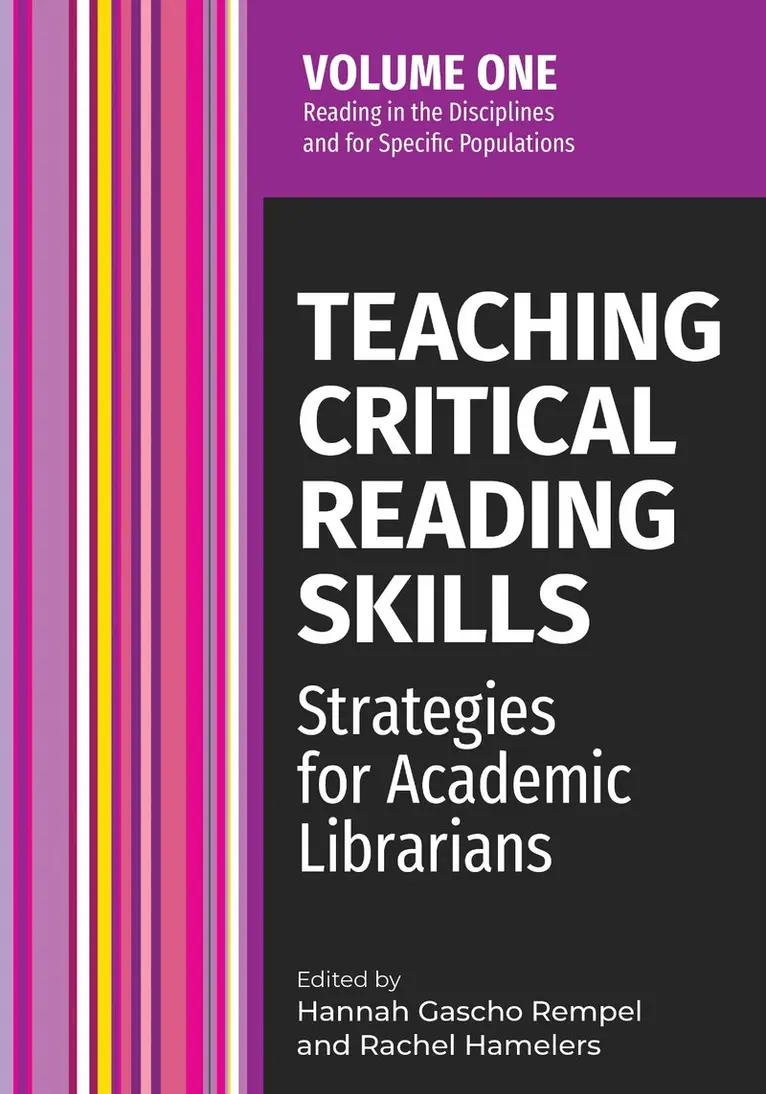
Teaching Critical Reading Skills: Strategies for Academic Librarians collects the experiences and approaches of librarians who teach reading. In two volumes, librarians share their role in teaching reading—using pedagogical theories and techniques in new and interesting ways, making implicit reading knowledge, skills, and techniques explicit to students, presenting reading as a communal activity, partnering with other campus stakeholders, and leading campus conversations about critical reading. These volumes provide ready-made activities you can add or adapt to your teaching practice. The five sections are arranged by theme: Volume 1Part I: Reading in the Disciplines Part II: Reading for Specific Populations Volume 2Part III: Reading Beyond Scholarly Texts Part IV: Reading to Evaluate Part V: Reading in the World Each of the 45 chapters contains teaching and programmatic strategies, resources, and lesson plans, as well as a section titled “Critical Reading Connection” that highlights each author’s approach for engaging with the purpose of reading critically and advancing the conversation about how librarians can foster this skill. Academic librarians and archivists have a long history of engaging with different types of literacy and acting as a bridge between faculty and students. We understand the different reading needs of specific student populations and the affective challenges with reading that are often shared across learner audiences. We know what types of sources are read, the histories—and needed changes—of how authority has been granted in various fields, how students may be expected to apply what they read in future professional or civic settings, and frequently look beyond our local institutions to think about the larger structural and social justice implications of what is read, how we read, and who does the reading. These volumes can help you make the implicit explicit for learners and teach that reading is both a skill that must be practiced and nurtured and a communal act. Teaching Critical Reading Skills demonstrates librarians’ and archivists’ deep connections to our campus communities and how critical reading instruction can be integrated in a variety of contexts within those communities.
929 kr
Skickas inom 10-15 vardagar
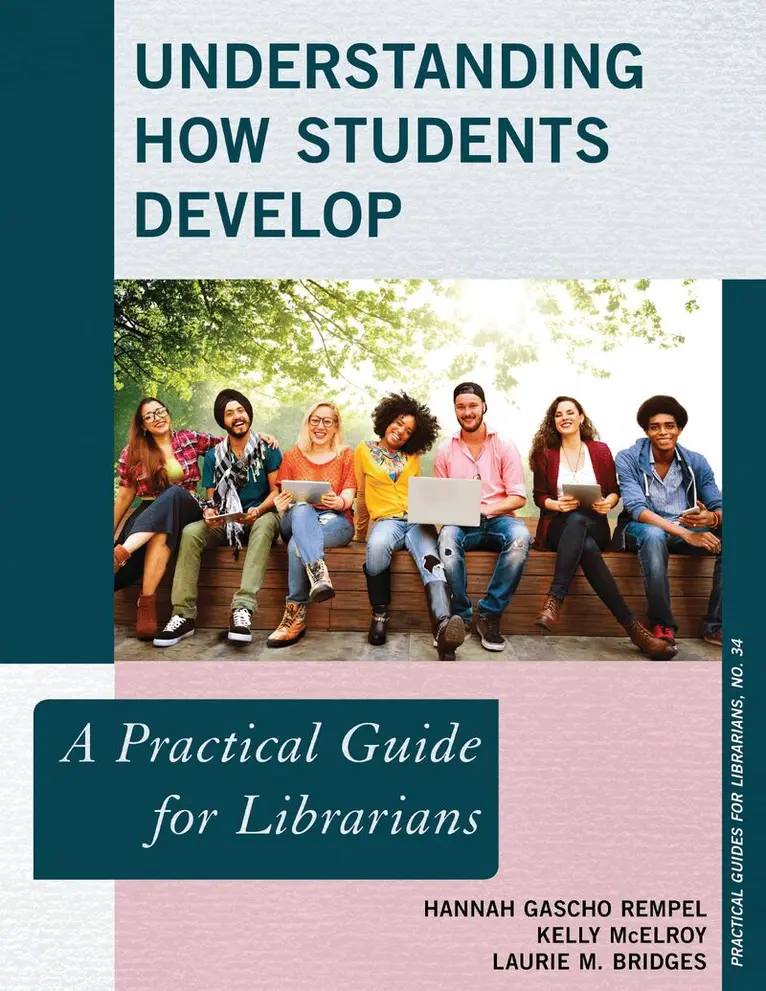
Understanding How Students Develop is a one-stop source of practical advice for both librarians who are just beginning to work with students from elementary school through college, as well as helpful tips for seasoned library user services professionals, including school, reference, instruction, and outreach librarians. The book supplies a detailed roadmap for applying key development theories to daily interactions with students.Subjects covered include:Integrating development theories into practiceIntellectual development theoriesIdentity development theoryInvolvement theoryAssessing the impact of using development theoriesThroughout the book sidebars highlight practical applications, important quotations from key texts, and case studies for consideration. After reading this book, librarians who work with a wide range of users will have a practical approach for incorporating development theories into their daily practice, making them more responsive to the varying needs of their users, and more understanding of what elements of their user services programs can be better tailored to meet students at a range of developmental stages.
731 kr
Skickas inom 10-15 vardagar
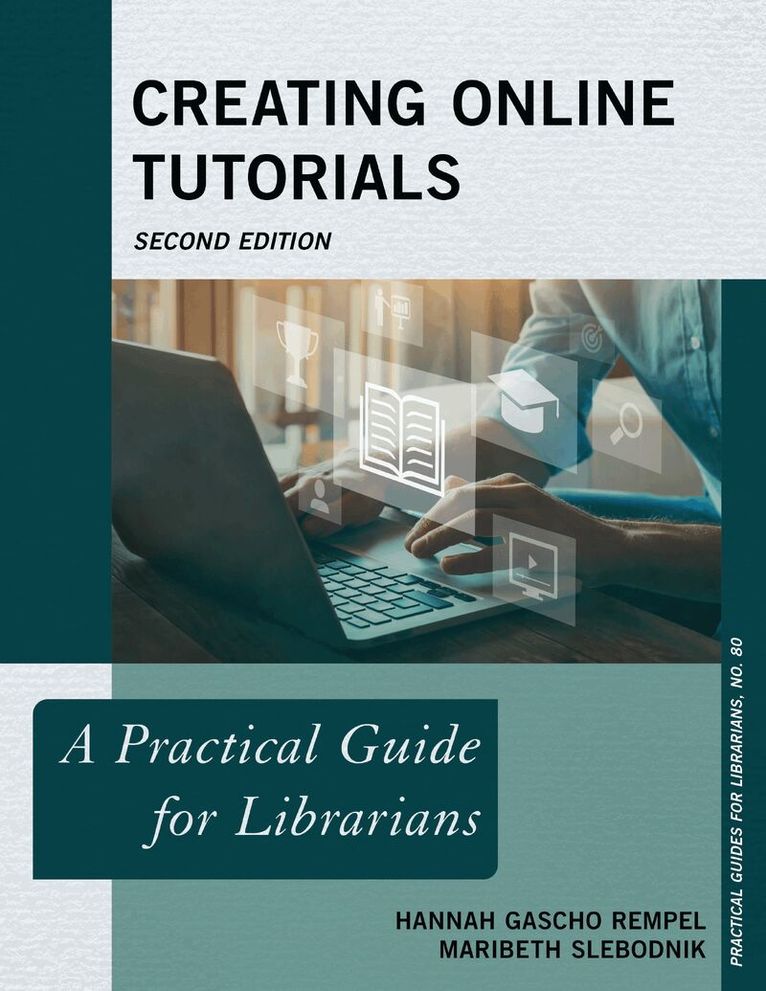
Today’s students rely heavily on electronic resources; they expect to be able to access library resources from any location and at any time of the day. Online education is ubiquitous from K-12 through graduate level coursework and is increasingly used in on-the-job training. Libraries must be prepared to guide learners to use library resources when and where they are needed. Thoughtfully designed online tutorials can be the library’s answer to providing this point-of-need instruction that learners have come to expect.When librarians don’t have the technical expertise needed to create online tutorials, Creating Online Tutorials: A Practical Guide for Librarians, Second Edition will help guide them through the basics of designing and producing an online tutorial. Using practical examples, the book leads librarians through the process of creating an online tutorial from start to finish and provides tips and strategies that will be useful to librarians with more experience in designing online tutorials.This detailed roadmap for designing and producing online tutorials covers:Is a tutorial the right solution?Assessing diverse user needsChoosing the right technologySelecting and organizing instructional contentPlanning tutorial design elementsIntegrating assessment into tutorial designMaintaining and updating tutorialsFinding online tutorial resourcesAfter reading this book, new tutorial developers will have a practical, adaptable blueprint that enables them to confidently address the creation of their first online tutorials, and experienced developers will learn efficient techniques to create and enhance future tutorials that are attractive, effective teaching tools.