Hannah Grayson - Böcker
Visar alla böcker från författaren Hannah Grayson. Handla med fri frakt och snabb leverans.
7 produkter
7 produkter
475 kr
Skickas inom 5-8 vardagar
531 kr
Skickas inom 5-8 vardagar
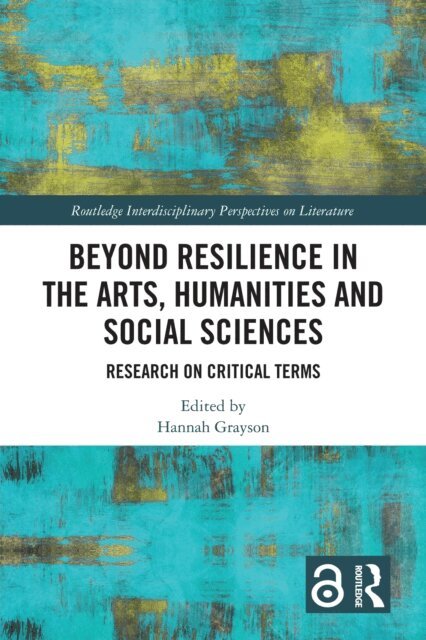
Beyond Resilience in the Arts, Humanities and Social Sciences
Research on Critical Terms
Inbunden, Engelska, 2026
2 596 kr
Kommande
Beyond Resilience in the Arts, Humanities and Social Sciences: Research on Critical Terms examines the stakes of public discourse on how people respond to crisis.This interdisciplinary volume examines multilingual critical alternatives to the all-pervasive language of ‘resilience’ and ‘crisis’. Drawing together contributions from the arts,humanities and social sciences, this volume starts from the untranslatability of ‘resilience’ across cultures and gathers case studies which help us expand our critical terminology. The volume explores how critical vocabulary for contemporary scholarship on crisis must move beyond five major limitations: the imperative to bounce back quickly, the neglect of collective, land-based knowledge, the insistence on hyper individualism, and the depoliticised reduction of subjects living with crisis to compliance and victimhood. It does so from a range of disciplinary perspectives covering art, literature, critical geography, philosophy, postcolonial studies and psychoanalysis.Introduction and Chapter 12 of this book are freely available as downloadable Open Access PDFs at http://www.taylorfrancis.com under a Creative Commons Attribution (CC BY) 4.0 International license.
Del 4 - Race and Resistance Across Borders in the Long Twentieth Century
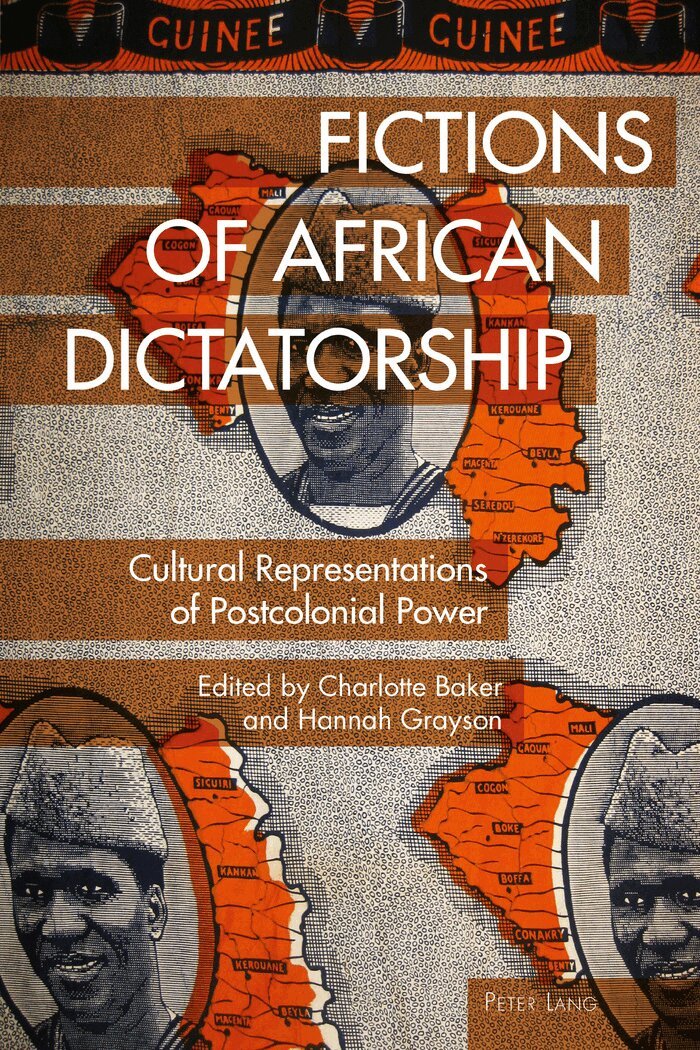
Fictions of African Dictatorship
Cultural Representations of Postcolonial Power
Inbunden, Engelska, 2018
1 107 kr
Skickas inom 5-8 vardagar
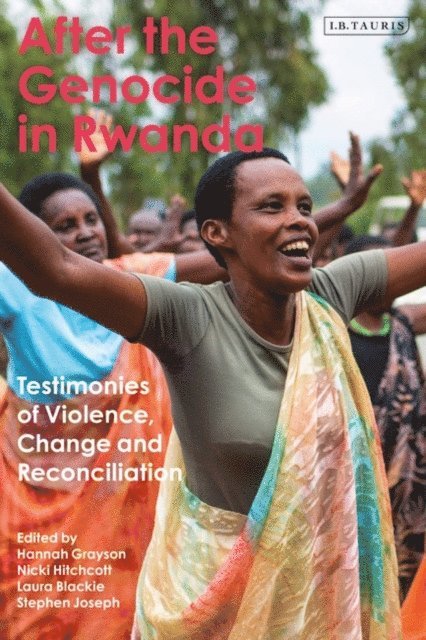
After the Genocide in Rwanda
Testimonies of Violence, Change and Reconciliation
Inbunden, Engelska, 2019
1 177 kr
Skickas inom 10-15 vardagar
Since the Genocide against the Tutsi, when up to one million Rwandan people were brutally killed, Rwanda has undergone a remarkable period of reconstruction. Driven by a governmental programme of unity and reconciliation, the last 25 years have seen significant changes at national, community, and individual levels. This book gathers previously unpublished testimonies from individuals who lived through the genocide. These are the voices of those who experienced one of the most horrific events of the 20th Century. Yet, their stories do not simply paint a picture of lives left destroyed and damaged; they also demonstrate healing relationships, personal growth, forgiveness and reconciliation. Through the lens of positive psychology, the book presents a range of perspectives on what happened in Rwanda in 1994, and shows how people have been changed by their experience of genocide.
After the Genocide in Rwanda
Testimonies of Violence, Change and Reconciliation
Häftad, Engelska, 2019
365 kr
Skickas inom 10-15 vardagar
Since the Genocide against the Tutsi, when up to one million Rwandan people were brutally killed, Rwanda has undergone a remarkable period of reconstruction. Driven by a governmental programme of unity and reconciliation, the last 25 years have seen significant changes at national, community, and individual levels. This book gathers previously unpublished testimonies from individuals who lived through the genocide. These are the voices of those who experienced one of the most horrific events of the 20th Century. Yet, their stories do not simply paint a picture of lives left destroyed and damaged; they also demonstrate healing relationships, personal growth, forgiveness and reconciliation. Through the lens of positive psychology, the book presents a range of perspectives on what happened in Rwanda in 1994, and shows how people have been changed by their experience of genocide.
483 kr
Skickas inom 7-10 vardagar
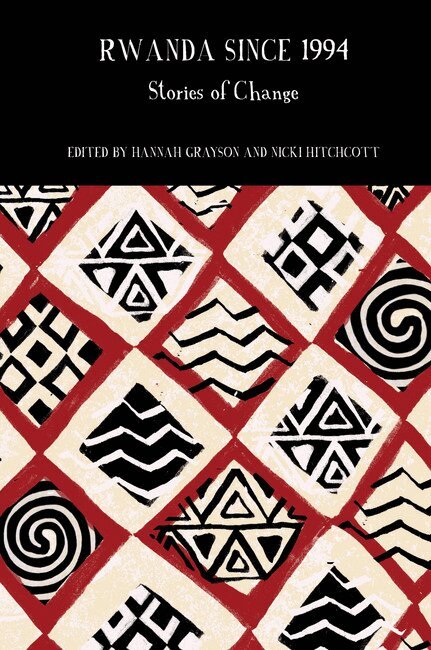
Over the past 25 years, Rwanda has undergone remarkable shifts and transitions: culturally, economically, and educationally the country has gone from strength to strength. While much scholarship has understandably been retrospective, seeking to understand, document and commemorate the Genocide against the Tutsi, this volume gathers diverse perspectives on the changing social and cultural fabric of Rwanda since 1994. Rwanda Since 1994 considers the context of these changes, particularly in relation to the ongoing importance of remembering and in wider developments in the Great Lakes and East Africa regions. Equally it explores what stories of change are emerging from Rwanda: creative writing and testimonies, as well as national, regional, and international political narratives. The contributors interrogate which frameworks and narratives might be most useful for understanding different kinds of change, what new directions are emerging, and how Rwanda’s trajectory is shaped by other global factors.The international set of contributors includes creative writers, practitioners, activists, and scholars from African studies, history, anthropology, education, international relations, modern languages, law and politics. As well as delving into the shifting dynamics of religion and gender in Rwanda today, the book brings to light the experiences of lesser-discussed groups of people such as the Twa and the children of perpetrators.