Nicki Hitchcott - Böcker
Visar alla böcker från författaren Nicki Hitchcott. Handla med fri frakt och snabb leverans.
11 produkter
11 produkter
2 118 kr
Skickas inom 7-10 vardagar
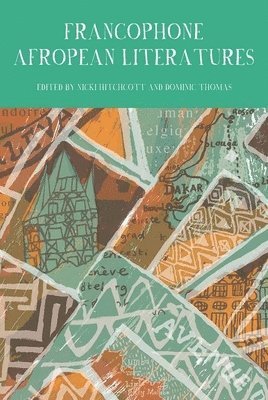
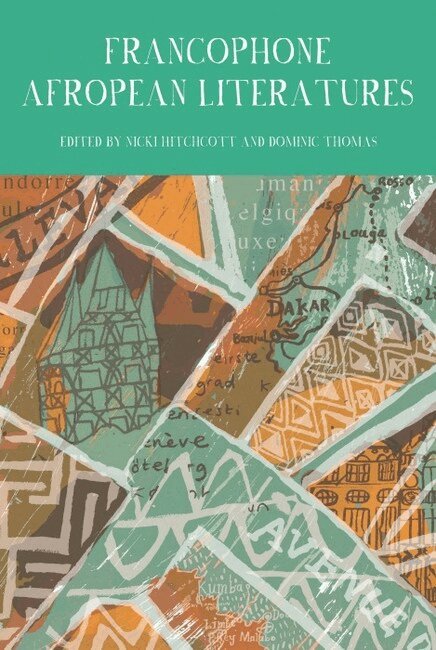
What does Afro-Europe signify? This volume explores the concept and possibility of a black European community by analysing the ways in which contemporary Francophone African writers articulate and interrogate their complex relationships with European society, culture and history. Through the different contributions in this volume, readers will discover the symbiotic ways in which Africa has transformed/been transformed (in/by) Europe and in turn how Africanness has (re)defined Europeanness. To this end, the volume places scholarly articles addressing the relationship between the francophone and Afro-European context alongside new, specially commissioned short stories and essays by some of the most critically-acclaimed and influential producers of Afropean writing today: Fatou Diome, Alain Mabanckou, Léonora Miano, Wilfried N’Sondé, Sami Tchak and Abdourahman Waberi. Works by these authors are discussed in and across the scholarly interventions, generating dialogue around what it means to be ‘Francophone’ and ‘Afropean’ in the twenty-first century. At a time when it is no longer easy to define what Europe really is, this book considers to what extent the category ‘Afropean’ may prove helpful in improving our understanding of the complex ways in which minority communities conceive of identity in Europe today and address the range of issues impacting them. The notion of ‘Afropeanism’ is of course relatively new, and this book does not claim to offer an exhaustive analysis of the term’s usage and/or potential pertinence. Rather, the cultural, political, and social circumstances of Europe today are reflected in discussions surrounding the term and perhaps not surprisingly, in the diverse and diverging perspectives adopted by the scholars and creative writers in this volume.
Del 38 - Contemporary French and Francophone Cultures
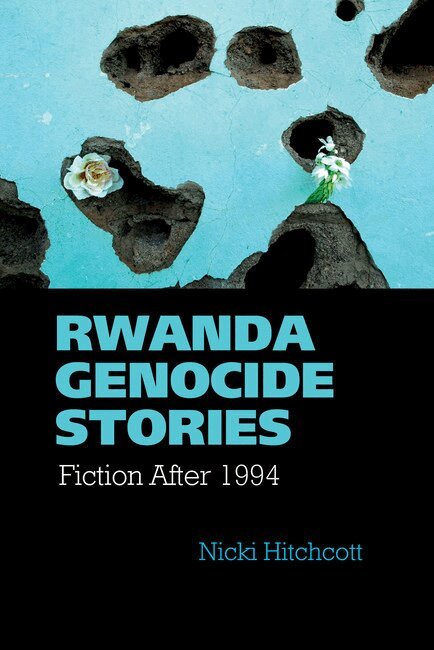
Rwanda Genocide Stories
Fiction After 1994
Inbunden, Engelska, 2015
2 118 kr
Skickas inom 7-10 vardagar
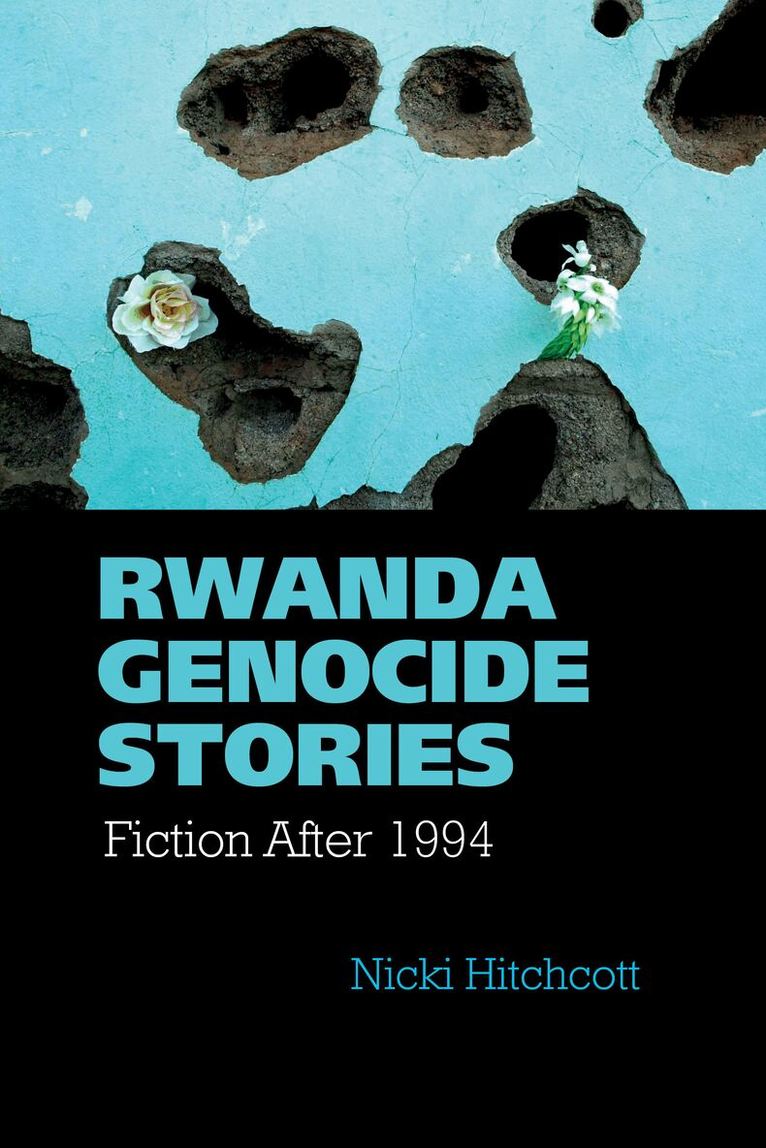
During what has become officially known as the genocide against the Tutsi, as many as one million Rwandan people were brutally massacred between April and July 1994. This book presents a critical study of fictional responses by authors inside and outside Rwanda to the 1994 genocide. Focusing on a large and original corpus of creative writing by African authors, including writers from Rwanda, Rwanda Genocide Stories: Fiction After 1994 examines the positionality of authors and their texts in relation to the genocide. How do issues of ‘ethnicity’, nationality, geographical location and family history affect the ways in which creative writers respond to what happened in 1994? And how do such factors lead to authors and their texts being positioned by others? The book is organized around the principal subject positions created by the genocide, categories that have particular connotations and have become fraught with political tension and ambiguity in the context of post-genocide Rwanda. Through analysis of the figures of tourists, witnesses, survivors, victims and perpetrators, the book identifies the ways in which readers of genocide stories are compelled to reevaluate their knowledge of Rwanda and take an active role in commemorative processes: as self-critical tourists, ethical witnesses, judges or culpable bystanders, we are encouraged to acknowledge and assume our own responsibility for what happened in 1994.
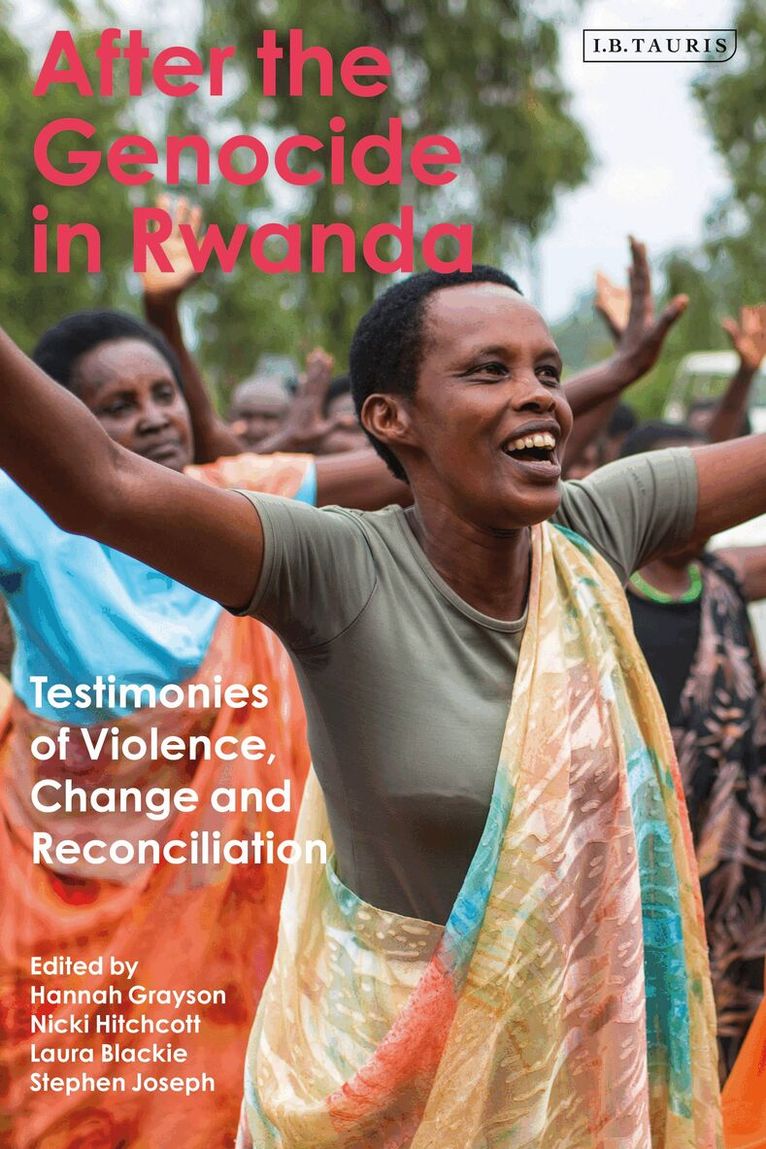
After the Genocide in Rwanda
Testimonies of Violence, Change and Reconciliation
Inbunden, Engelska, 2019
1 177 kr
Skickas inom 10-15 vardagar
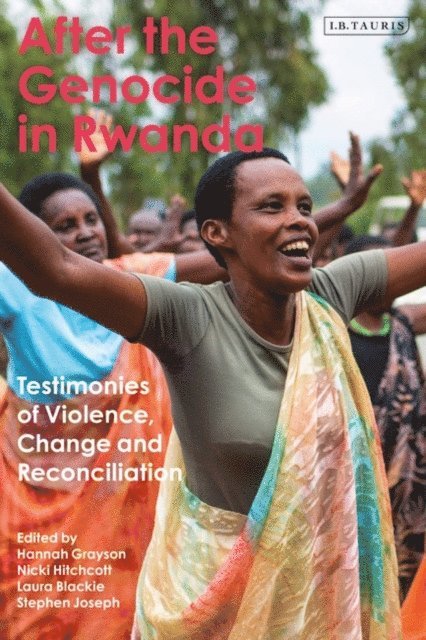
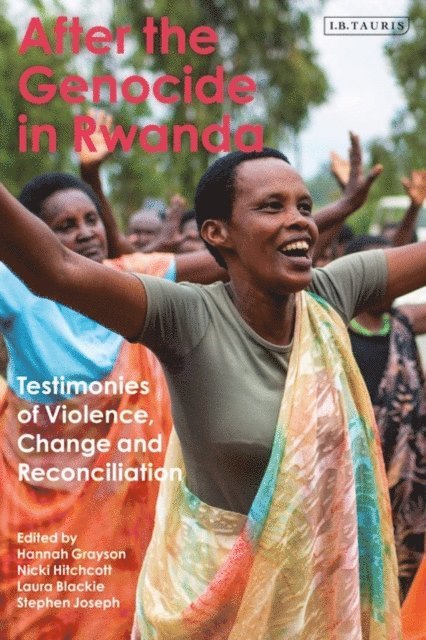
Since the Genocide against the Tutsi, when up to one million Rwandan people were brutally killed, Rwanda has undergone a remarkable period of reconstruction. Driven by a governmental programme of unity and reconciliation, the last 25 years have seen significant changes at national, community, and individual levels. This book gathers previously unpublished testimonies from individuals who lived through the genocide. These are the voices of those who experienced one of the most horrific events of the 20th Century. Yet, their stories do not simply paint a picture of lives left destroyed and damaged; they also demonstrate healing relationships, personal growth, forgiveness and reconciliation. Through the lens of positive psychology, the book presents a range of perspectives on what happened in Rwanda in 1994, and shows how people have been changed by their experience of genocide.
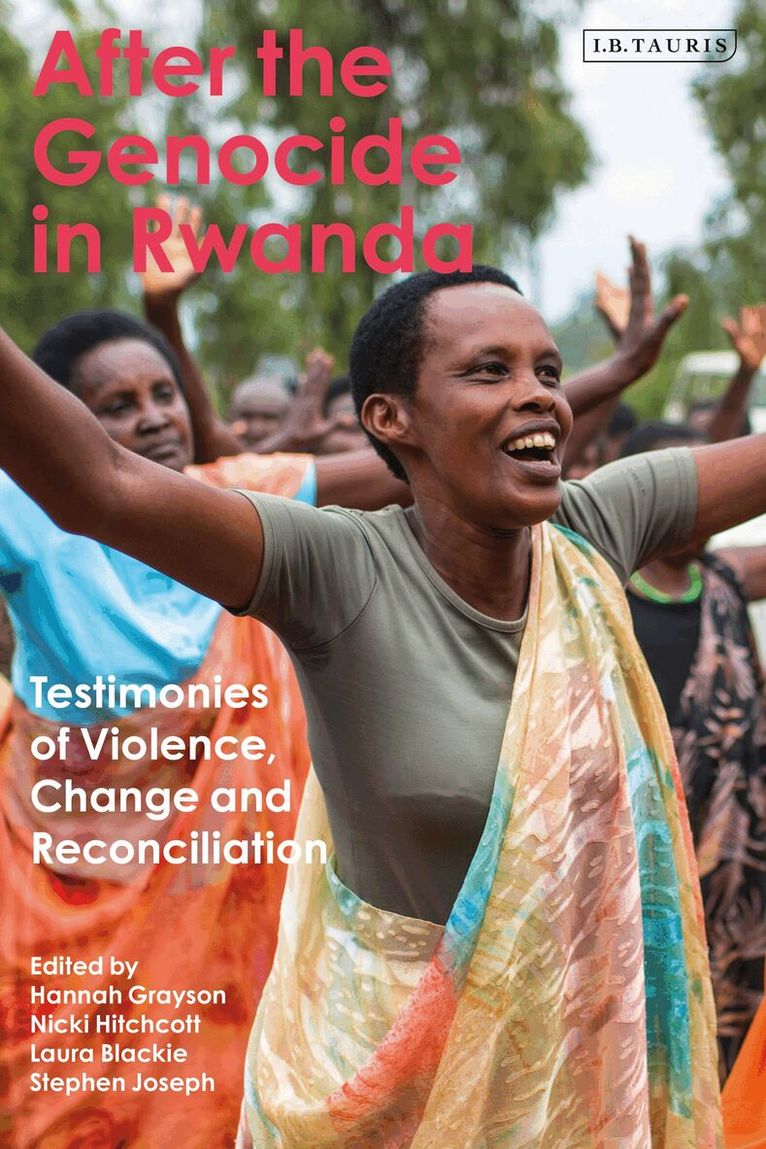
After the Genocide in Rwanda
Testimonies of Violence, Change and Reconciliation
Häftad, Engelska, 2019
365 kr
Skickas inom 10-15 vardagar
Since the Genocide against the Tutsi, when up to one million Rwandan people were brutally killed, Rwanda has undergone a remarkable period of reconstruction. Driven by a governmental programme of unity and reconciliation, the last 25 years have seen significant changes at national, community, and individual levels. This book gathers previously unpublished testimonies from individuals who lived through the genocide. These are the voices of those who experienced one of the most horrific events of the 20th Century. Yet, their stories do not simply paint a picture of lives left destroyed and damaged; they also demonstrate healing relationships, personal growth, forgiveness and reconciliation. Through the lens of positive psychology, the book presents a range of perspectives on what happened in Rwanda in 1994, and shows how people have been changed by their experience of genocide.
536 kr
Skickas inom 7-10 vardagar
What does Afro-Europe signify? This volume explores the concept and possibility of a black European community by analysing the ways in which contemporary Francophone African writers articulate and interrogate their complex relationships with European society, culture and history. Through the different contributions in this volume, readers will discover the symbiotic ways in which Africa has transformed/been transformed (in/by) Europe and in turn how Africanness has (re)defined Europeanness. To this end, the volume places scholarly articles addressing the relationship between the francophone and Afro-European context alongside new, specially commissioned short stories and essays by some of the most critically-acclaimed and influential producers of Afropean writing today: Fatou Diome, Alain Mabanckou, Léonora Miano, Wilfried N’Sondé, Sami Tchak and Abdourahman Waberi. Works by these authors are discussed in and across the scholarly interventions, generating dialogue around what it means to be ‘Francophone’ and ‘Afropean’ in the twenty-first century. At a time when it is no longer easy to define what Europe really is, this book considers to what extent the category ‘Afropean’ may prove helpful in improving our understanding of the complex ways in which minority communities conceive of identity in Europe today and address the range of issues impacting them. The notion of ‘Afropeanism’ is of course relatively new, and this book does not claim to offer an exhaustive analysis of the term’s usage and/or potential pertinence. Rather, the cultural, political, and social circumstances of Europe today are reflected in discussions surrounding the term and perhaps not surprisingly, in the diverse and diverging perspectives adopted by the scholars and creative writers in this volume.
Del 38 - Contemporary French and Francophone Cultures
Rwanda Genocide Stories
Fiction After 1994
Häftad, Engelska, 2021
536 kr
Skickas inom 7-10 vardagar
During what has become officially known as the genocide against the Tutsi, as many as one million Rwandan people were brutally massacred between April and July 1994. This book presents a critical study of fictional responses by authors inside and outside Rwanda to the 1994 genocide. Focusing on a large and original corpus of creative writing by African authors, including writers from Rwanda, Rwanda Genocide Stories: Fiction After 1994 examines the positionality of authors and their texts in relation to the genocide. How do issues of ‘ethnicity’, nationality, geographical location and family history affect the ways in which creative writers respond to what happened in 1994? And how do such factors lead to authors and their texts being positioned by others? The book is organized around the principal subject positions created by the genocide, categories that have particular connotations and have become fraught with political tension and ambiguity in the context of post-genocide Rwanda. Through analysis of the figures of tourists, witnesses, survivors, victims and perpetrators, the book identifies the ways in which readers of genocide stories are compelled to reevaluate their knowledge of Rwanda and take an active role in commemorative processes: as self-critical tourists, ethical witnesses, judges or culpable bystanders, we are encouraged to acknowledge and assume our own responsibility for what happened in 1994.
483 kr
Skickas inom 7-10 vardagar
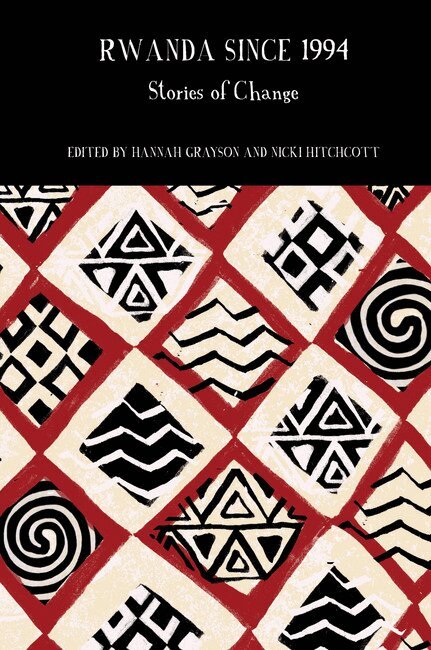
Over the past 25 years, Rwanda has undergone remarkable shifts and transitions: culturally, economically, and educationally the country has gone from strength to strength. While much scholarship has understandably been retrospective, seeking to understand, document and commemorate the Genocide against the Tutsi, this volume gathers diverse perspectives on the changing social and cultural fabric of Rwanda since 1994. Rwanda Since 1994 considers the context of these changes, particularly in relation to the ongoing importance of remembering and in wider developments in the Great Lakes and East Africa regions. Equally it explores what stories of change are emerging from Rwanda: creative writing and testimonies, as well as national, regional, and international political narratives. The contributors interrogate which frameworks and narratives might be most useful for understanding different kinds of change, what new directions are emerging, and how Rwanda’s trajectory is shaped by other global factors.The international set of contributors includes creative writers, practitioners, activists, and scholars from African studies, history, anthropology, education, international relations, modern languages, law and politics. As well as delving into the shifting dynamics of religion and gender in Rwanda today, the book brings to light the experiences of lesser-discussed groups of people such as the Twa and the children of perpetrators.
Del 16 - Francophone Postcolonial Studies
Ecotexts in the Postcolonial Francosphere
Inbunden, Engelska, 2025
2 220 kr
Skickas inom 7-10 vardagar
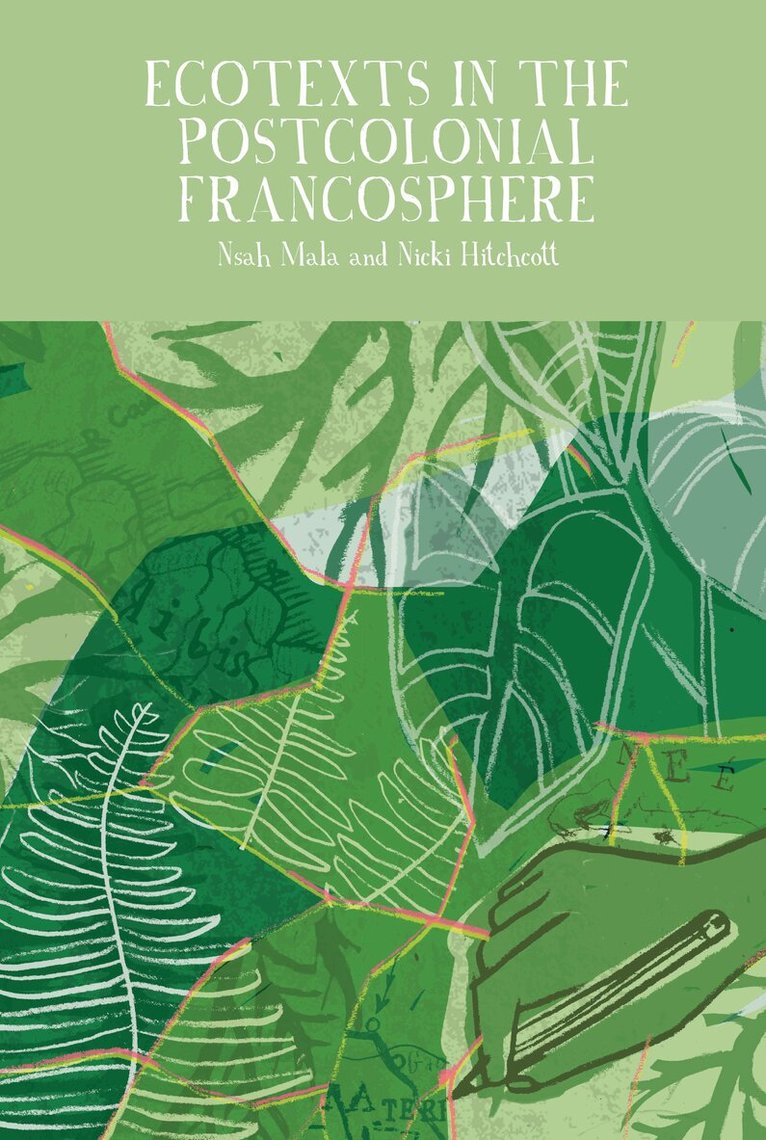
Through a postcolonial lens, this book explores the various ways in which francophone writers, visual artists and activists are responding to the global climate and environmental crises threatening the Earth today.The volume covers most of the francosphere: Africa, the Caribbean, the Indian Ocean, South America and Polynesia. As well as discussing a range of environmental issues, from soil erosion to nuclear testing, it also considers ways in which francophone writers have become ecological activists. The ecotexts discussed include graphic novels, visual narratives, and zines alongside more conventional literary texts such as novels, short stories and poetry.The book seeks to decentre Belgium and France in francophone ecocritical scholarship while engaging in current debates in the field of ecocriticism, including the afterlives of Belgian and French colonialism and neo-colonialism in relation to climate change and environmental degradation, Blue Humanities, waste and toxicity studies, critical animal and plant studies, Indigenous peoples and their cultures and knowledges, climate-environmental (in)justice, and writerly/textual activism for climate and environment. It aims to widen the geographical scope of francophone ecocriticism by discussing a wide range of eco-themes that go beyond the segmentation and compartmentalisation found in other books in the field.
1 958 kr
Skickas inom 10-15 vardagar
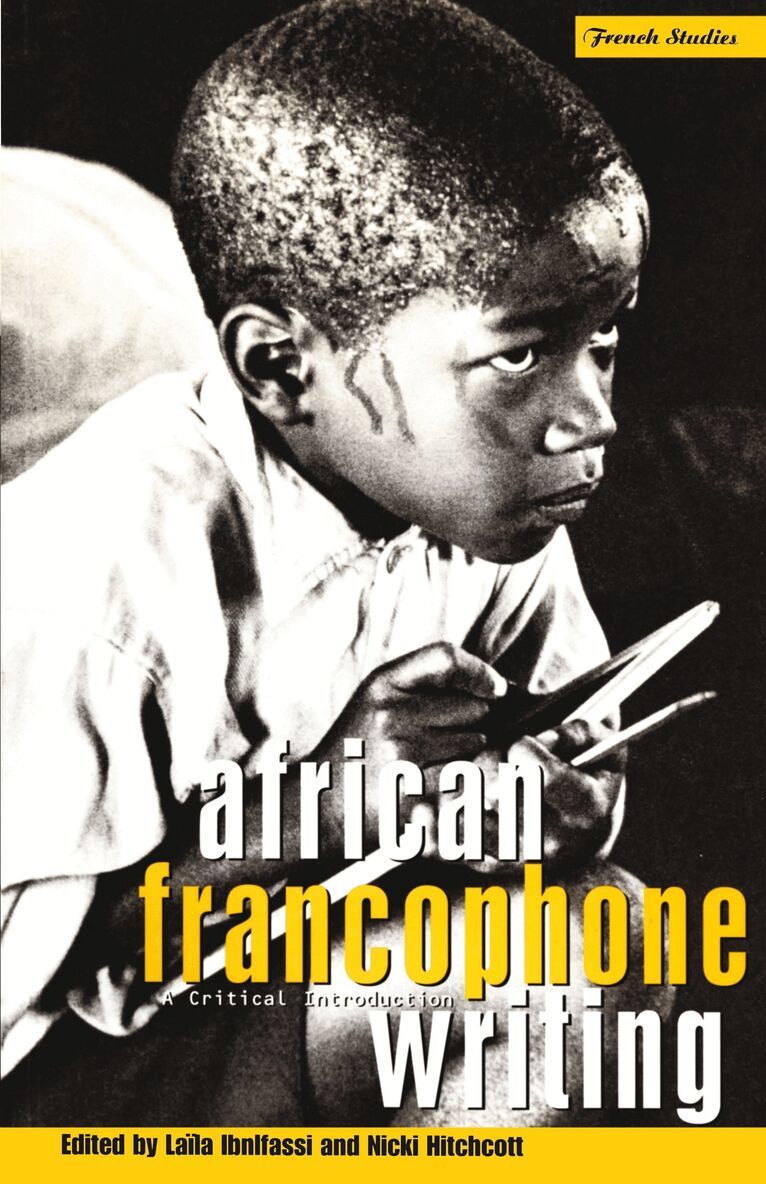
African Francophone Writing presents a comprehensive overview of African writing in the Francophone literary world. It explores the work of important classic and contemporary African writers from the 1950s to the present who, until recently, have received little critical attention. The contributors view their subjects from a diverse range of critical perspectives -- historical, thematic, psychoanalytic, feminist and post-colonial -- to provide a variety of theoretically sophisticated analyses of Francophone writing. A comprehensive introduction and an extensive chronological table are included. African Francophone literature is rapidly becoming a major discipline in universities in Britain and North America. This book will provide much needed critical material for students at both undergraduate and postgraduate level. [Well-known authors studied in this book include: Chraibi, Memmi and Boudjedra in the Maghreb; Sembene, Kourouma and Adiaffi in sub-Saharan Africa; Begag and Cherif from the 'Beur' community; and women writers such as Debeche, Fall and Ba.]
546 kr
Skickas inom 10-15 vardagar
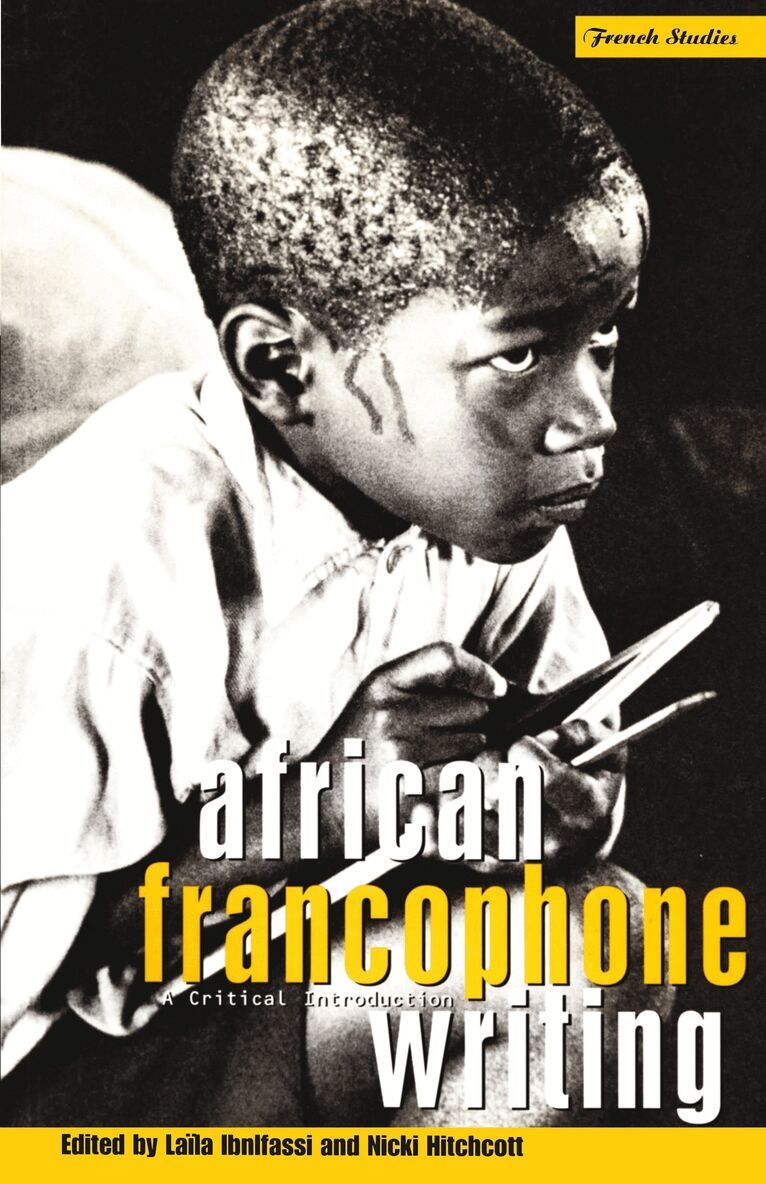
African Francophone Writing presents a comprehensive overview of African writing in the Francophone literary world. It explores the work of important classic and contemporary African writers from the 1950s to the present who, until recently, have received little critical attention. The contributors view their subjects from a diverse range of critical perspectives -- historical, thematic, psychoanalytic, feminist and post-colonial -- to provide a variety of theoretically sophisticated analyses of Francophone writing. A comprehensive introduction and an extensive chronological table are included. African Francophone literature is rapidly becoming a major discipline in universities in Britain and North America. This book will provide much needed critical material for students at both undergraduate and postgraduate level. [Well-known authors studied in this book include: Chraibi, Memmi and Boudjedra in the Maghreb; Sembene, Kourouma and Adiaffi in sub-Saharan Africa; Begag and Cherif from the 'Beur' community; and women writers such as Debeche, Fall and Ba.]
2 408 kr
Skickas inom 10-15 vardagar
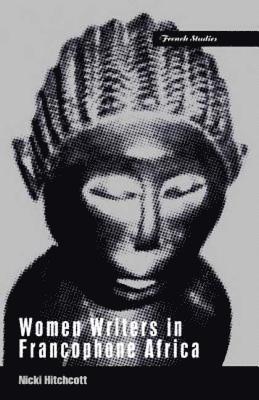
In the rapidly growing field of African literature in French, writing by women has largely been ignored. This book, the first comprehensive study of women's writing in francophone sub-Saharan Africa, redressess the critical imbalance and celebrates the originality of this fascinating new literature.Considering questions of genre and ideology, the author highlights the tension between the individualistic act of writing and the collective tradition of African society - a tension which emerges as the key to each of the texts discussed. Focusing on four major authors - Mariama Ba, Aminata Sow Fall, Werewere Liking and Calixthe Beyala, each with an international reputation - the book uses a feminist approach to consider the duality of the African woman, who is often torn between modernity and tradition. This duality, the author suggests, is reconfigured through fictional writings which provide a space for alternative female subjectivities to emerge.