Dominic Thomas - Böcker
Visar alla böcker från författaren Dominic Thomas. Handla med fri frakt och snabb leverans.
19 produkter
19 produkter
283 kr
Skickas inom 7-10 vardagar
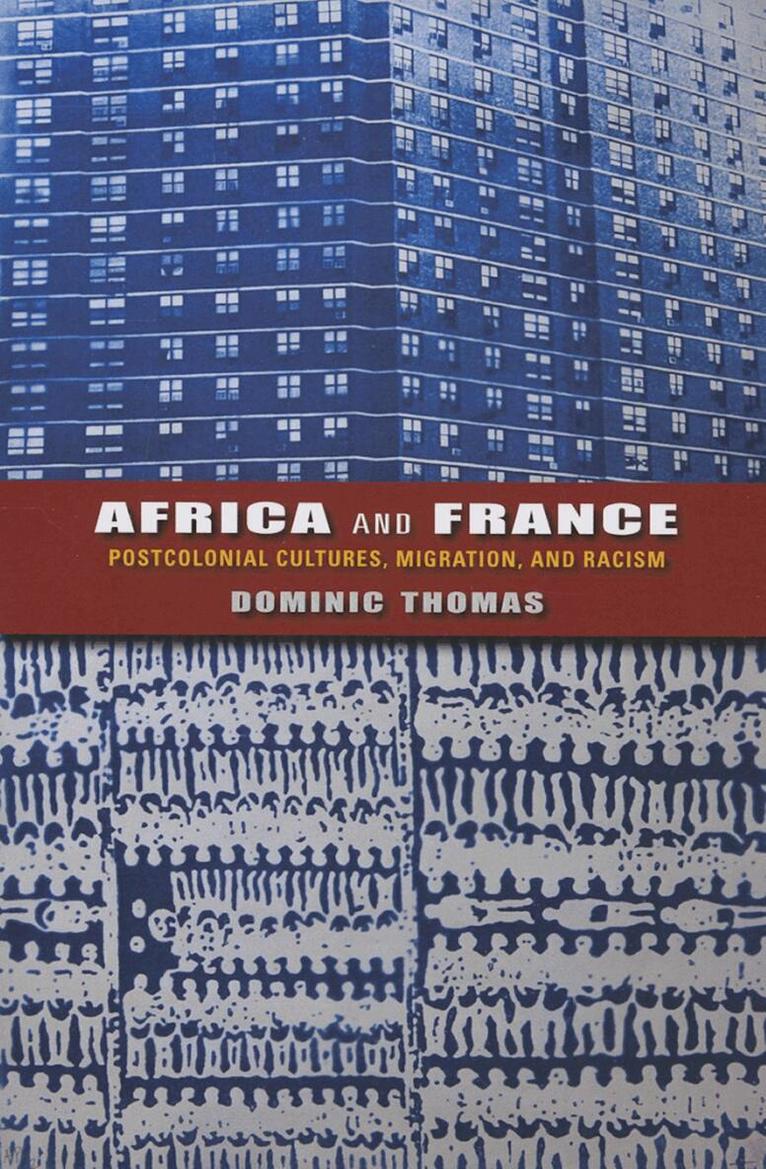
This stimulating and insightful book reveals how increased control over immigration has changed cultural and social production in theater, literature, and even museum construction. Dominic Thomas's analysis unravels the complex cultural and political realities of long-standing mobility between Africa and Europe. Thomas questions the attempt to place strict limits on what it means to be French or European and offers a sense of what must happen to bring about a renewed sense of integration and global Frenchness.
666 kr
Skickas inom 10-15 vardagar
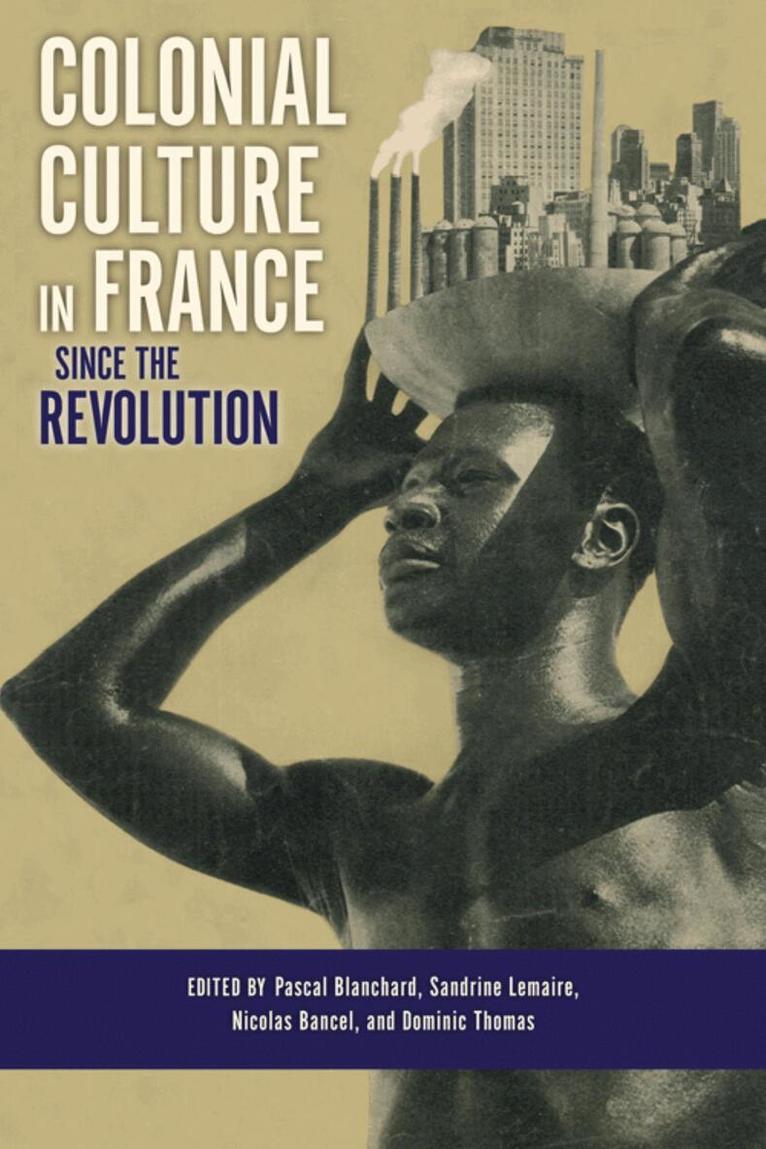
This landmark collection by an international group of scholars and public intellectuals represents a major reassessment of French colonial culture and how it continues to inform thinking about history, memory, and identity. This reexamination of French colonial culture, provides the basis for a revised understanding of its cultural, political, and social legacy and its lasting impact on postcolonial immigration, the treatment of ethnic minorities, and national identity.
657 kr
Skickas inom 7-10 vardagar
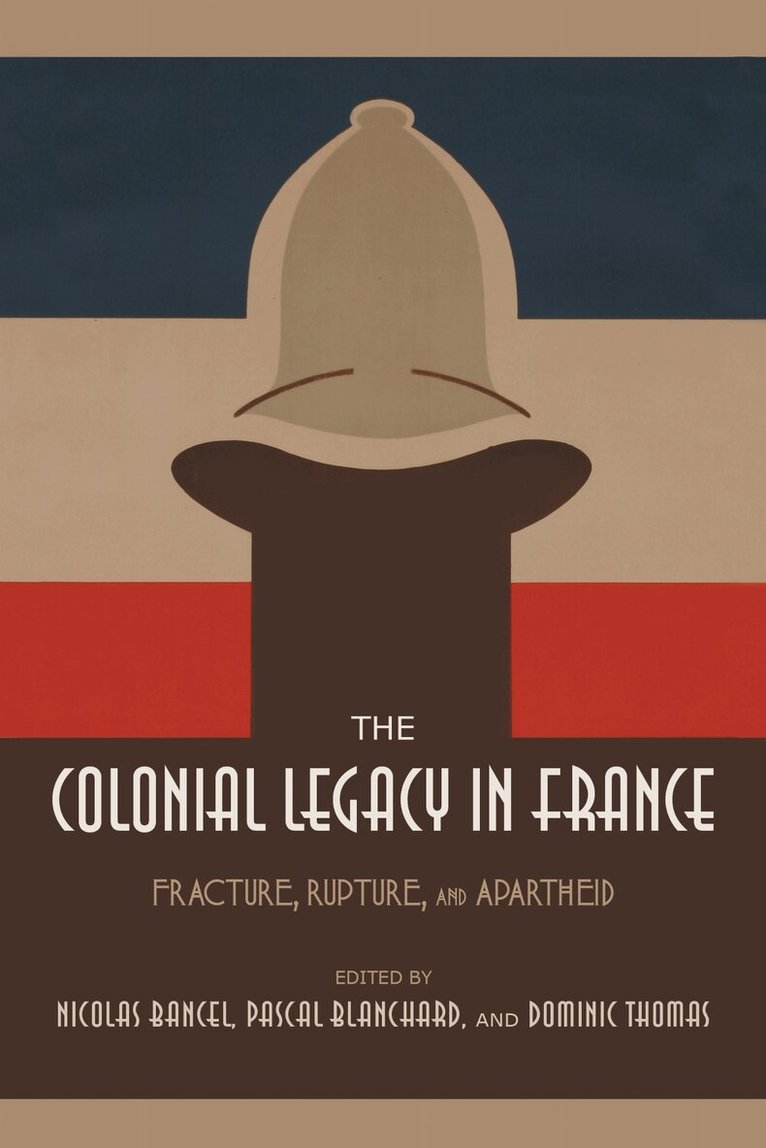
Debates about the legacy of colonialism in France are not new, but they have taken on new urgency in the wake of recent terrorist attacks. Responding to acts of religious and racial violence in 2005, 2010, and 2015 and beyond, the essays in this volume pit French ideals against government-sponsored revisionist decrees that have exacerbated tensions, complicated the process of establishing and recording national memory, and triggered divisive debates on what it means to identify as French. As they document the checkered legacy of French colonialism, the contributors raise questions about France and the contemporary role of Islam, the banlieues, immigration, race, history, pedagogy, and the future of the Republic. This innovative volume reconsiders the cultural, economic, political, and social realities facing global French citizens today and includes contributions by Achille Mbembe, Benjamin Stora, Françoise Vergès, Alec Hargreaves, Elsa Dorlin, and Alain Mabanckou, among others.
269 kr
Skickas inom 10-15 vardagar
What characterizes the relationship between literature and the state? Should literature serve the needs of the state by constructing national consciousness, espousing state propaganda, and molding good citizens? Or should it be dedicated to a different kind of creative social endeavor? In this important book about literature and the politics of nation-building, Dominic Thomas assesses the contributions of Francophone African writers whose works have played a key role in the recent transition to democracy in the Congo. Exploring the works of Sony Labou Tansi, Henri Lopes, and Emmanuel Dongala, among others, Thomas highlights writers intimately involved with government and politics—whether in support of the state's vision or with the intention of articulating a more open view of citizens and society. Focusing on themes such as collaboration, reconciliation, identity, history, and memory, Nation-Building, Propaganda, and Literature in Francophone Africa elaborates a broader understanding of the circumstances of African colonization, modern African nation-state formation, and the complex cultural dynamics at work in Africa since independence.
309 kr
Skickas inom 7-10 vardagar
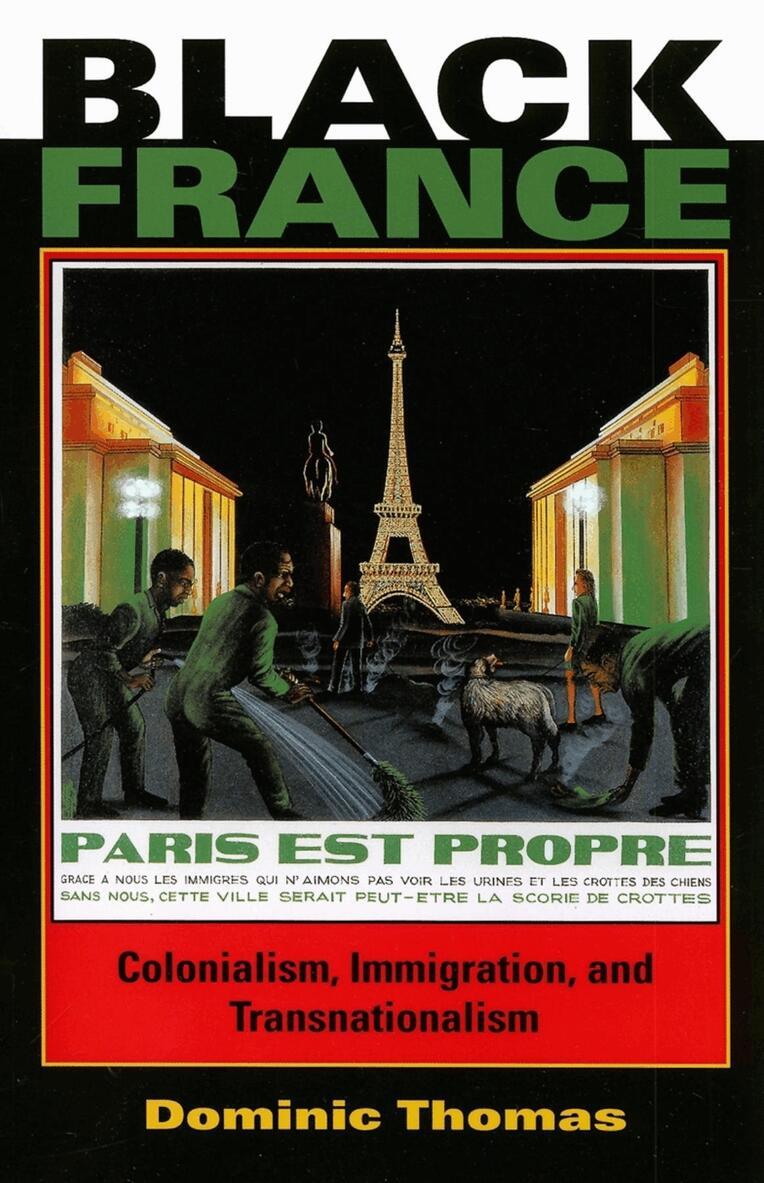
"[W]ithout a doubt one of the most important studies so far completed on literature in French grounded in the experiences of migrants of sub-Saharan African origin." —Alec Hargreaves, Florida State UniversityFrance has always hosted a rich and vibrant black presence within its borders. But recent violent events have raised questions about France's treatment of ethnic minorities. Challenging the identity politics that have set immigrants against the mainstream, Black France explores how black expressive culture has been reformulated as global culture in the multicultural and multinational spaces of France. Thomas brings forward questions such as—Why is France a privileged site of civilization? Who is French? Who is an immigrant? Who controls the networks of production? Black France poses an urgently needed reassessment of the French colonial legacy.
677 kr
Skickas inom 10-15 vardagar
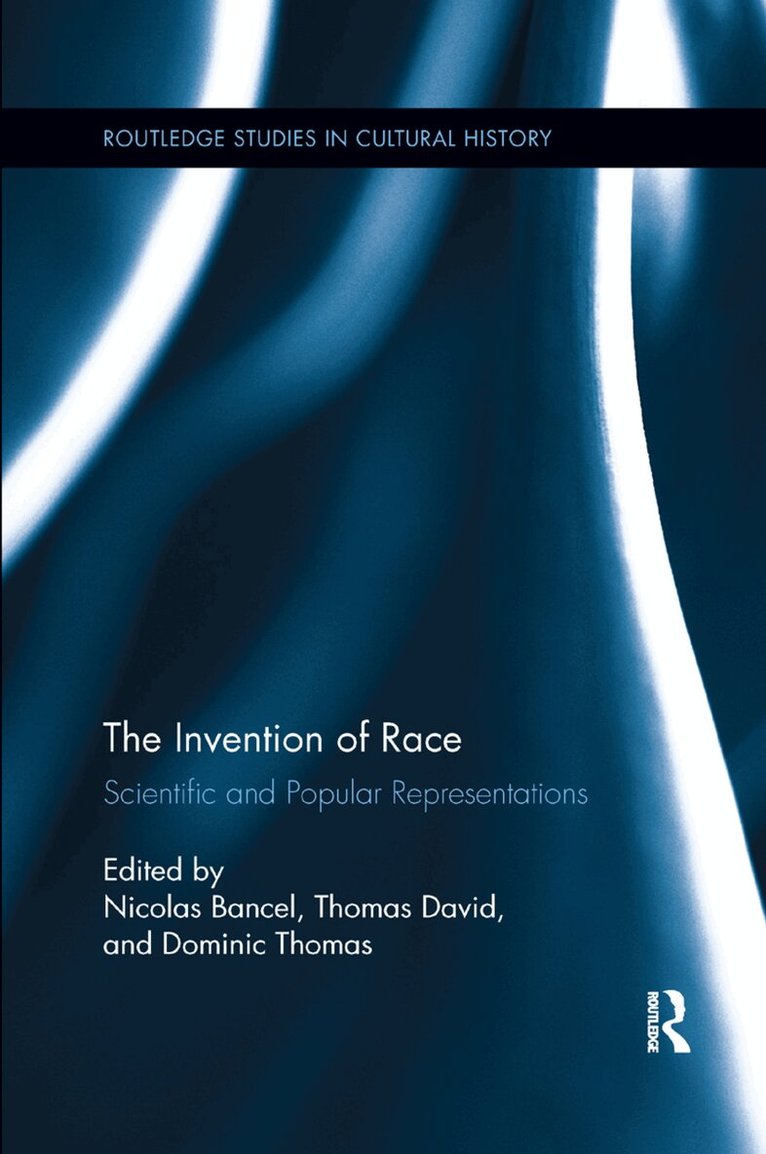
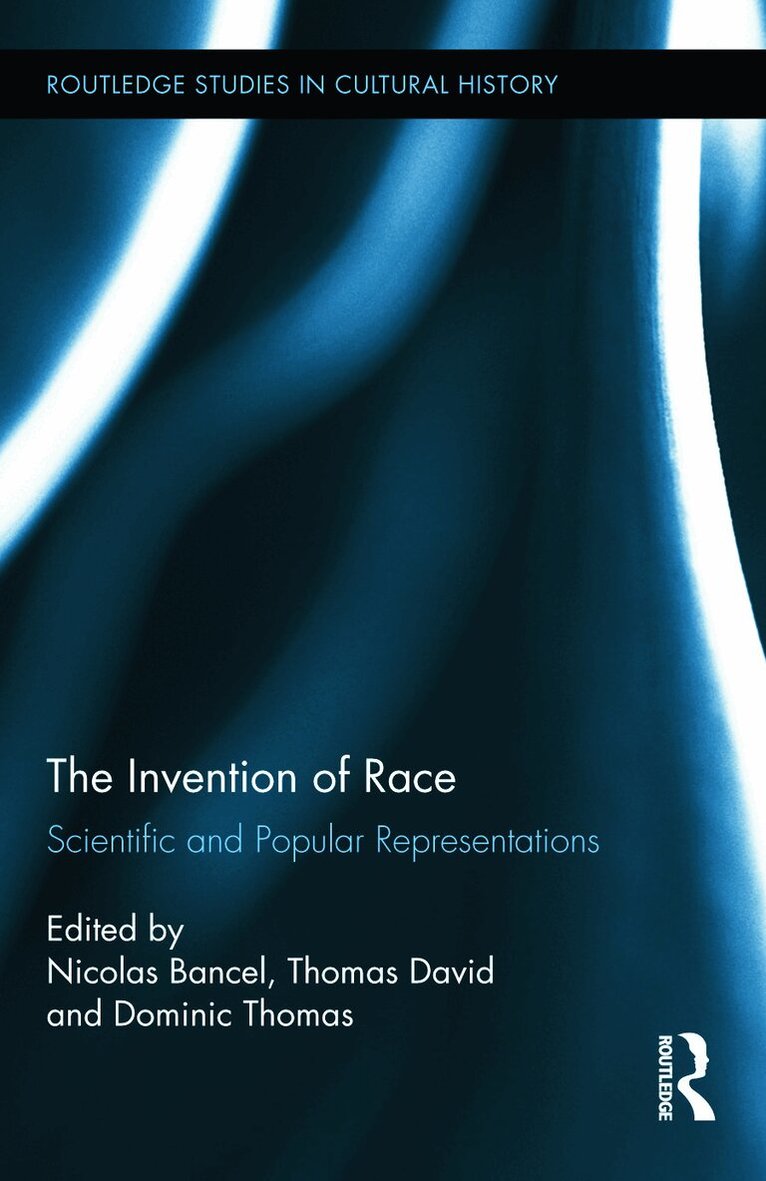
This edited collection explores the genesis of scientific conceptions of race and their accompanying impact on the taxonomy of human collections internationally as evidenced in ethnographic museums, world fairs, zoological gardens, international colonial exhibitions and ethnic shows. A deep epistemological change took place in Europe in this domain toward the end of the eighteenth century, producing new scientific representations of race and thereby triggering a radical transformation in the visual economy relating to race and racial representation and its inscription in the body. These practices would play defining roles in shaping public consciousness and the representation of “otherness” in modern societies. The Invention of Race provides contextualization that is often lacking in contemporary discussions on diversity, multiculturalism and race.
2 150 kr
Skickas inom 10-15 vardagar
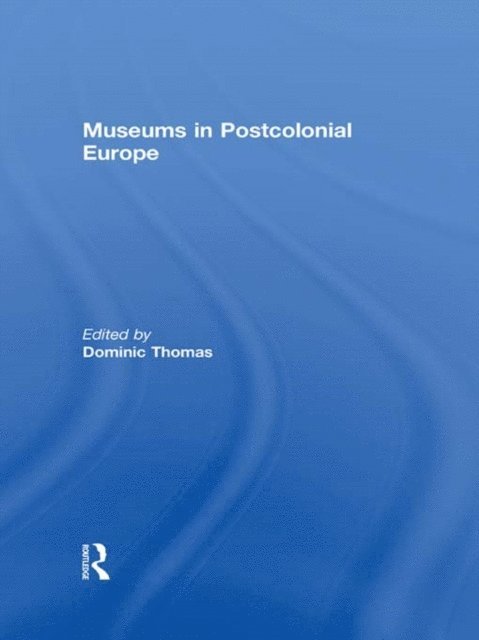
The history of European nation-building and identity formation is inextricably connected with museums, and the role they play in displaying the acquired spoils and glorious symbols of geopolitical power in order to mobilize public support for expansionist ventures. This book examines the contemporary debate surrounding the museum in postcolonial Europe.Although there is no consensus on the European colonial experience, the process of decolonization in Europe has involved an examination of the museum’s place, and ethnic minorities and immigrants have insisted upon improved representation in the genealogies of European nation-states. Museological practices have been subjected to greater scrutiny in light of these political and social transformations. In addition to the refurbishment and restructuring of colonial-era museums, new spaces have also been inaugurated to highlight the contemporary importance of museums in postcolonial Europe, as well as the significance of incorporating the perspective of postcolonial European populations into these spaces. This book includes contributions from leading experts in their fields and represents a comparative trans-historical and transcolonial examination which contextualises and reinterpretates to the legacies and experiences of European museums.This book was published as a special issue of Africa and Black Diaspora: An International Journal.
831 kr
Skickas inom 10-15 vardagar
The history of European nation-building and identity formation is inextricably connected with museums, and the role they play in displaying the acquired spoils and glorious symbols of geopolitical power in order to mobilize public support for expansionist ventures. This book examines the contemporary debate surrounding the museum in postcolonial Europe.Although there is no consensus on the European colonial experience, the process of decolonization in Europe has involved an examination of the museum’s place, and ethnic minorities and immigrants have insisted upon improved representation in the genealogies of European nation-states. Museological practices have been subjected to greater scrutiny in light of these political and social transformations. In addition to the refurbishment and restructuring of colonial-era museums, new spaces have also been inaugurated to highlight the contemporary importance of museums in postcolonial Europe, as well as the significance of incorporating the perspective of postcolonial European populations into these spaces. This book includes contributions from leading experts in their fields and represents a comparative trans-historical and transcolonial examination which contextualises and reinterpretates to the legacies and experiences of European museums.This book was published as a special issue of Africa and Black Diaspora: An International Journal.
2 357 kr
Skickas inom 10-15 vardagar
This edited collection explores the genesis of scientific conceptions of race and their accompanying impact on the taxonomy of human collections internationally as evidenced in ethnographic museums, world fairs, zoological gardens, international colonial exhibitions and ethnic shows. A deep epistemological change took place in Europe in this domain toward the end of the eighteenth century, producing new scientific representations of race and thereby triggering a radical transformation in the visual economy relating to race and racial representation and its inscription in the body. These practices would play defining roles in shaping public consciousness and the representation of “otherness” in modern societies. The Invention of Race provides contextualization that is often lacking in contemporary discussions on diversity, multiculturalism and race.
612 kr
Skickas inom 7-10 vardagar
A Companion to Comparative Literature presents a collection of more than thirty original essays from established and emerging scholars, which explore the history, current state, and future of comparative literature. Features over thirty original essays from leading international contributorsProvides a critical assessment of the status of literary and cross-cultural inquiryAddresses the history, current state, and future of comparative literatureChapters address such topics as the relationship between translation and transnationalism, literary theory and emerging media, the future of national literatures in an era of globalization, gender and cultural formation across time, East-West cultural encounters, postcolonial and diaspora studies, and other experimental approaches to literature and culture
Del 131 - Blackwell Companions to Literature and Culture
Companion to Comparative Literature
Inbunden, Engelska, 2011
2 403 kr
Skickas inom 7-10 vardagar
A Companion to Comparative Literature presents a collection of more than thirty original essays from established and emerging scholars, which explore the history, current state, and future of comparative literature. Features over thirty original essays from leading international contributorsProvides a critical assessment of the status of literary and cross-cultural inquiryAddresses the history, current state, and future of comparative literatureChapters address such topics as the relationship between translation and transnationalism, literary theory and emerging media, the future of national literatures in an era of globalization, gender and cultural formation across time, East-West cultural encounters, postcolonial and diaspora studies, and other experimental approaches to literature and culture
472 kr
Skickas inom 7-10 vardagar
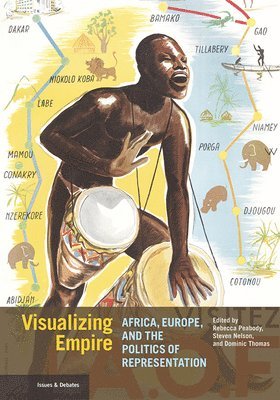
An exploration of how an official French visual culture normalized France's colonial project and exposed citizens and subjects to racialized ideas of life in the empire. By the end of World War I, having fortified its colonial holdings in the Caribbean, Latin America, Africa, the Indian Ocean, and Asia, France had expanded its dominion to the four corners of the earth. This volume examines how an official French visual culture normalized the country's colonial project and exposed citizens and subjects alike to racialized ideas of life in the empire. Essays analyze aspects of colonialism through investigations into the art, popular literature, material culture, film, and exhibitions that represented, celebrated, or were created for France's colonies across the seas. These studies draw from the rich documents and media--photographs, albums, postcards, maps, posters, advertisements, and children's games--related to the nineteenth- and twentieth-century French empire that are held in the Getty Research Institute's Association Connaissance de l'histoire de l'Afrique contemporaine (ACHAC) collections. ACHAC is a consortium of scholars and researchers devoted to exploring and promoting discussions of race, iconography, and the colonial and postcolonial periods of Africa and Europe.
2 118 kr
Skickas inom 7-10 vardagar
What does Afro-Europe signify? This volume explores the concept and possibility of a black European community by analysing the ways in which contemporary Francophone African writers articulate and interrogate their complex relationships with European society, culture and history. Through the different contributions in this volume, readers will discover the symbiotic ways in which Africa has transformed/been transformed (in/by) Europe and in turn how Africanness has (re)defined Europeanness. To this end, the volume places scholarly articles addressing the relationship between the francophone and Afro-European context alongside new, specially commissioned short stories and essays by some of the most critically-acclaimed and influential producers of Afropean writing today: Fatou Diome, Alain Mabanckou, Léonora Miano, Wilfried N’Sondé, Sami Tchak and Abdourahman Waberi. Works by these authors are discussed in and across the scholarly interventions, generating dialogue around what it means to be ‘Francophone’ and ‘Afropean’ in the twenty-first century. At a time when it is no longer easy to define what Europe really is, this book considers to what extent the category ‘Afropean’ may prove helpful in improving our understanding of the complex ways in which minority communities conceive of identity in Europe today and address the range of issues impacting them. The notion of ‘Afropeanism’ is of course relatively new, and this book does not claim to offer an exhaustive analysis of the term’s usage and/or potential pertinence. Rather, the cultural, political, and social circumstances of Europe today are reflected in discussions surrounding the term and perhaps not surprisingly, in the diverse and diverging perspectives adopted by the scholars and creative writers in this volume.
536 kr
Skickas inom 7-10 vardagar
What does Afro-Europe signify? This volume explores the concept and possibility of a black European community by analysing the ways in which contemporary Francophone African writers articulate and interrogate their complex relationships with European society, culture and history. Through the different contributions in this volume, readers will discover the symbiotic ways in which Africa has transformed/been transformed (in/by) Europe and in turn how Africanness has (re)defined Europeanness. To this end, the volume places scholarly articles addressing the relationship between the francophone and Afro-European context alongside new, specially commissioned short stories and essays by some of the most critically-acclaimed and influential producers of Afropean writing today: Fatou Diome, Alain Mabanckou, Léonora Miano, Wilfried N’Sondé, Sami Tchak and Abdourahman Waberi. Works by these authors are discussed in and across the scholarly interventions, generating dialogue around what it means to be ‘Francophone’ and ‘Afropean’ in the twenty-first century. At a time when it is no longer easy to define what Europe really is, this book considers to what extent the category ‘Afropean’ may prove helpful in improving our understanding of the complex ways in which minority communities conceive of identity in Europe today and address the range of issues impacting them. The notion of ‘Afropeanism’ is of course relatively new, and this book does not claim to offer an exhaustive analysis of the term’s usage and/or potential pertinence. Rather, the cultural, political, and social circumstances of Europe today are reflected in discussions surrounding the term and perhaps not surprisingly, in the diverse and diverging perspectives adopted by the scholars and creative writers in this volume.
1 291 kr
Skickas inom 5-8 vardagar
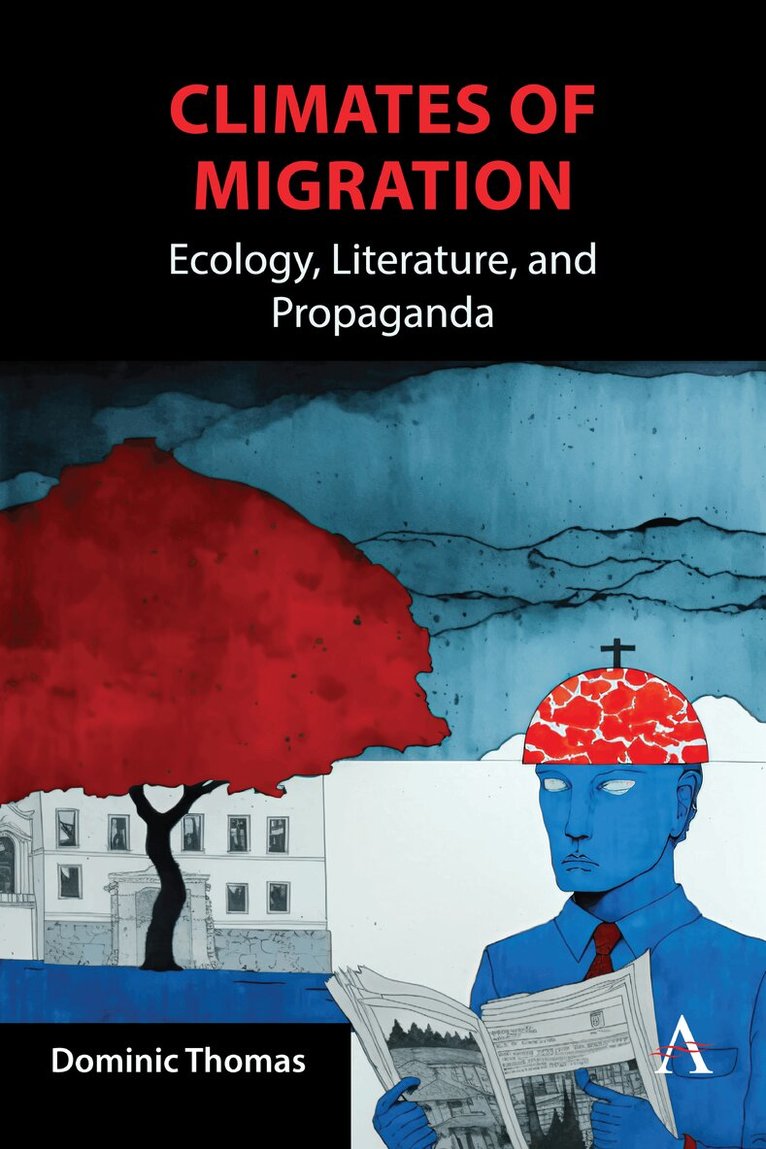
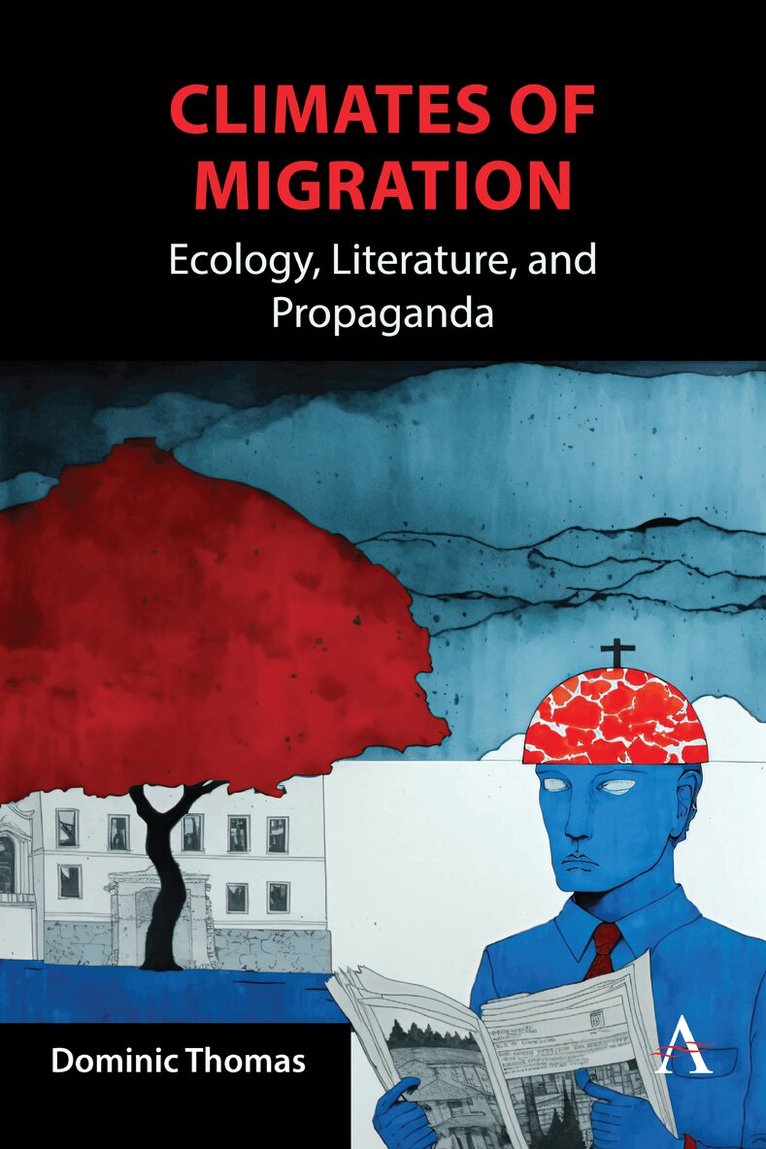
Climate and migration provide the organizational pillars, and the plural “climates” in the title accentuates the figurative non-literal sense to signify the atmosphere that is attached to anxiety, disinformation, fear and violence. Competing narratives and storytelling mechanisms conjointly operate over a longer history of colonial conquest and remain present in the mind-sets informing the afterlives of empire, as evidenced in debates on identity politics, nationalism, environmental, racial and social justice. The broad transregional (Africa, the Caribbean, Europe) and transdisciplinary framework privileges comparative analysis between various disciplines and fields, notably migration studies, environmental humanities, eco-feminism, nationalism, and decolonial and postcolonial studies, while adopting multigenre approaches that include a diversity of perspectives from literature, media discourse, art, propaganda, visual culture and new technologies. Together, these challenge the criminalizing, debasing and often dehumanizing logic associated with official policymaking and propose instead alternative forms of humanization and identification aimed at fostering modes of empathy. Climates of Migration explores various forms of environmental exploitation and degradation, especially in African literatures where the thematic transformations that have resulted from engagement with environmental ecocide have contributed to a revitalization of writing. Planetary climate change and the accompanying disruption to the global ecosystem is traced to European territorial conquest and expansion and subsequently mapped onto the contemporary institutional (European Union) and political discourses that are structuring our present, while also enabling unforeseen forms of planetary consciousness.
414 kr
Skickas inom 5-8 vardagar
Climate and migration provide the organizational pillars, and the plural “climates” in the title accentuates the figurative non-literal sense to signify the atmosphere that is attached to anxiety, disinformation, fear and violence. Competing narratives and storytelling mechanisms conjointly operate over a longer history of colonial conquest and remain present in the mind-sets informing the afterlives of empire, as evidenced in debates on identity politics, nationalism, environmental, racial and social justice. The broad transregional (Africa, the Caribbean, Europe) and transdisciplinary framework privileges comparative analysis between various disciplines and fields, notably migration studies, environmental humanities, eco-feminism, nationalism, and decolonial and postcolonial studies, while adopting multigenre approaches that include a diversity of perspectives from literature, media discourse, art, propaganda, visual culture and new technologies. Together, these challenge the criminalizing, debasing and often dehumanizing logic associated with official policymaking and propose instead alternative forms of humanization and identification aimed at fostering modes of empathy. Climates of Migration explores various forms of environmental exploitation and degradation, especially in African literatures where the thematic transformations that have resulted from engagement with environmental ecocide have contributed to a revitalization of writing. Planetary climate change and the accompanying disruption to the global ecosystem is traced to European territorial conquest and expansion and subsequently mapped onto the contemporary institutional (European Union) and political discourses that are structuring our present, while also enabling unforeseen forms of planetary consciousness.
512 kr
Tillfälligt slut
512 kr
Tillfälligt slut
246 kr
Skickas inom 5-8 vardagar