Hannah-Lena Hagemann – Författare
Visar alla böcker från författaren Hannah-Lena Hagemann. Handla med fri frakt och snabb leverans.
5 produkter
5 produkter
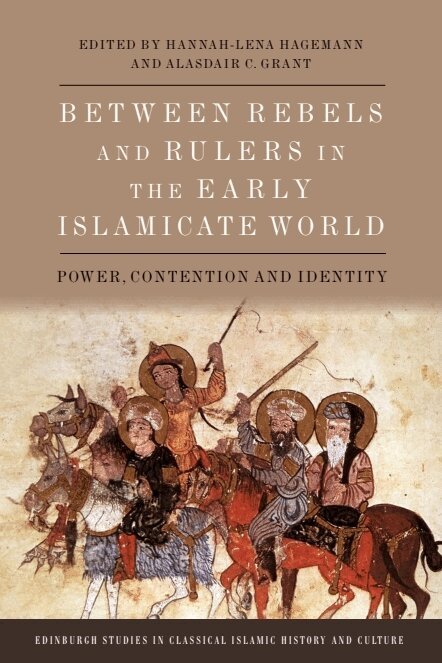
Between Rebels and Rulers in the Early Islamicate World
Power, Contention and Identity
Inbunden, Engelska, 2024
1 204 kr
Skickas
Between Rebels and Rulers in the Early Islamicate World offers the first dedicated examination of the phenomenon of rebellion across the early Islamicate world. It combines discourse analysis with a return to long-neglected social-historical analysis in its study of contention and the ways in which it was narrated and enacted. These approaches are pursued through fourteen case studies, ranging geographically from North Africa to Central Asia and chronologically from the sixth to tenth centuries CE. These diverse examples reveal several patterns: First, rebellion operated as a normative means of negotiating power and obtaining justice. Second, the main constituencies of rebellion were local elites, both Muslims and non-Muslims, Arabs and members of pre-conquest societies, separately or together. Accordingly, this volume challenges the 'othering' of rebels found in written sources and reflected in scholarship and reframes them and their discourses as integral parts of an imperial system. Third, social ties provided a framework for the mobilisation of rebellious constituencies and the resolution of conflict.
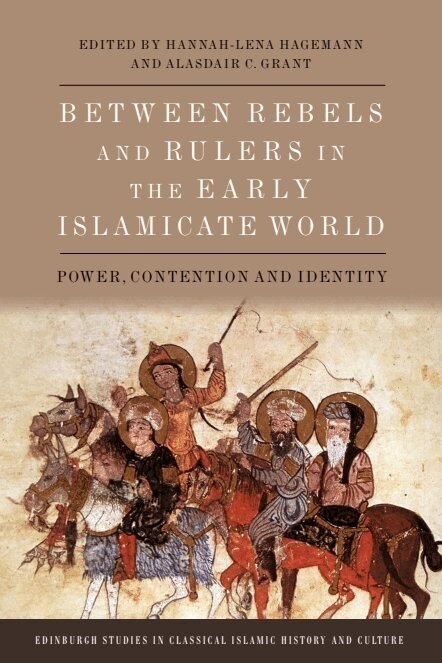
Between Rebels and Rulers in the Early Islamicate World
Power, Contention and Identity
Häftad, Engelska, 2026
306 kr
Kommande
Between Rebels and Rulers in the Early Islamicate World offers the first dedicated examination of the phenomenon of rebellion across the early Islamicate world. It combines discourse analysis with a return to long-neglected social-historical analysis in its study of contention and the ways in which it was narrated and enacted. These approaches are pursued through fourteen case studies, ranging geographically from North Africa to Central Asia and chronologically from the sixth to tenth centuries CE. These diverse examples reveal several patterns: first, rebellion operated as a normative means of negotiating power and obtaining justice. Secondly, the main constituencies of rebellion were local elites, both Muslims and non-Muslims, Arabs and members of pre-conquest societies, separately or together. Accordingly, this volume challenges the ‘othering’ of rebels found in written sources and reflected in scholarship and reframes them and their discourses as integral parts of an imperial system. And thirdly, this book shows how social ties provided a framework for the mobilisation of rebellious constituencies and the resolution of conflict.
1 368 kr
Skickas inom 7-10 vardagar
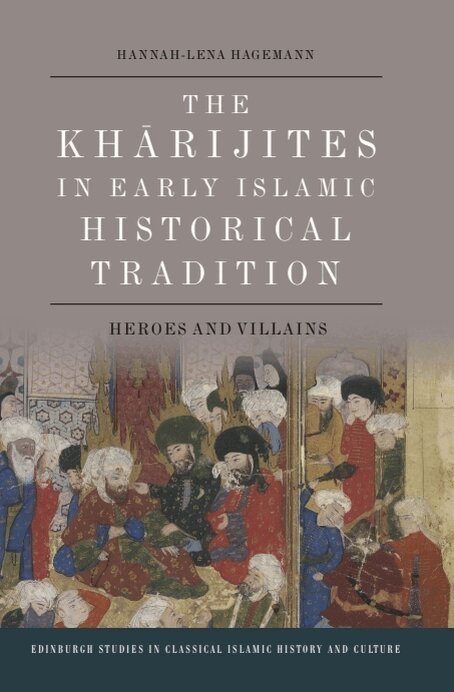
Why are stories told about the Khārijites? The Islamic tradition portrays Khārijism as a heretical movement of militantly pious zealots, a notion largely reiterated by what little there is of modern scholarship on the Khārijites. Hannah-Lena Hagemann moves away from the usual studies of Khārijite history ‘as it really was’ and instead examines its narrative function in early Islamic historiography. From the Khārijites’ origins at the Battle of Ṣiffīn in 657 CE until the death of the caliph ʿAbd al-Malik b. Marwān in 705 CE, Hagemann's literary analysis provides a fresh perspective on Khārijite history and highlights the need for a serious reassessment of the historical phenomenon of Khārijism as it is currently understood in scholarship.
332 kr
Skickas
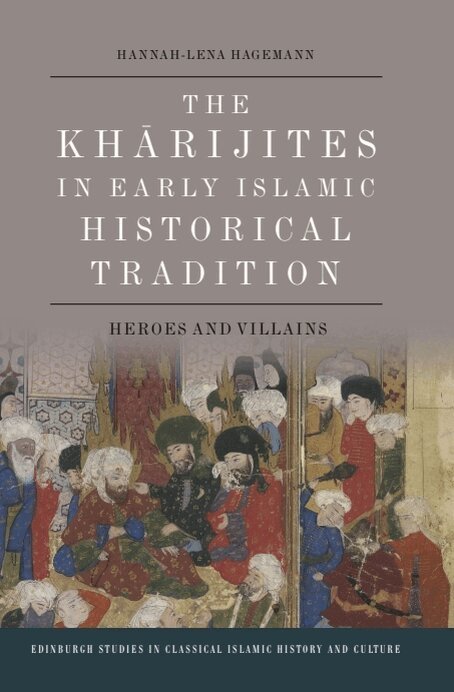
Analyses the narrative function of Kh?rijism in 9th- and 10th-century Islamic historiographyThe first book-length literary study of Kh?rijismSheds new light on the creation of historical memory in early Islamic historiography Emphasises the importance of literary approaches to early Islamic historyCalls for a reassessment of historical Kh?rijism based on the findings of this literary analysisWhy are stories told about the Kh?rijites purported rebels and heretics? From the Kh?rijites' origins at the Battle of ?iff?n in 657 CE until the death of the caliph ?Abd al-Malik b. Marw?n in 705 CE, this exhaustive literary analysis provides a fresh perspective on Kh?rijite history as depicted in early Islamic historiography. The Islamic tradition portrays Kh?rijism as a heretical movement of militantly pious zealots, a notion largely reiterated by what little modern scholarship there is on the Kh?rijites. Hannah-Lena Hagemann moves away from the usual positivist reconstructions of Kh?rijite history 'as it really was' and instead examines its narrative function in early Islamic historiography. The results of this literary analysis highlight the need for a serious reassessment of the historical phenomenon of Kh?rijism as it is currently understood in scholarship.
1 432 kr
Skickas inom 5-8 vardagar
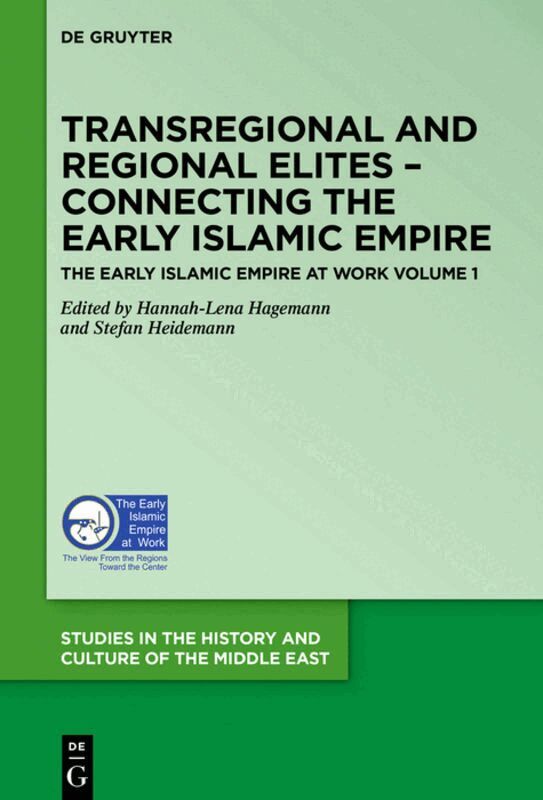
Transregional and regional elites of various backgrounds were essential for the integration of diverse regions into the early Islamic Empire, from Central Asia to North Africa. This volume is an important contribution to the conceptualization of the largest empire of Late Antiquity. While previous studies used Iraq as the paradigm for the entire empire, this volume looks at diverse regions instead. After a theoretical introduction to the concept of ‘elites’ in an early Islamic context, the papers focus on elite structures and networks within selected regions of the Empire (Transoxiana, Khurāsān, Armenia, Fārs, Iraq, al-Jazīra, Syria, Egypt, and Ifrīqiya). The papers analyze elite groups across social, religious, geographical, and professional boundaries. Although each region appears unique at first glance, based on their heterogeneous surviving sources, its physical geography, and its indigenous population and elites, the studies show that they shared certain patterns of governance and interaction, and that this was an important factor for the success of the largest empire of Late Antiquity.