Hannah Pitt - Böcker
Visar alla böcker från författaren Hannah Pitt. Handla med fri frakt och snabb leverans.
4 produkter
4 produkter
1 968 kr
Skickas inom 10-15 vardagar
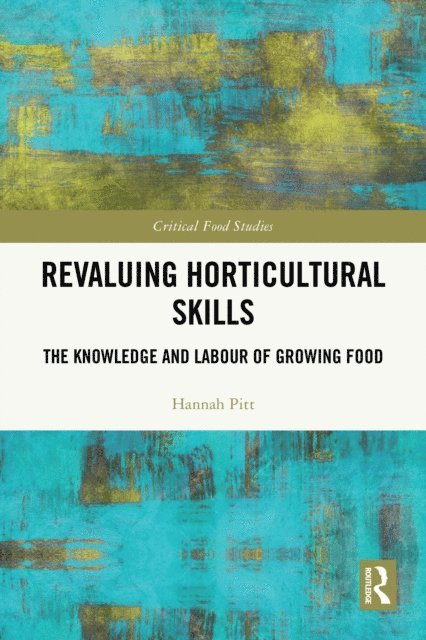
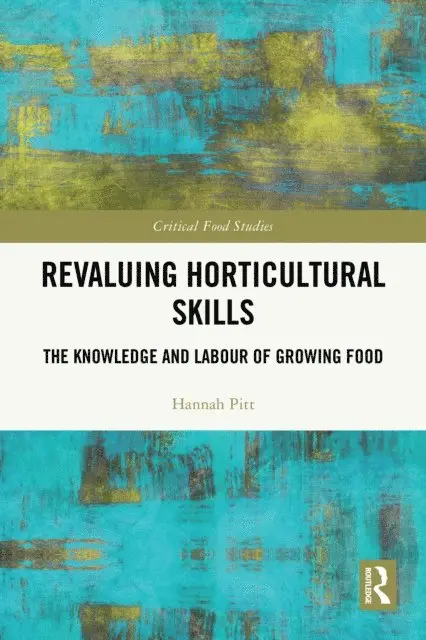
This book highlights the value and skill of horticultural work through stories of food cultivation. It examines the difficulties that arise from the perception that this type of activity is unskilled and the importance of acknowledging the expertise involved in growing food.The book provides a rare focus on horticulture as a vital part of agri-food systems, offering a social science perspective on the sector’s current and past characteristics. It presents new primary research into horticultural work and workers across UK food growing, using close attention to their abilities to highlight the depth of their knowledge and learning. This is set in the context of global agri-food regimes which press producers to seek ever more precarious labour, undermining food justice. By examining these in the context of internationally connected supply chains, it characterises injustices which recur globally and across food system labour. The conceptual argument starts from an ecological definition of skill as a social practice embedded within its socio-economic landscape, developing this perspective beyond its association with artisanal contexts. Together the empirical and conceptual materials highlight the fallacy of discourse which tends to individualise skill and the challenges around recruitment into food production. To counter this, the book proposes a more collective approach to fostering healthy skills ecosystems, reaching towards commoning through examples of horticultural communities seeking this in the meantime.It will appeal to postgraduates, researchers and professionals interested in food systems, their workers and related topics of horticultural education, training and human resources, labour, migration and politics of injustice. It draws on perspectives from rural studies, human geography and sociology and connects with international debates in these fields. Food focused scholars and activists will find data and insights to support calls for better work in food systems.
675 kr
Kommande
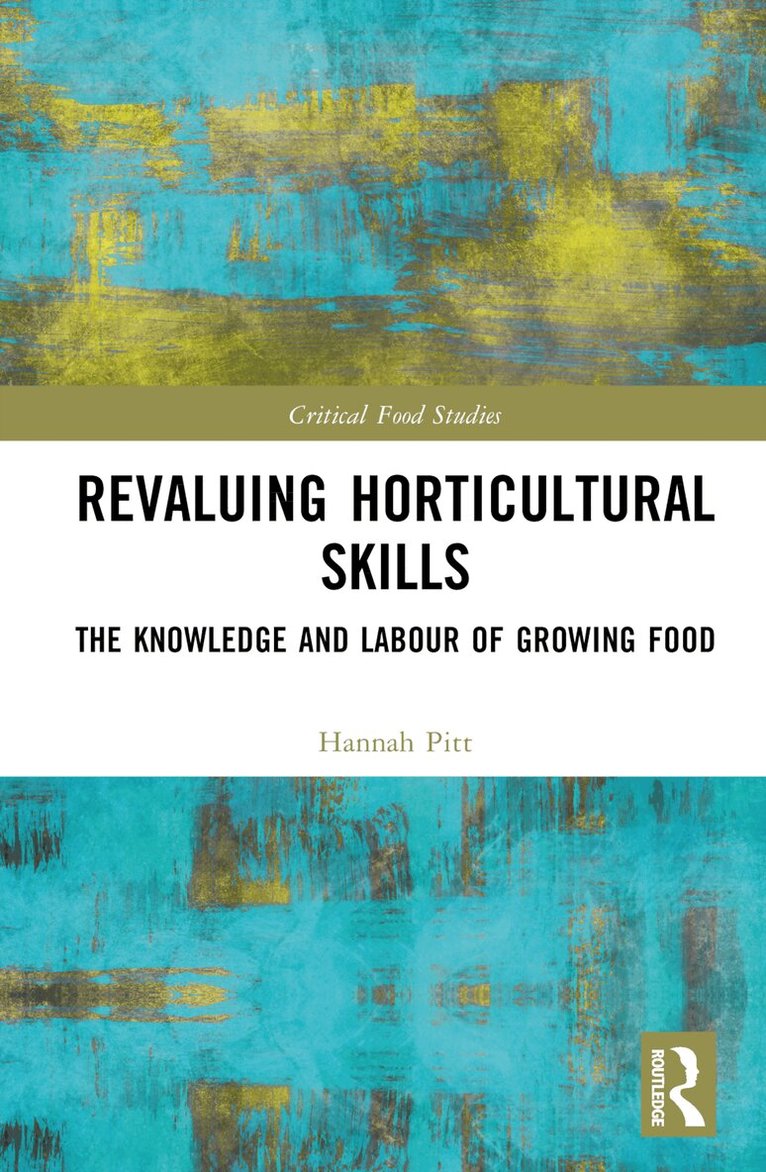
This book highlights the value and skill of horticultural work through stories of food cultivation. It examines the difficulties that arise from the perception that this type of activity is unskilled and the importance of acknowledging the expertise involved in growing food.The book provides a rare focus on horticulture as a vital part of agri-food systems, offering a social science perspective on the sector’s current and past characteristics. It presents new primary research into horticultural work and workers across UK food growing, using close attention to their abilities to highlight the depth of their knowledge and learning. This is set in the context of global agri-food regimes which press producers to seek ever more precarious labour, undermining food justice. By examining these in the context of internationally connected supply chains, it characterises injustices which recur globally and across food system labour. The conceptual argument starts from an ecological definition of skill as a social practice embedded within its socio-economic landscape, developing this perspective beyond its association with artisanal contexts. Together the empirical and conceptual materials highlight the fallacy of discourse which tends to individualise skill and the challenges around recruitment into food production. To counter this, the book proposes a more collective approach to fostering healthy skills ecosystems, reaching towards commoning through examples of horticultural communities seeking this in the meantime.It will appeal to postgraduates, researchers and professionals interested in food systems, their workers and related topics of horticultural education, training and human resources, labour, migration and politics of injustice. It draws on perspectives from rural studies, human geography and sociology and connects with international debates in these fields. Food focused scholars and activists will find data and insights to support calls for better work in food systems.
1 578 kr
Skickas inom 10-15 vardagar
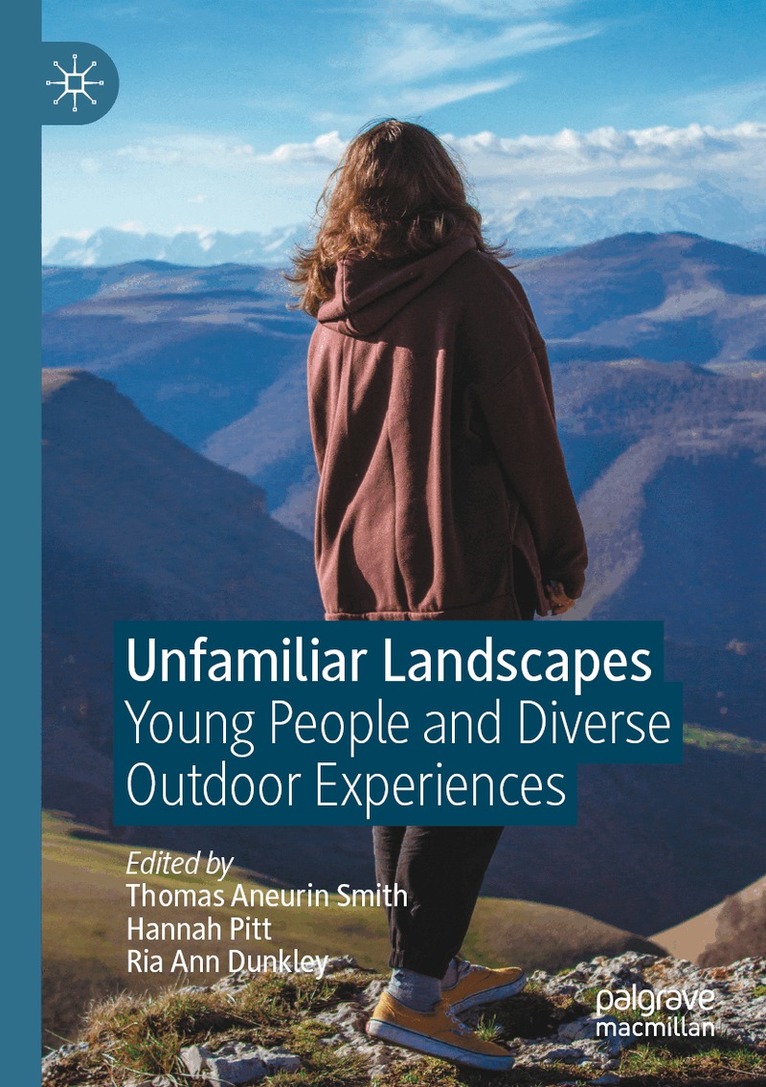
This book critically interrogates how young people are introduced to landscapes through environmental education, outdoor recreation, and youth-led learning, drawing on diverse examples of green, blue, outdoor, or natural landscapes. Understanding the relationships between young people and unfamiliar landscapes is vital for young people’s current and future education and wellbeing, but how landscapes and young people are socially constructed as unfamiliar is controversial and contested. Young people are constructed as unfamiliar within certain landscapes along lines of race, gender or class: this book examines the cultures of outdoor learning that perpetuate exclusions and inclusions, and how unfamiliarity is encountered, experienced, constructed, and reproduced.This interdisciplinary text, drawing on Human Geography, Education, Leisure and Heritage Studies, and Anthropology, challenges commonly-held assumptions about how and why young people are educated in unfamiliar landscapes. Practice is at the heart of this book, which features three ‘conversations with practitioners’ who draw on their personal and professional experiences. The chapters are organised into five themes: (1) The unfamiliar outdoors; (2) The unfamiliar past; (3) Embodying difference in unfamiliar landscapes; (4) Being well, and being unfamiliar; and (5) Digital and sonic encounters with unfamiliarity. Educational practitioners, researchers and students will find this book essential for taking forward more inclusive outdoor and youth-led education.
1 578 kr
Skickas inom 10-15 vardagar
This book critically interrogates how young people are introduced to landscapes through environmental education, outdoor recreation, and youth-led learning, drawing on diverse examples of green, blue, outdoor, or natural landscapes. Understanding the relationships between young people and unfamiliar landscapes is vital for young people’s current and future education and wellbeing, but how landscapes and young people are socially constructed as unfamiliar is controversial and contested. Young people are constructed as unfamiliar within certain landscapes along lines of race, gender or class: this book examines the cultures of outdoor learning that perpetuate exclusions and inclusions, and how unfamiliarity is encountered, experienced, constructed, and reproduced.This interdisciplinary text, drawing on Human Geography, Education, Leisure and Heritage Studies, and Anthropology, challenges commonly-held assumptions about how and why young people are educated in unfamiliar landscapes. Practice is at the heart of this book, which features three ‘conversations with practitioners’ who draw on their personal and professional experiences. The chapters are organised into five themes: (1) The unfamiliar outdoors; (2) The unfamiliar past; (3) Embodying difference in unfamiliar landscapes; (4) Being well, and being unfamiliar; and (5) Digital and sonic encounters with unfamiliarity. Educational practitioners, researchers and students will find this book essential for taking forward more inclusive outdoor and youth-led education.