Hannah Schwadron – författare
Visar alla böcker från författaren Hannah Schwadron. Handla med fri frakt och snabb leverans.
4 produkter
4 produkter
The Case of the Sexy Jewess
Dance, Gender and Jewish Joke-work in US Pop Culture
Inbunden, Engelska, 2018
1 576 kr
Skickas inom 5-8 vardagar
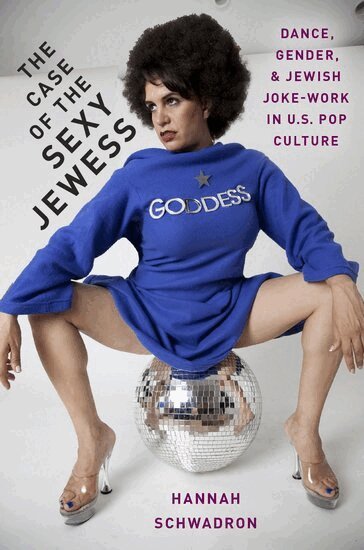
Amidst the growing forums of kinky Jews, orthodox drag queens, and Jewish geisha girls, we findtoday's sexy Jewess in a host of reflexive plays with sexed-up self-display. A social phantasm withreal legs, she moves boldly between neo-burlesque striptease, comedy television, ballet movies, andprogressive porn to construct the 21st Century Jewish American woman through charisma andcomic craft, in-your-face antics, and offensive charm. Her image redresses longstanding stereotypesof the hag, the Jewish mother, and Jewish American princess that have demeaned the Jewishwoman as overly demanding, inappropriate, and unattractive across the 20th century, even as Jewsassimilated into the American mainstream. But why does "sexy" work to update tropes of the Jewishwoman? And how does sex link to humor in order for this update to work? Entangling questions ofsexiness to race, gender, and class, The Case of the Sexy Jewess frames an embodied joke-workgenre that is most often, but not always meant to be funny. In a contemporary period after thethrusts of assimilation and women's liberation movements, performances usher in new versions ofold scripts with ranging consequences. At the core is the recuperative performance of identitythrough impersonation, and the question of its radical or conservative potential. Appropriating,re-appropriating, and mis-appropriating identity material within and beyond their midst, Sexy Jewessartists play up the failed logic of representation by mocking identity categories altogether. They actas comic chameleons, morphing between margin and center in countless number of chargedcaricatures. Embodying ethnic and gender positions as always already on the edge while ever morein the middle, contemporary Jewish female performers extend a comic tradition in new contexts,mobilizing progressive discourses from positions of newfound race and gender privilege.
The Case of the Sexy Jewess
Dance, Gender and Jewish Joke-work in US Pop Culture
Häftad, Engelska, 2018
634 kr
Skickas inom 5-8 vardagar
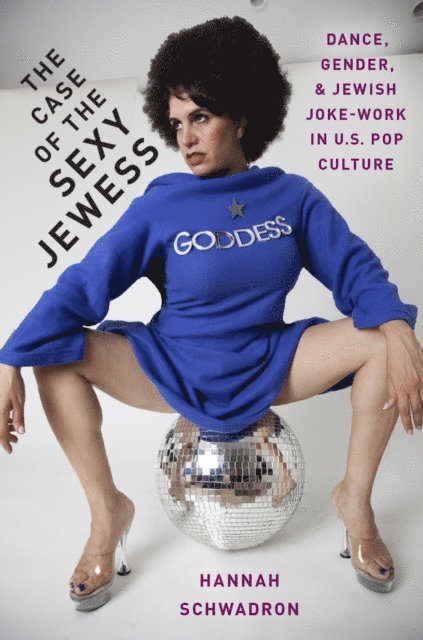
Amidst the growing forums of kinky Jews, orthodox drag queens, and Jewish geisha girls, we find today's sexy Jewess in a host of reflexive plays with sexed-up self-display. A social phantasm with real legs, she moves boldly between neo-burlesque striptease, comedy television, ballet movies, and progressive porn to construct the 21st Century Jewish American woman through charisma and comic craft, in-your-face antics, and offensive charm. Her image redresses longstanding stereotypes of the hag, the Jewish mother, and Jewish American princess that have demeaned the Jewish woman as overly demanding, inappropriate, and unattractive across the 20th century, even as Jews assimilated into the American mainstream. But why does "sexy" work to update tropes of the Jewish woman? And how does sex link to humor in order for this update to work?Entangling questions of sexiness to race, gender, and class, The Case of the Sexy Jewess frames an embodied joke-work genre that is most often, but not always meant to be funny. In a contemporary period after the thrusts of assimilation and women's liberation movements, performances usher in new versions of old scripts with ranging consequences. At the core is the recuperative performance of identity through impersonation, and the question of its radical or conservative potential. Appropriating, re-appropriating, and mis-appropriating identity material within and beyond their midst, Sexy Jewess artists play up the failed logic of representation by mocking identity categories altogether. They act as comic chameleons, morphing between margin and center in countless number of charged caricatures. Embodying ethnic and gender positions as always already on the edge while ever more in the middle, contemporary Jewish female performers extend a comic tradition in new contexts, mobilizing progressive discourses from positions of newfound race and gender privilege.
969 kr
Skickas inom 7-10 vardagar
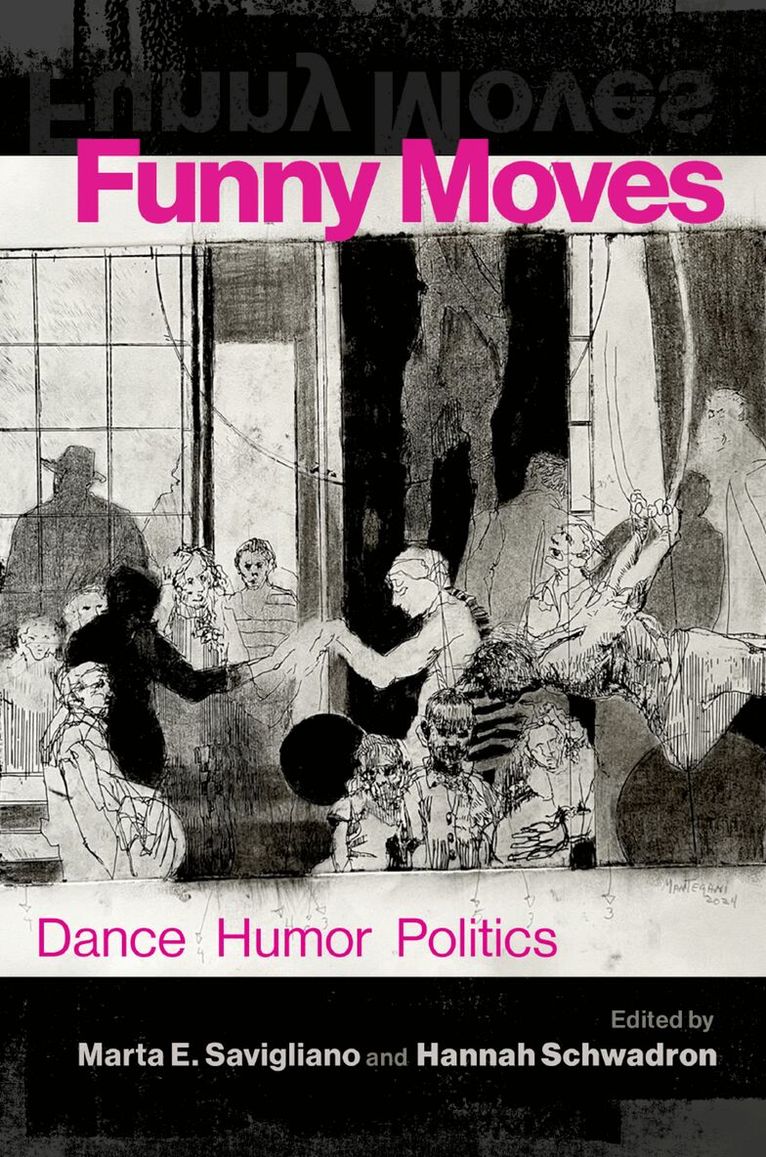
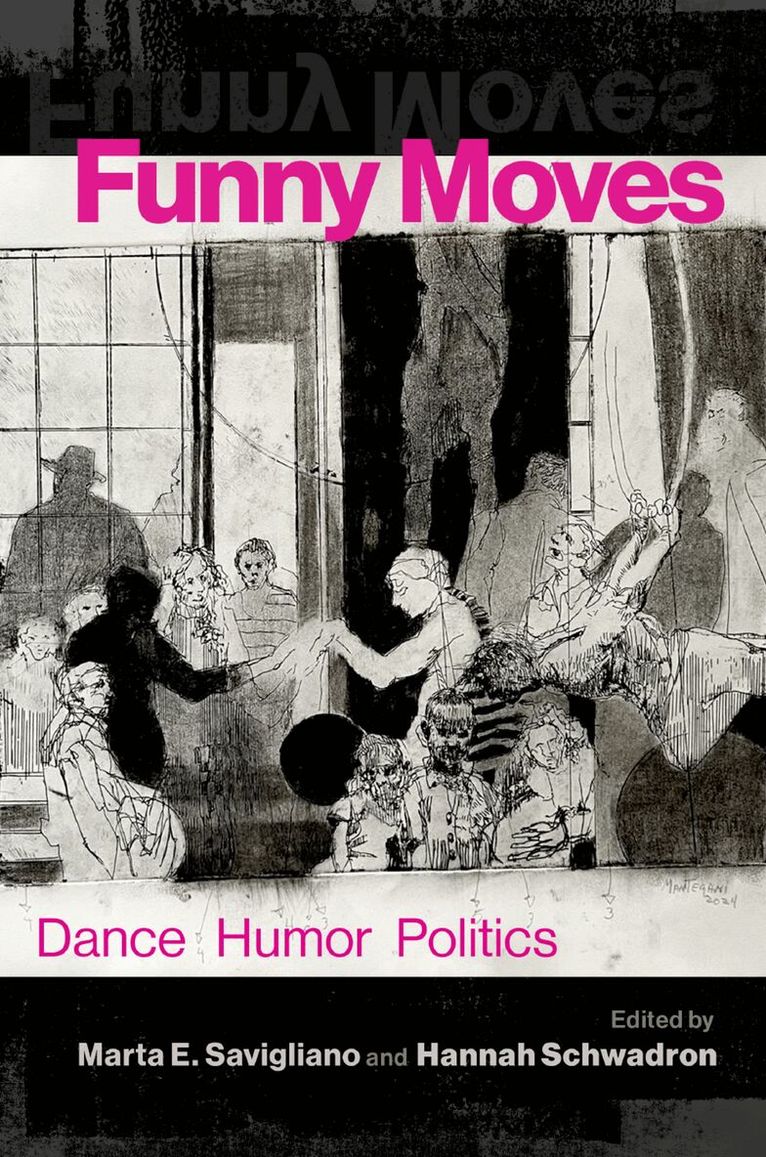
Funny Moves: Dance Humor Politics explores the intersection of dance and humor and the political stakes that bodies incur when they dare to be both aestheticized and funny. The editors posit that funny moves are dance's Other--the missteps or oversteps that don't fit a particular dance form. Funniness in dance, whether gleeful, surprising, or odd, causes disruptions which may be progressive or conservative, inciting pleasures that counterbalance the artform's often serious codes.Writing from Latin America, the Caribbean, South Asia, Europe, and the United States, the book's ten authors provide diverse observational techniques and creative vocabularies for finding, analyzing, and theorizing funny moves across dance forms, dance scenes, and dance screens. Some of the authors find hope in the laughter of their artist subjects and their audiences, and some linger in the ambiguity and confusion so created. Each essay takes on a single surprise factor or a choreographic comic rupture, relishing in the amassed effects or affects across an absurdist cinematic, staged, or quotidian sequence. What is "funny" in each case pops up as a wildcard that evokes recognizable shared experiences, sometimes pushing back against dominant or mainstream logic and its supremacist laughter.
414 kr
Skickas inom 5-8 vardagar
Funny Moves: Dance Humor Politics explores the intersection of dance and humor and the political stakes that bodies incur when they dare to be both aestheticized and funny. The editors posit that funny moves are dance's Other--the missteps or oversteps that don't fit a particular dance form. Funniness in dance, whether gleeful, surprising, or odd, causes disruptions which may be progressive or conservative, inciting pleasures that counterbalance the artform's often serious codes.Writing from Latin America, the Caribbean, South Asia, Europe, and the United States, the book's ten authors provide diverse observational techniques and creative vocabularies for finding, analyzing, and theorizing funny moves across dance forms, dance scenes, and dance screens. Some of the authors find hope in the laughter of their artist subjects and their audiences, and some linger in the ambiguity and confusion so created. Each essay takes on a single surprise factor or a choreographic comic rupture, relishing in the amassed effects or affects across an absurdist cinematic, staged, or quotidian sequence. What is "funny" in each case pops up as a wildcard that evokes recognizable shared experiences, sometimes pushing back against dominant or mainstream logic and its supremacist laughter.