
Hans Ulrich Vogel – författare
Visar alla böcker från författaren Hans Ulrich Vogel. Handla med fri frakt och snabb leverans.
2 produkter
2 produkter
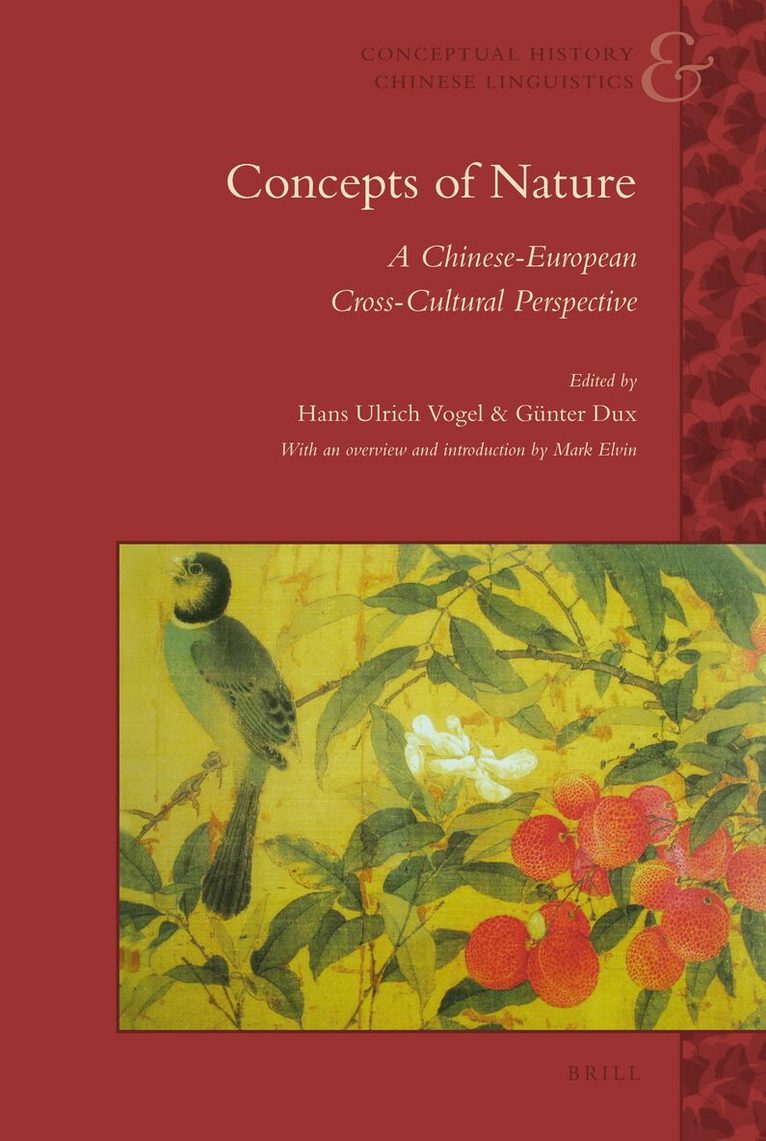
Del 1 - Conceptual History and Chinese Linguistics
Concepts of Nature
A Chinese-European Cross-Cultural Perspective
Inbunden, Engelska, 2010
4 332 kr
Skickas inom 3-6 vardagar
This book, inspired by the sociologist Günter Dux, co-edited by the historian Hans Ulrich Vogel, and introduced by Mark Elvin, is a collective intellectual masterpiece written by some of the world’s leading scholars. Its purpose is to illuminate premodern Chinese ways of thinking about Nature by comparing them with their counterpart traditions in Europe. In so doing it also subtly reshapes our understanding of premodern European concepts of the natural world. The domains covered principally include philosophy, language, poetry, science, and mathematics, and their relations with society, technology, and politics. By analyzing the frequent partial similarities between these great two cultural areas in the context of their overall contrasts, it points the way for the first time to defining accurately the differences that have been critical for world history.
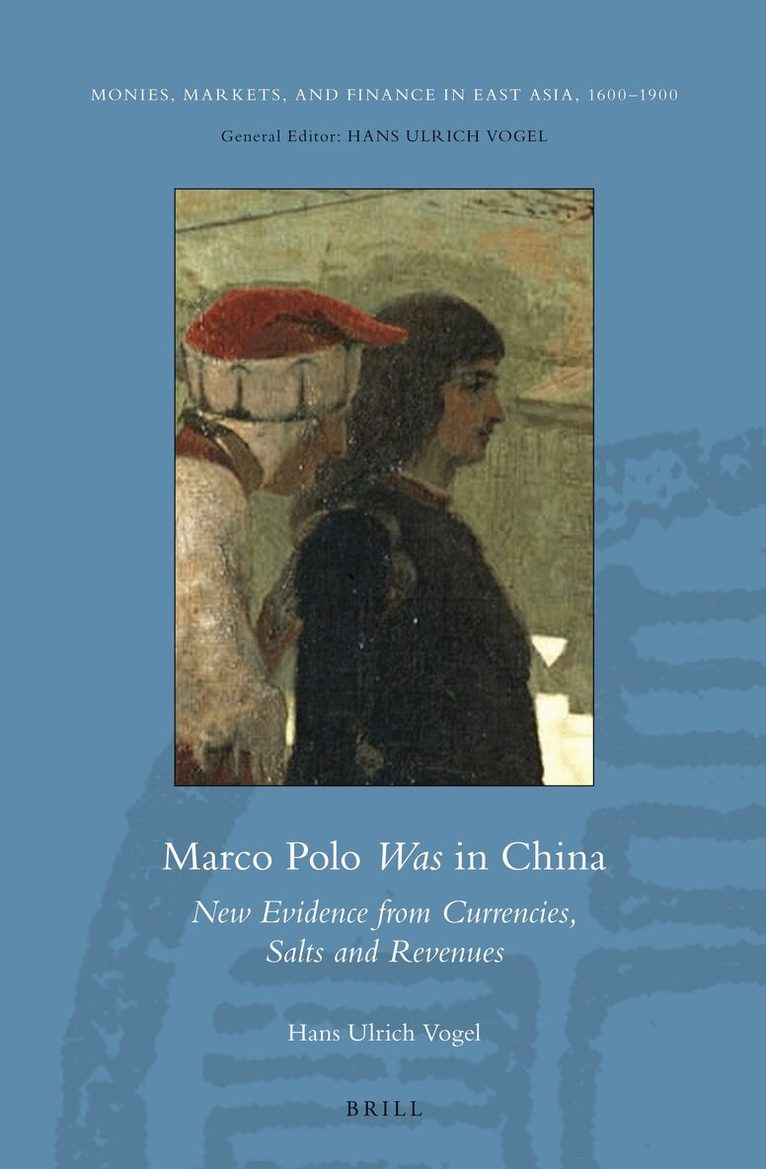
Del 2 - Monies, Markets, and Finance in East Asia, 1600-1900
Marco Polo Was in China
New Evidence from Currencies, Salts and Revenues
Inbunden, Engelska, 2012
4 025 kr
Skickas inom 5-8 vardagar
In Marco Polo was in China Hans Ulrich Vogel offers an innovative look at the highly complex topics of currencies, salt production and taxes, commercial levies and other kinds of revenue as well as the administrative geography of the Mongol Yuan empire. The author’s rigorous analysis of Chinese sources and all the important Marco Polo manuscripts as well as his thorough scrutiny of Japanese, Chinese and Western scholarship show that the fascinating information contained in Le devisament dou monde agrees almost pefectly with that we find in Chinese sources, the latter only available long after Marco Polo’s stay in China. Hence, the author concludes that, despite the doubts that have been raised, the Venetian was indeed in Khubilai Khan’s realm.