Hans van Lemmen – författare
Visar alla böcker från författaren Hans van Lemmen. Handla med fri frakt och snabb leverans.
10 produkter
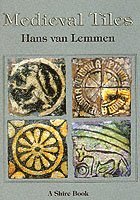
Medieval Tiles
Häftad, 2004
90 kr
Lägg i varukorg
During the Middle Ages decorative floor tiles were used in abbey churches, royal palaces, parish churches and the homes of wealthy citizens. Tiles were durable and hygienic and added a new decorative element to the interior. Despite their simple tools and kiln equipment, the medieval tile makers …
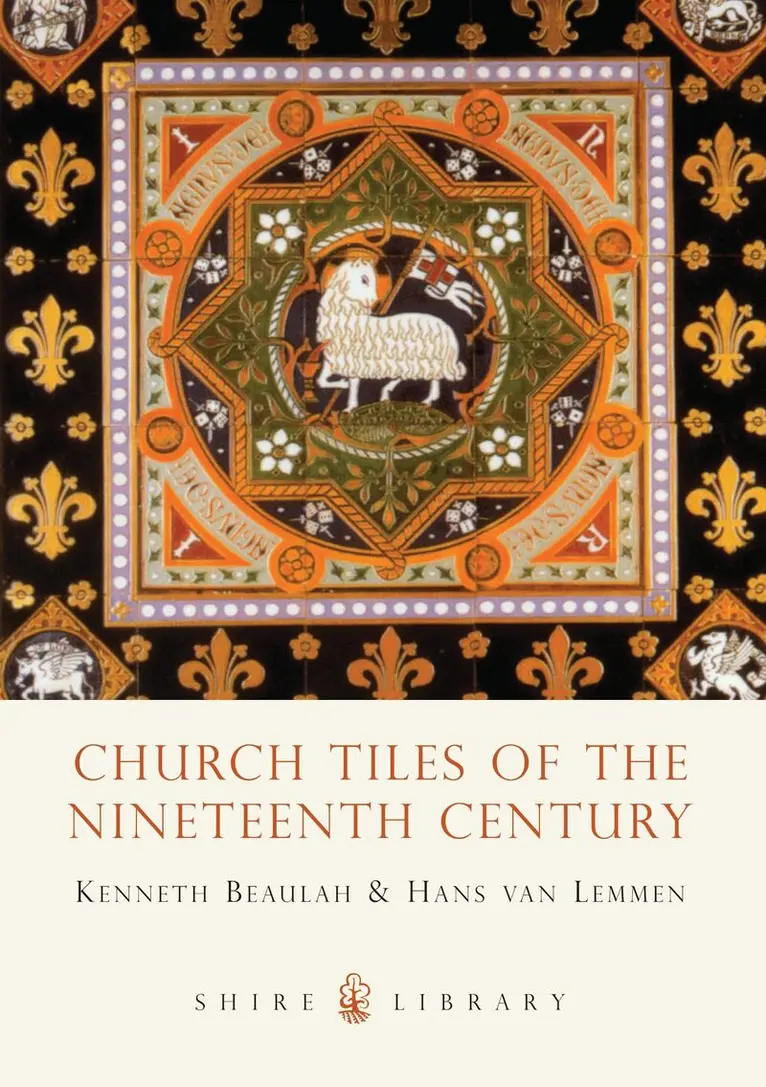
Church Tiles of the Nineteenth Century
Av Kenneth Beaulah, Hans van Lemmen
Häftad, 2001
88 kr
Lägg i varukorg
This book describes how nineteenth-century decorative encaustic tiles derived from medieval church tiles, how they were made, the designers and manufacturers.
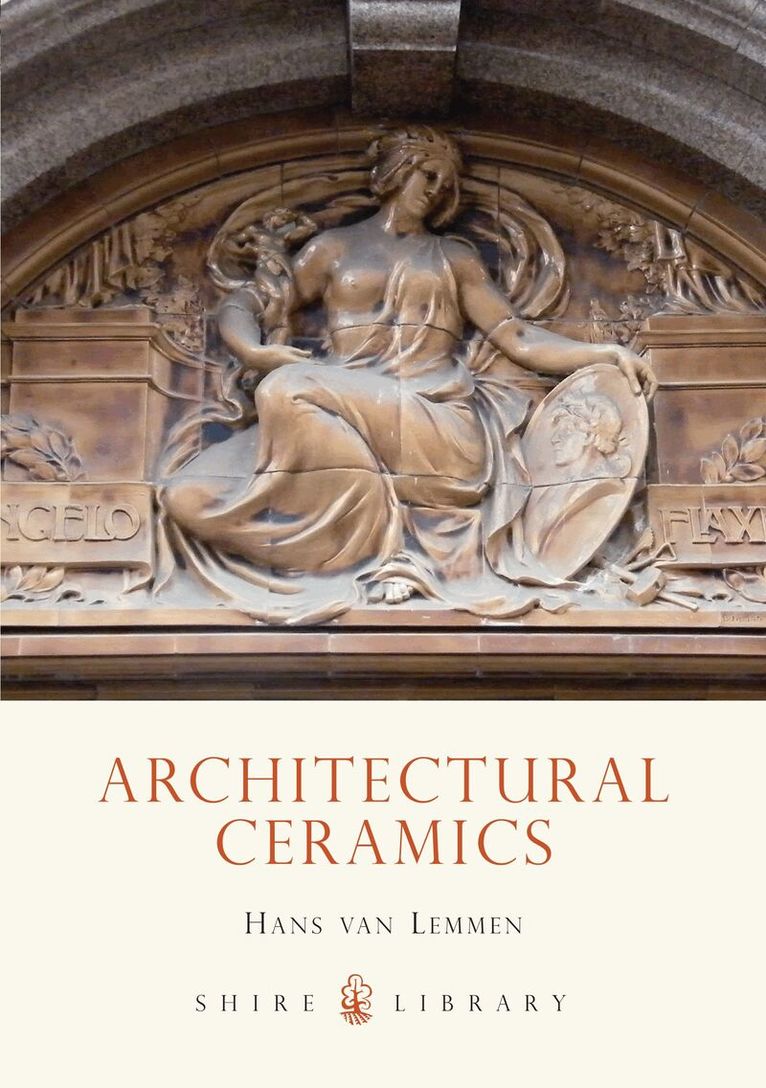
Architectural Ceramics
Häftad, 2001
90 kr
Lägg i varukorg
This book charts the history of architectural ceramics, focusing on practical and decorative applications, on architects, designers and manufacturers, and on styles and techniques of production and decoration.
Delftware Tiles
Häftad, 2005
90 kr
Lägg i varukorg
Italian potters brought the art of making tin-glazed tiles to the Low Countries in the early sixteenth century. Native potters copied the technique and in the seventeenth century they began to manufacture the distinctive blue and white Dutch tiles. Huge quantities were produced during the …
Coade Stone
Häftad, 2006
90 kr
Lägg i varukorg
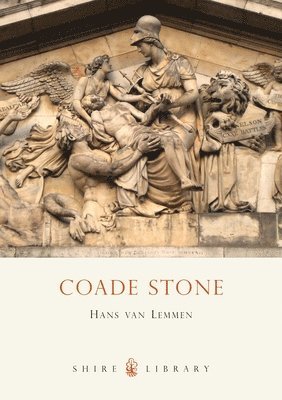
The Coade stone factory in London, which was active between 1769 and 1840, was owned and managed by Mrs Eleanor Coade, a remarkable Georgian business woman. Her firm produced all kinds of architectural ornaments and statues, which were used by leading Georgian architects of the day for the …
Art Nouveau Tiles
Häftad, 2008
114 kr
Lägg i varukorg
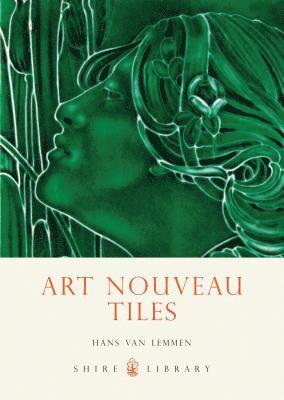
At the turn of the last century, Art Nouveau, characterised by its richly ornamental curvilinear design and use of sinuous line and vibrant colour, held sway as the dominant style in architecture and design - a style that defined the Edwardian period, with its departure from more formal Victorian …
Art Deco Tiles
Häftad, 2012
114 kr
Lägg i varukorg
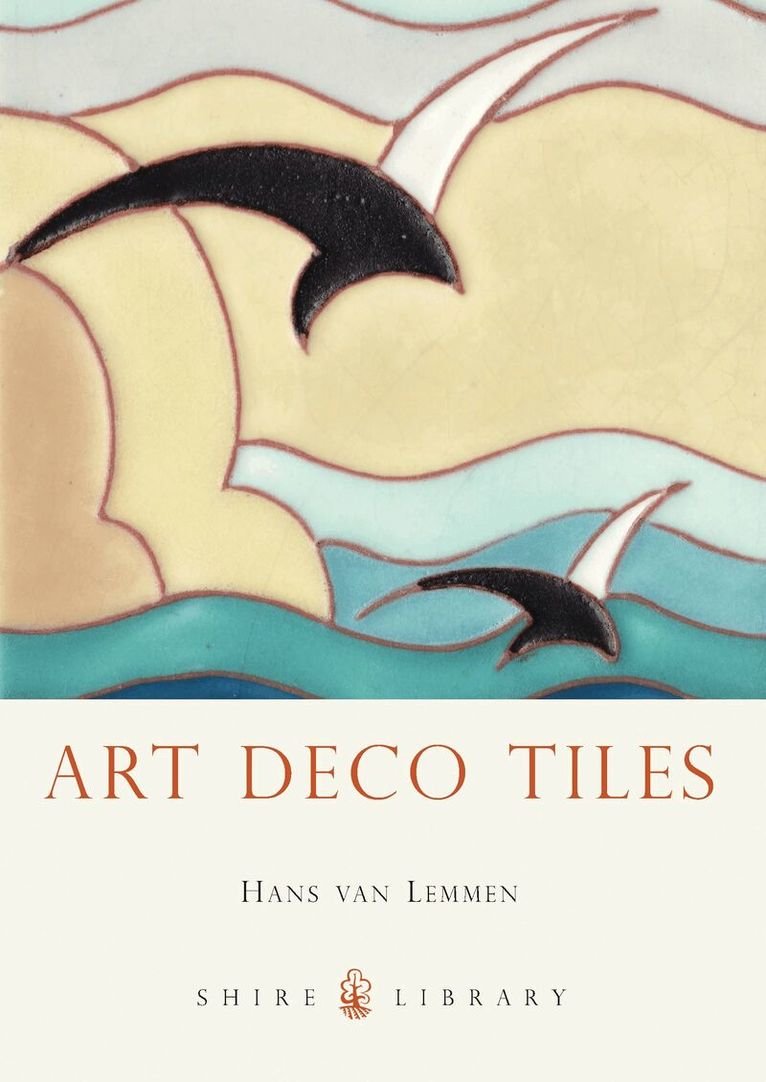
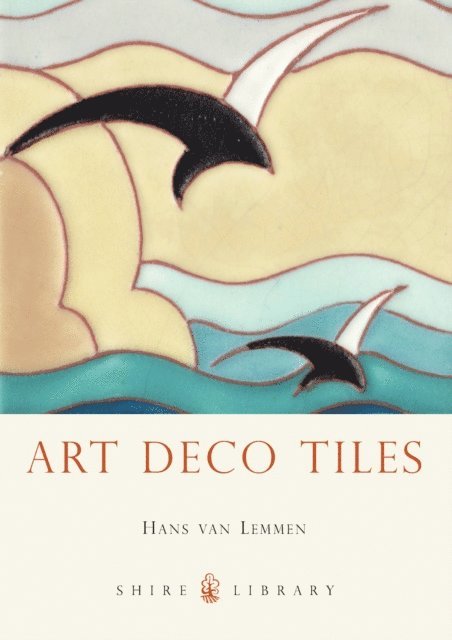
Art Deco was arguably the twentieth century's most popular and memorable design movement, and has come to define the inter-war period with its clean sleek lines, streamlined shapes, bold abstract forms and bright colours.Art Deco Tiles charts the impact of this daring new style on the production of …
Art Deco Tiles
E-bok, 2012
114 kr
Lägg i varukorg
Art Deco was arguably the twentieth century''s most popular and memorable design movement, and has come to define the inter-war period with its clean sleek lines, streamlined shapes, bold abstract forms and bright colours. Art Deco Tiles charts the impact of this daring new style on the production …
Art Deco Tiles
E-bok, 2012
114 kr
Lägg i varukorg
Art Deco was arguably the twentieth century''s most popular and memorable design movement, and has come to define the inter-war period with its clean sleek lines, streamlined shapes, bold abstract forms and bright colours. Art Deco Tiles charts the impact of this daring new style on the production …
5000 Years of Tiles
Häftad, 2013
257 kr
Tillfälligt slut
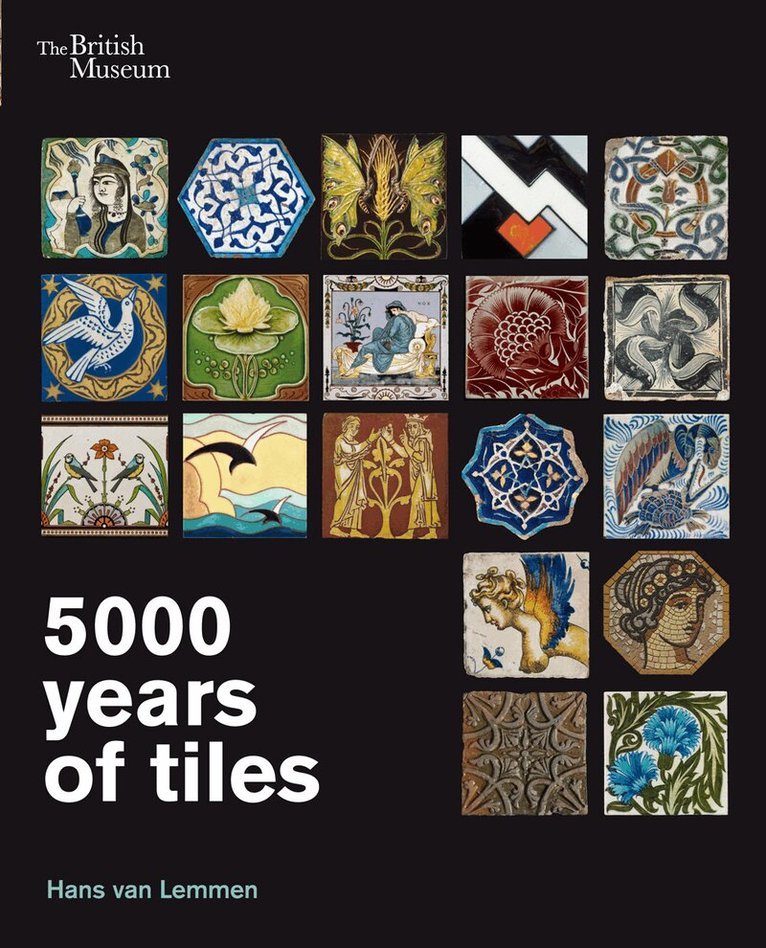
5000 Years of Tiles is the essential, single-volume colour compendium of tile art and production around the world, from ancient times to the present day. Over 350 beautiful colour illustrations showcase an incredible range of tile arts, including the first fired roof tiles in ancient Greece in the …