Harald Wydra - Böcker
Visar alla böcker från författaren Harald Wydra. Handla med fri frakt och snabb leverans.
10 produkter
10 produkter
2 155 kr
Skickas inom 10-15 vardagar
In the absence of democratic state institutions, eastern European countries were considered to possess only myths of democracy. Working on the premise that democracy is not only an institutional arrangement but also a civilisational project, this book argues that mythical narratives help understanding the emergence of democracy without ‘democrats’. Examining different national traditions as well as pre-communist and communist narratives, myths are seen as politically fabricated ‘programmes of truth’ that form and sustain the political imagination. Appearing as cultural, literary, or historical resources, myths amount to ideology in narrative form, which actors use in political struggles for the sake of achieving social compliance and loyalty with the authority of new political forms. Drawing on a wide range of case studies including Ukraine, Russia, Poland, Hungary, and Czechoslovakia, this book argues that narratives about the past are not simply ‘legacies’ of former regimes but have actively shaped representations and meanings of democracy in the region. Taking different theoretical and methodological approaches, the power of myth is explored for issues such as leadership, collective identity-formation, literary representation of heroic figures, cultural symbolism in performative art as well as on the constitution of legitimacy and civic identity in post-communist democracies.
807 kr
Skickas inom 10-15 vardagar
In the absence of democratic state institutions, eastern European countries were considered to possess only myths of democracy. Working on the premise that democracy is not only an institutional arrangement but also a civilisational project, this book argues that mythical narratives help understanding the emergence of democracy without ‘democrats’. Examining different national traditions as well as pre-communist and communist narratives, myths are seen as politically fabricated ‘programmes of truth’ that form and sustain the political imagination. Appearing as cultural, literary, or historical resources, myths amount to ideology in narrative form, which actors use in political struggles for the sake of achieving social compliance and loyalty with the authority of new political forms. Drawing on a wide range of case studies including Ukraine, Russia, Poland, Hungary, and Czechoslovakia, this book argues that narratives about the past are not simply ‘legacies’ of former regimes but have actively shaped representations and meanings of democracy in the region. Taking different theoretical and methodological approaches, the power of myth is explored for issues such as leadership, collective identity-formation, literary representation of heroic figures, cultural symbolism in performative art as well as on the constitution of legitimacy and civic identity in post-communist democracies.
428 kr
Skickas inom 7-10 vardagar
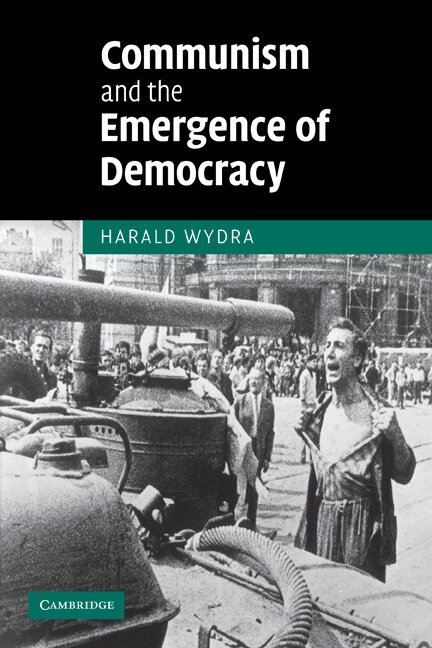
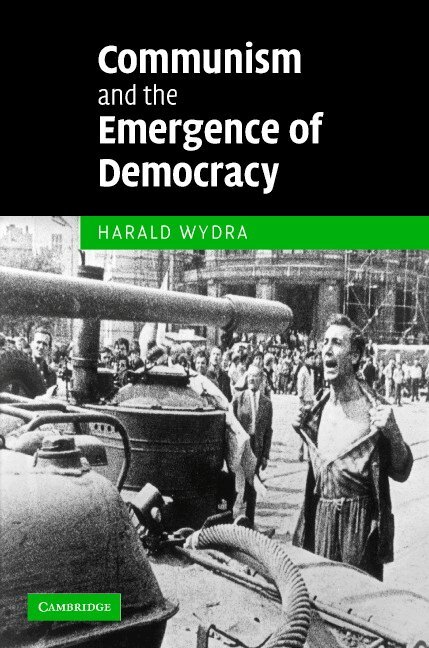
Before democracy becomes an institutionalised form of political authority, the rupture with authoritarian forms of power causes deep uncertainty about power and outcomes. This book connects the study of democratisation in eastern Europe and Russia to the emergence and crisis of communism. Wydra argues that the communist past is not simply a legacy but needs to be seen as a social organism in gestation, where critical events produce new expectations, memories and symbols that influence meanings of democracy. By examining a series of pivotal historical events, he shows that democratisation is not just a matter of institutional design, but rather a matter of consciousness and leadership under conditions of extreme and traumatic incivility. Rather than adopting the opposition between non-democratic and democratic, Wydra argues that the communist experience must be central to the study of the emergence and nature of democracy in (post-) communist countries.
797 kr
Skickas inom 7-10 vardagar
Before democracy becomes an institutionalised form of political authority, the rupture with authoritarian forms of power causes deep uncertainty about power and outcomes. This book connects the study of democratisation in eastern Europe and Russia to the emergence and crisis of communism. Wydra argues that the communist past is not simply a legacy but needs to be seen as a social organism in gestation, where critical events produce new expectations, memories and symbols that influence meanings of democracy. By examining a series of pivotal historical events, he shows that democratisation is not just a matter of institutional design, but rather a matter of consciousness and leadership under conditions of extreme and traumatic incivility. Rather than adopting the opposition between non-democratic and democratic, Wydra argues that the communist experience must be central to the study of the emergence and nature of democracy in (post-) communist countries.
1 245 kr
Skickas inom 7-10 vardagar
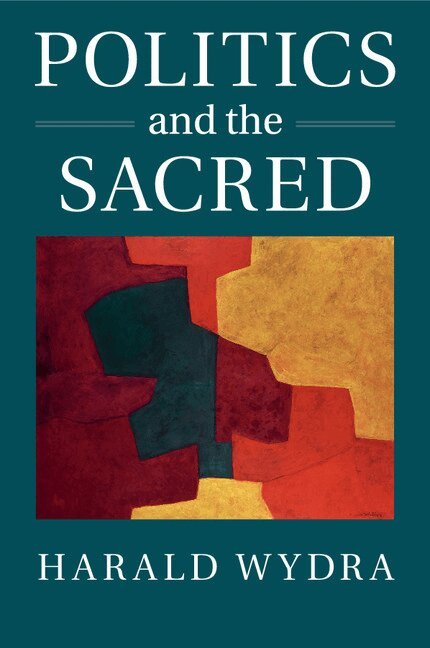
This path-breaking book argues that practices of the sacred are constitutive of modern secular politics. Following a tradition of enquiry in anthropology and political theory, it examines how limit situations shape the political imagination and collective identity. As an experiential and cultural fact, the sacred emerges within, and simultaneously transcends, transgressive dynamics such as revolutions, wars or globalisation. Rather than conceive the sacred as a religious doctrine or a metaphysical belief, Wydra examines its adaptive functions as origins, truths and order which are historically contingent across time and transformative of political aspirations. He suggests that the brokenness of political reality is a permanent condition of humanity, which will continue to produce quests for the sacred, and transcendental political frames. Working in the spirit of the genealogical mode of enquiry, this book examines the secular sources of political theologies, the democratic sacred, the communist imagination, European political identity, the sources of human rights and the relationship of victimhood to new wars.
428 kr
Skickas inom 7-10 vardagar
This path-breaking book argues that practices of the sacred are constitutive of modern secular politics. Following a tradition of enquiry in anthropology and political theory, it examines how limit situations shape the political imagination and collective identity. As an experiential and cultural fact, the sacred emerges within, and simultaneously transcends, transgressive dynamics such as revolutions, wars or globalisation. Rather than conceive the sacred as a religious doctrine or a metaphysical belief, Wydra examines its adaptive functions as origins, truths and order which are historically contingent across time and transformative of political aspirations. He suggests that the brokenness of political reality is a permanent condition of humanity, which will continue to produce quests for the sacred, and transcendental political frames. Working in the spirit of the genealogical mode of enquiry, this book examines the secular sources of political theologies, the democratic sacred, the communist imagination, European political identity, the sources of human rights and the relationship of victimhood to new wars.
1 956 kr
Skickas inom 3-6 vardagar
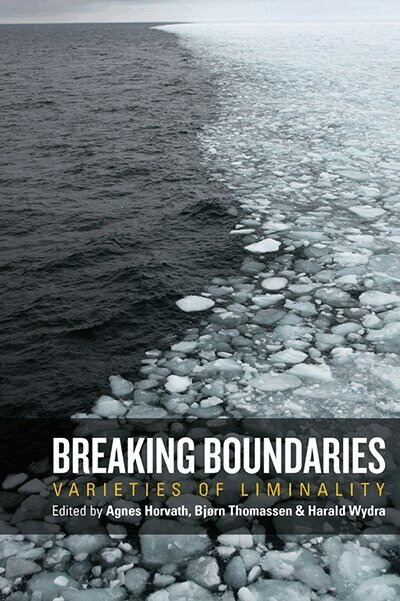
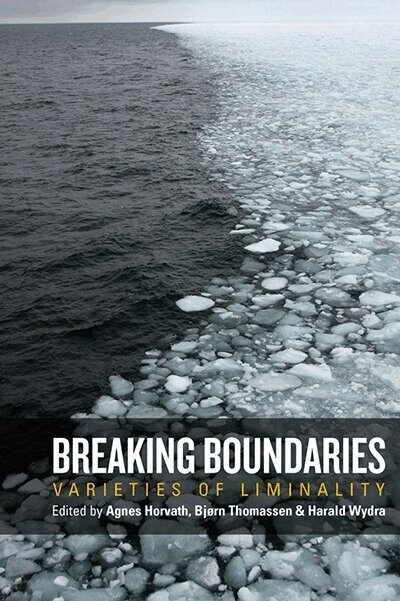
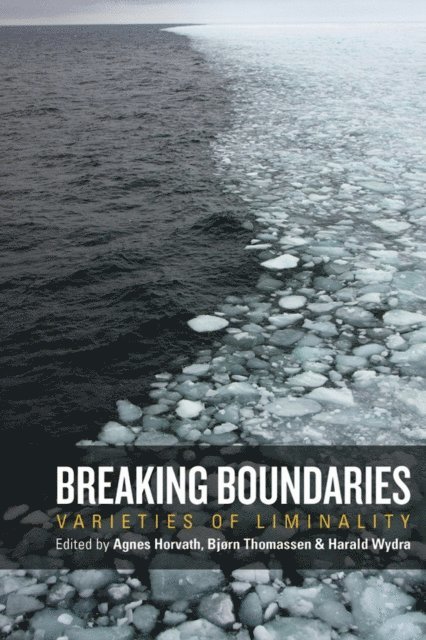
Liminality has the potential to be a leading paradigm for understanding transformation in a globalizing world. As a fundamental human experience, liminality transmits cultural practices, codes, rituals, and meanings in situations that fall between defined structures and have uncertain outcomes. Based on case studies of some of the most important crises in history, society, and politics, this volume explores the methodological range and applicability of the concept to a variety of concrete social and political problems.
3 643 kr
Skickas inom 7-10 vardagar
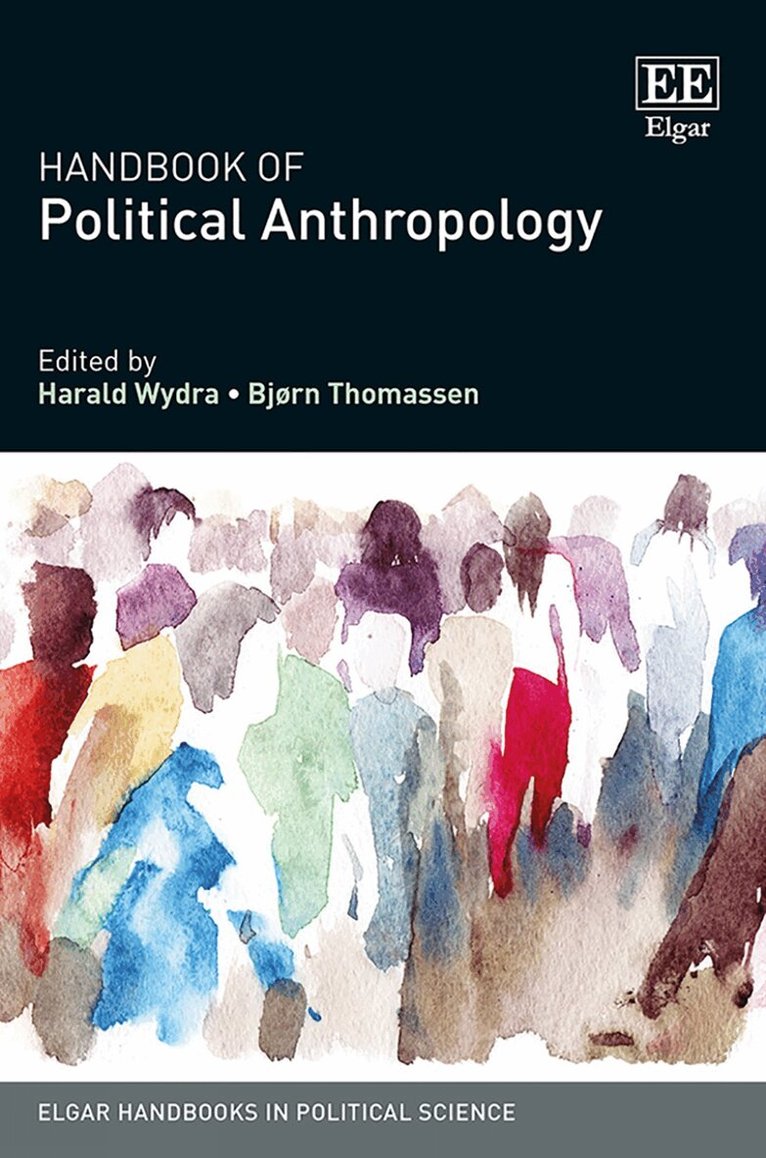
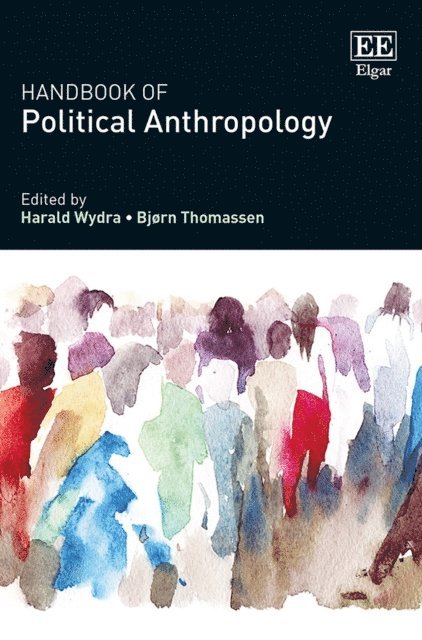
This ground-breaking collection introduces readers to the fascinating research field of political anthropology. The chapters engage in major theoretical and methodological debates to provide interpretive frames, analytical tools and ethnographic illustrations for culturally based interpretations of political phenomena, revealing the intersection between anthropology, culture, politics and international relations. Theoretical tools such as liminality, sacrifice, mimesis, ethics, trickster and interpretation of meaning provide understanding of key challenges in a globalised world. These include war zones, revolutions, migration, securitization, territorial borders, climate change and ethno-religious violence. The contributing authors focus on the ethnographies of power, political culture and forms of cultural intimacy in informal networks. Using self-critical and reflexive approaches, they show that disciplinary boundaries have been reshaped by changing meanings of power, including reconfigurations of state and sovereignty. With reflections on the potential and limits of political anthropology, this Handbook explores the art of understanding human interaction within political frameworks in a globalising world. Offering a unique reference resource in the area with exceptional cross-disciplinary research, this Handbook will suit political, social and cultural anthropologists as well as scholars in comparative political analysis and social theory. Students and researchers of politics, anthropology and international relations will also benefit from the key methodological tools explaining the challenges and consequences of globalisation.Contributors include: S. Coleman, J.-P. Daloz, G. de Anna, H. Donnan, T.H. Eriksen, R. Farneti, M. Fog Olwig, J. Gledhill, J. Gould, S. Haugbølle, A. Horvath, C. Illies, J. Kubik, N. Long, M. Mälksoo, K. Martin, M. Moodie, M. Nuijten, P. Rabinow, M. Rasaratnam, P. Raman, E. Ranta, A. Sanchez, D. Sausdal, A. Stavrianakis, F. Stepputat, A. Szakolczai, B. Thomassen, H. Vigh, H. Wydra
496 kr
Skickas inom 3-6 vardagar
Liminality has the potential to be a leading paradigm for understanding transformation in a globalizing world. As a fundamental human experience, liminality transmits cultural practices, codes, rituals, and meanings in situations that fall between defined structures and have uncertain outcomes. Based on case studies of some of the most important crises in history, society, and politics, this volume explores the methodological range and applicability of the concept to a variety of concrete social and political problems.
800 kr
Skickas inom 7-10 vardagar
This ground-breaking collection introduces readers to the fascinating research field of political anthropology. The chapters engage in major theoretical and methodological debates to provide interpretive frames, analytical tools and ethnographic illustrations for culturally based interpretations of political phenomena, revealing the intersection between anthropology, culture, politics and international relations. Theoretical tools such as liminality, sacrifice, mimesis, ethics, trickster and interpretation of meaning provide understanding of key challenges in a globalised world. These include war zones, revolutions, migration, securitization, territorial borders, climate change and ethno-religious violence. The contributing authors focus on the ethnographies of power, political culture and forms of cultural intimacy in informal networks. Using self-critical and reflexive approaches, they show that disciplinary boundaries have been reshaped by changing meanings of power, including reconfigurations of state and sovereignty. With reflections on the potential and limits of political anthropology, this Handbook explores the art of understanding human interaction within political frameworks in a globalising world. Offering a unique reference resource in the area with exceptional cross-disciplinary research, this Handbook will suit political, social and cultural anthropologists as well as scholars in comparative political analysis and social theory. Students and researchers of politics, anthropology and international relations will also benefit from the key methodological tools explaining the challenges and consequences of globalisation.Contributors include: S. Coleman, J.-P. Daloz, G. de Anna, H. Donnan, T.H. Eriksen, R. Farneti, M. Fog Olwig, J. Gledhill, J. Gould, S. Haugbølle, A. Horvath, C. Illies, J. Kubik, N. Long, M. Mälksoo, K. Martin, M. Moodie, M. Nuijten, P. Rabinow, M. Rasaratnam, P. Raman, E. Ranta, A. Sanchez, D. Sausdal, A. Stavrianakis, F. Stepputat, A. Szakolczai, B. Thomassen, H. Vigh, H. Wydra