Harriet Pattison - Böcker
Visar alla böcker från författaren Harriet Pattison. Handla med fri frakt och snabb leverans.
3 produkter
3 produkter
228 kr
Skickas inom 7-10 vardagar
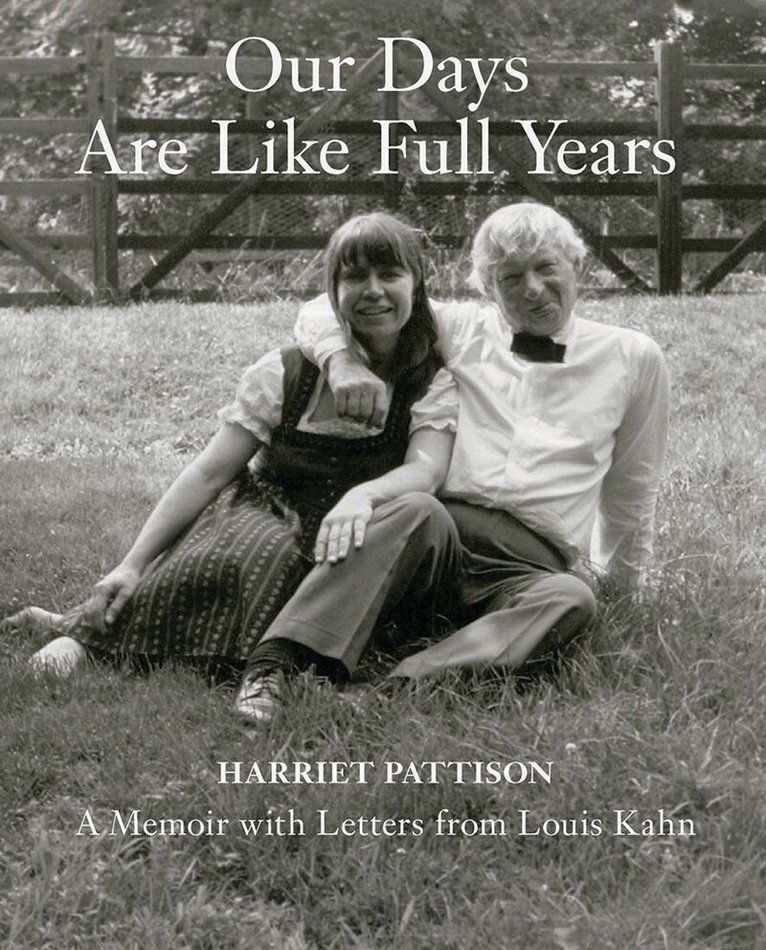
An intimate glimpse into the professional and romantic relationship between Harriet Pattison and the renowned architect Louis KahnOn a winter day in 1953, a mysterious man in a sheepskin coat stood out to Harriet Pattison, then a theater student at Yale. She would later learn he was the architect Louis Kahn (1901–1974). This chance encounter served as preamble to a fifteen-year romance, with Pattison becoming the architect’s closest confidante, his intellectual partner, and the mother of his only son. Here for the first time, Pattison recounts their passionate and sometimes searing relationship. Married and twenty-seven years her senior, Kahn sent her scores of letters—many from far-flung places—until his untimely death. This book weaves together Pattison’s own story with letters, postcards, telegrams, drawings, and photographs that reveal Kahn’s inner life and his architectural thought process, including new insight into some of his greatest works, both built and unbuilt. What emerges is at once a poignant love story and a vivid portrait of a young woman striving to raise a family while forging an artistic path in the shadow of her famous partner.
1 908 kr
Skickas inom 10-15 vardagar
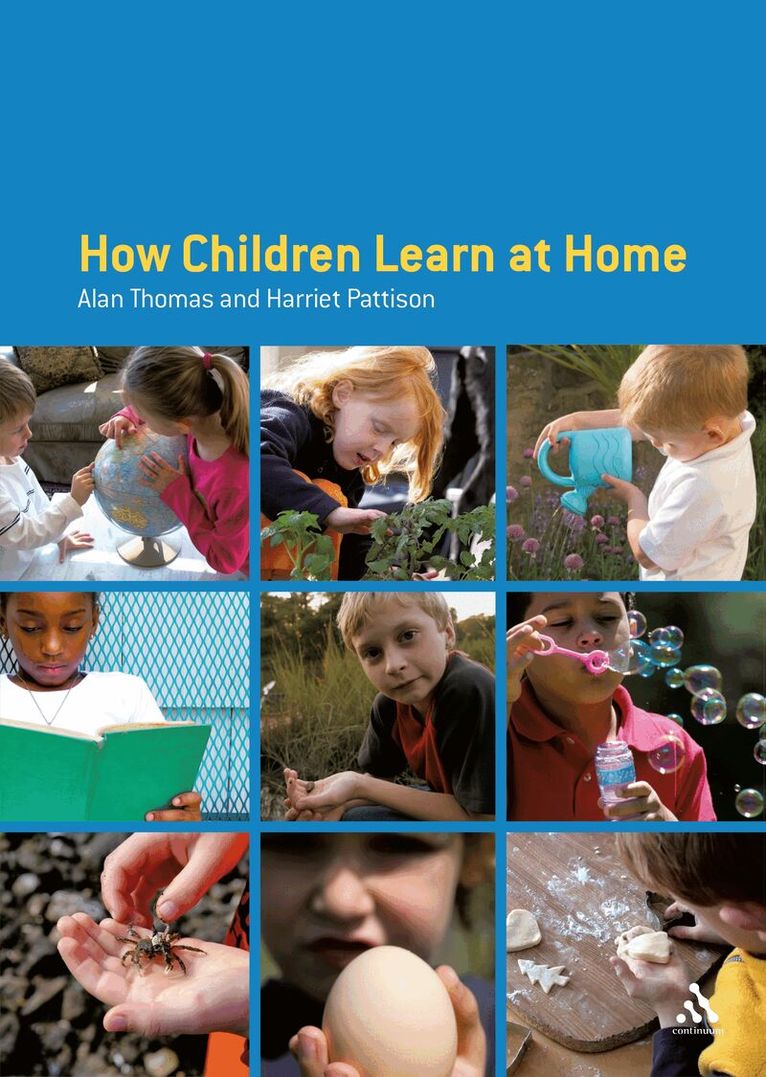
In his "Educating Children at Home", Alan Thomas found that many home educating families chose or gravitated towards an informal style of education, radically different from that found in schools. Such learning, also described as unschooling, natural or autonomous, takes place without most of the features considered essential for learning in school. At home there is no curriculum or sequential teaching, nor are there any lessons, textbooks, requirements for written work, practice exercises, marking or testing. But how can children who learn in this way actually achieve an education on a par with what schools offer? In this new research, Alan Thomas and Harriet Pattison seek to explain the efficacy of this alternative pedagogy through the experiences of families who have chosen to educate their children informally.Based on interviews and extended examples of learning at home the authors explore: the scope for informal learning within children's everyday lives; the informal acquisition of literacy and numeracy; the role of parents and others in informal learning; and, how children proactively develop their own learning agendas.Their investigation provides not only an insight into the powerful and effective nature of informal learning but also presents some fundamental challenges to many of the assumptions underpinning educational theory. This book will be of interest to education practitioners, researchers and all parents, whether their children are in or out of school, offering as it does fascinating insights into the nature of children's learning.
422 kr
Skickas inom 10-15 vardagar
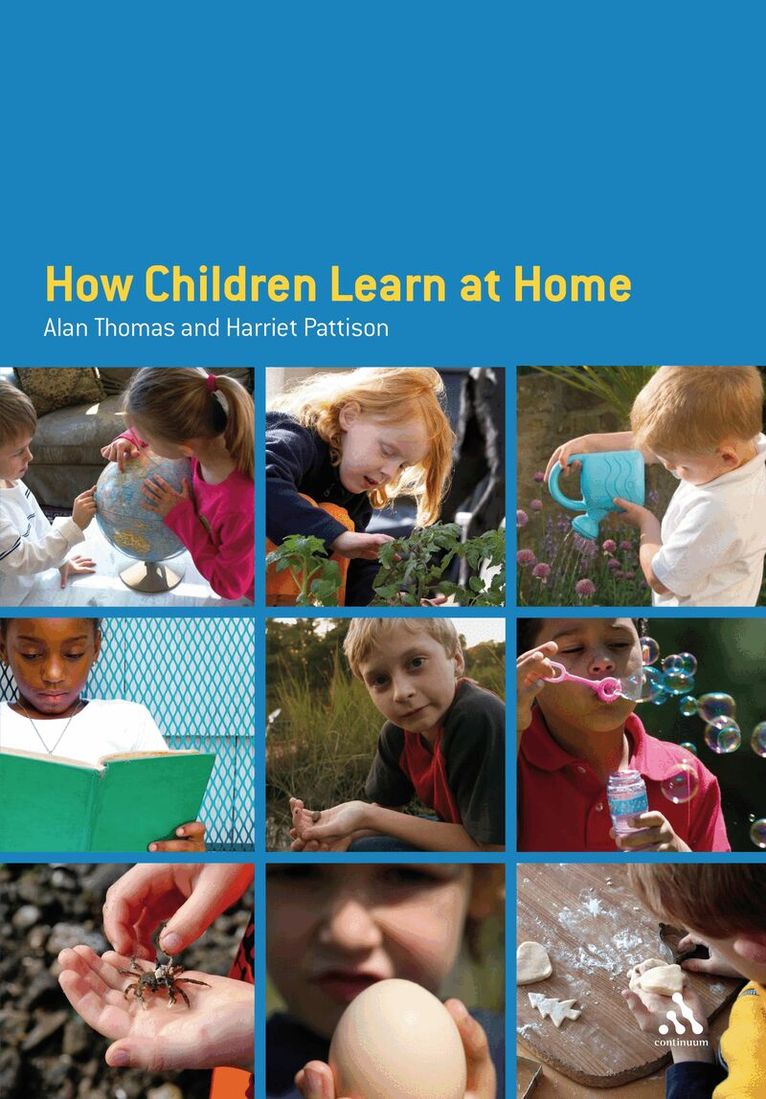
In his "Educating Children at Home", Alan Thomas found that many home educating families chose or gravitated towards an informal style of education, radically different from that found in schools. Such learning, also described as unschooling, natural or autonomous, takes place without most of the features considered essential for learning in school. At home there is no curriculum or sequential teaching, nor are there any lessons, textbooks, requirements for written work, practice exercises, marking or testing. But how can children who learn in this way actually achieve an education on a par with what schools offer? In this new research, Alan Thomas and Harriet Pattison seek to explain the efficacy of this alternative pedagogy through the experiences of families who have chosen to educate their children informally.Based on interviews and extended examples of learning at home the authors explore: the scope for informal learning within children's everyday lives; the informal acquisition of literacy and numeracy; the role of parents and others in informal learning; and, how children proactively develop their own learning agendas.Their investigation provides not only an insight into the powerful and effective nature of informal learning but also presents some fundamental challenges to many of the assumptions underpinning educational theory. This book will be of interest to education practitioners, researchers and all parents, whether their children are in or out of school, offering as it does fascinating insights into the nature of children's learning.