Harvey C. Mansfield – författare
Visar alla böcker från författaren Harvey C. Mansfield. Handla med fri frakt och snabb leverans.
18 produkter
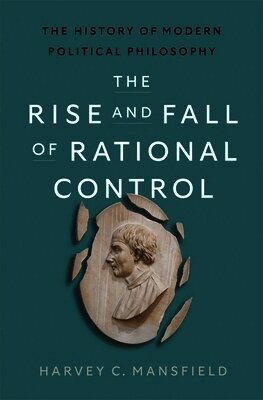
Rise and Fall of Rational Control
The History of Modern Political Philosophy
Inbunden, 2026
364 kr
Lägg i varukorg
A renowned scholar traces the evolution of modern political philosophy.The Rise and Fall of Rational Control is a bold interpretation of centuries of intellectual revolutions. Based on Harvey C. Mansfield’s legendary Harvard course, taught for decades to rapt classrooms, this volume is both a grand …
Discourses on Livy
Av Niccolò Machiavelli, Harvey C. Mansfield m. fl.
Häftad, 1998
315 kr
Lägg i varukorg
Discourses on Livy is the founding document of modern republicanism, and Harvey C. Mansfield and Nathan Tarcov have provided the definitive English translation of this classic work. Faithful to the original Italian text, properly attentive to Machiavelli's idiom and subtlety of thought, it is …
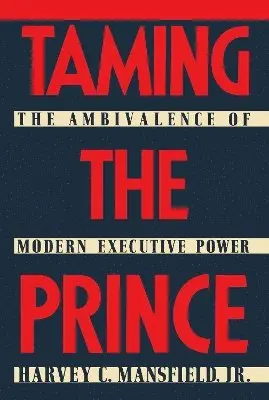
Taming the Prince
Häftad, 1989
539 kr
Lägg i varukorg
Harvey C. Mansfield analyzes the development of executive power, including its concept, purpose, and philosophical influence.Striving to bring clarity to the purpose and need for modern executive power, Taming the Prince discusses the philosophical influences of executive power and considers the …
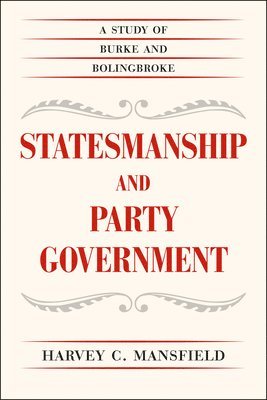
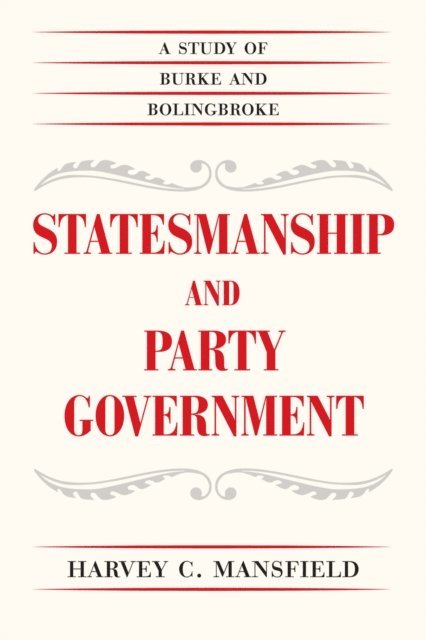
Statesmanship and Party Government
A Study of Burke and Bolingbroke
Häftad, 2013
296 kr
Lägg i varukorg
In this incisive look at early modern views of party politics, Harvey C. Mansfield examines the pamphlet war between Edmund Burke and the followers of Henry St. John, First Viscount Bolingbroke during the mid-eighteenth century. In response to works by Bolingbroke published posthumously, Burke …
Statesmanship and Party Government
A Study of Burke and Bolingbroke
E-bok, 2012
644 kr
Lägg i varukorg
In this incisive look at early modern views of party politics, Harvey C. Mansfield examines the pamphlet war between Edmund Burke and the followers of Henry St. John, First Viscount Bolingbroke during the mid-eighteenth century. In response to works by Bolingbroke published posthumously, Burke …
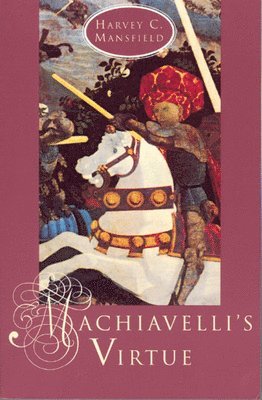
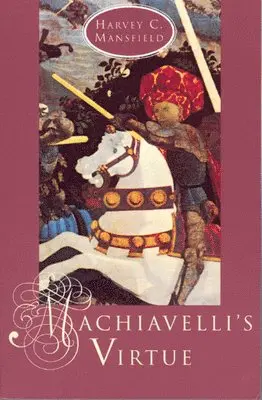
Machiavelli's Virtue
Häftad, 1998
228 kr
Lägg i varukorg
Uniting thirty years of authoritative scholarship by a master of textual detail, Machiavelli's Virtue is a comprehensive statement on the founder of modern politics. Harvey Mansfield reveals the role of sects in Machiavelli's politics, his advice on how to rule indirectly, and the ultimately …
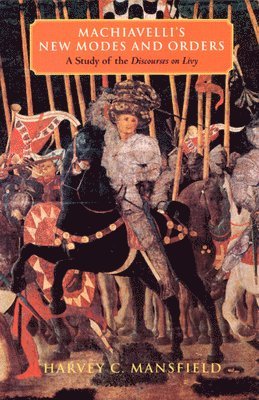
Machiavelli's New Modes and Orders
A Study of the Discourses on Livy
Häftad, 2001
398 kr
Lägg i varukorg
Machiavelli's New Modes and Orders is the only full-length interpretive study on Machiavelli's controversial and ambiguous work, Discourses on Livy. These discourses, considered by some to be Machiavelli's most important work, are thoroughly explained in a chapter-by-chapter commentary by Harvey C. …
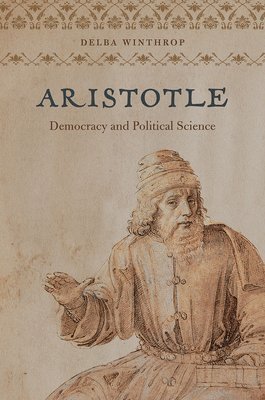
Aristotle
Democracy and Political Science
Av Delba Winthrop, Harvey C. Mansfield
Inbunden, 2018
603 kr
Lägg i varukorg
Manliness
E-bok, 2006
145 kr
Lägg i varukorg
"Thoughtful, vexing, and ultimately irresistible . . . neither a chest-thumping celebration of masculinity nor a scientific snore on ''biological maleness.''" —O, The Oprah MagazineThis book invites—no, demands—a response from its readers. It is impossible not to be drawn in to the provocative …
American Revolution and the Constitution
Av Akhil Reed Amar, Harvey C Mansfield m. fl.
Inbunden, 2026
218 kr
Lägg i varukorg
American Revolution and the Constitution
Av Akhil Reed Amar, Harvey C Mansfield m. fl.
Häftad, 2026
177 kr
Lägg i varukorg
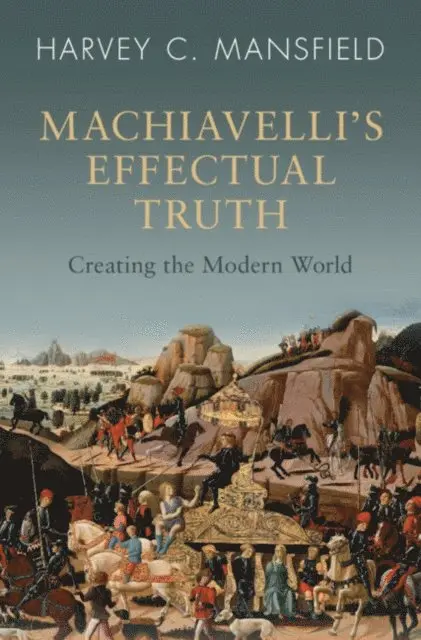
Machiavelli's Effectual Truth
Creating the Modern World
Inbunden, 2023
1514 kr
Lägg i varukorg
Machiavelli is said to be a Renaissance thinker, yet in a notable phrase he invented, 'the effectual truth,' he attacked the high-sounding humanism typical of the Renaissance, while mounting a conspiracy against the classical and Christian values of his time. In Machiavelli's Effectual Truth this …
Machiavelli's Effectual Truth
Creating the Modern World
Häftad, 2023
420 kr
Lägg i varukorg
Machiavelli is said to be a Renaissance thinker, yet in a notable phrase he invented, 'the effectual truth,' he attacked the high-sounding humanism typical of the Renaissance, while mounting a conspiracy against the classical and Christian values of his time. In Machiavelli's Effectual Truth this …
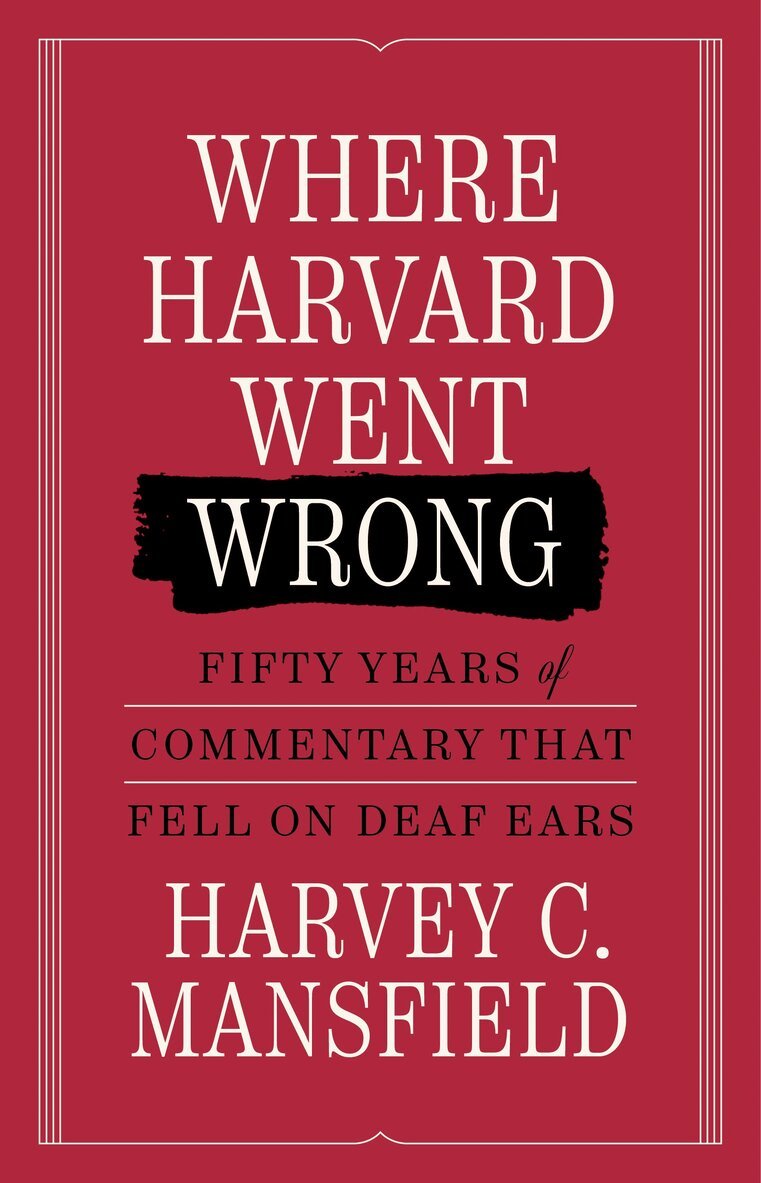
Where Harvard Went Wrong
Fifty Years of Commentary that Fell on Deaf Ears
Inbunden, 2026
210 kr
Lägg i varukorg
Where Harvard Went Wrong contains Harvey Mansfield’s addresses, spanning fifty years, to Harvard colleagues and students. Mansfield’s plea is, and has always been, that Harvard abandon its partisanship with the left and adopt instead a bipartisan position that welcomes conservatives as well as …
Manliness
Häftad, 2007
202 kr
Tillfälligt slut
Why do men need to feel important? It's their manliness. But is manliness obsolete? Is it even a virtue?This book invites—no, demands—a response from its readers. It is impossible not to be drawn in to the provocative (often contentious) discussion that Harvey Mansfield sets before us. This is the …
Machiavelli's Virtue
Inbunden, 1996
518 kr
Tillfälligt slut
Uniting 30 years of authoritative scholarship by a master of textual detail, "Machiavelli's Virtue" is a comprehensive statement on the founder of modern politics. Harvey C. Mansfield begins by analyzing Machiavelli's radical concept of virtue. Rejecting customary morality, Machiavelli teaches that …