Harvey Yunis – författare
Visar alla böcker från författaren Harvey Yunis. Handla med fri frakt och snabb leverans.
15 produkter
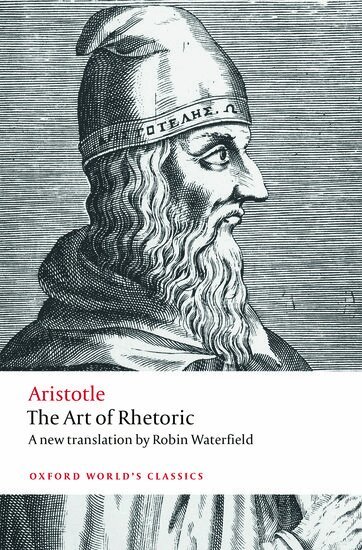
The Art of Rhetoric
Häftad, 2018
147 kr
Lägg i varukorg
For all men are persuaded by considerations of where their interest lies...Aristotle's Art of Rhetoric is the earliest systematic treatment of the subject, and it remains among the most incisive works on rhetoric that we possess. In it, we are asked: What is a good speech? What do popular audiences …
Art of Rhetoric
E-bok, 2018
117 kr
Lägg i varukorg
For all men are persuaded by considerations of where their interest lies... Aristotle''s Art of Rhetoric is the earliest systematic treatment of the subject, and it remains among the most incisive works on rhetoric that we possess. In it, we are asked: What is a good speech? What do popular …
Art of Rhetoric
E-bok, 2018
117 kr
Lägg i varukorg
For all men are persuaded by considerations of where their interest lies... Aristotle''s Art of Rhetoric is the earliest systematic treatment of the subject, and it remains among the most incisive works on rhetoric that we possess. In it, we are asked: What is a good speech? What do popular …
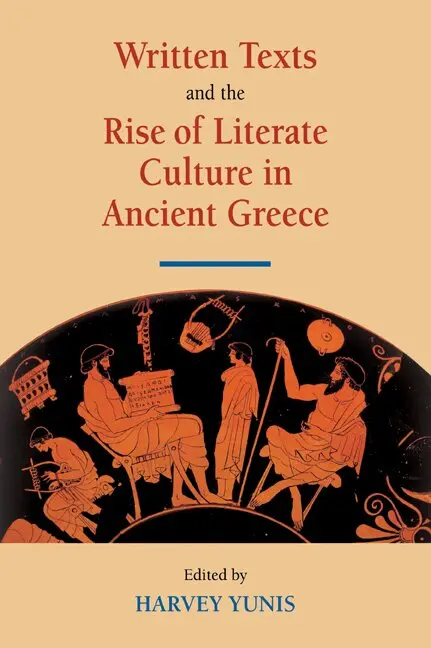
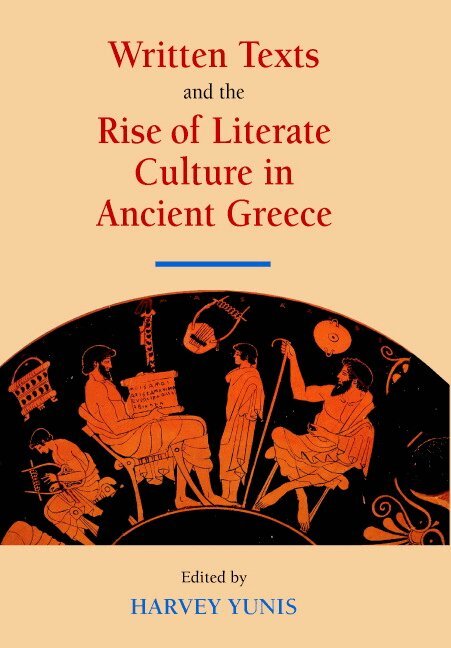
Written Texts and the Rise of Literate Culture in Ancient Greece
Av Harvey Yunis
Häftad, 2007
842 kr
Lägg i varukorg
From the sixth through the fourth centuries BCE, the landmark developments of Greek culture and the critical works of Greek thought and literature were accompanied by an explosive growth in the use of written texts. By the close of the classical period, a new culture of literacy and textuality had …
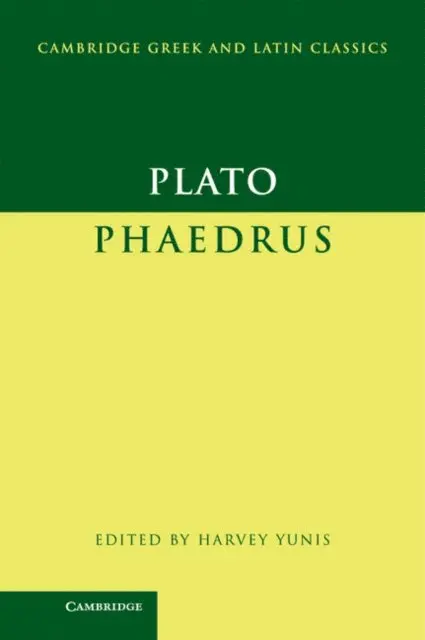
Plato: Phaedrus
Av Plato, Harvey Yunis
Häftad, 2011
519 kr
Lägg i varukorg
Ostensibly a discussion about love, the debate in the Phaedrus also encompasses the art of rhetoric and how it should be practised. This new edition contains an introductory essay outlining the argument of the dialogue as a whole and Plato's arguments about rhetoric and eros in particular. The …
Demosthenes: On the Crown
Häftad, 2001
567 kr
Lägg i varukorg
Demosthenes' speech On the Crown is one of the finest artistic achievements of Greek prose. Delivered in an Athenian court in 330 BCE, and circulated in written form soon afterwards, the speech made an immediate impression on contemporary Greeks and for centuries served the writers and speakers of …
Written Texts and the Rise of Literate Culture in Ancient Greece
Av Harvey Yunis
Inbunden, 2003
1832 kr
Lägg i varukorg
From the sixth through the fourth centuries BCE, the landmark developments of Greek culture and the critical works of Greek thought and literature were accompanied by an explosive growth in the use of written texts. By the close of the classical period, a new culture of literacy and textuality had …
Plato: Phaedrus
Av Plato, Harvey Yunis
Inbunden, 2011
1341 kr
Lägg i varukorg
Ostensibly a discussion about love, the debate in the Phaedrus also encompasses the art of rhetoric and how it should be practised. This new edition contains an introductory essay outlining the argument of the dialogue as a whole and Plato's arguments about rhetoric and eros in particular. The …
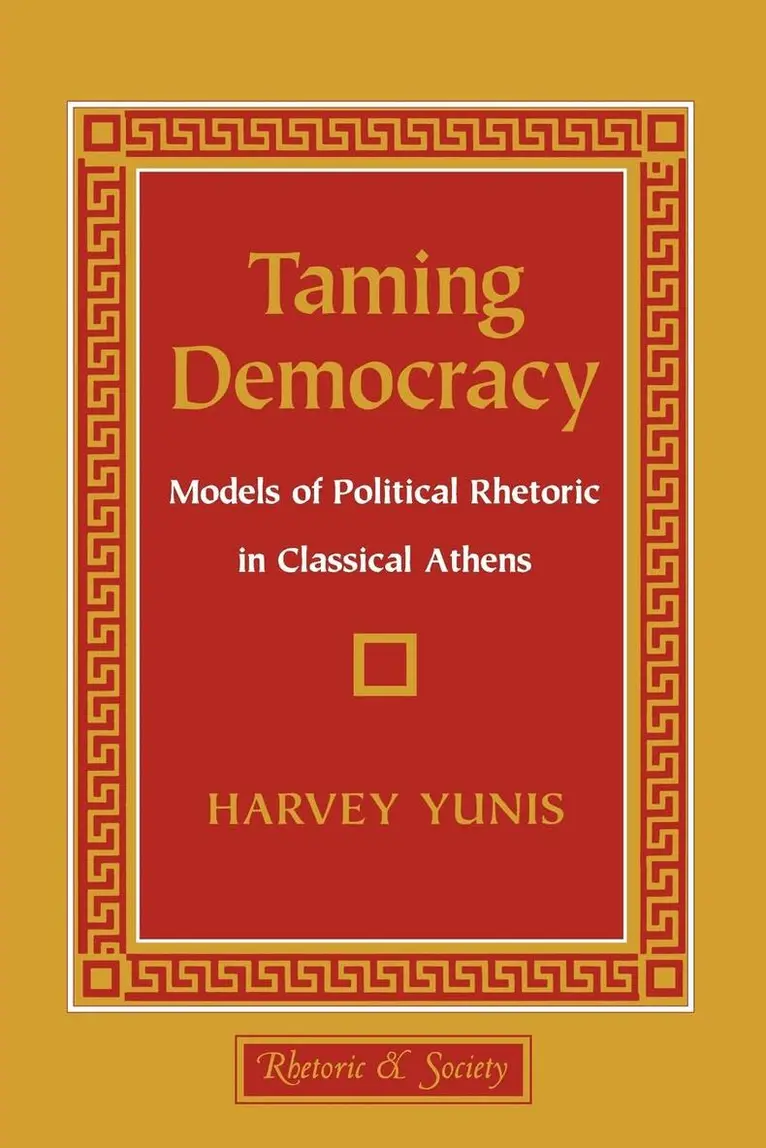
Taming Democracy
Models of Political Rhetoric in Classical Athens
Av Harvey Yunis
Inbunden, 1996
1648 kr
Lägg i varukorg
How does one speak to a large, diverse mass of ordinary, sovereign citizens and persuade them to render wise decisions? For Thucydides, Plato, and Demosthenes, who observed classical Athenian democracy in action, this was an urgent question. Harvey Yunis looks at how these three—historian, …
Taming Democracy
Models of Political Rhetoric in Classical Athens
Av Harvey Yunis
Häftad, 1996
545 kr
Lägg i varukorg
How does one speak to a large, diverse mass of ordinary, sovereign citizens and persuade them to render wise decisions? For Thucydides, Plato, and Demosthenes, who observed classical Athenian democracy in action, this was an urgent question. Harvey Yunis looks at how these three—historian, …
Plato: Phaedrus
Av Plato, Harvey Yunis
E-bok, 2011
504 kr
Lägg i varukorg
Ostensibly a discussion about love, the debate in the Phaedrus also encompasses the art of rhetoric and how it should be practised. This new edition contains an introductory essay outlining the argument of the dialogue as a whole and Plato''s arguments about rhetoric and eros in particular. The …
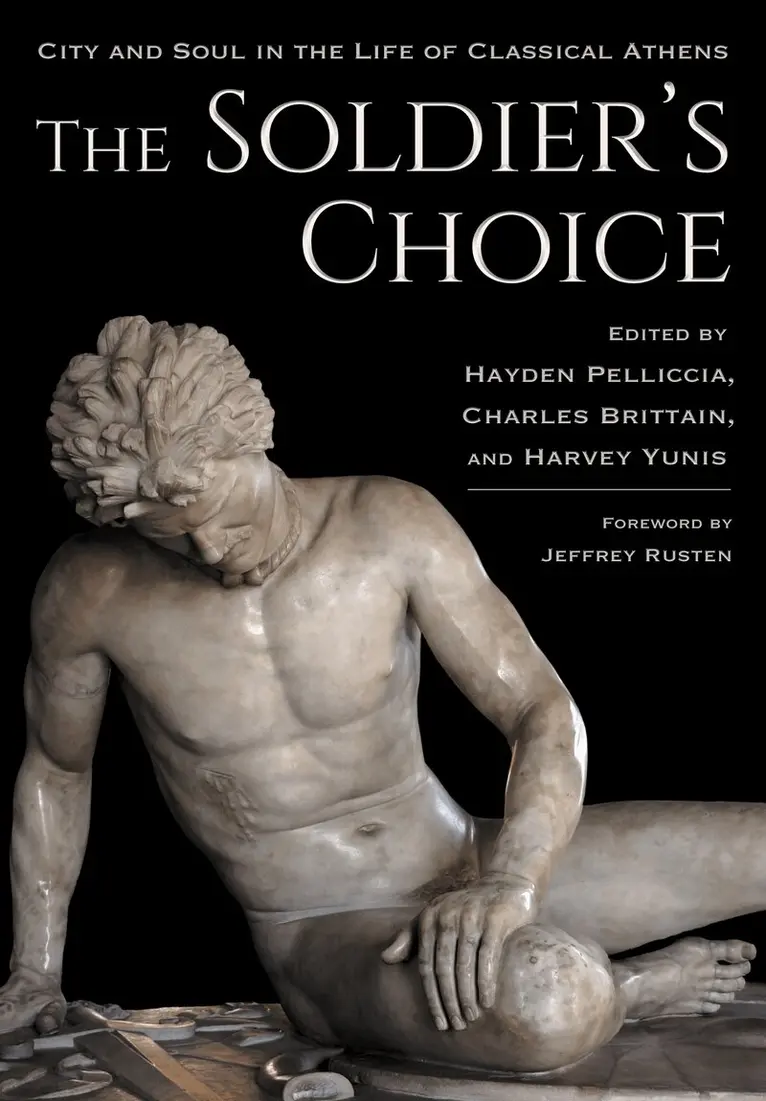
Soldier's Choice
City and Soul in the Life of Classical Athens
Av Hayden Pelliccia, Hayden Pelliccia m. fl.
Inbunden, 2025
659 kr
Lägg i varukorg
In the pitch of battle, according to Pericles, the Athenian citizen-soldier chooses to die rather than leave undefended the democratic principles that Athens embodies: this defines The Soldier's Choice. The great war between Sparta and Athens dominated the Greek world for twenty-seven years …
Greek Myth and Religion
Av Albert Henrichs, Harvey Yunis
Inbunden, 2019
2461 kr
Lägg i varukorg
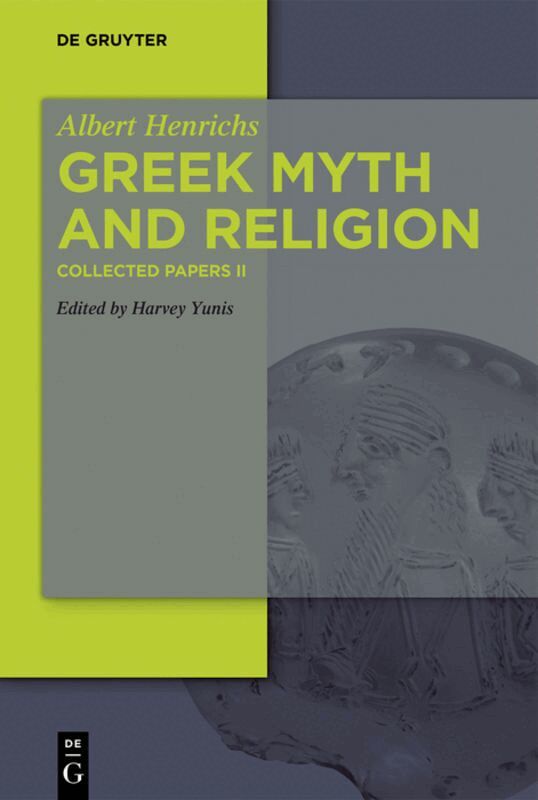
This volume contains the collected papers of Albert Henrichs on numerous subjects in ancient Greek myth and religion.What was ancient Greek religion really like? What is the reality of belief and action that lies behind the unwieldy sources, which stem from vast areas and epochs of the ancient …
Greek Myth and Religion
Av Albert Henrichs, Harvey Yunis
E-bok, 2019
2262 kr
Lägg i varukorg
This volume contains the collected papers of Albert Henrichs on numerous subjects in ancient Greek myth and religion. What was ancient Greek religion really like? What is the reality of belief and action that lies behind the unwieldy sources, which stem from vast areas and epochs of the ancient …
Greek Myth and Religion
Av Albert Henrichs, Harvey Yunis
E-bok, 2019
2262 kr
Lägg i varukorg
This volume contains the collected papers of Albert Henrichs on numerous subjects in ancient Greek myth and religion. What was ancient Greek religion really like? What is the reality of belief and action that lies behind the unwieldy sources, which stem from vast areas and epochs of the ancient …