Hayley J Hooper - Böcker
Visar alla böcker från författaren Hayley J Hooper. Handla med fri frakt och snabb leverans.
6 produkter
6 produkter
1 235 kr
Skickas inom 10-15 vardagar
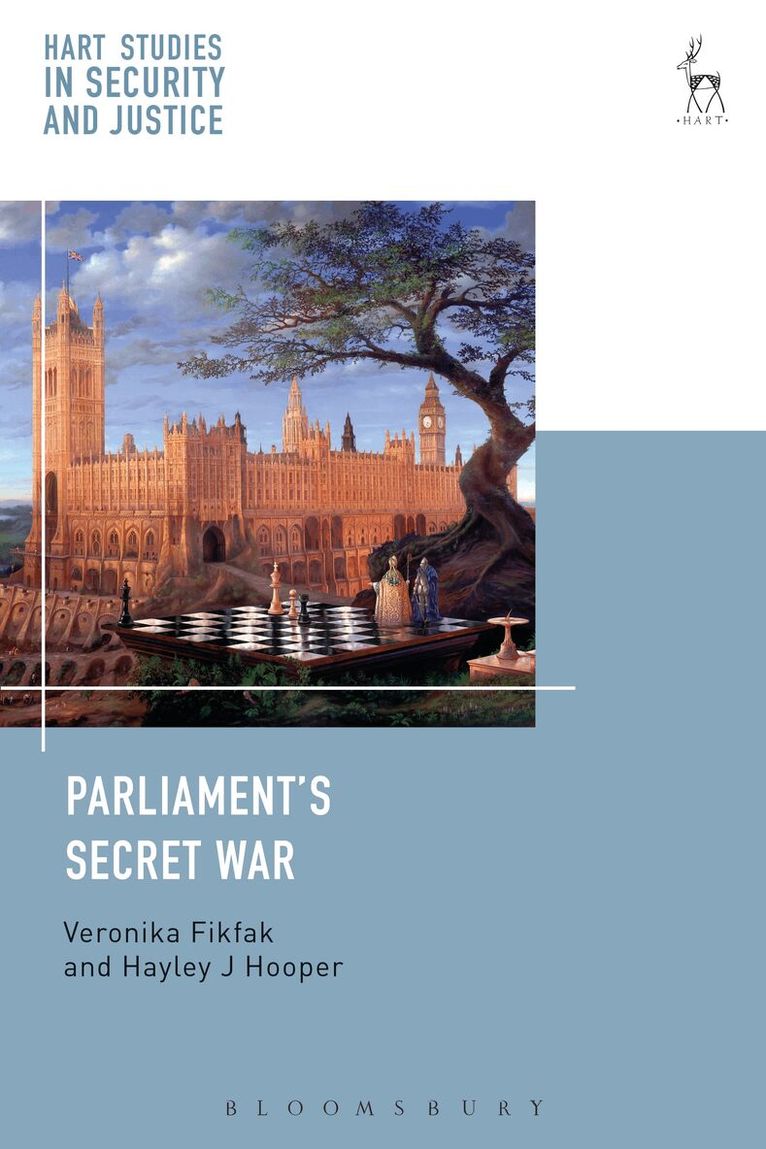
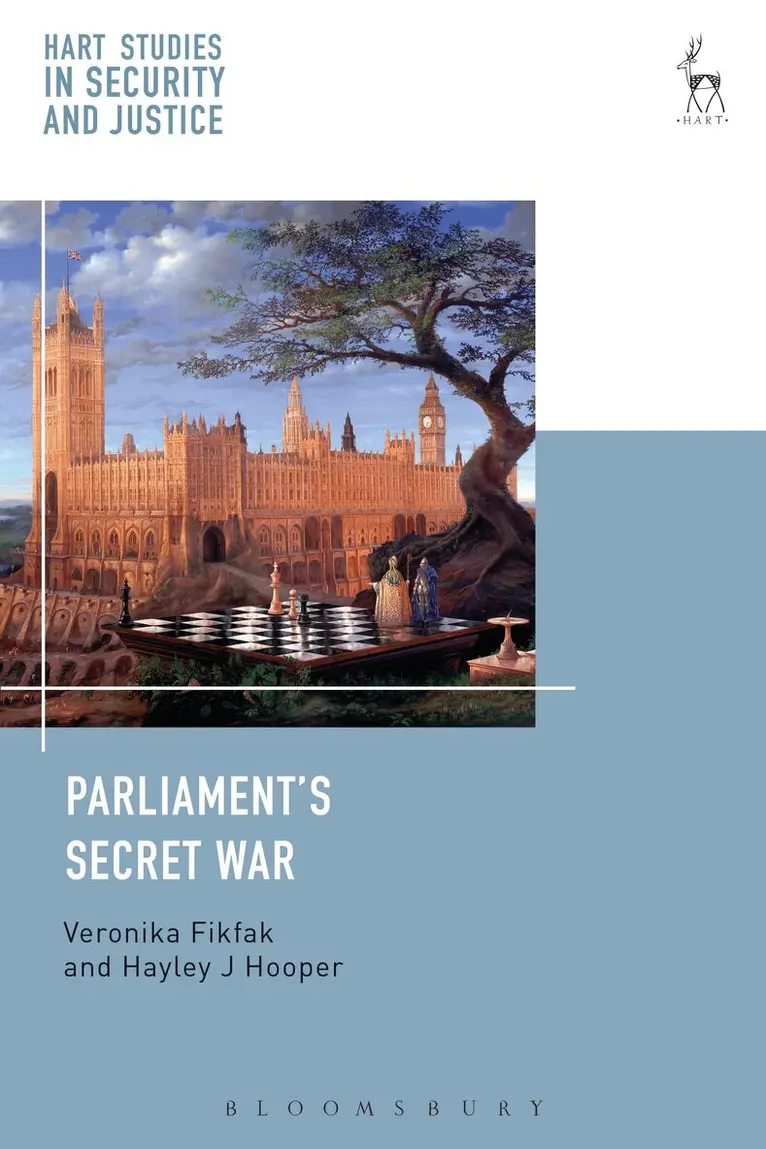
The invasion of Iraq in 2003, and the Coalition Government’s failure to win parliamentary approval for armed intervention in Syria in 2013, mark a period of increased scrutiny of the process by which the UK engages in armed conflict. For much of the media and civil society there now exists a constitutional convention which mandates that the Government consults Parliament before commencing hostilities. This is celebrated as representing a redistribution of power from the executive towards a more legitimate, democratic institution. This book offers a critical inquiry into Parliament’s role in the war prerogative since the beginning of the twentieth century, evaluating whether the UK’s decisions to engage in conflict meet the recognised standards of good governance: accountability, transparency and participation. The analysis reveals a number of persistent problems in the decision-making process, including Parliament’s lack of access to relevant information, government ‘legalisation’ of parliamentary debates which frustrates broader discussions of political legitimacy, and the skewing of debates via the partial public disclosure of information based upon secret intelligence. The book offers solutions to these problems to reinvigorate parliamentary discourse and to address government withholding of classified information. It is essential reading for anyone interested in war powers, the relationship between international law and domestic politics, and the role of the Westminster Parliament in questions of national security.
547 kr
Skickas inom 10-15 vardagar
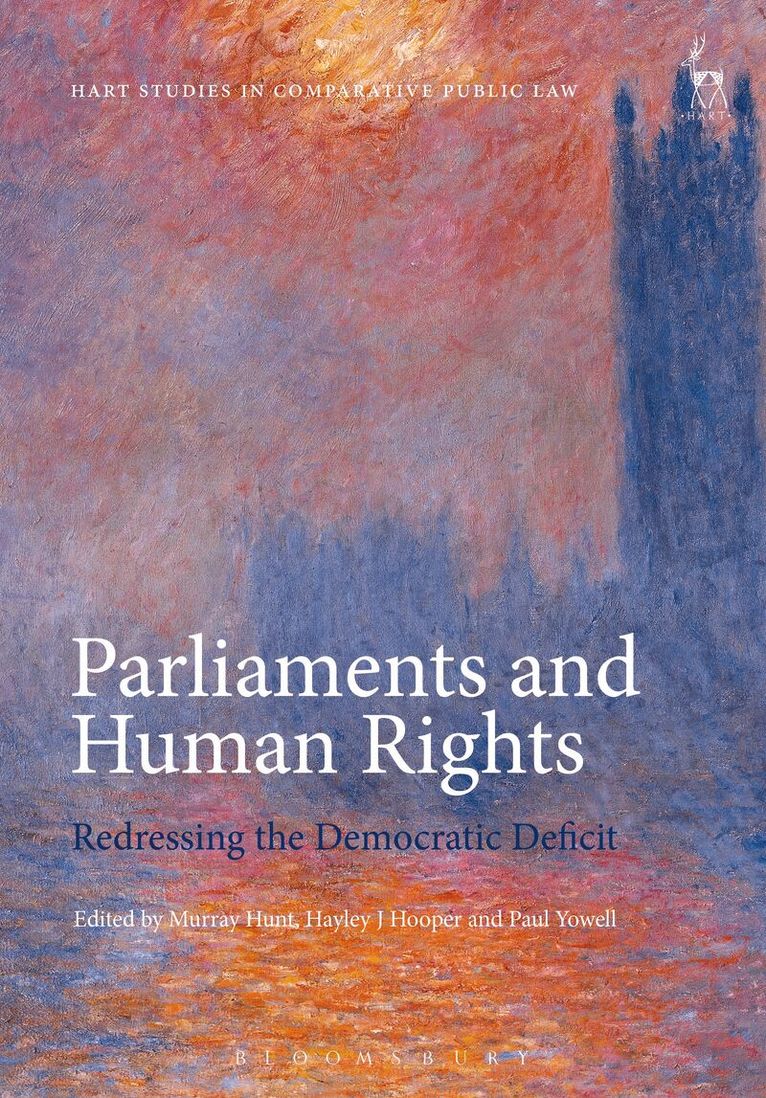
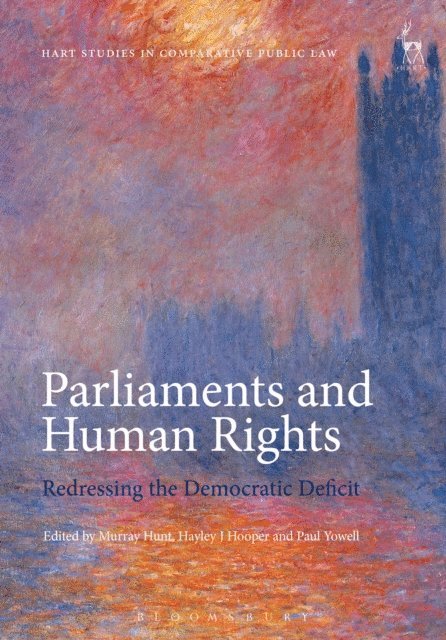
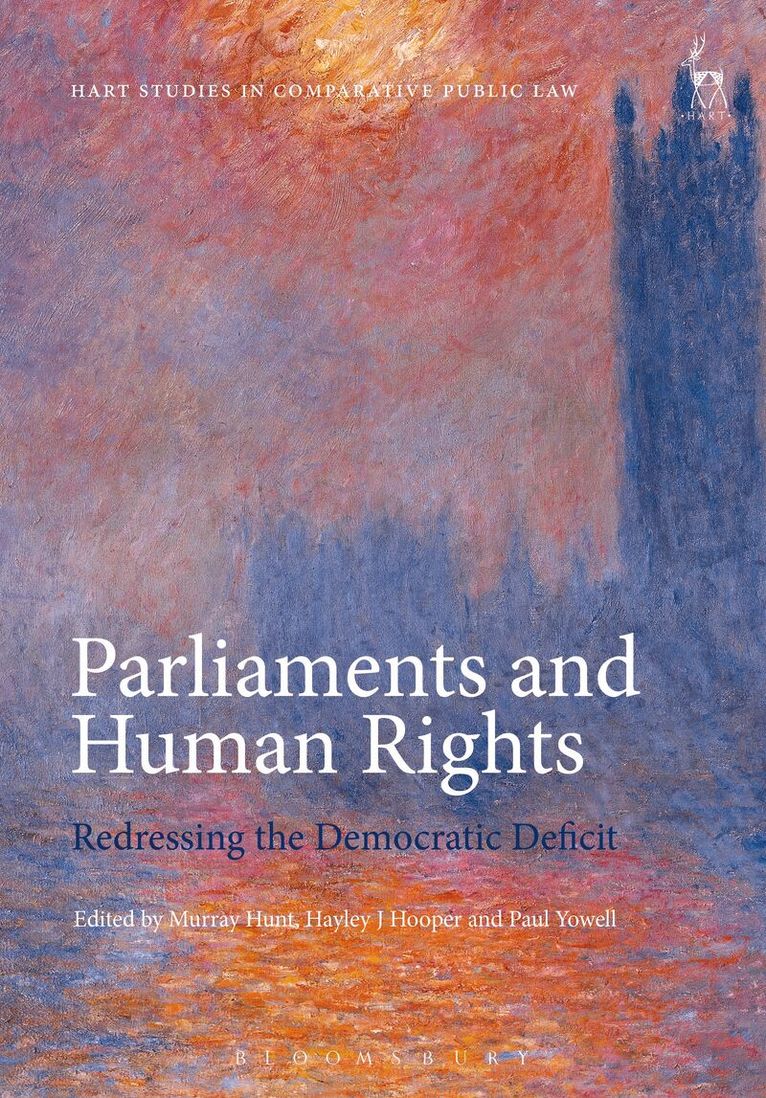
In many countries today there is a growing and genuinely-held concern that the institutional arrangements for the protection of human rights suffer from a ‘democratic deficit’. Yet at the same time there appears to be a new consensus that human rights require legal protection and that all branches of the state have a shared responsibility for upholding and realising those legally protected rights. This volume of essays tries to understand this paradox by considering how parliaments have sought to discharge their responsibility to protect human rights. Contributors seek to take stock of the extent to which national and sub-national parliaments have developed legislative review for human rights compatibility, and the effect of international initiatives to increase the role of parliaments in relation to human rights. They also consider the relationship between legislative review and judicial review for human rights compatibility, and whether courts could do more to incentivise better democratic deliberation about human rights. Enhancing the role of parliaments in the protection and realisation of human rights emerges as an idea whose time has come, but the volume makes clear that there is a great deal more to do in all parliaments to develop the institutional structures, processes and mechanisms necessary to put human rights at the centre of their function of making law and holding the government to account. The sense of democratic deficit is unlikely to dissipate unless parliaments empower themselves by exercising the considerable powers and responsibilities they already have to interpret and apply human rights law, and courts in turn pay closer attention to that reasoned consideration.‘I believe that this book will be of enormous value to all of those interested in human rights, in modern legislatures, and the relationship between the two. As this is absolutely fundamental to the characterand credibility of democracy, academic insight of this sort is especially welcome. This is an area where I expect there to be an ever expanding community of interest.’ From the Foreword by the Rt Hon John Bercow MP, Speaker of the House of Commons
523 kr
Skickas inom 10-15 vardagar
The invasion of Iraq in 2003, and the Coalition Government’s failure to win parliamentary approval for armed intervention in Syria in 2013, mark a period of increased scrutiny of the process by which the UK engages in armed conflict. For much of the media and civil society there now exists a constitutional convention which mandates that the Government consults Parliament before commencing hostilities. This is celebrated as representing a redistribution of power from the executive towards a more legitimate, democratic institution. This book offers a critical inquiry into Parliament’s role in the war prerogative since the beginning of the twentieth century, evaluating whether the UK’s decisions to engage in conflict meet the recognised standards of good governance: accountability, transparency and participation. The analysis reveals a number of persistent problems in the decision-making process, including Parliament’s lack of access to relevant information, government ‘legalisation’ of parliamentary debates which frustrates broader discussions of political legitimacy, and the skewing of debates via the partial public disclosure of information based upon secret intelligence. The book offers solutions to these problems to reinvigorate parliamentary discourse and to address government withholding of classified information. It is essential reading for anyone interested in war powers, the relationship between international law and domestic politics, and the role of the Westminster Parliament in questions of national security.
157 kr
Kommande
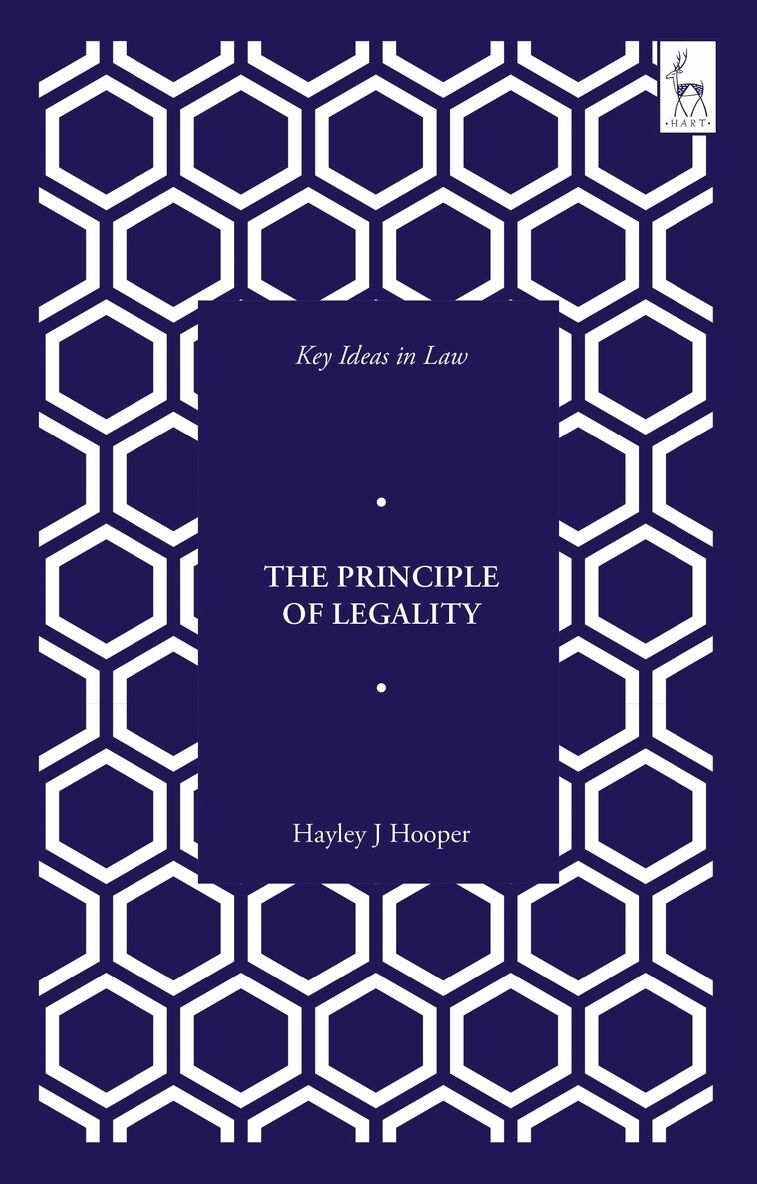
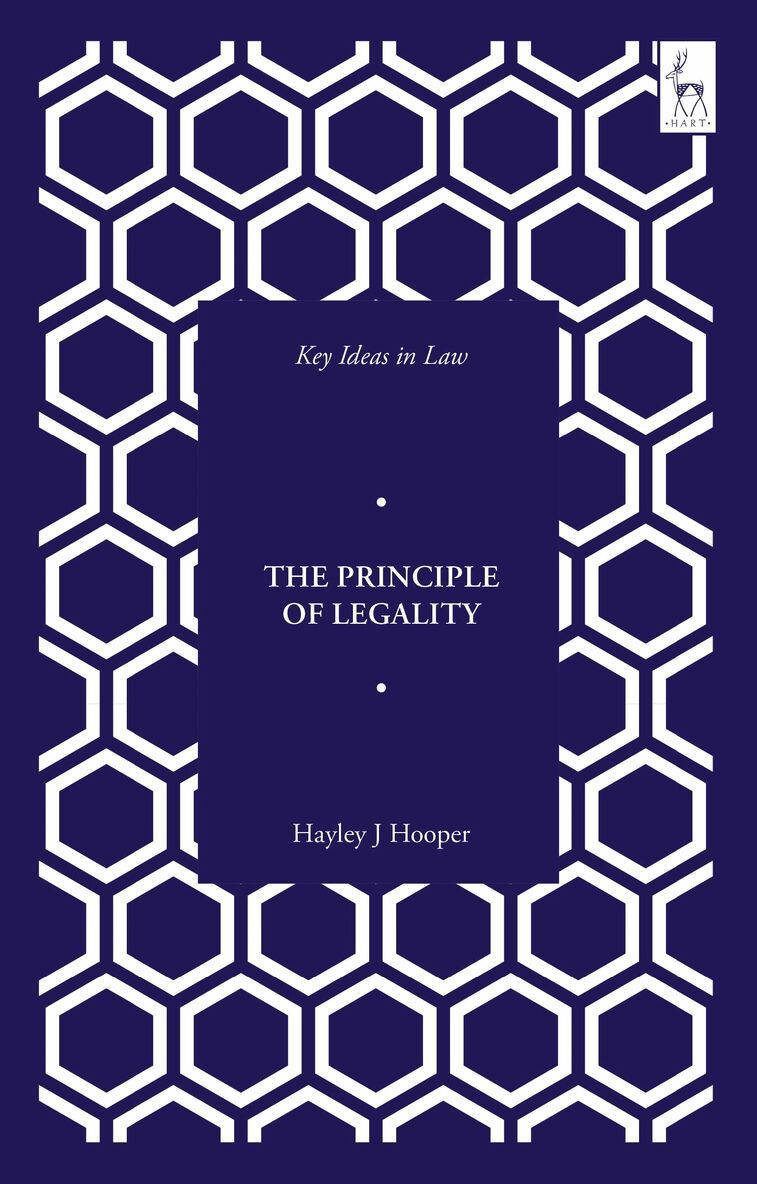
This book provides an account of the most important and controversial aspects of the principle of legality in the United Kingdom. It explores the many complexities surrounding the historical origins, field of application, mode of operation, and subject matter of legality. Despite its long history, the term ‘principle of legality’ only began to be used in public law cases towards the end of the twentieth century. More recently, judicial references to the principle of legality in high profile constitutional law cases have fuelled broader concerns about judicial overreach. The book argues that these concerns are unfounded.The principle of legality describes a phenomenon in statutory interpretation that empowers courts to prevent fundamental common law values from being overridden by unclear legislation. However, it will be shown that it makes more sense to think of multiple principles of legality, rather than a single concept. The book provides a fresh and detailed perspective on a controversial aspect of the common law. It will be useful for students of law and politics and established practitioners and scholars alike.
528 kr
Kommande
This book provides an account of the most important and controversial aspects of the principle of legality in the United Kingdom. It explores the many complexities surrounding the historical origins, field of application, mode of operation, and subject matter of legality. Despite its long history, the term ‘principle of legality’ only began to be used in public law cases towards the end of the twentieth century. More recently, judicial references to the principle of legality in high profile constitutional law cases have fuelled broader concerns about judicial overreach. The book argues that these concerns are unfounded.The principle of legality describes a phenomenon in statutory interpretation that empowers courts to prevent fundamental common law values from being overridden by unclear legislation. However, it will be shown that it makes more sense to think of multiple principles of legality, rather than a single concept. The book provides a fresh and detailed perspective on a controversial aspect of the common law. It will be useful for students of law and politics and established practitioners and scholars alike.
1 358 kr
Skickas inom 10-15 vardagar
In many countries today there is a growing and genuinely-held concern that the institutional arrangements for the protection of human rights suffer from a ‘democratic deficit’. Yet at the same time there appears to be a new consensus that human rights require legal protection and that all branches of the state have a shared responsibility for upholding and realising those legally protected rights. This volume of essays tries to understand this paradox by considering how parliaments have sought to discharge their responsibility to protect human rights. Contributors seek to take stock of the extent to which national and sub-national parliaments have developed legislative review for human rights compatibility, and the effect of international initiatives to increase the role of parliaments in relation to human rights. They also consider the relationship between legislative review and judicial review for human rights compatibility, and whether courts could do more to incentivise better democratic deliberation about human rights. Enhancing the role of parliaments in the protection and realisation of human rights emerges as an idea whose time has come, but the volume makes clear that there is a great deal more to do in all parliaments to develop the institutional structures, processes and mechanisms necessary to put human rights at the centre of their function of making law and holding the government to account. The sense of democratic deficit is unlikely to dissipate unless parliaments empower themselves by exercising the considerable powers and responsibilities they already have to interpret and apply human rights law, and courts in turn pay closer attention to that reasoned consideration.‘I believe that this book will be of enormous value to all of those interested in human rights, in modern legislatures, and the relationship between the two. As this is absolutely fundamental to the characterand credibility of democracy, academic insight of this sort is especially welcome. This is an area where I expect there to be an ever expanding community of interest.’ From the Foreword by the Rt Hon John Bercow MP, Speaker of the House of Commons