Hazel Heckman - Böcker
Visar alla böcker från författaren Hazel Heckman. Handla med fri frakt och snabb leverans.
3 produkter
3 produkter
506 kr
Skickas inom 7-10 vardagar
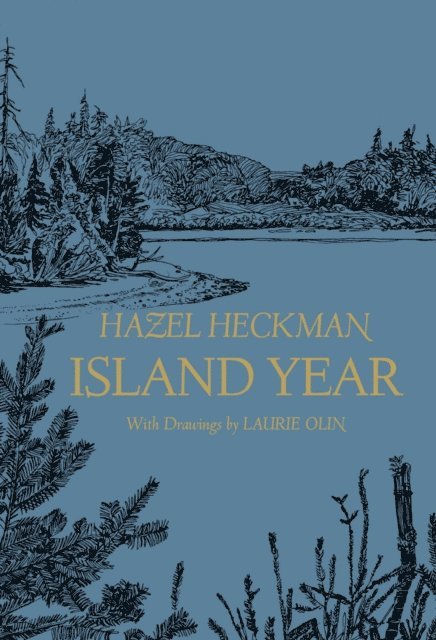
In her first book, Island in the Sound, Heckman brought to life Anderson Island in Puget Sound, its people, its history, and its sadly vanishing way of life. Now, in this book, she brings the same clarity of vision, warmth, and insight to the natural life of her island, recording the cycle of the seasons as an appreciative and articulate observer.This is a diary of the natural world where the same things happen again and again but are always new. Each month brings surprises, expected or not: the blossoming of the wild red flower currant in March, the appearance of a pod of killer whales in July. Mrs. Heckman’s gift to the reader, as in all of the best nature writing, is to let us see it through her eyes, as if never seen before.But the developers have arrived, and the natural world of the Island is as threatened as the way of life of its people. Mrs. Heckman knows that Anderson Island is not the Grand Canyon, that its destruction will never arouse great public indignation, but while it exists as one of the ‘little wild places’ she is able to share it and her love for it.
283 kr
Skickas inom 3-6 vardagar
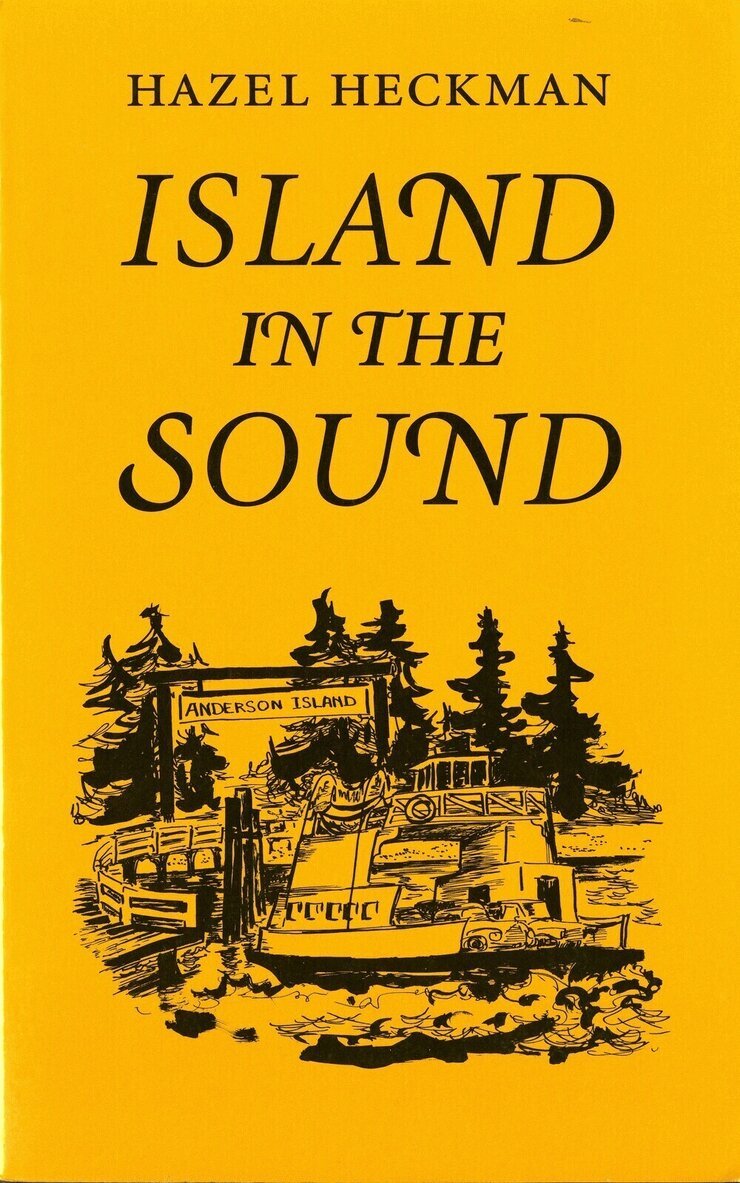
Anderson Island in Puget Sound exists as a kind of tiny, autonomous world. Sharply defined by bitterly cold water, deep enough to float a destroyer; by dense fog; and by dangerous tide rips caused by the narrow channels, it is a community without an officer of the law, a minister of the gospel, or a doctor of medicine. Nevertheless, it is a tightly knit and well-organized microcosm in its wilderness environment.Hailed as a ‘local classic’ by Murray Morgan and Wallace Stegner, Hazel Heckman’s story of this Northwest island will have strong appeal for devotees of island life anywhere. The Pacific Northwesterner will learn much about his native soil, but this book will find an audience far beyond the shadows of Mount Rainier and the wild Olympics. It will be especially treasured by those who feel deep nostalgia for the leisurely pace of life in a small community.Wit, depth of perception, engaging literary style -- all are warmly present in this saga of a Midwestern woman’s experience with a new homeland, an environment strange and very different from the dusty Oklahoma country where she had lived for the previous twenty years. Feeling at first that the perpetual rain and gray skies were a high price to pay for a relatively comfortable year-round climate, Mrs. Heckman came to like, and eventually to love, the Northwest only after she discovered Anderson Island.Located near McNeil Island in upper Puget Sound, Anderson has approximately ninety permanent residents. Most of them are descendants of the original Scandinavian settlers of the Island, and they seem to have inherited the individualism and self-reliance necessary to survive in a hostile environment. Thus, ‘modern’ innovations, such as regular ferry service and electricity, are comparatively recent developments.This book is the lively chronicle of Anderson Island -- its history, its residents, its idiosyncrasies, its commonplaces. Mrs. Heckman’s lyrical evocations of the natural life have captured the essence of Anderson Island.
250 kr
Skickas inom 3-6 vardagar
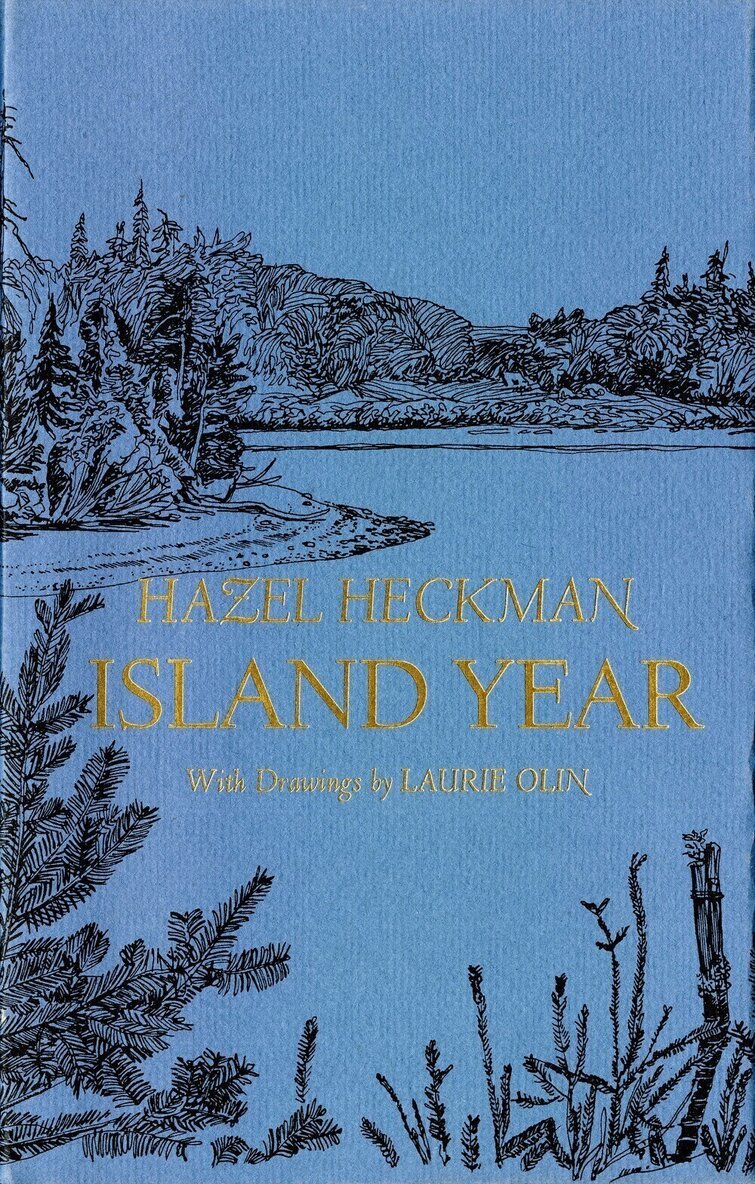
In her first book, Island in the Sound, Heckman brought to life Anderson Island in Puget Sound, its people, its history, and its sadly vanishing way of life. Now, in this book, she brings the same clarity of vision, warmth, and insight to the natural life of her island, recording the cycle of the seasons as an appreciative and articulate observer.This is a diary of the natural world where the same things happen again and again but are always new. Each month brings surprises, expected or not: the blossoming of the wild red flower currant in March, the appearance of a pod of killer whales in July. Mrs. Heckman’s gift to the reader, as in all of the best nature writing, is to let us see it through her eyes, as if never seen before.But the developers have arrived, and the natural world of the Island is as threatened as the way of life of its people. Mrs. Heckman knows that Anderson Island is not the Grand Canyon, that its destruction will never arouse great public indignation, but while it exists as one of the ‘little wild places’ she is able to share it and her love for it.