Hazem Kandil – författare
Visar alla böcker från författaren Hazem Kandil. Handla med fri frakt och snabb leverans.
9 produkter
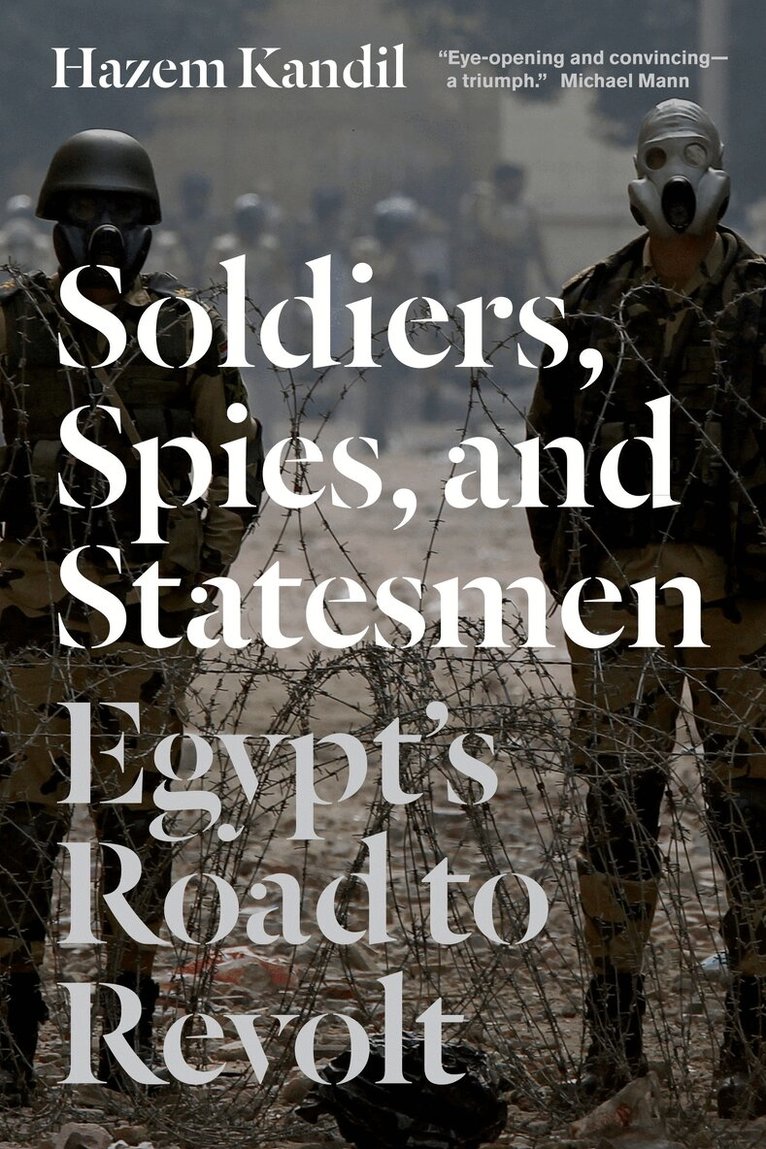
Soldiers, Spies, and Statesmen
Egypt’s Road to Revolt
Av Hazem Kandil
Häftad, 2014
421 kr
Lägg i varukorg
One of the most momentous events in the Arab uprisings that swept across the Middle East in 2011 was the overthrow of President Hosni Mubarak. As dramatic and sudden as this seemed, it was only one further episode in an ongoing power struggle between the three components of Egypt's authoritarian …
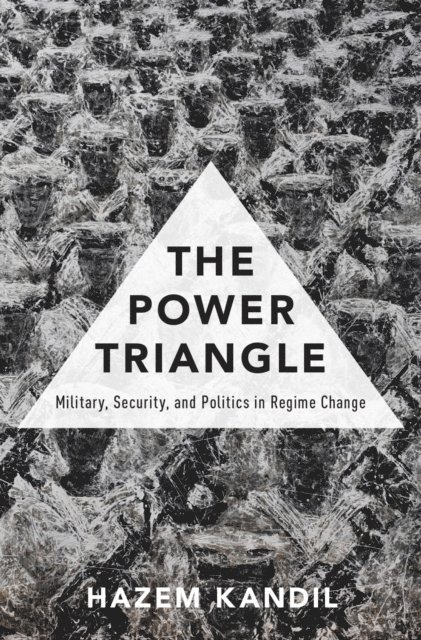
The Power Triangle
Military, Security, and Politics in Regime Change
Av Hazem Kandil
Inbunden, 2016
978 kr
Lägg i varukorg
Iran, Egypt, and Turkey all experienced remarkably similar coup-installed regimes in the middle of the twentieth century, and shared comparable state-building ambitions. Despite these similarities, each followed a different trajectory: Iran became an absolutist monarchy that was overthrown from …
Power Triangle
Military, Security, and Politics in Regime Change
Av Hazem Kandil
E-bok, 2016
623 kr
Lägg i varukorg
Revolution, reform, and resilience comprise the respective fortunes of modern Iran, Turkey, and Egypt. Although the countries all experienced coups with remarkably similar ambitions, each followed a very different trajectory. Iran became an absolutist monarchy that was overthrown from below, Turkey …
Power Triangle
Military, Security, and Politics in Regime Change
Av Hazem Kandil
E-bok, 2016
623 kr
Lägg i varukorg
Revolution, reform, and resilience comprise the respective fortunes of modern Iran, Turkey, and Egypt. Although the countries all experienced coups with remarkably similar ambitions, each followed a very different trajectory. Iran became an absolutist monarchy that was overthrown from below, Turkey …
Inside the Brotherhood
Av Hazem Kandil
Inbunden, 2014
706 kr
Lägg i varukorg
This is the first in-depth study of the relationship between the Egyptian Muslim Brotherhood and its own members. Drawing on years of participant observation, extensive interviews, previously inaccessible organizational documents, and dozens of memoirs and writings, the book provides an intimate …
Inside the Brotherhood
Av Hazem Kandil
Häftad, 2016
189 kr
Lägg i varukorg
This is the first in-depth study of the relationship between the Egyptian Muslim Brotherhood and its own members. Drawing on years of participant observation, extensive interviews, previously inaccessible organizational documents, and dozens of memoirs and writings, the book provides an intimate …
Inside the Brotherhood
Av Hazem Kandil
E-bok, 2014
205 kr
Lägg i varukorg
This is the first in-depth study of the relationship between the Egyptian Muslim Brotherhood and its own members. Drawing on years of participant observation, extensive interviews, previously inaccessible organizational documents, and dozens of memoirs and writings, the book provides an intimate …
America's Wars
Technology and Tragedy from Kennedy to Trump
Av Hazem Kandil
Inbunden, 2027
270 kr
Kommande
America struggles to bend warfare to its will and war pushes back.This book takes readers on a journey alongside fretting politicians and bungling spies, grunting soldiers and stoic generals, journalists, think-tankers, and antiwar protesters – a journey stretching from the jungles of Cuba and …
Soldiers, Spies, and Statesmen
Egypt’s Road to Revolt
Av Hazem Kandil
E-bok, 2014
175 kr
Lägg i varukorg
One of the most momentous events in the Arab uprisings that swept across the Middle East in 2011 was the overthrow of President Hosni Mubarak. As dramatic and sudden as this seemed, it was only one further episode in an ongoing power struggle between the three components of Egypt''s authoritarian …