Heather L. Reid – författare
Visar alla böcker från författaren Heather L. Reid. Handla med fri frakt och snabb leverans.
8 produkter
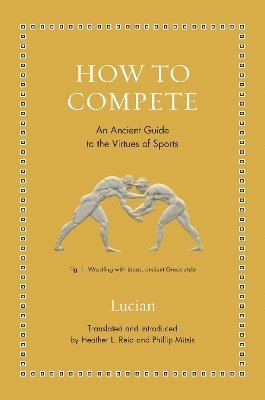
How to Compete
An Ancient Guide to the Virtues of Sports
Inbunden, 2026
176 kr
Lägg i varukorg
An energetic new translation of the ancient Greek satirist Lucian’s humorous and enlightening dialogue on the pros—and cons—of athletics, fitness, and competitionSports and philosophy went hand in hand for the ancient Greeks and Romans, and philosophical conversation was a recognized part of gym …
Olympics and Philosophy
Av Heather L Reid, Michael W Austin
Inbunden, 2012
663 kr
Lägg i varukorg
It is said the champions of the ancient Olympic Games received a crown of olive leaves, symbolizing a divine blessing from Nike, the winged goddess of victory. While the mythology of the ancient games has come to exemplify the highest political, religious, community, and individual ideals of the …
Olympics and Philosophy
Av Michael W. Austin, Heather L. Reid
E-bok, 2012
612 kr
Lägg i varukorg
It is said the champions of the ancient Olympic Games received a crown of olive leaves, symbolizing a divine blessing from Nike, the winged goddess of victory. While the mythology of the ancient games has come to exemplify the highest political, religious, community, and individual ideals of the …
Olympics and Philosophy
Av Michael W. Austin, Heather L. Reid
E-bok, 2012
305 kr
Lägg i varukorg
It is said the champions of the ancient Olympic Games received a crown of olive leaves, symbolizing a divine blessing from Nike, the winged goddess of victory. While the mythology of the ancient games has come to exemplify the highest political, religious, community, and individual ideals of the …
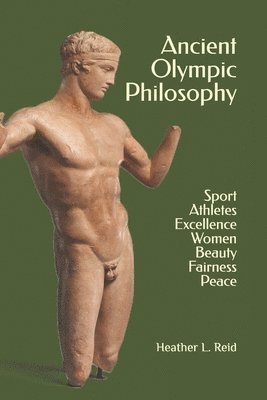
Ancient Olympic Philosophy
Sport, Athletes, Excellence, Education, Women, Beauty, Peace
Häftad, 2025
153 kr
Lägg i varukorg