Heather McPherson - Böcker
Visar alla böcker från författaren Heather McPherson. Handla med fri frakt och snabb leverans.
3 produkter
3 produkter
1 235 kr
Skickas inom 11-20 vardagar
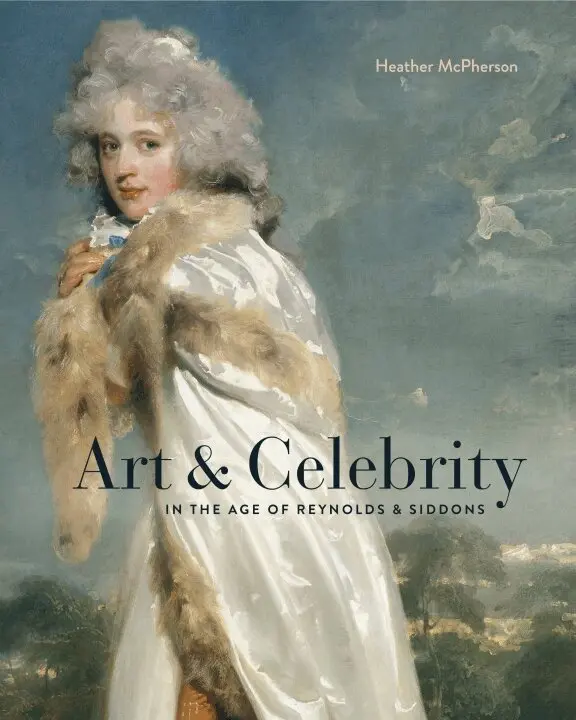
In this volume, Heather McPherson examines the connections among portraiture, theater, the visual arts, and fame to shed light on the emergence of modern celebrity culture in eighteenth-century England.Popular actors in Georgian London, such as David Garrick, Sarah Siddons, and John Philip Kemble, gave larger-than-life performances at Drury Lane and Covent Garden; their offstage personalities garnered as much attention through portraits painted by leading artists, sensational stories in the press, and often-vicious caricatures. Likewise, artists such as Joshua Reynolds and Thomas Lawrence figured prominently outside their studios—in polite society and the emerging public sphere. McPherson considers this increasing interest in theatrical and artistic celebrities and explores the ways in which aesthetics, cultural politics, and consumption combined during this period to form a media-driven celebrity culture that is surprisingly similar to celebrity obsessions in the world today.This richly researched study draws on a wide variety of period sources, from newspaper reviews and satirical pamphlets to caricatures and paintings by Reynolds and Lawrence as well as Thomas Gainsborough, George Romney, and Angelica Kauffman. These transport the reader to eighteenth-century London and the dynamic venues where art and celebrity converged with culture and commerce. Interweaving art history, history of performance, and cultural studies, Art and Celebrity in the Age of Reynolds and Siddons offers important insights into the intersecting worlds of artist and actor, studio and stage, high art and popular visual culture.
149 kr
Skickas inom 10-15 vardagar
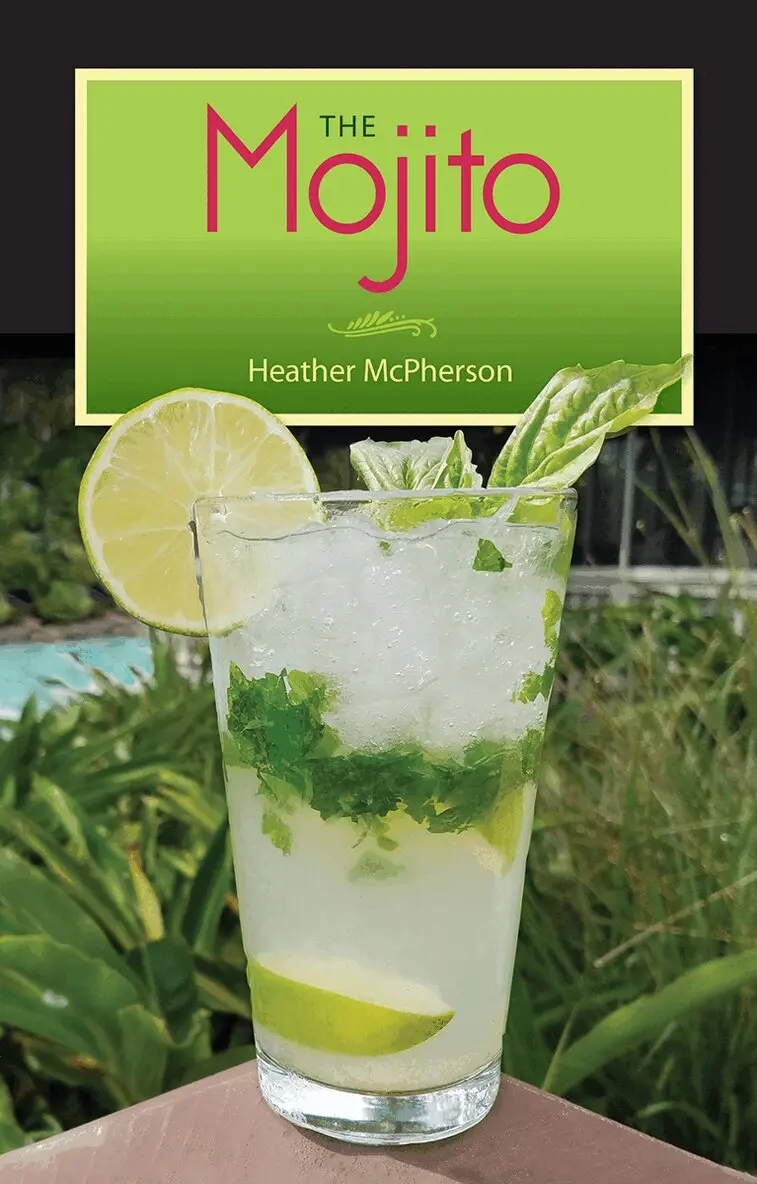
Celebrate the mojito! This book spotlights a favorite Caribbean cocktail that has won a place in bars and eateries across the globe. Food writer Heather McPherson details everything you need to know to make mojito masterpieces, plus flavor-packed variations for every occasion.The basic ingredients are simple--rum, lime, mint, sugar, and club soda. McPherson gives readers the rundown on these five key elements and explains how to make the classic Bacardi mojito, ""the drink that started it all."" But she doesn't stop there. She adds and swaps ingredients like seasonal fruits, herbs, and different rums to show that this versatile beverage knows no bounds. Recipes include a spicy mango mojito with jalapenos, an exotic basil lychee mojito, a sweet and savory peach and rosemary mojito, a moonshine lemonade mojito, and even a hot mojito tea. And it's more than just a drink. The cocktail’s refreshing flavors make for sensational dinners and desserts, too. Readers will enjoy recipes for mojito grilled shrimp salad; mojito marinated pork tenderloin with roasted pineapple chutney; duck breast mojito empanadas; and mojito strip steak with pico de gallo. The book features mojito-inspired sweet treats such as ice pops, frozen custard, cheesecake, cookies, ice box pie, and sugar-kissed meringues.Transforming an irresistible drink in delightful ways, McPherson combines step-by-step instructions with quick tips and pro techniques. She invites readers to juice a lime, muddle some mint, and have fun with these creative recipes at home.
591 kr
Skickas
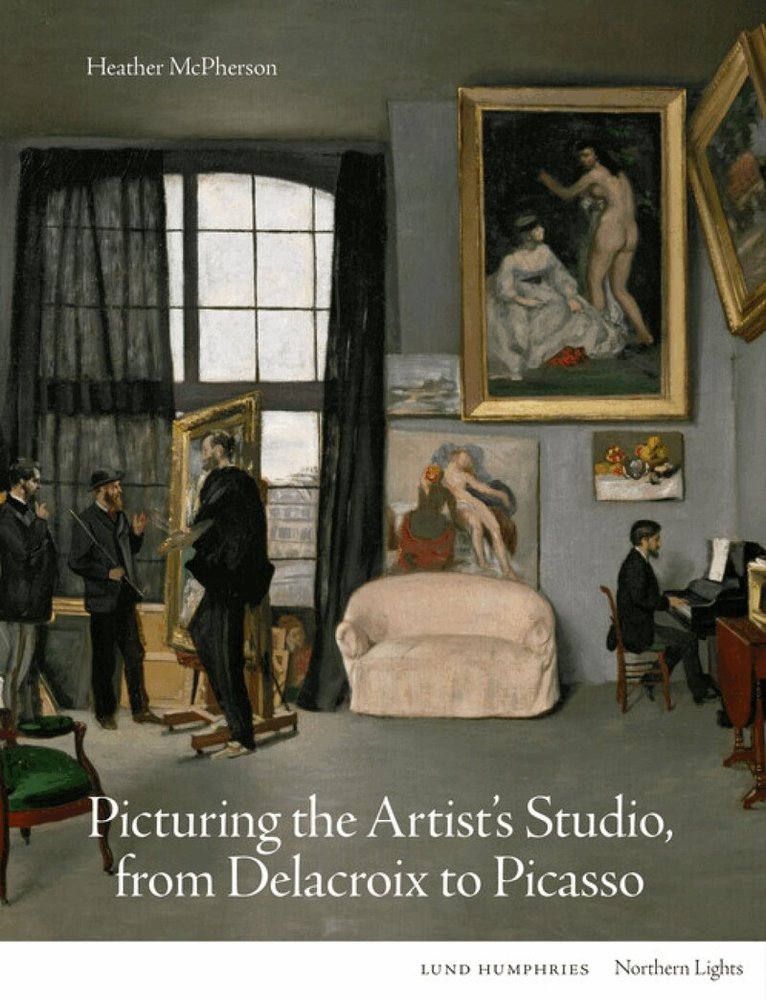
This richly diverse study examines the evolving image and contested status of the artist in late nineteenth-century France through the lens of the artist’s studio, which became a central theme in art and literature, stretching from Balzac to Proust and from Corot to Picasso. The studio was a hybrid space that blurred the distinctions between public and private, professional and domestic, artistic production and display. Besides a material space for art making, the studio was a social and commercial nexus and an extension of the artist’s persona. Drawing on paintings, prints, photographs, and primary sources ranging from memoirs to popular journals, this book sheds new light on the modern studio’s heightened significance as a laboratory of creative struggle and a platform for self-expression and the staging of artistic identity. It elucidates how the concept of the studio as a creative space emblematic of artistic identity, first theorized in the Renaissance, was reinvented and popularized after mid-century as debates about the role of art and the status of the artist intensified. Breaking new ground in focusing on the intersecting issues of artistic identity and the evolving role of the studio as creative arena, social and commercial locus, and informal exhibition space, McPherson allows us to participate in the popular ritual of visiting the artist’s studio.