Heather Murray – författare
Visar alla böcker från författaren Heather Murray. Handla med fri frakt och snabb leverans.
9 produkter
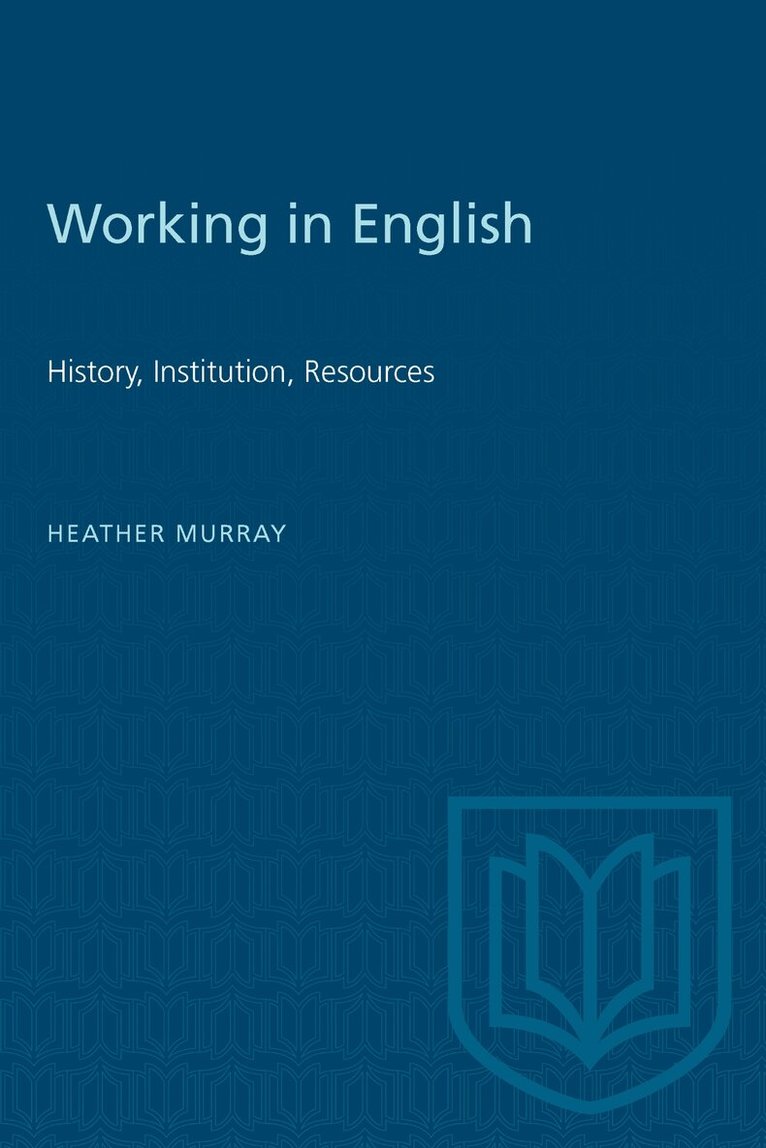
Working in English
History, Institution, Resources
Häftad, 1996
426 kr
Lägg i varukorg
This is an analysis of English studies in higher education, addressed in particular to practitioners in the field – teachers and students. As Heather Murray states in her introduction, those who work in English are likely to have a stronger sense of critical history than of disciplinary history. …
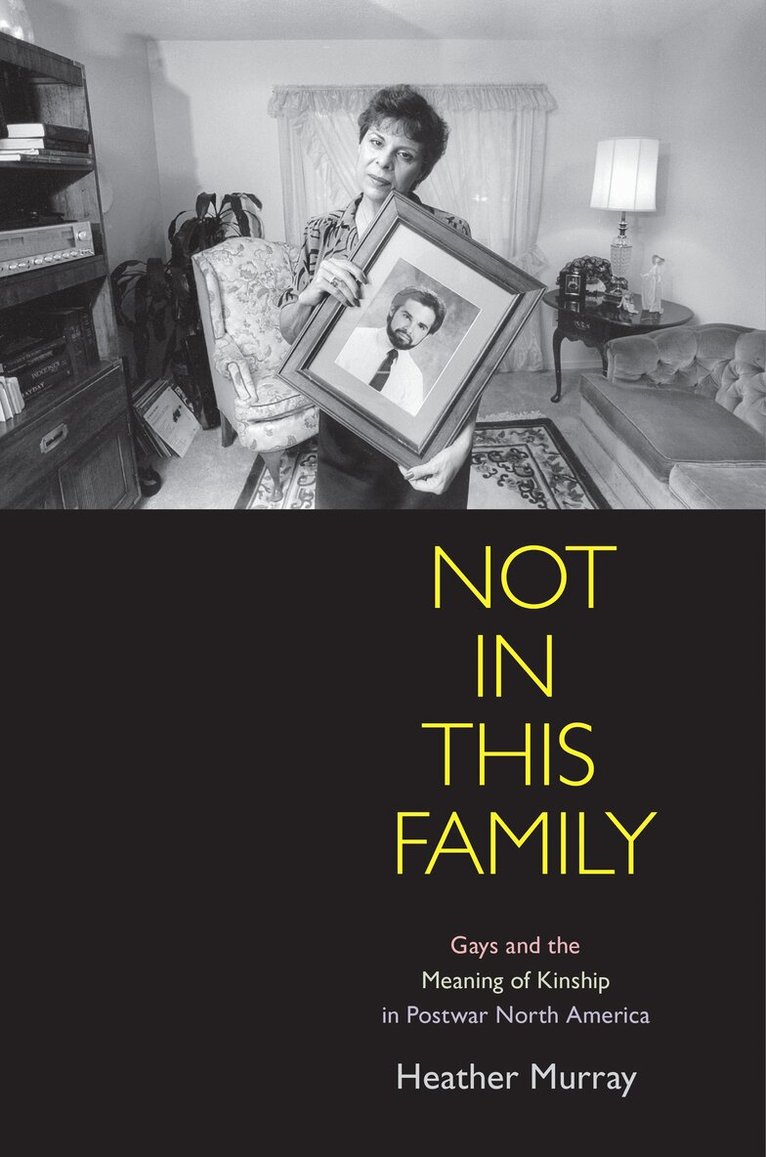
Not in This Family
Gays and the Meaning of Kinship in Postwar North America
E-bok, 2012
489 kr
Lägg i varukorg
Many Americans hold fast to the notion that gay men and women, more often than not, have been ostracized from disapproving families. Not in This Family challenges this myth and shows how kinship ties were an animating force in gay culture, politics, and consciousness throughout the latter half of …
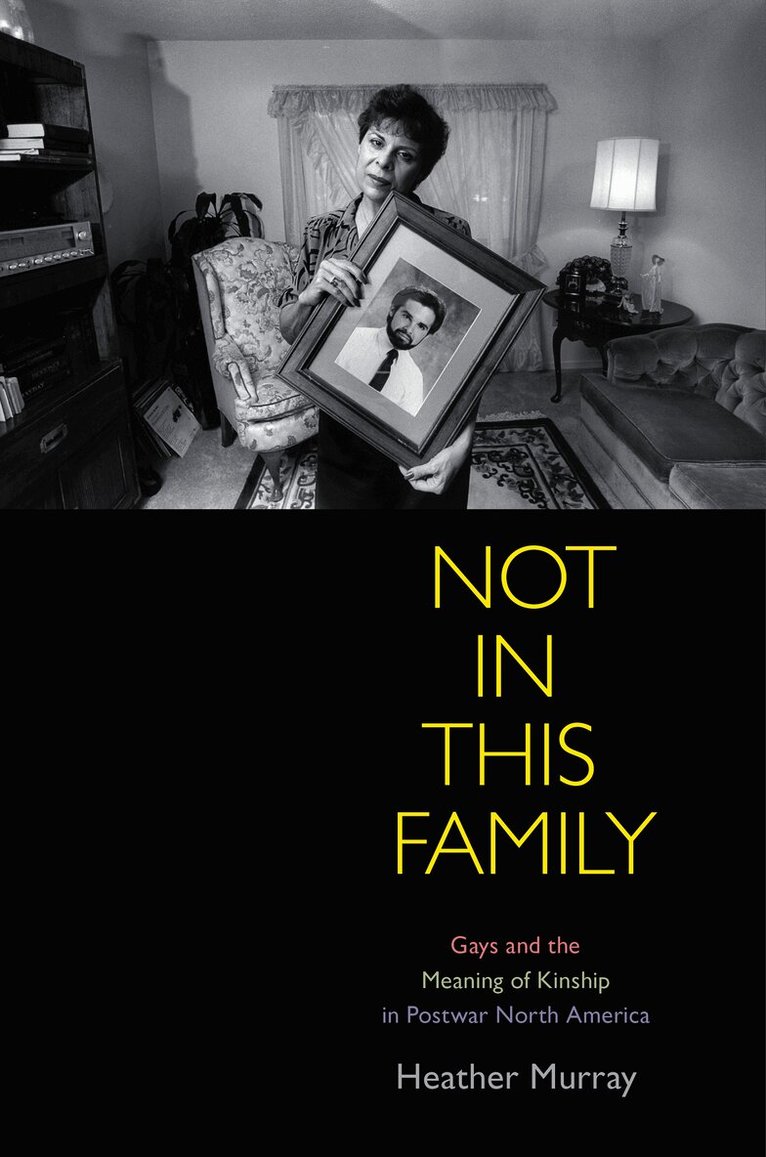
Not in This Family
Gays and the Meaning of Kinship in Postwar North America
Häftad, 2012
388 kr
Lägg i varukorg
Many Americans hold fast to the notion that gay men and women, more often than not, have been ostracized from disapproving families. Not in This Family challenges this myth and shows how kinship ties were an animating force in gay culture, politics, and consciousness throughout the latter half of …
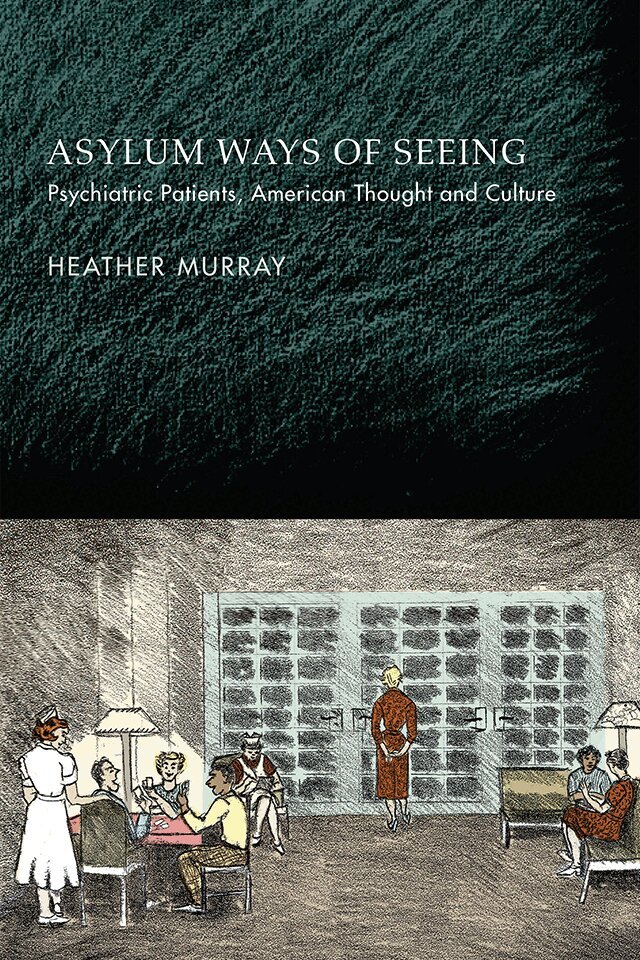
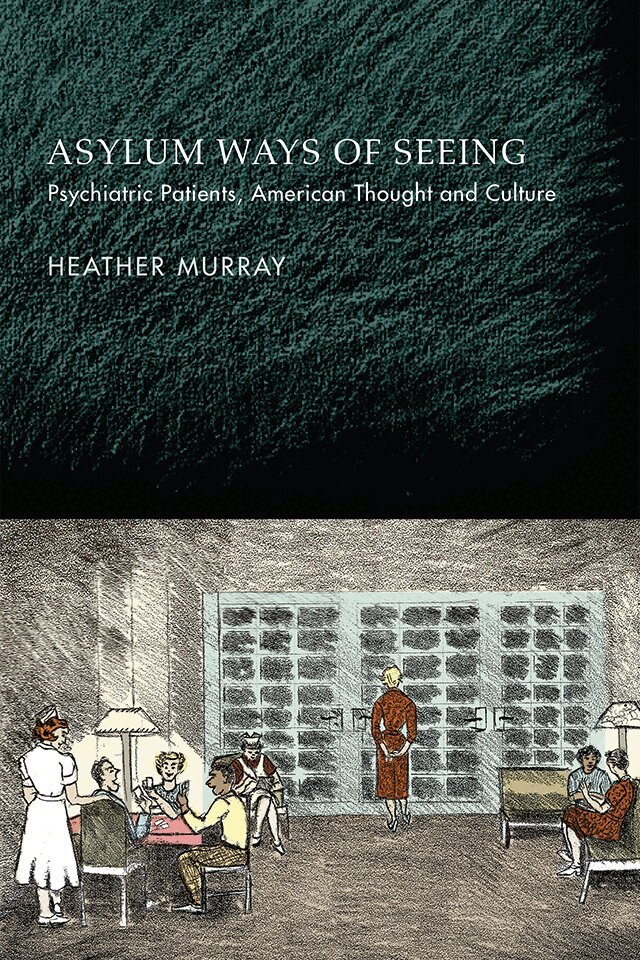
Asylum Ways of Seeing
Psychiatric Patients, American Thought and Culture
Inbunden, 2022
531 kr
Lägg i varukorg
Asylum Ways of Seeing is a cultural and intellectual history of people with mental illnesses in the twentieth-century United States. While acknowledging the fraught, and often violent, histories of American psychiatric hospitals, Heather Murray also suggests that it is in these hospitals that …
Asylum Ways of Seeing
Psychiatric Patients, American Thought and Culture
E-bok, 2022
621 kr
Lägg i varukorg
Asylum Ways of Seeing is a cultural and intellectual history of people with mental illnesses in the twentieth-century United States. While acknowledging the fraught, and often violent, histories of American psychiatric hospitals, Heather Murray also suggests that it is in these hospitals that …
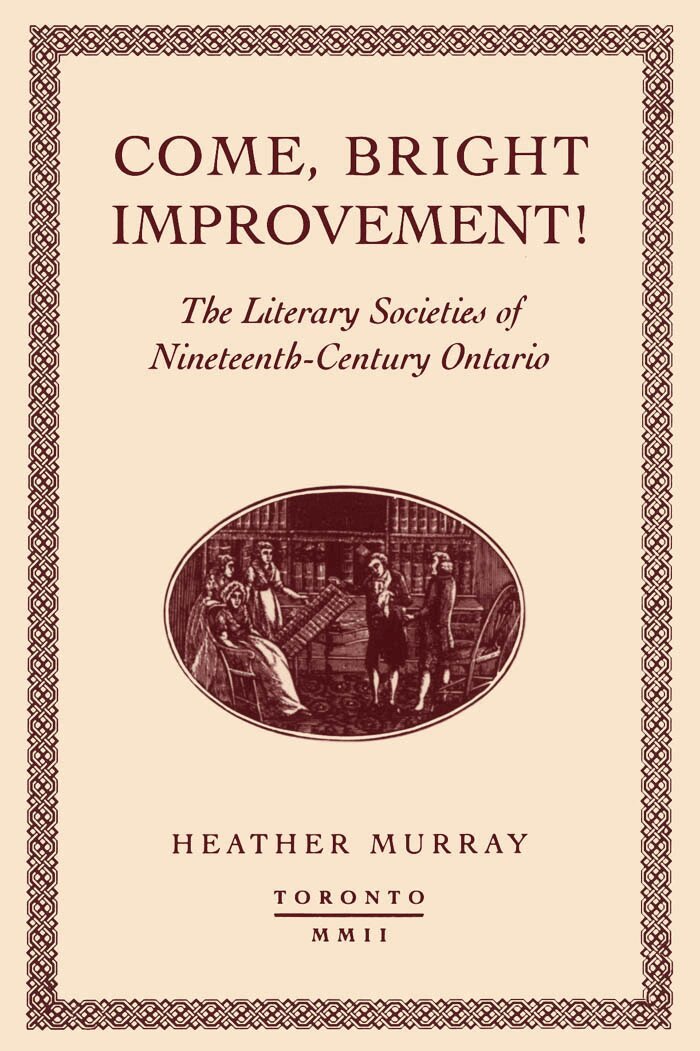
Come, Bright Improvement!
The Literary Societies of Nineteenth-Century Ontario
E-bok, 2002
1302 kr
Lägg i varukorg
The forerunner of today's book clubs, nineteenth-century literary societies provided a lively social and intellectual forum where people could gather and discuss books, cultural affairs, and current events. In Come, bright Improvement! Heather Murray explores the literary societies of Ontario …
Working in English
History, Institution, Resources
E-bok, 1996
532 kr
Lägg i varukorg
This is an analysis of English studies in higher education, addressed in particular to practitioners in the field – teachers and students. As Heather Murray states in her introduction, those who work in English are likely to have a stronger sense of critical history than of disciplinary history. …