Heather Suzanne Woods - Böcker
Visar alla böcker från författaren Heather Suzanne Woods. Handla med fri frakt och snabb leverans.
4 produkter
4 produkter
1 164 kr
Skickas inom 7-10 vardagar
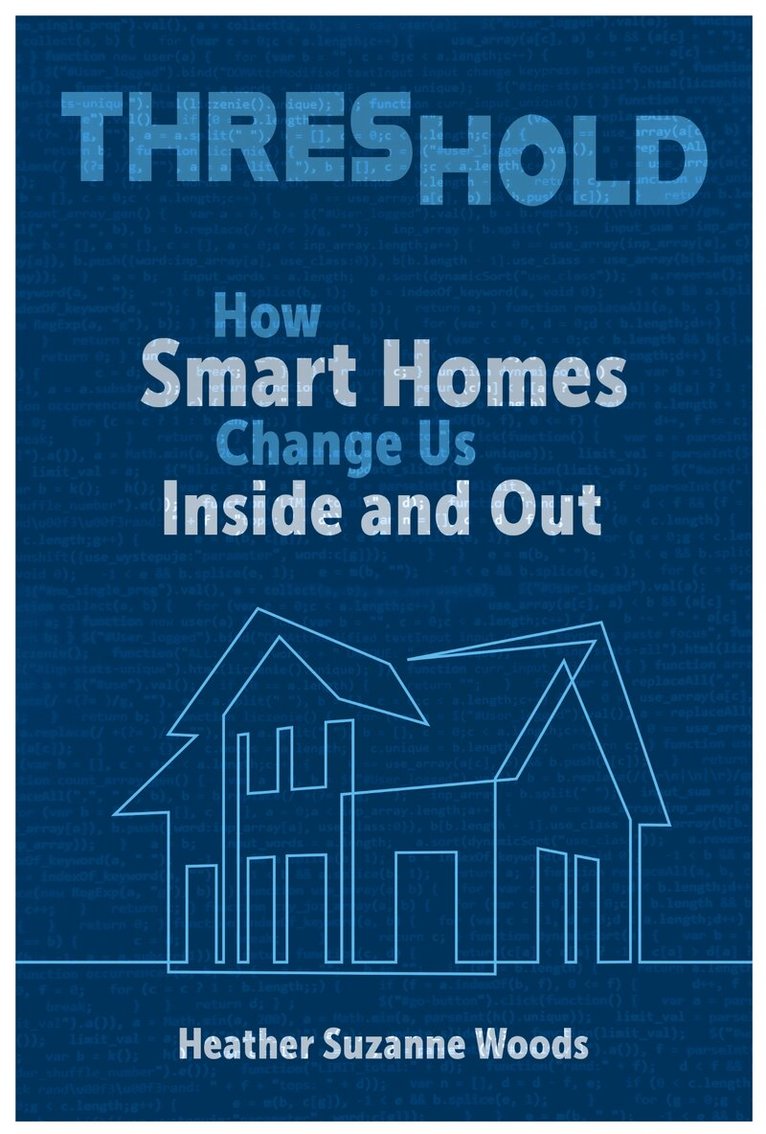
An urgent and cautionary examination of the totalizing effect of smart home technology on the lives of those who live in them—and those who don’tSmart homes are here—domestic spaces bristling with networked technologies that appear to enhance work, entertainment, logistics, health, and security. But these technologies may also extract a cost in attention, money, and privacy. In Threshold, communication and technology expert Heather Suzanne Woods applies rhetorical theory to answer the urgent question of how swiftly proliferating smart homes alter those who inhabit them.Building on extensive research into smart homes in the United States, Woods recounts how smart homes arose and predicts the trajectory of their future form. She pulls back the curtain on the technology, probes who is in control, and questions whether a home can be too smart. She reveals how smart homes incentivize ubiquitous computing as a daily practice, priming smart home occupants for permanent transactional existence largely controlled by corporate interests.Woods suggests a dynamic cultural framework for understanding smart homes that takes into account sociotechnical variables such as gender, class, income, race, criminal justice, and more through which smart homes shape human life. Woods’s framework reveals how smart homes both reflect social norms about technology as well as whet consumer appetites for an ever more totalizing relationship with technology. She argues that this progression leads to “living in digitality,” a cultural state of constant use and reliance on technology.Written for homeowners, policymakers, technology enthusiasts, and scholars, Threshold interweaves meticulously researched critical analysis with matter-of-fact graphics that map relationships between digital tools and social life. Readers will appreciate this bracing assessment of smart technologies that empowers smart home users to make informed decisions about their dwellings.
362 kr
Skickas inom 7-10 vardagar
An urgent and cautionary examination of the totalizing effect of smart home technology on the lives of those who live in them—and those who don’tSmart homes are here—domestic spaces bristling with networked technologies that appear to enhance work, entertainment, logistics, health, and security. But these technologies may also extract a cost in attention, money, and privacy. In Threshold, communication and technology expert Heather Suzanne Woods applies rhetorical theory to answer the urgent question of how swiftly proliferating smart homes alter those who inhabit them.Building on extensive research into smart homes in the United States, Woods recounts how smart homes arose and predicts the trajectory of their future form. She pulls back the curtain on the technology, probes who is in control, and questions whether a home can be too smart. She reveals how smart homes incentivize ubiquitous computing as a daily practice, priming smart home occupants for permanent transactional existence largely controlled by corporate interests.Woods suggests a dynamic cultural framework for understanding smart homes that takes into account sociotechnical variables such as gender, class, income, race, criminal justice, and more through which smart homes shape human life. Woods’s framework reveals how smart homes both reflect social norms about technology as well as whet consumer appetites for an ever more totalizing relationship with technology. She argues that this progression leads to “living in digitality,” a cultural state of constant use and reliance on technology.Written for homeowners, policymakers, technology enthusiasts, and scholars, Threshold interweaves meticulously researched critical analysis with matter-of-fact graphics that map relationships between digital tools and social life. Readers will appreciate this bracing assessment of smart technologies that empowers smart home users to make informed decisions about their dwellings.
Del 45 - Frontiers in Political Communication
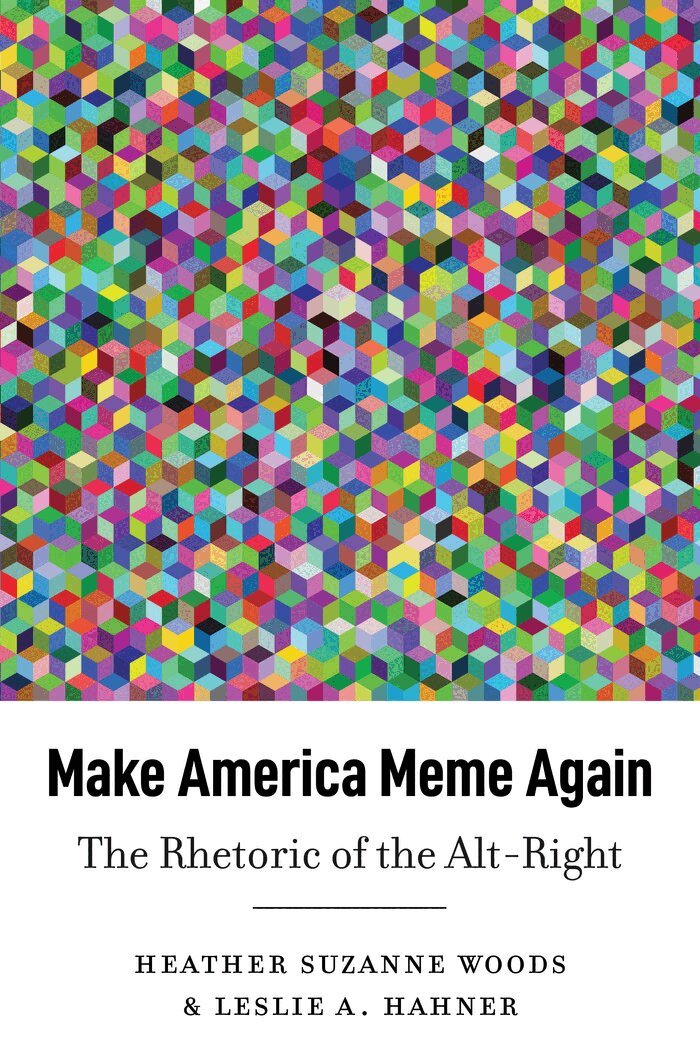
Make America Meme Again
The Rhetoric of the Alt-Right
Inbunden, Engelska, 2019
926 kr
Skickas inom 5-8 vardagar
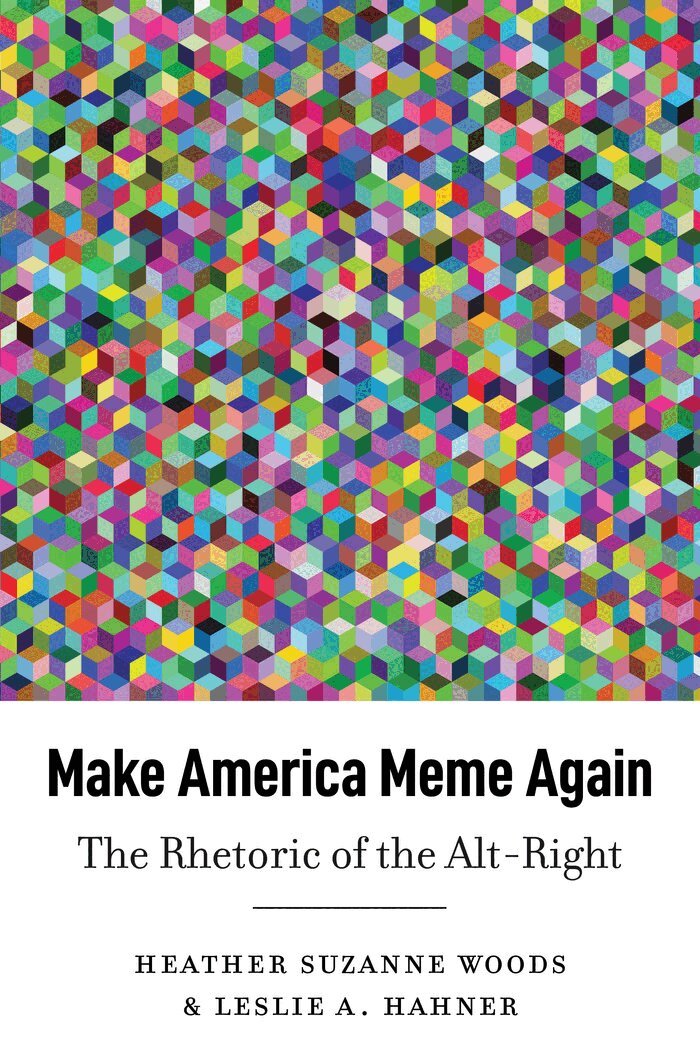
As demonstrated by the 2016 presidential election, memes have become the suasory tactic par excellence for the promotional and recruitment efforts of the Alt-right. Memes are not simply humorous shorthands or pithy assertions, but play a significant role in the machinations of politics and how the public comes to understand and respond to their government and compatriots. Using the tools of rhetorical criticism, the authors detail how memetic persuasion operates, with a particular focus on the 2016 election of Donald J. Trump. Make America Meme Again reveals the rhetorical principles used to design Alt-right memes, outlining the myriad ways memes lure mainstream audiences to a number of extremist claims. In particular, this book argues that Alt-right memes impact the culture of digital boards and broader public culture by stultifying discourse, thereby shaping how publics congeal. The authors demonstrate that memes are a mechanism that proliferate white nationalism and exclusionary politics by spreading algorithmically through network cultures in ways that are often difficult to discern. Alt-right memes thus present a significant threat to democratic praxis, one that can begin to be combatted through a rigorous rhetorical analysis of their power and influence. Make America Meme Again illuminates the function of networked persuasion for scholars and practitioners of rhetoric, media, and communication; political theorists; digital humanists; and anyone who has ever seen, crafted, or proliferated a meme.
Del 45 - Frontiers in Political Communication
Make America Meme Again
The Rhetoric of the Alt-Right
Häftad, Engelska, 2020
432 kr
Skickas inom 5-8 vardagar
As demonstrated by the 2016 presidential election, memes have become the suasory tactic par excellence for the promotional and recruitment efforts of the Alt-right. Memes are not simply humorous shorthands or pithy assertions, but play a significant role in the machinations of politics and how the public comes to understand and respond to their government and compatriots. Using the tools of rhetorical criticism, the authors detail how memetic persuasion operates, with a particular focus on the 2016 election of Donald J. Trump. Make America Meme Again reveals the rhetorical principles used to design Alt-right memes, outlining the myriad ways memes lure mainstream audiences to a number of extremist claims. In particular, this book argues that Alt-right memes impact the culture of digital boards and broader public culture by stultifying discourse, thereby shaping how publics congeal. The authors demonstrate that memes are a mechanism that proliferate white nationalism and exclusionary politics by spreading algorithmically through network cultures in ways that are often difficult to discern. Alt-right memes thus present a significant threat to democratic praxis, one that can begin to be combatted through a rigorous rhetorical analysis of their power and influence. Make America Meme Again illuminates the function of networked persuasion for scholars and practitioners of rhetoric, media, and communication; political theorists; digital humanists; and anyone who has ever seen, crafted, or proliferated a meme.