Heather Vrana – författare
Visar alla böcker från författaren Heather Vrana. Handla med fri frakt och snabb leverans.
5 produkter
This City Belongs to You
A History of Student Activism in Guatemala, 1944-1996
Inbunden, 2017
1190 kr
Lägg i varukorg
Between 1944 and 1996, Guatemala experienced a revolution, counterrevolution, and civil war. Playing a pivotal role within these national shifts were students from Guatemala's only public university, the University of San Carlos (USAC). USAC students served in, advised, protested, and were later …
This City Belongs to You
A History of Student Activism in Guatemala, 1944-1996
Häftad, 2017
456 kr
Lägg i varukorg
Between 1944 and 1996, Guatemala experienced a revolution, counterrevolution, and civil war. Playing a pivotal role within these national shifts were students from Guatemala's only public university, the University of San Carlos (USAC). USAC students served in, advised, protested, and were later …
This City Belongs to You
A History of Student Activism in Guatemala, 1944-1996
E-bok, 2017
524 kr
Lägg i varukorg
Between 1944 and 1996, Guatemala experienced a revolution, counterrevolution, and civil war. Playing a pivotal role within these national shifts were students from Guatemala’s only public university, the University of San Carlos (USAC). USAC students served in, advised, protested, and were later …
Histories of Disability in Latin America
Av Heather Vrana, Heather Vrana m. fl.
Häftad, 2026
770 kr
Lägg i varukorg
Reframing disability, power, and identity in Latin America's complex histories.Histories of Disability in Latin America offers a sweeping reexamination of disability's place in the region's past, bringing together original scholarship by historians and anthropologists to illuminate how bodies, …
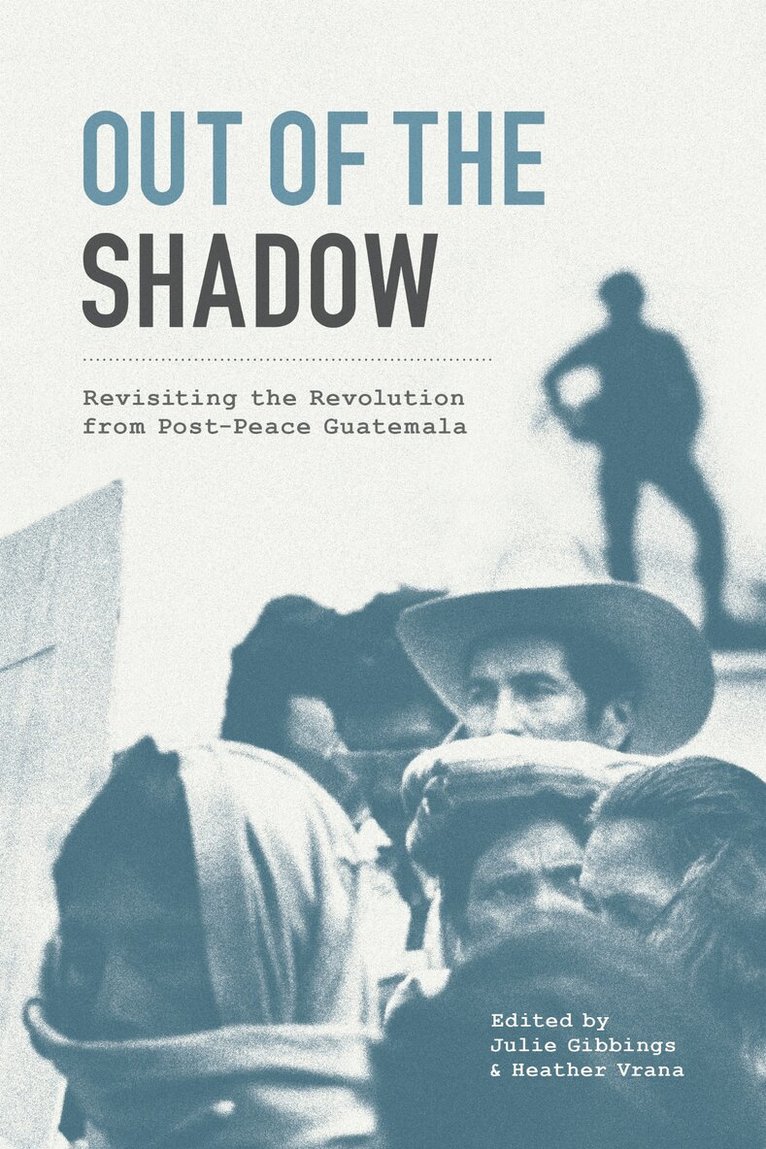
Out of the Shadow
Revisiting the Revolution from Post-Peace Guatemala
Av Julie Gibbings, Heather Vrana
Inbunden, 2020
536 kr
Lägg i varukorg
Guatemala’s “Ten Years of Spring” (1944–1954) began when citizens overthrew a military dictatorship and ushered in a remarkable period of social reform. This decade of progressive policies ended abruptly when a coup d’État, backed by the United States at the urging of the United Fruit Company, …