Heather Wiebe – författare
Visar alla böcker från författaren Heather Wiebe. Handla med fri frakt och snabb leverans.
6 produkter
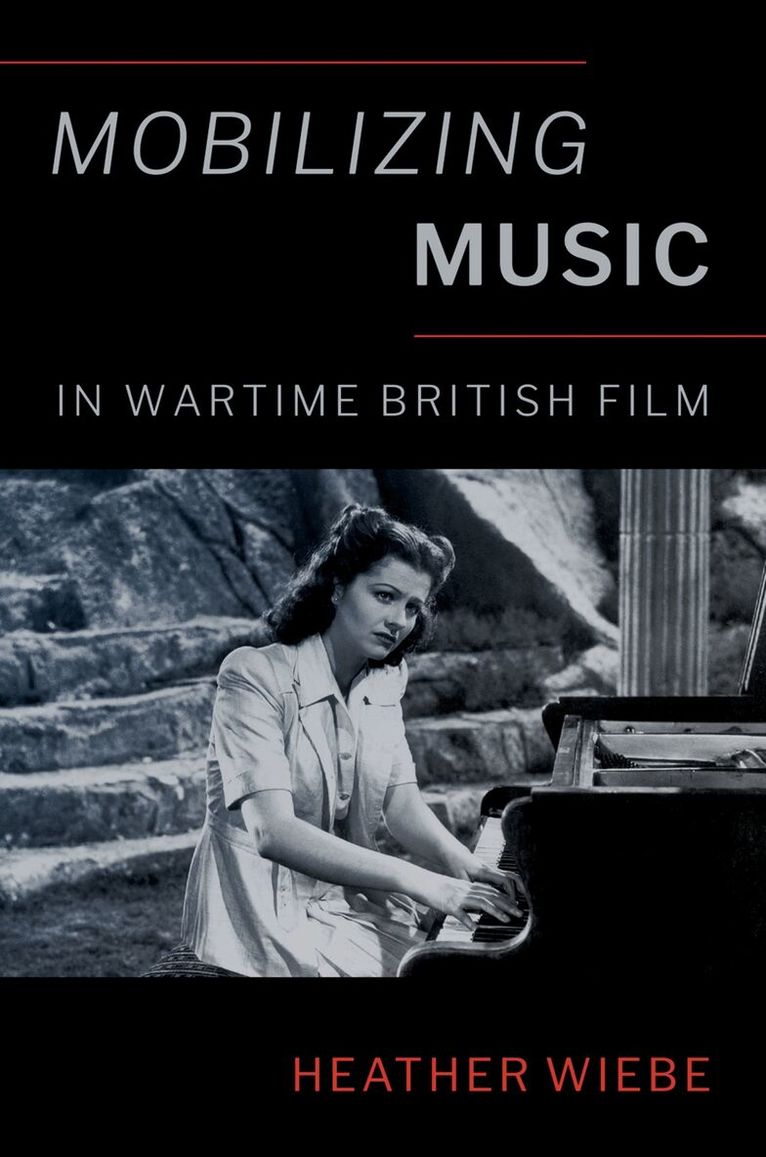
Mobilizing Music in Wartime British Film
Inbunden, 2024
1270 kr
Lägg i varukorg
InMobilizing Music in Wartime British Film,author Heather Wiebe traces a preoccupation with art music and total war that animated British films of the 1940s. In acclaimed films such asThe Red ShoesandBrief Encounteras well as experimental documentaries, colonial propaganda films, and largely …
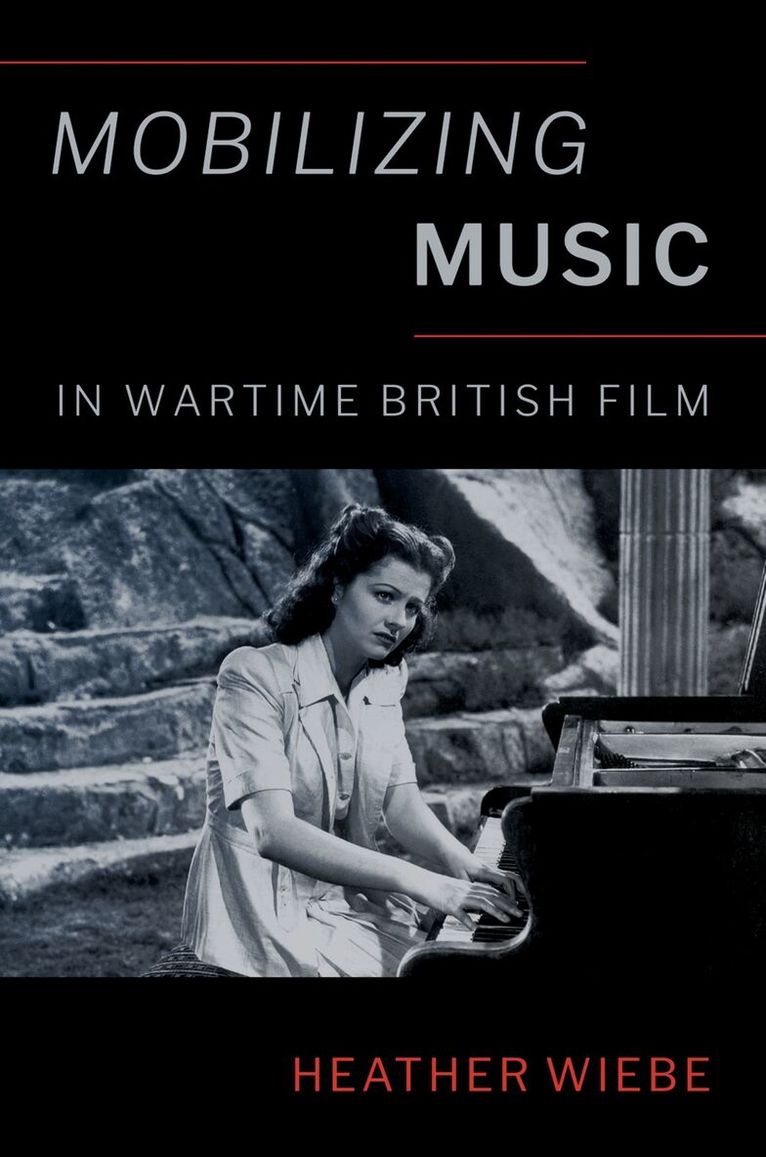
Mobilizing Music in Wartime British Film
Häftad, 2024
448 kr
Lägg i varukorg
InMobilizing Music in Wartime British Film,author Heather Wiebe traces a preoccupation with art music and total war that animated British films of the 1940s. In acclaimed films such asThe Red ShoesandBrief Encounteras well as experimental documentaries, colonial propaganda films, and largely …
Mobilizing Music in Wartime British Film
E-bok, 2024
462 kr
Lägg i varukorg
In Mobilizing Music in Wartime British Film, author Heather Wiebe traces a preoccupation with art music and total war that animated British films of the 1940s. In acclaimed films such as The Red Shoes and Brief Encounter as well as experimental documentaries, colonial propaganda films, and largely …
Mobilizing Music in Wartime British Film
E-bok, 2024
472 kr
Lägg i varukorg
In Mobilizing Music in Wartime British Film, author Heather Wiebe traces a preoccupation with art music and total war that animated British films of the 1940s. In acclaimed films such as The Red Shoes and Brief Encounter as well as experimental documentaries, colonial propaganda films, and largely …
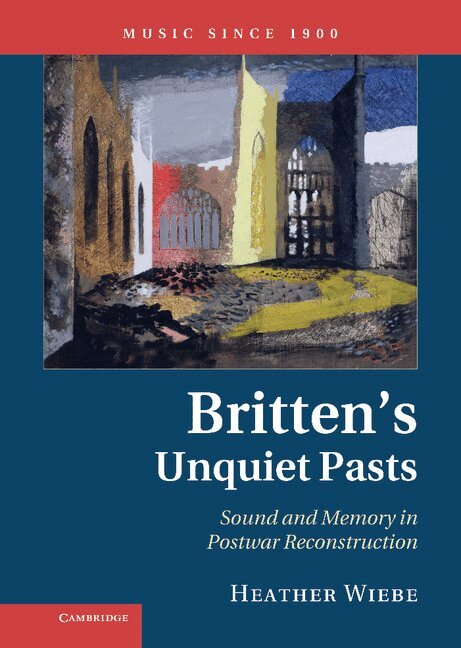
Britten's Unquiet Pasts
Sound and Memory in Postwar Reconstruction
Inbunden, 2012
1677 kr
Lägg i varukorg
Examining the intersections between musical culture and a British project of reconstruction from the 1940s to the early 1960s, this study asks how gestures toward the past negotiated issues of recovery and renewal. In the wake of the Second World War, music became a privileged site for …
Britten's Unquiet Pasts
Sound and Memory in Postwar Reconstruction
Häftad, 2015
574 kr
Lägg i varukorg
Examining the intersections between musical culture and a British project of reconstruction from the 1940s to the early 1960s, this study asks how gestures toward the past negotiated issues of recovery and renewal. In the wake of the Second World War, music became a privileged site for …