Hector Amaya - Böcker
Visar alla böcker från författaren Hector Amaya. Handla med fri frakt och snabb leverans.
6 produkter
6 produkter
912 kr
Skickas inom 10-15 vardagar
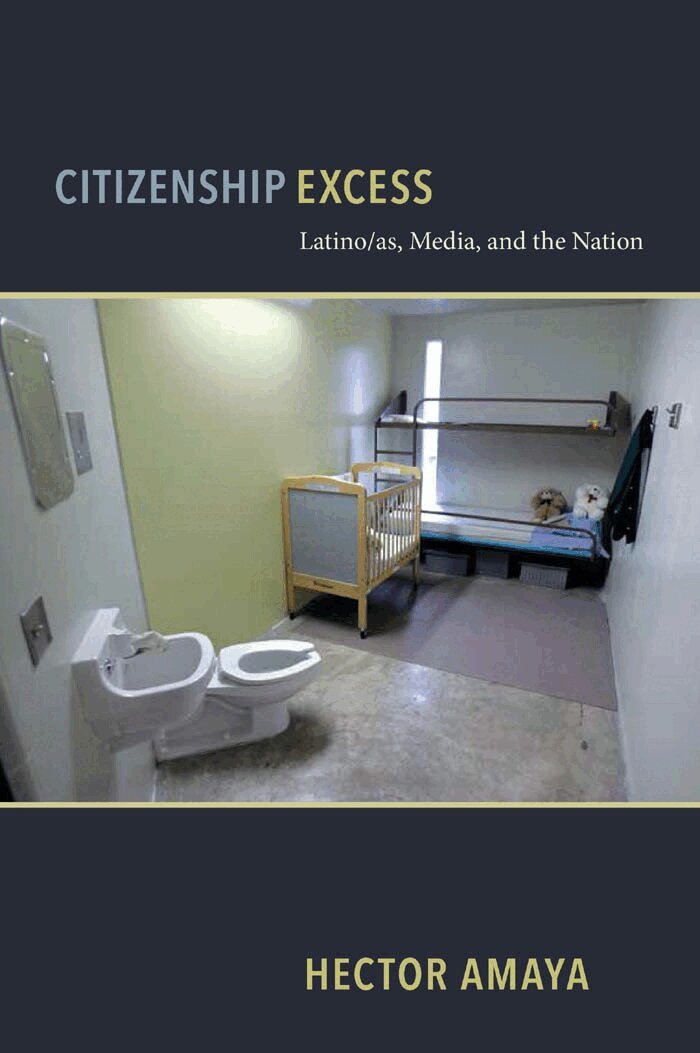
"Drawing on the Athenian tradition of 'wielding citizenship as a weapon to defend a contingently defined polis,' Hector Amaya has crafted an elegant and sophisticated analysis of the contemporary policies designed to contain and criminalize Latina/os. Citizenship Excess demonstrates that he is one of the leading Latina/o Media Scholars today." —Angharad N. Valdivia, General Editor of the International Encyclopedia of Media Studies and author of Latina/osDrawing on contemporary conflicts between Latino/as and anti-immigrant forces, Citizenship Excess illustrates the limitations of liberalism as expressed through U.S. media channels. Inspired by Latin American critical scholarship on the "coloniality of power," Amaya demonstrates that nativists use the privileges associated with citizenship to accumulate power. That power is deployed to aggressively shape politics, culture, and the law, effectively undermining Latino/as who are marked by the ethno-racial and linguistic difference that nativists love to hate. Yet these social characteristics present crucial challenges to the political, legal, and cultural practices that define citizenship.Amaya examines the role of ethnicity and language in shaping the mediated public sphere through cases ranging from the participation of Latino/as in the Iraqi war and pro-immigration reform marches to labor laws restricting Latino/a participation in English-language media and news coverage of undocumented immigrant detention centers. Citizenship Excess demonstrates that the evolution of the idea of citizenship in the United States and the political and cultural practices that define it are intricately intertwined with nativism.
361 kr
Skickas inom 7-10 vardagar
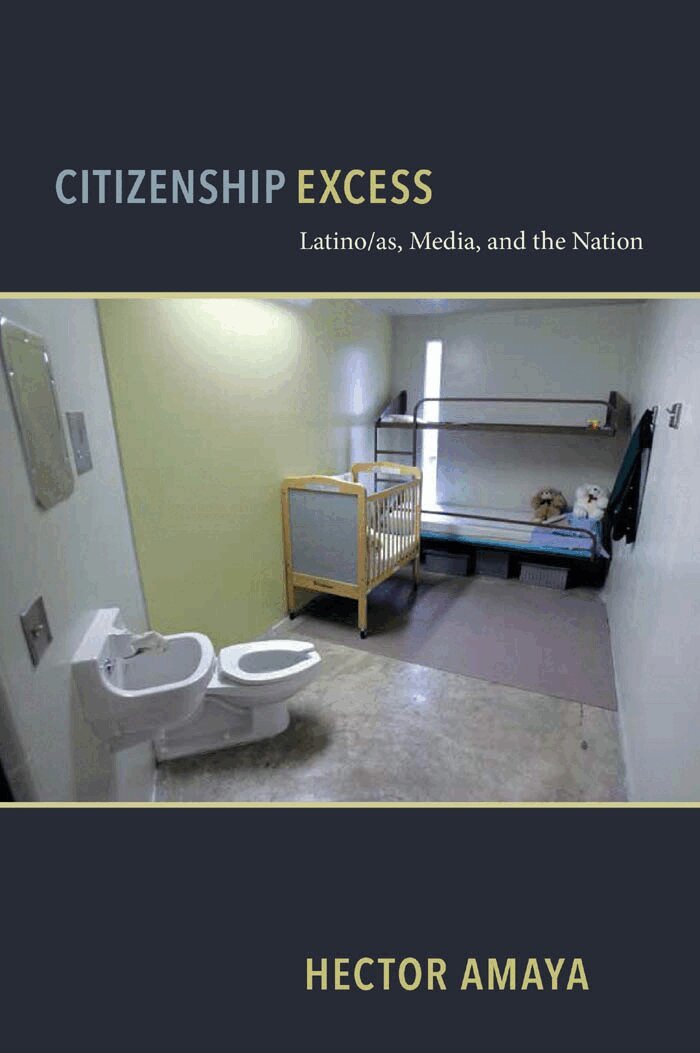
"Drawing on the Athenian tradition of 'wielding citizenship as a weapon to defend a contingently defined polis,' Hector Amaya has crafted an elegant and sophisticated analysis of the contemporary policies designed to contain and criminalize Latina/os. Citizenship Excess demonstrates that he is one of the leading Latina/o Media Scholars today." —Angharad N. Valdivia, General Editor of the International Encyclopedia of Media Studies and author of Latina/osDrawing on contemporary conflicts between Latino/as and anti-immigrant forces, Citizenship Excess illustrates the limitations of liberalism as expressed through U.S. media channels. Inspired by Latin American critical scholarship on the "coloniality of power," Amaya demonstrates that nativists use the privileges associated with citizenship to accumulate power. That power is deployed to aggressively shape politics, culture, and the law, effectively undermining Latino/as who are marked by the ethno-racial and linguistic difference that nativists love to hate. Yet these social characteristics present crucial challenges to the political, legal, and cultural practices that define citizenship.Amaya examines the role of ethnicity and language in shaping the mediated public sphere through cases ranging from the participation of Latino/as in the Iraqi war and pro-immigration reform marches to labor laws restricting Latino/a participation in English-language media and news coverage of undocumented immigrant detention centers. Citizenship Excess demonstrates that the evolution of the idea of citizenship in the United States and the political and cultural practices that define it are intricately intertwined with nativism.
1 521 kr
Skickas inom 7-10 vardagar
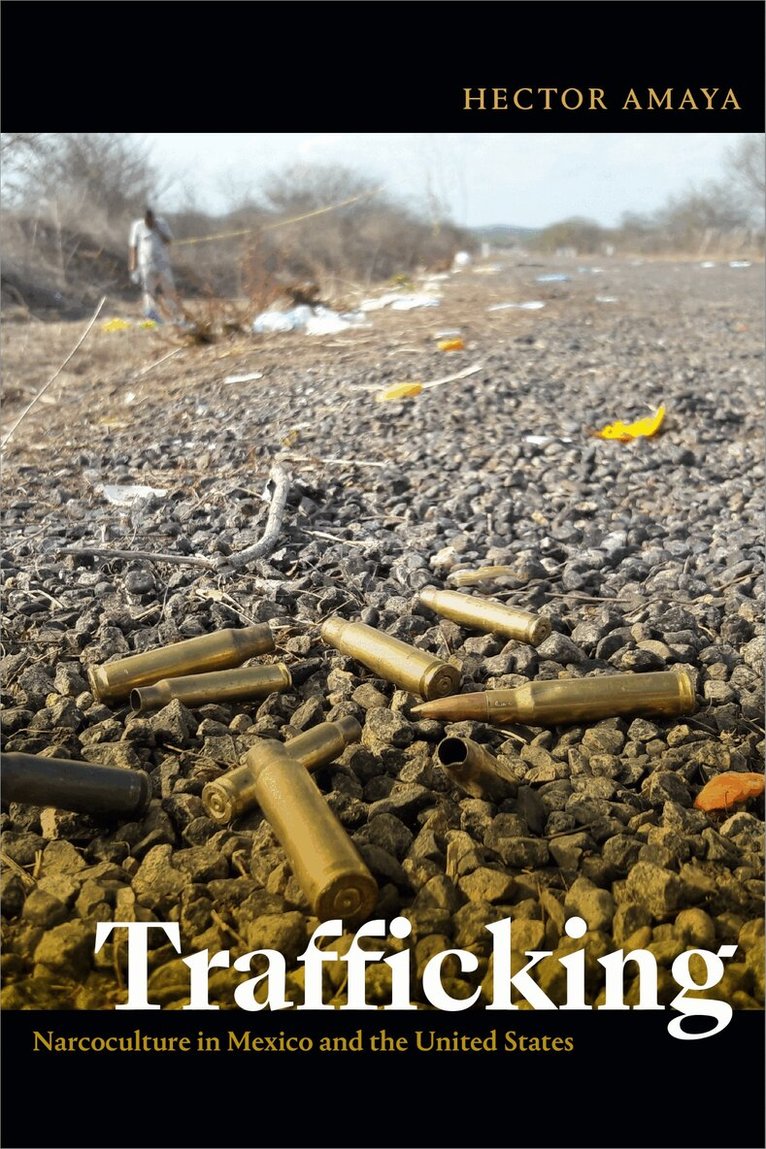
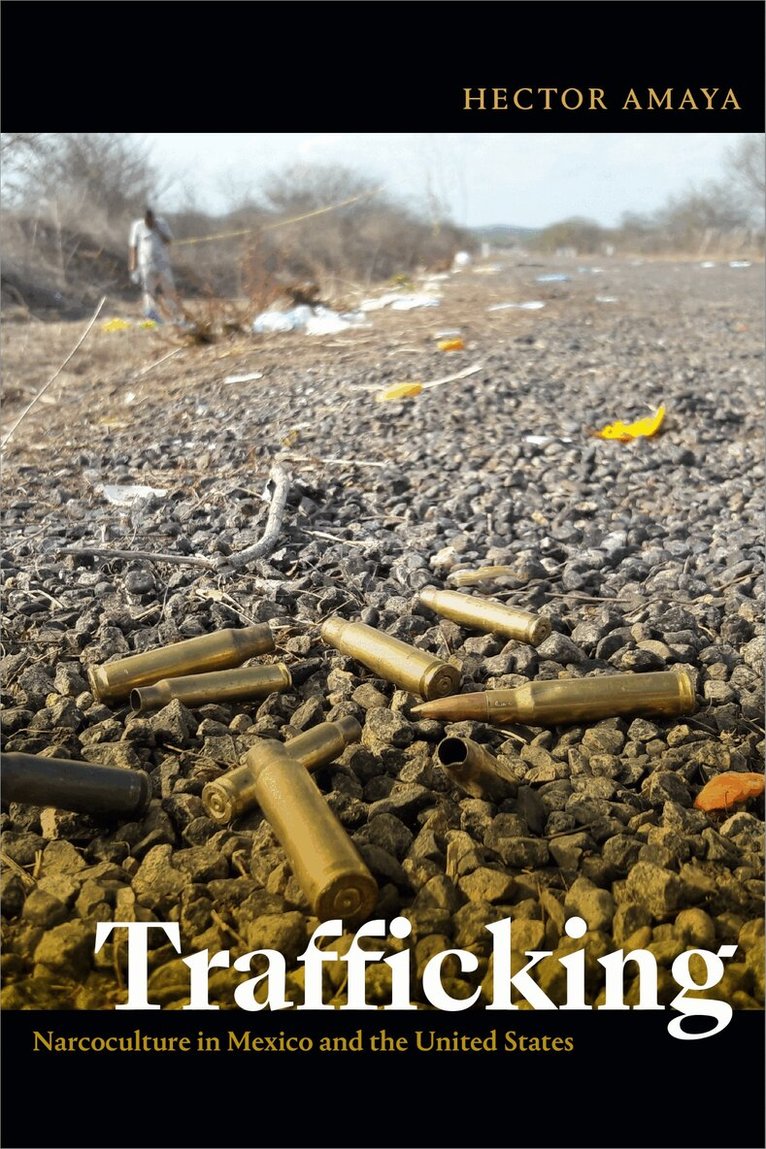
In Trafficking Hector Amaya examines how the dramatic escalation of drug violence in Mexico in 2008 prompted new forms of participation in public culture in Mexico and the United States. He contends that, by becoming a site of national and transnational debate about the role of the state, this violence altered the modes publicness could take, transforming assumptions about freedom of expression and the rules of public participation. Amaya examines the practices of narcocorrido musicians who take advantage of digital production and distribution technologies to escape Mexican censors and to share music across the US-Mexico border, as well as anonymous bloggers whose coverage of trafficking and violence from a place of relative safety made them public heroes. These new forms of being in the public sphere, Amaya demonstrates, evolved to exceed the bounds of the state and traditional media sources, signaling the inadequacy of democratic theories of freedom and publicness to understand how violence shapes public discourse.
372 kr
Skickas inom 7-10 vardagar
In Trafficking Hector Amaya examines how the dramatic escalation of drug violence in Mexico in 2008 prompted new forms of participation in public culture in Mexico and the United States. He contends that, by becoming a site of national and transnational debate about the role of the state, this violence altered the modes publicness could take, transforming assumptions about freedom of expression and the rules of public participation. Amaya examines the practices of narcocorrido musicians who take advantage of digital production and distribution technologies to escape Mexican censors and to share music across the US-Mexico border, as well as anonymous bloggers whose coverage of trafficking and violence from a place of relative safety made them public heroes. These new forms of being in the public sphere, Amaya demonstrates, evolved to exceed the bounds of the state and traditional media sources, signaling the inadequacy of democratic theories of freedom and publicness to understand how violence shapes public discourse.
1 698 kr
Skickas inom 7-10 vardagar
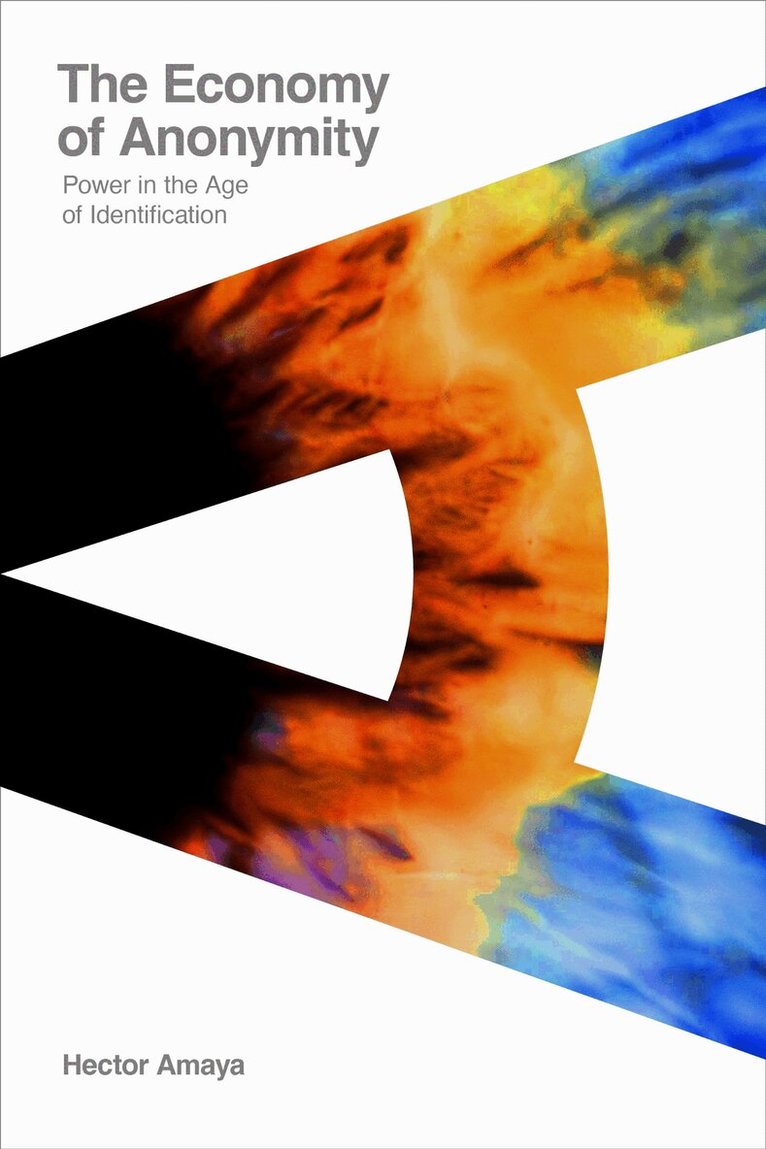
We use avatars to play videogames. We use pseudonyms on social media. We use VPNs to mask our identities and activities. In the digital realm, anonymity is everywhere, a persistent option for those who wish to hide, experiment, and deceive. But we are anonymous in more contexts than the digital. In urban settings, we routinely experience the anonymity of the crowd, and routinely use anonymity to participate in political life and social protests. Anonymity matters. This book is a wager that we can learn much about society, humanity, and power by analyzing the structural tensions and possibilities of anonymity, and by analyzing how the economy of anonymity is changing in a modernity defined by computation. While many have explored the connections between surveillance, datafication, and privacy, relatively little has been done to theorize anonymity and its critical role in our lives. This book rebalances our intellectual investments by expanding our understandings of anonymity. Putting the work of Gloria Anzaldúa and Bernhard Siegert into conversation, Hector Amaya examines the contours of anonymity in different social domains—in relationship to individuals, institutions, and contexts; to epistemology and ontology; and to history and society. As the book shows, anonymity entails paradoxical possibilities—sometimes anonymity is experienced as freedom and other times as powerlessness, or subjugation.
399 kr
Skickas
We use avatars to play videogames. We use pseudonyms on social media. We use VPNs to mask our identities and activities. In the digital realm, anonymity is everywhere, a persistent option for those who wish to hide, experiment, and deceive. But we are anonymous in more contexts than the digital. In urban settings, we routinely experience the anonymity of the crowd, and routinely use anonymity to participate in political life and social protests. Anonymity matters. This book is a wager that we can learn much about society, humanity, and power by analyzing the structural tensions and possibilities of anonymity, and by analyzing how the economy of anonymity is changing in a modernity defined by computation. While many have explored the connections between surveillance, datafication, and privacy, relatively little has been done to theorize anonymity and its critical role in our lives. This book rebalances our intellectual investments by expanding our understandings of anonymity. Putting the work of Gloria Anzaldúa and Bernhard Siegert into conversation, Hector Amaya examines the contours of anonymity in different social domains—in relationship to individuals, institutions, and contexts; to epistemology and ontology; and to history and society. As the book shows, anonymity entails paradoxical possibilities—sometimes anonymity is experienced as freedom and other times as powerlessness, or subjugation.