Hector M. Patmore – författare
Visar alla böcker från författaren Hector M. Patmore. Handla med fri frakt och snabb leverans.
7 produkter
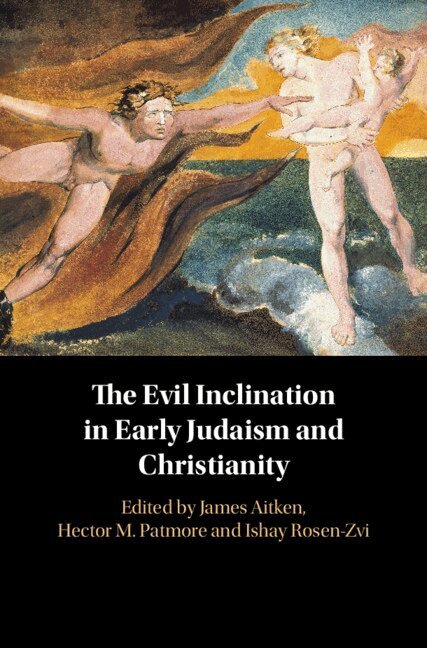
The Evil Inclination in Early Judaism and Christianity
Av Ishay Rosen-Zvi, James Aitken m. fl.
Inbunden, 2021
1402 kr
Lägg i varukorg
One of the central concepts in rabbinic Judaism is the notion of the Evil Inclination, which appears to be related to similar concepts in ancient Christianity and the wider late antique world. The precise origins and understanding of the idea, however, are unknown. This volume traces the …
Evil Inclination in Early Judaism and Christianity
Av Ishay Rosen-Zvi, Hector M. Patmore m. fl.
E-bok, 2021
1418 kr
Lägg i varukorg
Evil Inclination in Early Judaism and Christianity
Av Ishay Rosen-Zvi, Hector M. Patmore m. fl.
E-bok, 2021
1387 kr
Lägg i varukorg
One of the central concepts in rabbinic Judaism is the notion of the Evil Inclination, which appears to be related to similar concepts in ancient Christianity and the wider late antique world. The precise origins and understanding of the idea, however, are unknown. This volume traces the …
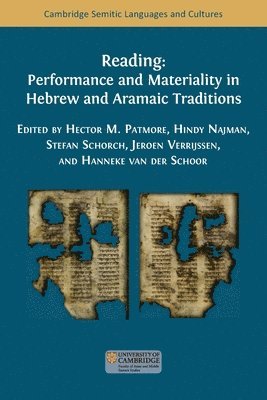
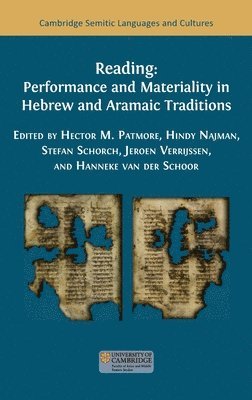
Reading: Performance and Materiality in Hebrew and Aramaic Traditions
Av Hector M. Patmore, Hindy Najman
Häftad, 2025
525 kr
Lägg i varukorg
Reading: Performance and Materiality in Hebrew and Aramaic Traditions
Av Hector M. Patmore, Hindy Najman
Inbunden, 2025
712 kr
Lägg i varukorg
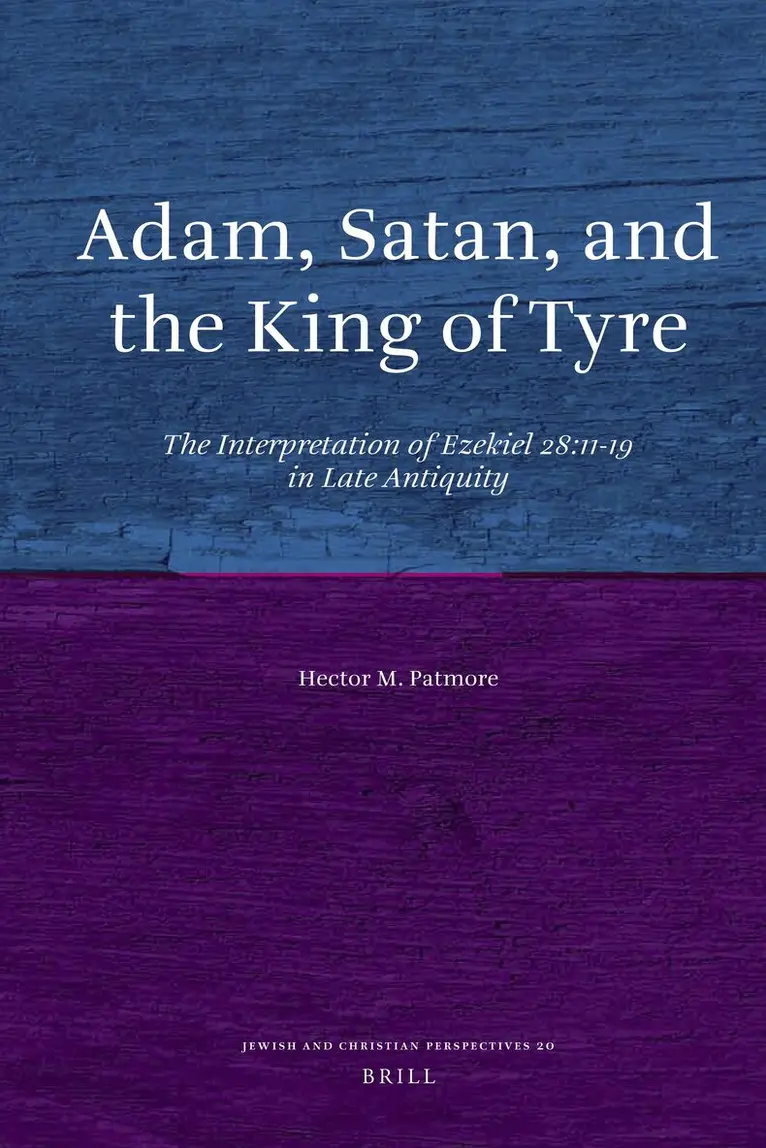
Adam, Satan, and the King of Tyre
The Interpretation of Ezekiel 28:11-19 in Late Antiquity
Inbunden, 2012
2425 kr
Lägg i varukorg
The oracle against the King of Tyre, found in Ezekiel 28.12-19, is a difficult text that inspired diverse interpretations in Late Antiquity. For example, according to one rabbinic tradition the text spoke of the first man, Adam, while the Church Fathers found in the same text a description of the …
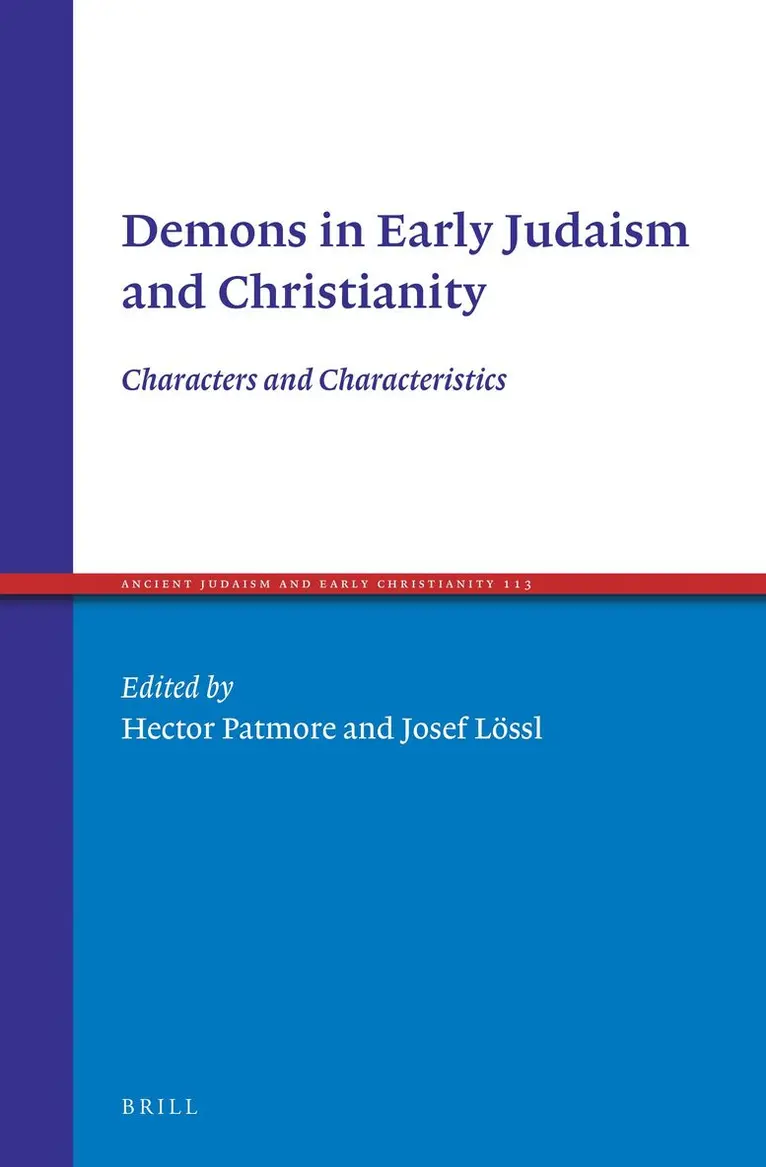
Demons in Early Judaism and Christianity
Characters and Characteristics
Inbunden, 2022
2400 kr
Lägg i varukorg
For Jews and Christians in Antiquity beliefs about demons were integral to their reflections on fundamental theological questions, but what kind of ‘being’ did they consider demons to be? To what extent were they thought to be embodied? Were demons thought of as physical entities or merely as …