Heidi Hart - Böcker
Visar alla böcker från författaren Heidi Hart. Handla med fri frakt och snabb leverans.
5 produkter
5 produkter
1 074 kr
Skickas inom 10-15 vardagar
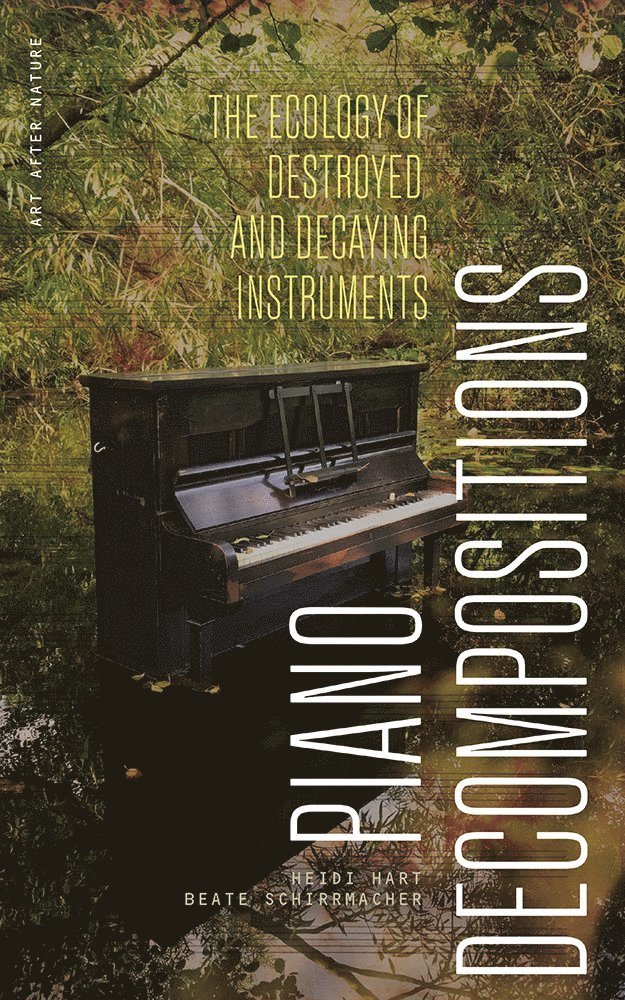
Examining musical instrument destruction through an ecological and intermedial lensMusical instruments are typically seen as objects both used and maintained with ritualistic care. But what happens when they’re tossed from homes in mudslides, burned during ecstatic parties, or waterlogged by pop stars in viral videos—and how do these elemental interactions transform the way we see and play instruments? Piano Decompositions asks what happens when we let go of controlling musical instruments. What kind of meanings start to sound when instruments are moved out of the protected cultural space and engage with their surrounding elements? Heidi Hart and Beate Schirrmacher trace the history of destroyed and decaying pianos, both sorting them within the realm of artistic violence against instruments and following their return journeys into water, sand, and soil. They parse the artistic vision of Annea Lockwood, whose iconic burning, drowning, and decaying Piano Transplants presented a novel means of drawing attention to the increasing threats of climate change in the 1960s and ’70s. Turning to instruments made from found materials and others played collaboratively with wind and water, they demonstrate how human sound making is entangled in the more-than-human world. Showing how the piano can transform conversations around the Anthropocene and environmental destruction, Hart and Schirrmacher find the instrument to be a potent creative and ecological force, a medium to connect with environments in an explorative, attentive way. Piano Decompositions unearths new ways to relate our concepts of curiosity, pleasure, and music to the natural world. Retail e-book files for this title are screen-reader friendly with images accompanied by short alt text and/or extended descriptions.
257 kr
Skickas inom 7-10 vardagar
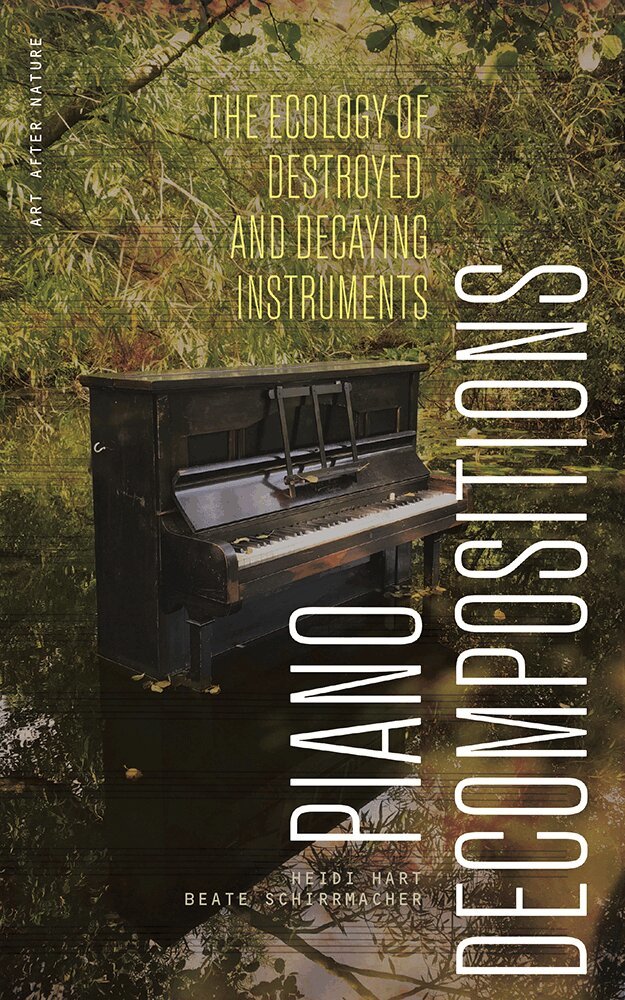
Examining musical instrument destruction through an ecological and intermedial lensMusical instruments are typically seen as objects both used and maintained with ritualistic care. But what happens when they’re tossed from homes in mudslides, burned during ecstatic parties, or waterlogged by pop stars in viral videos—and how do these elemental interactions transform the way we see and play instruments? Piano Decompositions asks what happens when we let go of controlling musical instruments. What kind of meanings start to sound when instruments are moved out of the protected cultural space and engage with their surrounding elements? Heidi Hart and Beate Schirrmacher trace the history of destroyed and decaying pianos, both sorting them within the realm of artistic violence against instruments and following their return journeys into water, sand, and soil. They parse the artistic vision of Annea Lockwood, whose iconic burning, drowning, and decaying Piano Transplants presented a novel means of drawing attention to the increasing threats of climate change in the 1960s and ’70s. Turning to instruments made from found materials and others played collaboratively with wind and water, they demonstrate how human sound making is entangled in the more-than-human world. Showing how the piano can transform conversations around the Anthropocene and environmental destruction, Hart and Schirrmacher find the instrument to be a potent creative and ecological force, a medium to connect with environments in an explorative, attentive way. Piano Decompositions unearths new ways to relate our concepts of curiosity, pleasure, and music to the natural world. Retail e-book files for this title are screen-reader friendly with images accompanied by short alt text and/or extended descriptions.
Del 192 - Studies in German Literature Linguistics and Culture
Hanns Eisler's Art Songs
Arguing with Beauty
Inbunden, Engelska, 2018
1 085 kr
Skickas inom 10-15 vardagar
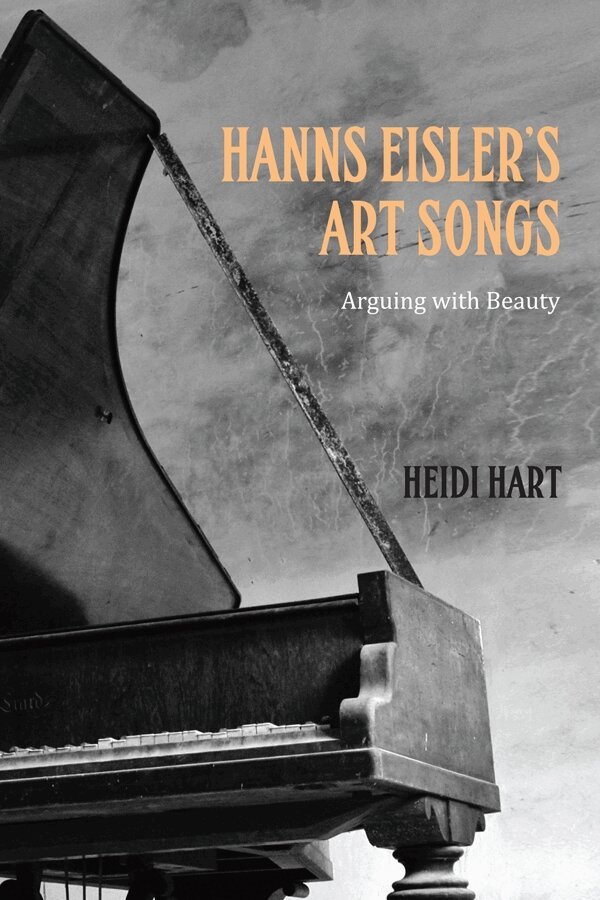
Traces Eisler's art songs through the political crises of the twentieth century, presenting them as a way to intervene in the nationalist appropriation of aesthetic material.Best known for his collaborations with Bertolt Brecht, composer Hanns Eisler also set nineteenth-century German poetry to music that both absorbs and disturbs the Lieder tradition. This book traces Eisler's art songs (German: Kunstlieder) through twentieth-century political crises from World War I to Nazi-era exile and from Eisler's postwar deportation from the US to the ideological pressures he faced in the early German Democratic Republic. His artsongs are presented not as an escape from the "dark times" Brecht lamented but rather as a way to intervene in the nationalist appropriation of aesthetic material.The book follows a chronological arc from Eisler's early Morgenstern songs to his Lied-like setting of Brecht's 1939 "To Those Who Come After" and his treatment of Hölderlin's poetry in the 1940s Hollywood Songbook; the final two chapters focus on Eisler's Goethe settings in the early GDR, followed by his late Serious Songs recalling Brahms in their reflective approach. In its combination of textual and musicological analysis, this book balances technical and lay vocabulary to reach readers with or without musical background. The author's practical perspective as a singer also informs the book, as she addresses not only what Eisler asks of the voice but also the challenge of evoking both intimacy and distance in his politically fraught art songs.Heidi Hart holds a PhD in German Studies from Duke University. She is an instructor in the College of Humanities and Social Sciences at Utah State University.
702 kr
Skickas inom 10-15 vardagar
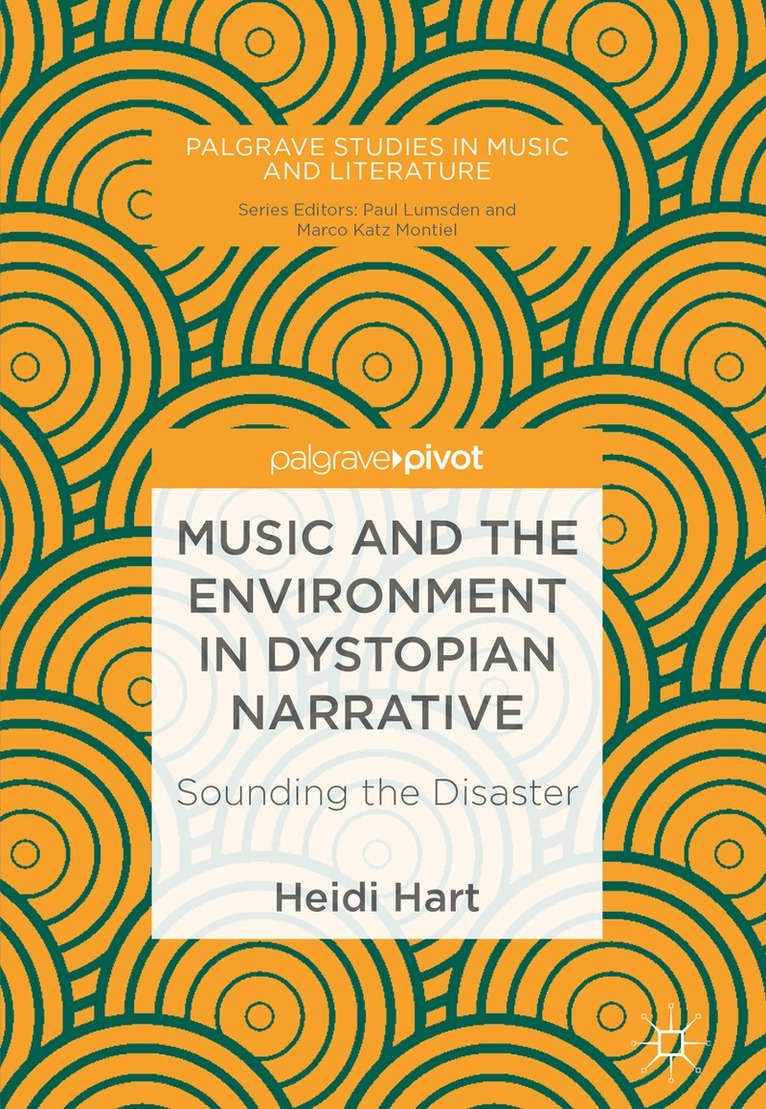
Music and the Environment in Dystopian Narrative: Sounding the Disaster investigates the active role of music in film and fiction portraying climate crisis. From contemporary science fiction and environmental film to “Anthropocene opera,” the most arresting eco-narratives draw less on background music than on the power of sound to move fictional action and those who receive it. Beginning with a reflection on a Mozart recording on the 1970s’ Voyager Golden Record, this book explores links between music and violence in Lidia Yuknavitch’s 2017 novel The Book of Joan, songless speech in the opera Persephone in the Late Anthropocene, interrupted lyricism in the eco-documentary Expedition to the End of the World, and dread-inducing hurricane music in the Brecht-Weill opera Rise and Fall of the City of Mahagonny. In all of these works, music allows for a state of critical vulnerability in its hearers, communicating planetary crisis in an embodied way.
Del 79 - Stockholmer germanistische Forschungen
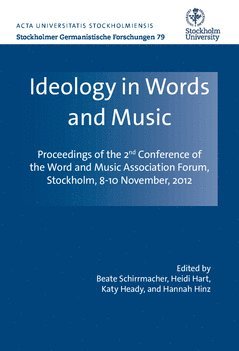
Ideology in words and music : proceedings of the 2nd Conference of the Word and Music Association Forum Stockholm, November 8-10, 2012
Häftad, Engelska, 2015
127 kr
Skickas inom 5-8 vardagar
This volume presents a collection of articles based on papers given at the 2nd conference of the Word and Music Association Forum, held at Stockholm, in November 2012. The conference topic, Ideology in Words and Music, attracted contributions that reflected both the variety and the depth of interactions among music, words and various forms of ideology. The essays in this collection address such topics as the influence of ideology on the composition and reception of musico-literary works, intermedial references to music in literature, and ideological presumptions affecting conceptions of both music and of word and music studies itself. The Word and Music Association Forum (WMAF) is a network of emerging scholars in word and music studies, founded in 2009 to offer graduate students and post-docs a forum for presenting and discussing work in word and music studies.