Helen Hills - Böcker
Visar alla böcker från författaren Helen Hills. Handla med fri frakt och snabb leverans.
13 produkter
13 produkter
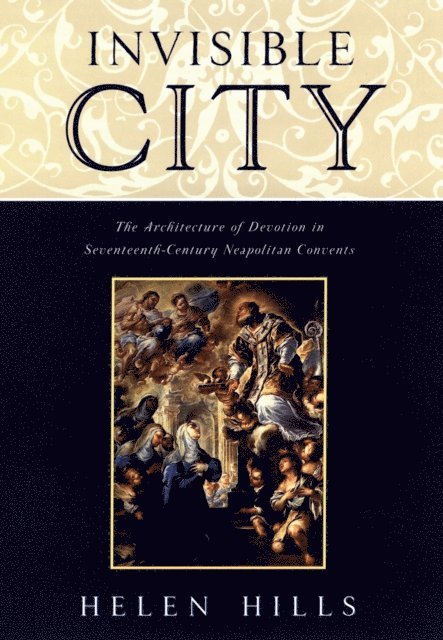
Invisible City
The Architecture of Devotion in Seventeenth Century Neapolitan Convents
Inbunden, Engelska, 2004
1 543 kr
Skickas inom 7-10 vardagar
More than any other European city, Baroque Naples was dominated by convents. Behind their imposing facades and highly decorated churches, the convents of Naples housed the daughters of the city's most exclusive families, women who, despite their cloistered existence, were formidable players in the city's power structure. Invisible City vividly portrays the religious world of seventeenth-century Naples, a city of familial and internecine rivalries, of religious devotion and intense urban politics, of towering structures built to house the virgin daughters of the aristocracy. Helen Hills demonstrates how the architecture of the convents and the nuns' bodies they housed existed both in parallel and in opposition to one another. She discusses these women as subjects of enclosure, as religious women, and as art patrons, but also as powerful agents whose influence extended beyond the convent walls. Though often ensconced in convents owing to their families' economic circumstances, many of these young women were able to extend their influence as a result of the role convents played both in urban life and in art patronage. The convents were rich and powerful organizations, riven with feuds and prey to the ambitions of viceregal and elite groups, which their thick walls could not exclude. Even today, Neapolitan convents figure prominently in the city's fabric. In analyzing the architecture of these august institutions, Helen Hills skillfully reads conventual architecture as a metaphor for the body of the aristocratic virgin nun, mapping out the dialectic between flesh and stone.
1 493 kr
Skickas inom 7-10 vardagar
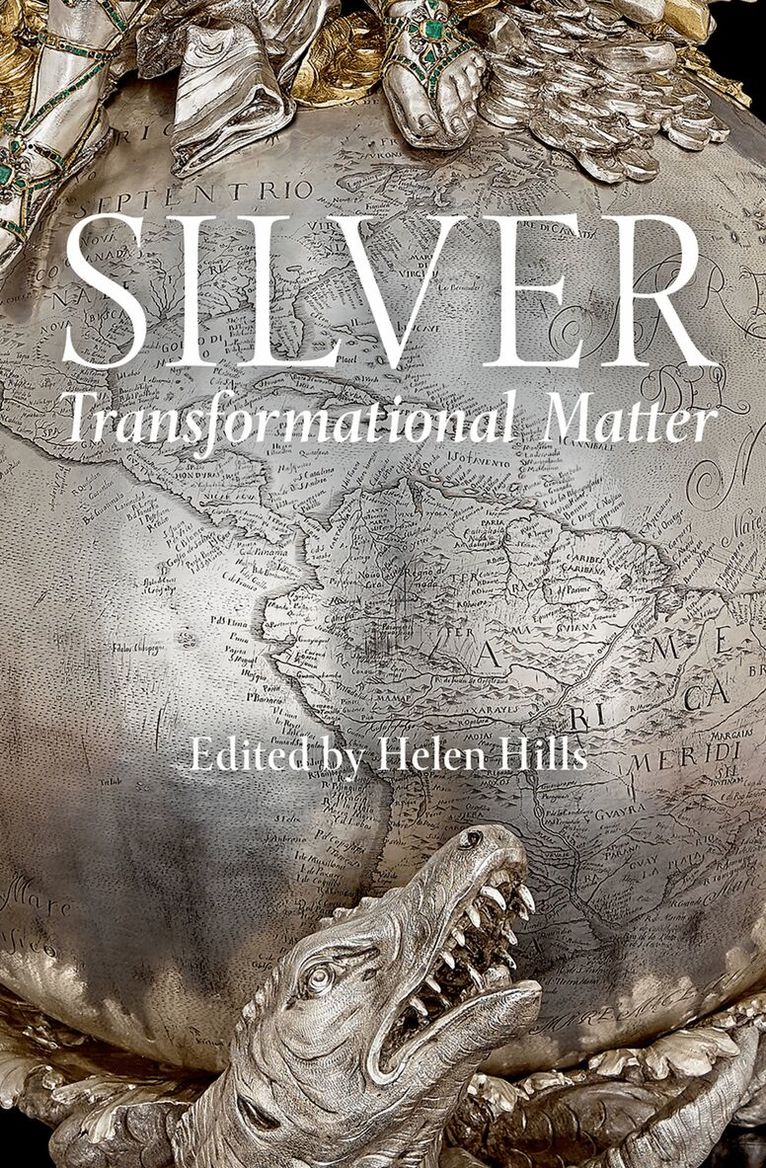
Silver transformed and convulsed the early modern world. Silver, even more than gold, occupied a deeply charged intersection of forces and dynamics — philosophical, religious, material, telluric, economic, colonialist, social, cultural, and courtly — that traversed and profoundly altered the world. Silver from the so-called 'New World' bankrolled and justified the Spanish monarchy in its landgrab, wars, and empire building in both the Americas and in Europe. The great mountain of fabulously rich silver, Cerro Ricco in Potosí, relentlessly exploited by the Spanish invaders from 1545, irrevocably changed power relations, empires, and entire social and environmental ecologies across the globe. Accelerating global commerce and the growth of capitalism, trade in silver intensified the accumulation of capital and uneven trade balances, and enhanced the wealth of northern Europe at the expense of the Global South, particularly of Latin America. This wealth helped jump start the Industrial Revolution a century later.Silver: Transformational Matter draws together essays by leading anthropologists, art historians, and historians to rethink silver across diverse fields and bring into context mining, trade, the Spanish empire and colonialism, Indigenous expertise, high-end Islamic and European silver artifacts, philosophical and alchemical erudition, and the shimmer of silver in textiles and moonlight. The emphasis in this collection is on early modern silver (ca.1545-ca.1700), since that was the crux and highpoint of its economic, artistic, and colonialist triumph, but any notion of a homogeneous historical 'period' is strongly resisted. Time and place were splintered by silver, as well as brought into relation by it.
213 kr
Skickas inom 5-8 vardagar
224 kr
Skickas inom 3-6 vardagar
309 kr
Skickas inom 3-6 vardagar
1 434 kr
Tillfälligt slut
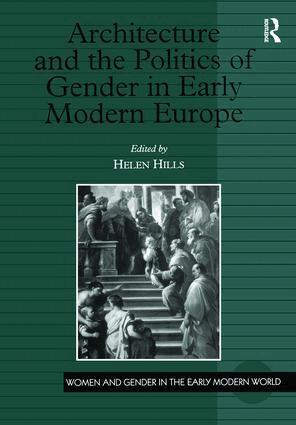
Written by leading scholars in the field, the essays in this book address the relationships between gender and the built environment, specifically architecture, in early modern Europe. In recent years scholars have begun to investigate the ways in which architecture plays a part in the construction of gendered identities. So far the debates have focused on the built environment of the nineteenth and twentieth centuries to the neglect of the early modern period. This book focuses on early modern Europe, a period decisive for our understanding of gender and sexuality. Much excellent scholarship has enhanced our understanding of gender division in early modern Europe, but often this scholarship considers gender in isolation from other vital factors, especially social class. Central to the concerns of this book, therefore, is a consideration of the intersections of gender with social rank. Architecture and the Politics of Gender in Early Modern Europe makes a major contribution to the developing analysis of how architecture contributes to the shaping of social relations, especially in relation to gender, in early modern Europe.
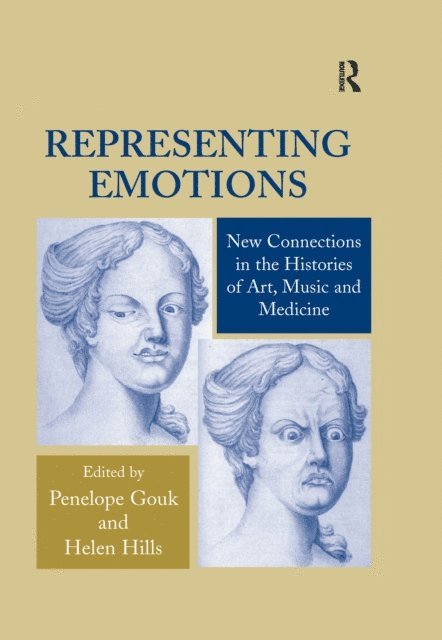
Representing Emotions
New Connections in the Histories of Art, Music and Medicine
Inbunden, Engelska, 2005
2 012 kr
Skickas inom 10-15 vardagar
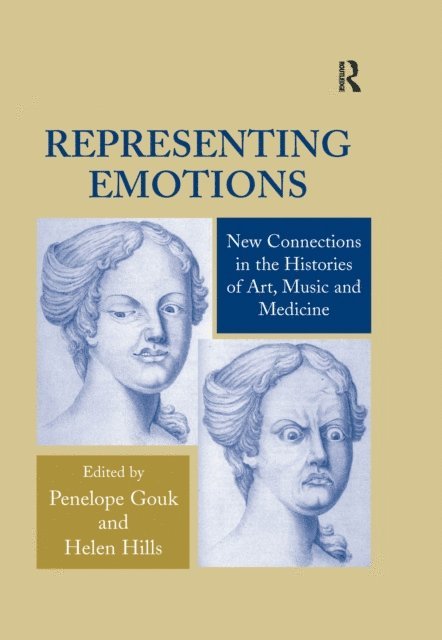
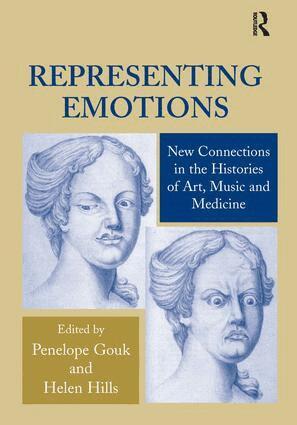
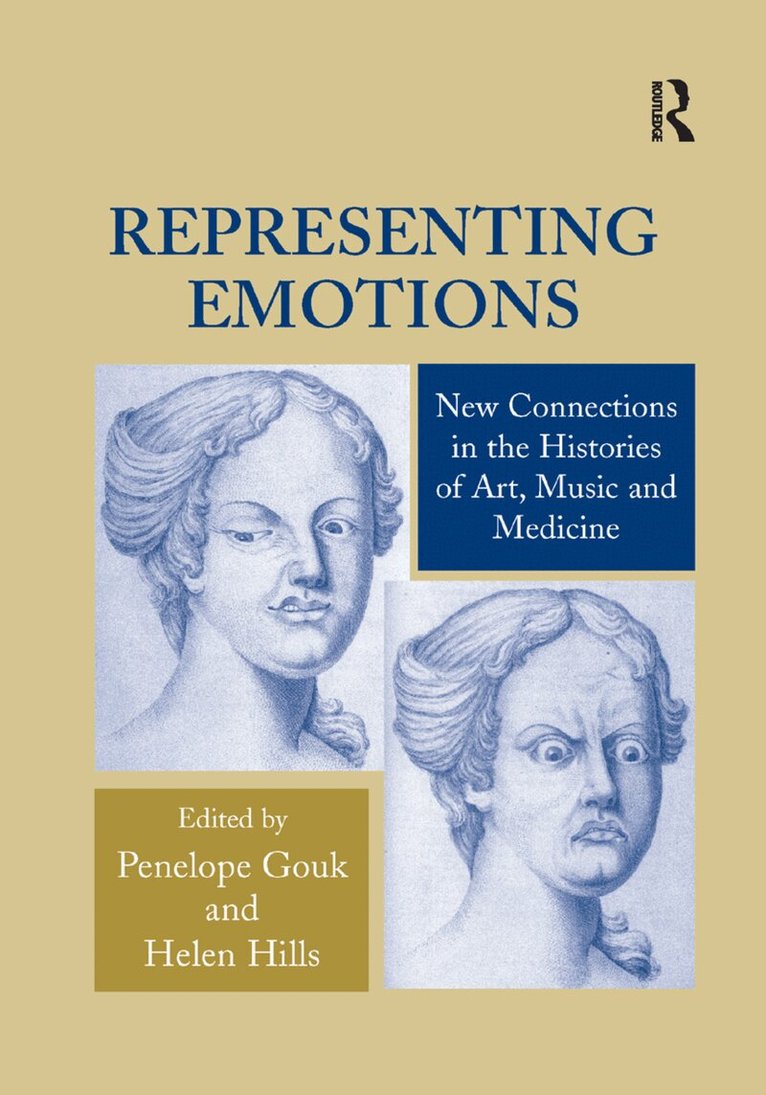
Juxtaposing artistic and musical representations of the emotions with medical, philosophical and scientific texts in Western culture between the Renaissance and the twentieth century, the essays collected in this volume explore the ways in which emotions have been variously conceived, configured, represented and harnessed in relation to broader discourses of control, excess and refinement. Since the essays explore the interstices between disciplines (e.g. music and medicine, history of art and philosophy) and thereby disrupt established frameworks within the histories of art, music and medicine, traditional narrative accounts are challenged. Here larger historical forces come into perspective, as these papers suggest how both artistic and scientific representations of the emotions have been put to use in political, social and religious struggles, at a variety of different levels.
2 478 kr
Skickas inom 7-10 vardagar
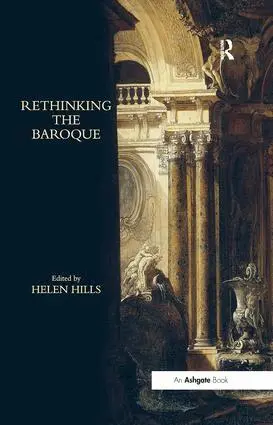
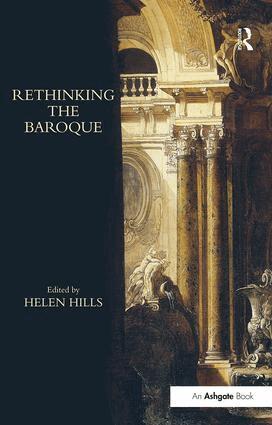
Rethinking the Baroque explores a tension. In recent years the idea of ’baroque’ or ’the baroque’ has been seized upon by scholars from a range of disciplines and the term ’baroque’ has consequently been much in evidence in writings on contemporary culture, especially architecture and entertainment. Most of the scholars concerned have little knowledge of the art, literature, and history of the period usually associated with the baroque. A gulf has arisen. On the one hand, there are scholars who are deeply immersed in historical period, who shy away from abstraction, and who have remained often oblivious to the convulsions surrounding the term ’baroque’; on the other, there are theorists and scholars of contemporary theory who have largely ignored baroque art and architecture. This book explores what happens when these worlds mesh. In this book, scholars from a range of disciplines retrieve the term ’baroque’ from the margins of art history where it has been sidelined as ’anachronistic’, to reconsider the usefulness of the term ’baroque’, while avoiding simply rehearsing familiar policing of periodization, stylistic boundaries, categories or essence. ’Baroque’ emerges as a vital and productive way to rethink problems in art history, visual culture and architectural theory. Rather than attempting to provide a survey of baroque as a chronological or geographical conception, the essays here attempt critical re-engagement with the term ’baroque’ - its promise, its limits, and its overlooked potential - in relation to the visual arts. Thus the book is posited on the idea that tension is not only inevitable, but even desirable, since it not only encapsulates intellectual divergence (which is always as useful as much as it is feared), but helps to push scholars (and therefore readers) outside their usual runnels.
579 kr
Skickas inom 10-15 vardagar
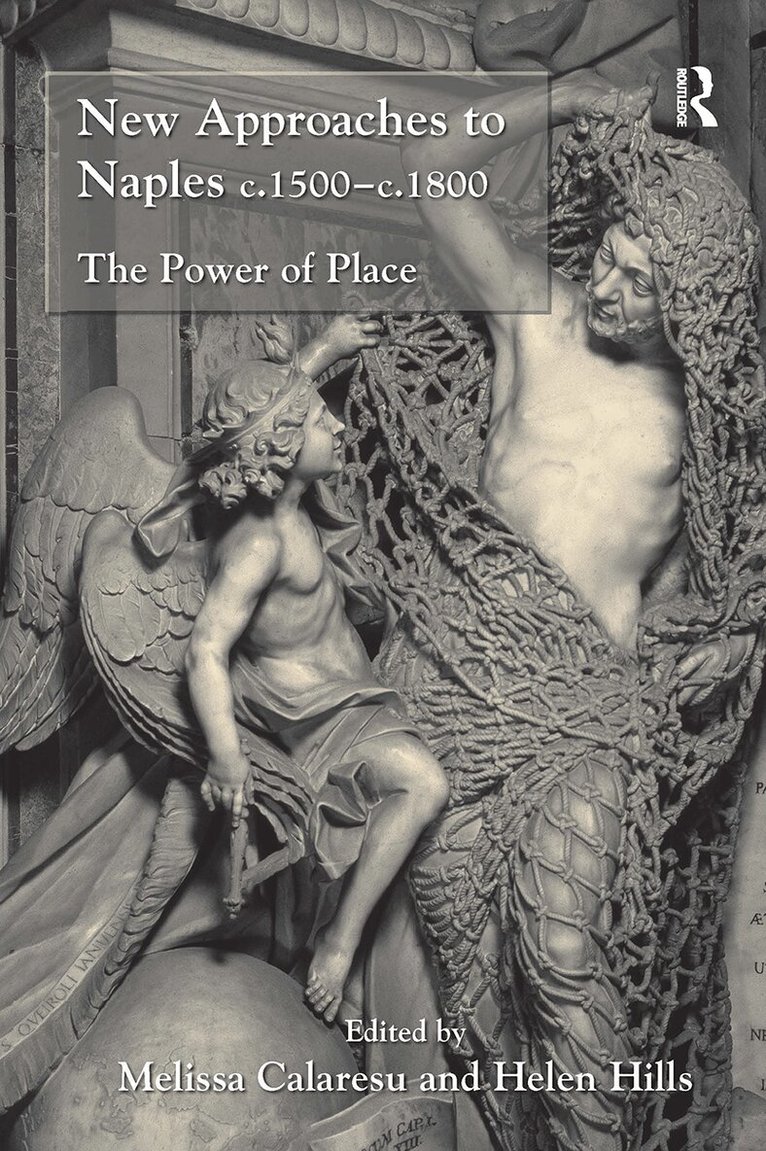
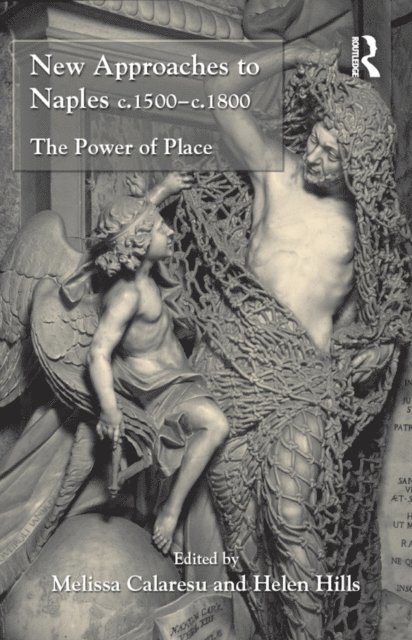
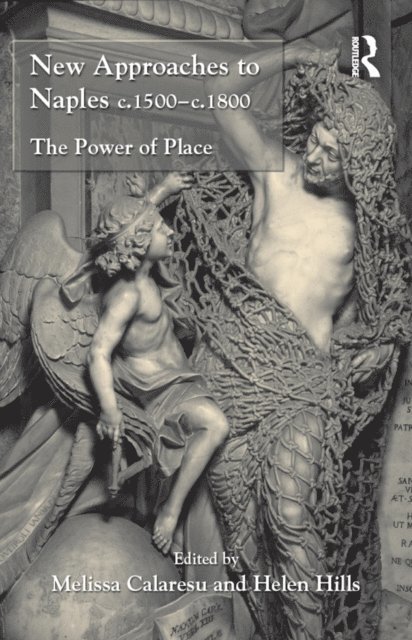
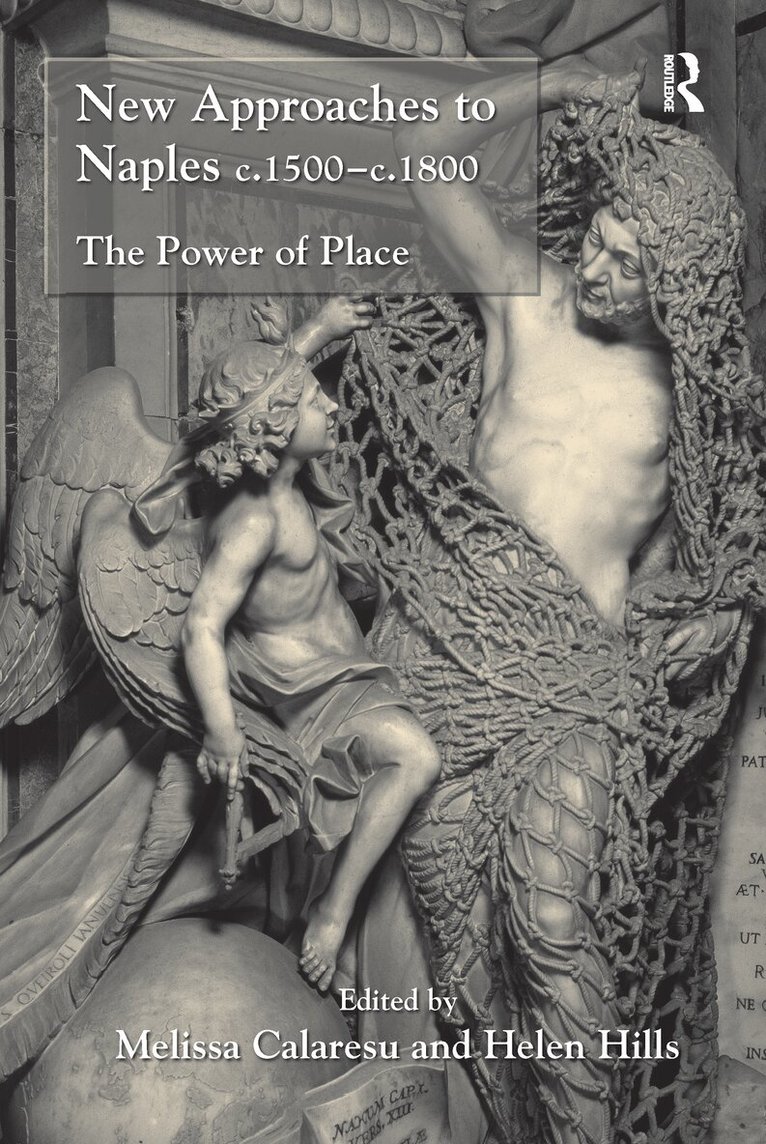
Early modern Naples has been characterized as a marginal, wild and exotic place on the fringes of the European world, and as such an appropriate target of attempts, by Catholic missionaries and others, to ’civilize’ the city. Historiographically bypassed in favour of Venice, Florence and Rome, Naples is frequently seen as emblematic of the cultural and political decline in the Italian peninsula and as epitomizing the problems of southern Italy. Yet, as this volume makes plain, such views blind us to some of its most extraordinary qualities, and limit our understanding, not only of one of the world's great capital cities, but also of the wider social, cultural and political dynamics of early modern Europe. As the centre of Spanish colonial power within Europe during the vicerealty, and with a population second only to Paris in early modern Europe, Naples is a city that deserves serious study. Further, as a Habsburg dominion, it offers vital points of comparison with non-European sites which were subject to European colonialism. While European colonization outside Europe has received intense scholarly attention, its cultural impact and representation within Europe remain under-explored. Too much has been taken for granted. Too few questions have been posed. In the sphere of the visual arts, investigation reveals that Neapolitan urbanism, architecture, painting and sculpture were of the highest quality during this period, while differing significantly from those of other Italian cities. For long ignored or treated as the subaltern sister of Rome, this urban treasure house is only now receiving the attention from scholars that it has so long deserved. This volume addresses the central paradoxes operating in early modern Italian scholarship. It seeks to illuminate both the historiographical pressures that have marginalized Naples and to showcase important new developments in Neapolitan cultural history and art history. Those developments showcased here include bot
943 kr
Skickas inom 10-15 vardagar
Rethinking the Baroque explores a tension. In recent years the idea of ’baroque’ or ’the baroque’ has been seized upon by scholars from a range of disciplines and the term ’baroque’ has consequently been much in evidence in writings on contemporary culture, especially architecture and entertainment. Most of the scholars concerned have little knowledge of the art, literature, and history of the period usually associated with the baroque. A gulf has arisen. On the one hand, there are scholars who are deeply immersed in historical period, who shy away from abstraction, and who have remained often oblivious to the convulsions surrounding the term ’baroque’; on the other, there are theorists and scholars of contemporary theory who have largely ignored baroque art and architecture. This book explores what happens when these worlds mesh. In this book, scholars from a range of disciplines retrieve the term ’baroque’ from the margins of art history where it has been sidelined as ’anachronistic’, to reconsider the usefulness of the term ’baroque’, while avoiding simply rehearsing familiar policing of periodization, stylistic boundaries, categories or essence. ’Baroque’ emerges as a vital and productive way to rethink problems in art history, visual culture and architectural theory. Rather than attempting to provide a survey of baroque as a chronological or geographical conception, the essays here attempt critical re-engagement with the term ’baroque’ - its promise, its limits, and its overlooked potential - in relation to the visual arts. Thus the book is posited on the idea that tension is not only inevitable, but even desirable, since it not only encapsulates intellectual divergence (which is always as useful as much as it is feared), but helps to push scholars (and therefore readers) outside their usual runnels.
649 kr
Skickas inom 10-15 vardagar
Written by leading scholars in the field, the essays in this book address the relationships between gender and the built environment, specifically architecture, in early modern Europe. In recent years scholars have begun to investigate the ways in which architecture plays a part in the construction of gendered identities. So far the debates have focused on the built environment of the nineteenth and twentieth centuries to the neglect of the early modern period. This book focuses on early modern Europe, a period decisive for our understanding of gender and sexuality. Much excellent scholarship has enhanced our understanding of gender division in early modern Europe, but often this scholarship considers gender in isolation from other vital factors, especially social class. Central to the concerns of this book, therefore, is a consideration of the intersections of gender with social rank. Architecture and the Politics of Gender in Early Modern Europe makes a major contribution to the developing analysis of how architecture contributes to the shaping of social relations, especially in relation to gender, in early modern Europe.
Representing Emotions
New Connections in the Histories of Art, Music and Medicine
Häftad, Engelska, 2019
733 kr
Skickas inom 10-15 vardagar
Juxtaposing artistic and musical representations of the emotions with medical, philosophical and scientific texts in Western culture between the Renaissance and the twentieth century, the essays collected in this volume explore the ways in which emotions have been variously conceived, configured, represented and harnessed in relation to broader discourses of control, excess and refinement. Since the essays explore the interstices between disciplines (e.g. music and medicine, history of art and philosophy) and thereby disrupt established frameworks within the histories of art, music and medicine, traditional narrative accounts are challenged. Here larger historical forces come into perspective, as these papers suggest how both artistic and scientific representations of the emotions have been put to use in political, social and religious struggles, at a variety of different levels.
2 219 kr
Skickas inom 10-15 vardagar
Early modern Naples has been characterized as a marginal, wild and exotic place on the fringes of the European world, and as such an appropriate target of attempts, by Catholic missionaries and others, to ’civilize’ the city. Historiographically bypassed in favour of Venice, Florence and Rome, Naples is frequently seen as emblematic of the cultural and political decline in the Italian peninsula and as epitomizing the problems of southern Italy. Yet, as this volume makes plain, such views blind us to some of its most extraordinary qualities, and limit our understanding, not only of one of the world's great capital cities, but also of the wider social, cultural and political dynamics of early modern Europe. As the centre of Spanish colonial power within Europe during the vicerealty, and with a population second only to Paris in early modern Europe, Naples is a city that deserves serious study. Further, as a Habsburg dominion, it offers vital points of comparison with non-European sites which were subject to European colonialism. While European colonization outside Europe has received intense scholarly attention, its cultural impact and representation within Europe remain under-explored. Too much has been taken for granted. Too few questions have been posed. In the sphere of the visual arts, investigation reveals that Neapolitan urbanism, architecture, painting and sculpture were of the highest quality during this period, while differing significantly from those of other Italian cities. For long ignored or treated as the subaltern sister of Rome, this urban treasure house is only now receiving the attention from scholars that it has so long deserved. This volume addresses the central paradoxes operating in early modern Italian scholarship. It seeks to illuminate both the historiographical pressures that have marginalized Naples and to showcase important new developments in Neapolitan cultural history and art history. Those developments showcased here include bot