Helen J. Knowles - Böcker
Visar alla böcker från författaren Helen J. Knowles. Handla med fri frakt och snabb leverans.
4 produkter
4 produkter
847 kr
Skickas inom 10-15 vardagar
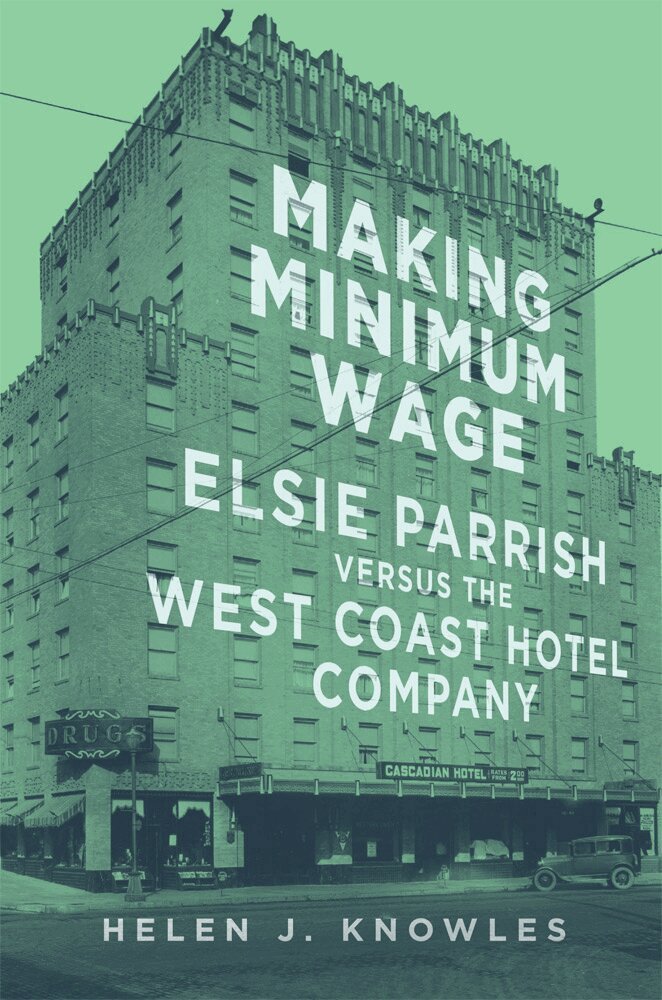
The US Supreme Court’s 1937 decision in West Coast Hotel v. Parrish, upholding the constitutionality of Washington State’s minimum wage law for women, had monumental consequences for all American workers. It also marked a major shift in the Court’s response to President Franklin D. Roosevelt’s New Deal agenda. In Making Minimum Wage, Helen J. Knowles tells the human story behind this historic case.West Coast Hotel v. Parrish pitted a Washington State hotel against a chambermaid, Elsie Parrish, who claimed that she was owed the state’s minimum wage. The hotel argued that under the concept of “freedom of contract,” the US Constitution allowed it to pay its female workers whatever low wages they were willing to accept. Knowles unpacks the legal complexities of the case while telling the litigants’ stories. Drawing on archival and private materials, including the unpublished memoir of Elsie’s lawyer, C. B. Conner, Knowles exposes the profound courage and resolve of the former chambermaid. Her book reveals why Elsie-who, in her mid-thirties was already a grandmother-was fired from her job at the Cascadian Hotel in Wenatchee, and why she undertook the outsized risk of suing the hotel for back wages.Minimum wage laws are “not an academic question or even a legal one,” Elinore Morehouse Herrick, the New York director of the National Labor Relations Board, said in 1936. Rather, they are “a human problem.” A pioneering analysis that illuminates the life stories behind West Coast Hotel v. Parrish as well as the case’s impact on local, state, and national levels, Making Minimum Wage vividly demonstrates the fundamental truth of Morehouse Herrick’s statement.
254 kr
Skickas inom 10-15 vardagar
The US Supreme Court’s 1937 decision in West Coast Hotel v. Parrish, upholding the constitutionality of Washington State’s minimum wage law for women, had monumental consequences for all American workers. It also marked a major shift in the Court’s response to President Franklin D. Roosevelt’s New Deal agenda. In Making Minimum Wage, Helen J. Knowles tells the human story behind this historic case.West Coast Hotel v. Parrish pitted a Washington State hotel against a chambermaid, Elsie Parrish, who claimed that she was owed the state’s minimum wage. The hotel argued that under the concept of “freedom of contract,” the US Constitution allowed it to pay its female workers whatever low wages they were willing to accept. Knowles unpacks the legal complexities of the case while telling the litigants’ stories. Drawing on archival and private materials, including the unpublished memoir of Elsie’s lawyer, C. B. Conner, Knowles exposes the profound courage and resolve of the former chambermaid. Her book reveals why Elsie-who, in her mid-thirties was already a grandmother-was fired from her job at the Cascadian Hotel in Wenatchee, and why she undertook the outsized risk of suing the hotel for back wages.Minimum wage laws are “not an academic question or even a legal one,” Elinore Morehouse Herrick, the New York director of the National Labor Relations Board, said in 1936. Rather, they are “a human problem.” A pioneering analysis that illuminates the life stories behind West Coast Hotel v. Parrish as well as the case’s impact on local, state, and national levels, Making Minimum Wage vividly demonstrates the fundamental truth of Morehouse Herrick’s statement.
Del 5 - Studies in Law and Politics
Free Speech Theory
Understanding the Controversies
Inbunden, Engelska, 2020
1 001 kr
Tillfälligt slut
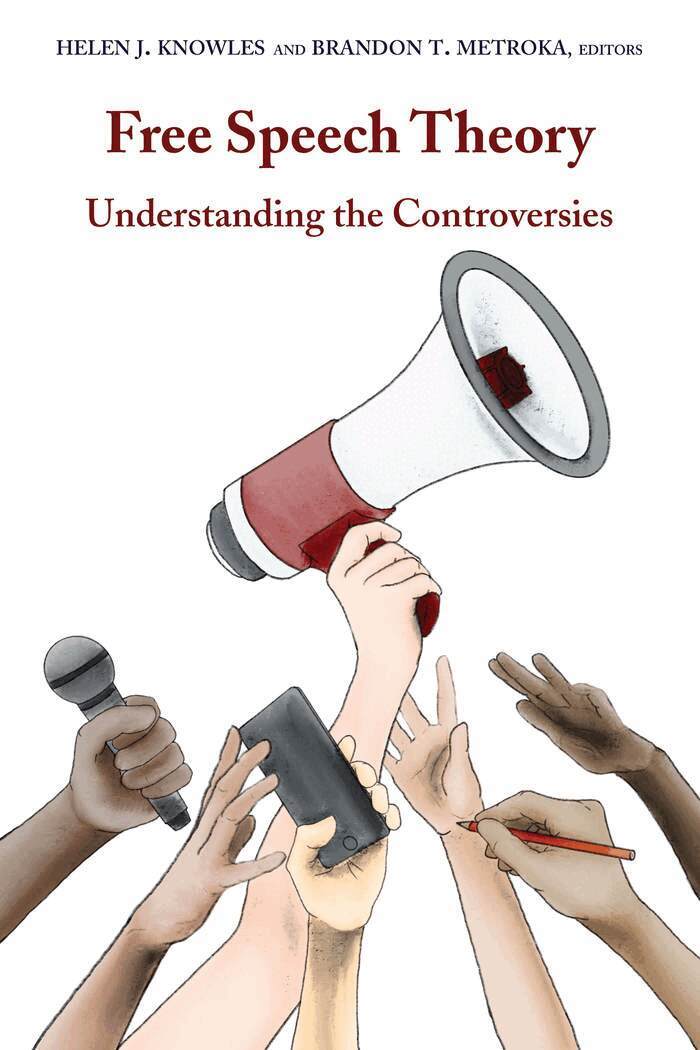
The rallying cry of "Free speech!" has long served as a touchstone for liberals and conservatives, alike, engaged in political polarization conflict and discourse. The democratization of media and the feverish pitch of political polarization, however, have contributed to the weaponization of free expression. From Colin Kaepernick to "fake news," boycotts of partisan television programming to removals of Confederate monuments, internet neutrality to the silencing of college professors and all points between, citizens and pundits all too frequently wield the slogan of "Free speech!" as the sword and shield of political discourse. Oftentimes, ironically they do so with little regard for the views of their opponents. As a result, society risks trading a substantive value for an empty slogan or, far worse, blind authority.To rediscover the underlying assumptions and social values served by free expression, and to move current controversies beyond rhetorical flourishes, Helen J. Knowles and Brandon T. Metroka assemble an impressive group of legal and political scholars to address one overarching question: "Why should we value free speech?" Through analyses of several recent controversies invoking concerns for free expression, the contributors to this volume make complex political theory accessible, informative, and entertaining. Beginning with internet neutrality and ending with an overview of developing free expression controversies in comparable western democracies, experts reestablish the link between free expression and the underlying values it may serve. In doing so, this volume unearths values previously unexamined in our modern—but increasingly impoverished and bitter—political discourse.
337 kr
Skickas inom 5-8 vardagar