Brandon T. Metroka - Böcker
Visar alla böcker från författaren Brandon T. Metroka. Handla med fri frakt och snabb leverans.
2 produkter
2 produkter
Del 5 - Studies in Law and Politics
Free Speech Theory
Understanding the Controversies
Inbunden, Engelska, 2020
1 001 kr
Tillfälligt slut
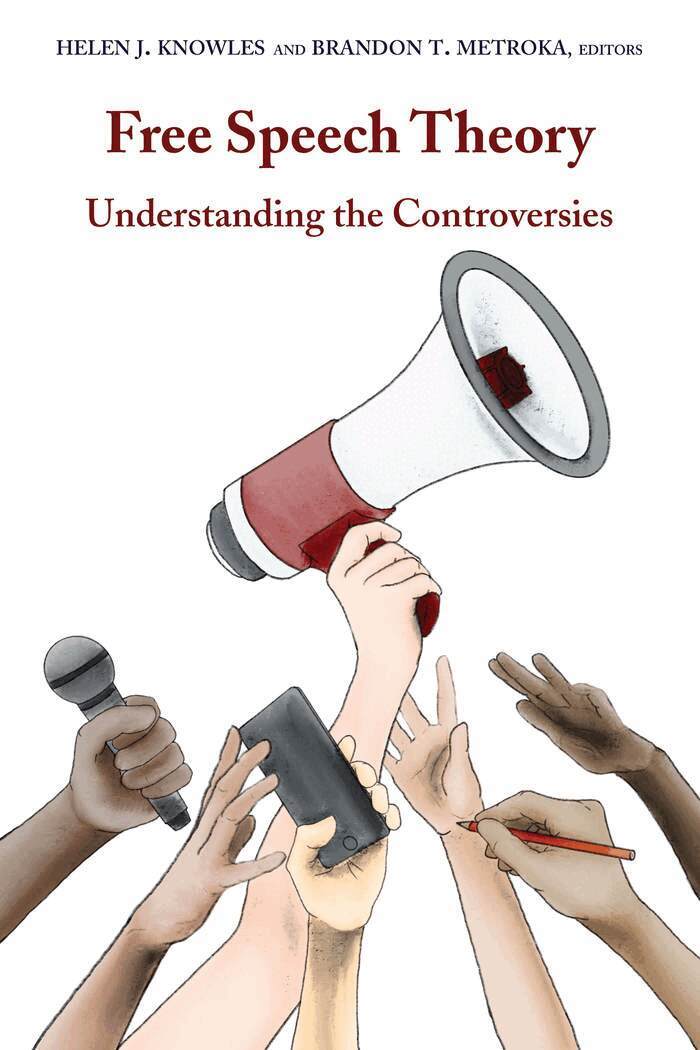
The rallying cry of "Free speech!" has long served as a touchstone for liberals and conservatives, alike, engaged in political polarization conflict and discourse. The democratization of media and the feverish pitch of political polarization, however, have contributed to the weaponization of free expression. From Colin Kaepernick to "fake news," boycotts of partisan television programming to removals of Confederate monuments, internet neutrality to the silencing of college professors and all points between, citizens and pundits all too frequently wield the slogan of "Free speech!" as the sword and shield of political discourse. Oftentimes, ironically they do so with little regard for the views of their opponents. As a result, society risks trading a substantive value for an empty slogan or, far worse, blind authority.To rediscover the underlying assumptions and social values served by free expression, and to move current controversies beyond rhetorical flourishes, Helen J. Knowles and Brandon T. Metroka assemble an impressive group of legal and political scholars to address one overarching question: "Why should we value free speech?" Through analyses of several recent controversies invoking concerns for free expression, the contributors to this volume make complex political theory accessible, informative, and entertaining. Beginning with internet neutrality and ending with an overview of developing free expression controversies in comparable western democracies, experts reestablish the link between free expression and the underlying values it may serve. In doing so, this volume unearths values previously unexamined in our modern—but increasingly impoverished and bitter—political discourse.
1 276 kr
Skickas inom 10-15 vardagar
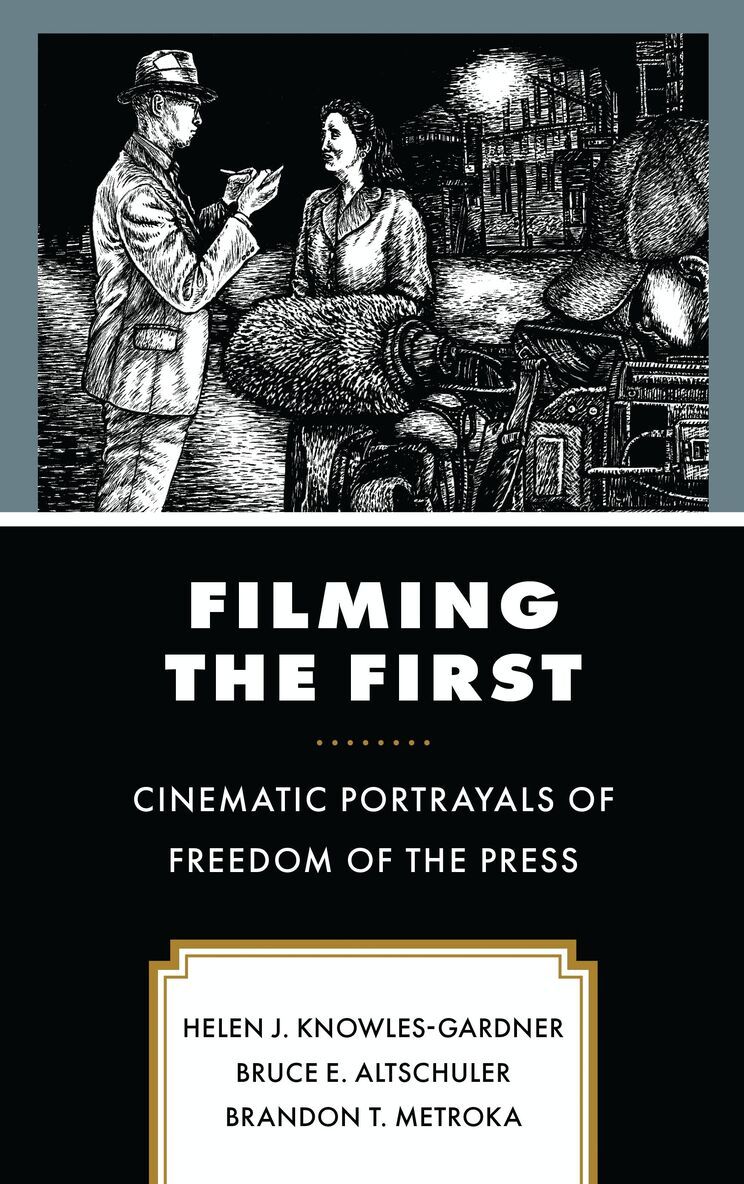
The First Amendment to the U.S. Constitution prohibits Congress from abridging freedom of the press. But, as the printed press has been transformed into mass media with Americans now more likely to get their political information from television or social media than from print, confidence in this important, mediating institution has fallen dramatically. Movies, in their role as cultural artifacts, have long reflected and influenced those public attitudes, inventing such iconic phrases as “follow the money” from All the President’s Men and “I’m mad as hell and I’m not going to take this anymore” from Network. Filming the First: Cinematic Portrayals of Freedom of the Press analyzes eighteen films that span from Citizen Kane to Spotlight showing changes in how the press have been portrayed over time, which voices receive the most attention and why, the relationship between the press’s “Fourth Estate” role and the imperatives of capitalism, and how, despite the First Amendment’s seemingly absolute language, the government has sometimes been able to limit what the public can read or view.